Are Heat Pump Hot Water Tanks Worth It
You might not realize that heat pump hot water tanks can cut your electricity use by up to 60%, thanks to their ability to extract heat from the air around you. Heat pump hot water tanks offer significant energy savings and reduce your carbon footprint in the process.
However, their efficiency heavily depends on your home’s climate and setup. Before deciding, it’s important to weigh these factors against the higher upfront costs and potential noise issues.
These details could make or break their value for your household. Considering all aspects will help you determine if a heat pump hot water tank is worth it for you.
Key Takeaways
- Heat pump hot water tanks are two to three times more energy efficient than conventional electric or gas heaters, saving significant electricity.
- They reduce carbon emissions by up to 75% compared to traditional tanks, benefiting the environment.
- Higher upfront and installation costs are offset by long-term energy savings and potential rebates.
- Regular maintenance and noise from compressors are notable drawbacks that affect convenience and placement.
- Best suited for moderate climates with well-ventilated indoor spaces to maximize efficiency and performance.
How Heat Pump Hot Water Tanks Work
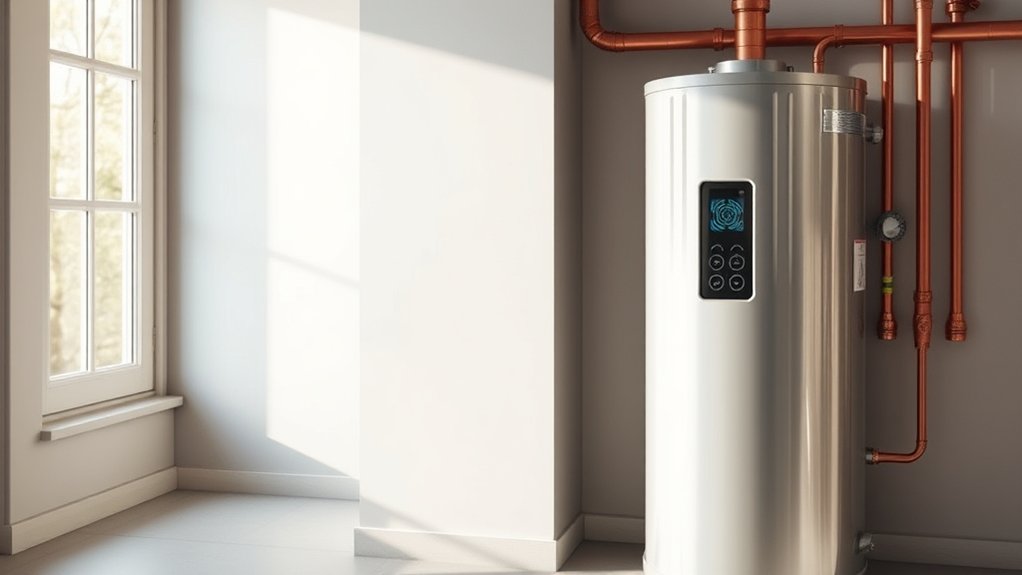
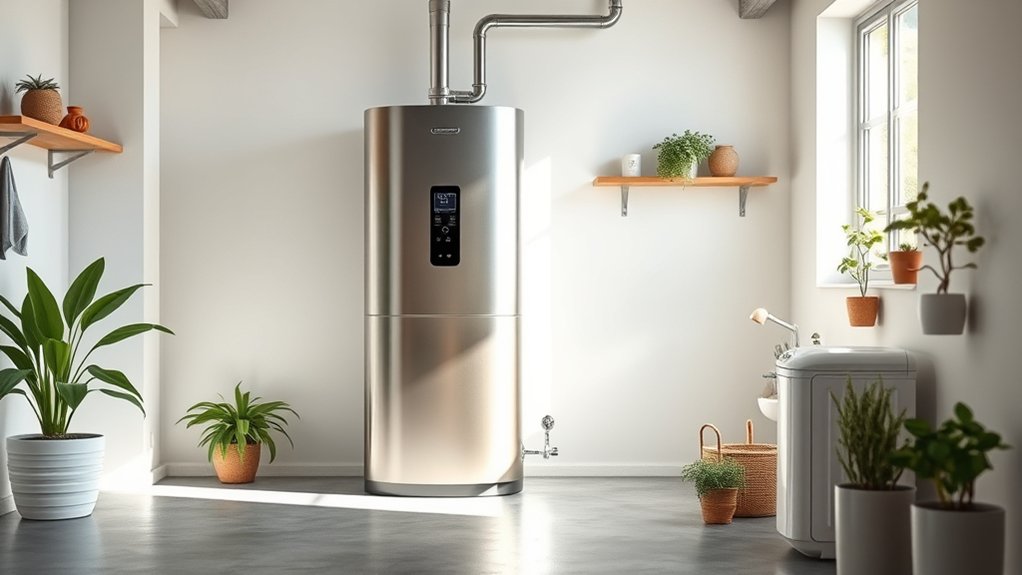
A heat pump hot water tank extracts heat from the surrounding air and transfers it to the water stored inside the tank, using a refrigeration cycle similar to an air conditioner. You might hesitate due to installation myths suggesting complex setups, but modern designs simplify integration into your home’s existing plumbing and electrical systems.
Noise concerns often arise, but advancements have significantly reduced operational sound levels, ensuring quieter performance compared to older models. By actively capturing ambient heat rather than generating it, these systems operate efficiently, cutting energy costs.
Understanding how the refrigeration cycle compresses and expands refrigerant to absorb and release heat clarifies why heat pump tanks are both innovative and practical, giving you a reliable, energy-conscious water heating solution.
Comparing Heat Pump Tanks With Traditional Water Heaters
How do heat pump hot water tanks stack up against traditional water heaters in terms of efficiency and cost? Heat pump tanks typically deliver two to three times the energy efficiency of conventional electric or gas heaters by extracting ambient heat, which in turn lowers operational costs.
However, their performance can drop in cold climate conditions, as the heat pump struggles to draw sufficient heat, potentially necessitating backup heating. Additionally, you’ll notice that heat pump units produce more noise due to their compressor and fan mechanisms, unlike the near-silent operation of traditional tank heaters.
Despite this, the noise levels are generally manageable and comparable to a modern refrigerator. Overall, if you prioritize energy efficiency and are in a moderate climate, heat pump tanks offer a technically superior solution compared to traditional water heaters.
Upfront Costs and Long-Term Savings of Heat Pumps
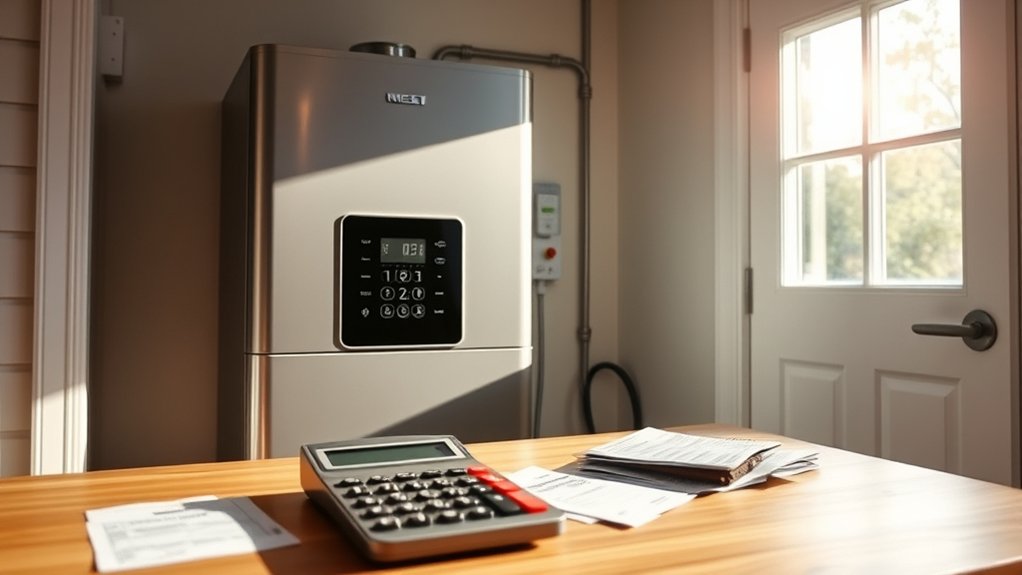
You’ll notice that heat pump hot water tanks require a higher initial investment compared to traditional models. However, their advanced efficiency translates into significant energy savings that accumulate over time.
Understanding this balance is key to evaluating their true cost-effectiveness.
Initial Investment Expenses
What makes heat pump hot water tanks a compelling investment despite their higher upfront costs? While the initial purchase and installation expenses exceed those of conventional tanks, these costs are not irrelevant. You must evaluate them alongside the system’s advanced technology, which delivers superior efficiency unrelated to traditional electric or gas heaters.
The upfront cost covers components that optimize heat extraction from ambient air, a feature absent in standard units. Although the initial price may seem steep, it reflects the integration of efficient compressors and heat exchangers engineered for durability and performance.
When analyzing initial investment expenses, don’t disregard these specialized features as irrelevant cost. They directly contribute to long-term value. Understanding this helps you make a more informed decision about the true worth of heat pump hot water tanks.
Energy Savings Over Time
Beyond the initial investment, heat pump hot water tanks offer significant energy savings that quickly offset higher upfront costs. By conducting thorough energy audits, you can identify inefficiencies in your current water heating system and quantify potential savings.
Heat pumps use ambient air to heat water, consuming up to 60% less electricity than conventional electric heaters. Over time, these savings accumulate, reducing your utility bills and carbon footprint.
Efficient space planning is crucial to maximize performance; placing the unit in a well-ventilated area ensures optimal heat exchange and system longevity. Although the upfront expense is higher, the long-term operational costs are substantially lower, making heat pump hot water tanks a financially and environmentally sound choice for energy-conscious homeowners.
Energy Efficiency of Heat Pump Hot Water Tanks
You’ll see that heat pump hot water tanks use markedly less energy compared to traditional electric models, thanks to advanced heat pump technology that extracts ambient heat efficiently. This technology not only reduces your energy consumption but also translates into substantial long-term cost savings.
Understanding these efficiency gains is key to evaluating the true value of switching to a heat pump system.
Energy Consumption Comparison
How much energy can you save by switching to a heat pump hot water tank? Compared to conventional electric resistance tanks, heat pump models consume up to 60% less energy, markedly reducing your electricity demand.
This aligns with emerging energy policy goals targeting lower household emissions and grid stress. Many still believe water heating myths, that traditional tanks are more reliable or cheaper to operate, but data clearly disproves these notions.
Heat pump tanks extract ambient heat efficiently, minimizing direct electrical input. When you analyze energy consumption side-by-side, you’ll find that heat pumps not only operate more sustainably but also offer measurable savings on your utility bills.
Heat Pump Technology Benefits
Discover how heat pump hot water tanks deliver superior energy efficiency by leveraging advanced technology that captures and transfers ambient heat instead of relying solely on electrical resistance. This approach results in significant efficiency gains, often achieving two to three times the efficiency of conventional electric water heaters.
The heat pump’s ability to move heat rather than generate it electrically means you consume less energy for the same hot water output. Understanding these technology benefits helps you appreciate how heat pumps reduce energy waste and improve overall system performance.
While initial cost considerations may be higher, the enhanced efficiency directly impacts your energy consumption. By choosing a heat pump hot water tank, you harness cutting-edge technology designed to optimize energy use, making it a smart, efficient choice for your water heating needs.
Long-Term Cost Savings
Why invest in a heat pump hot water tank despite its higher upfront cost? Because over the long term, the energy efficiency of these systems drastically reduces your utility bills. Heat pump hot water tanks extract ambient heat to warm water, using up to 60% less electricity than conventional electric heaters.
This efficiency translates into significant cost savings on hot water production, which accounts for a substantial portion of household energy use. While initial expenses may seem steep, you recoup that investment through lower monthly energy costs within a few years.
Additionally, improved efficiency means less strain on your energy resources, contributing to sustainability. Choosing a heat pump hot water tank is a smart financial decision that balances upfront costs against substantial long-term savings and environmental benefits.
Ideal Home Setups for Heat Pump Hot Water Tanks
Where should you place a heat pump hot water tank to maximize its efficiency and lifespan? Ideally, install it in a well-ventilated, indoor space with ambient temperatures between 40°F and 90°F.
You’ll want to balance installation aesthetics and noise considerations. Locate it away from living areas to minimize disturbance while maintaining easy access for maintenance.
The following table highlights optimal placement factors:
| Factor | Recommendation |
|---|---|
| Ventilation | Ensure 700+ cubic feet per minute |
| Noise | Place near utility rooms or garages |
| Ambient Temperature | Maintain between 40°F and 90°F |
Common Drawbacks of Heat Pump Hot Water Tanks
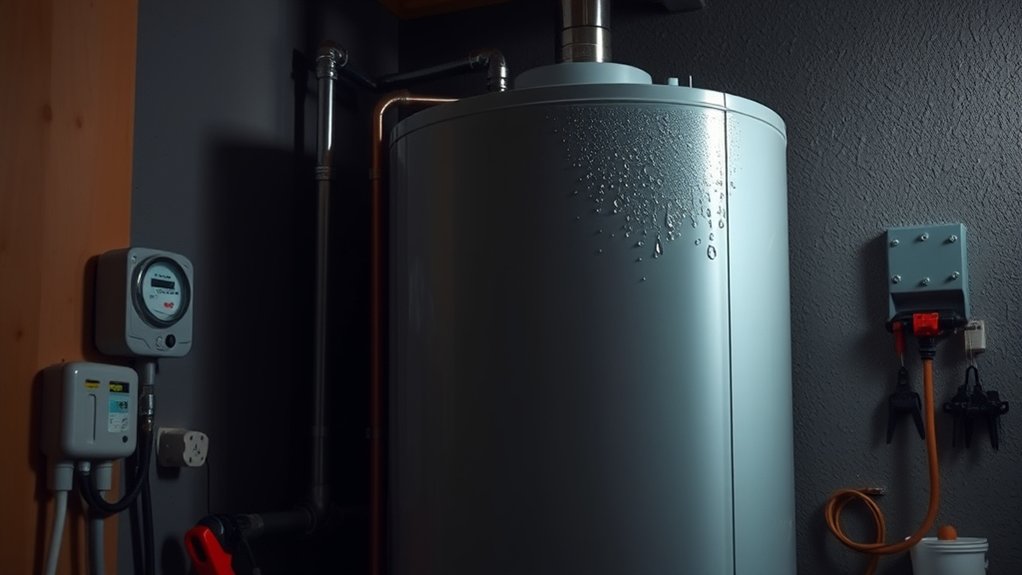
While placing your heat pump hot water tank correctly can enhance its performance and longevity, it’s important to recognize some inherent limitations that might affect your overall experience. One key drawback is maintenance concerns; these systems require regular servicing to maintain efficiency, such as cleaning filters and checking refrigerant levels, which can add to your upkeep responsibilities and costs.
Additionally, noise concerns are significant. Heat pump tanks generate operational sounds from compressors and fans that may be disruptive, especially in quiet or small spaces. Unlike conventional tanks, the noise level can’t be easily muted without impacting performance.
Understanding these drawbacks helps you weigh the trade-offs between energy savings and potential inconveniences before investing in a heat pump hot water tank.
Heat Pump Tanks and Your Carbon Footprint
Because heat pump hot water tanks operate by extracting ambient heat rather than generating it through combustion, they considerably reduce your household’s greenhouse gas emissions. This technology significantly lowers your eco footprint by using electricity more efficiently for water heating compared to traditional electric or gas tanks.
| System Type | Energy Use (kWh/year) | CO2 Emissions (kg/year) |
|---|---|---|
| Conventional Tank | 4,000 | 2,500 |
| Gas Tank | 3,200 | 1,800 |
| Heat Pump Tank | 1,200 | 600 |
Deciding If a Heat Pump Hot Water Tank Fits Your Budget
Several factors influence whether a heat pump hot water tank fits your budget, including upfront costs, installation expenses, and long-term energy savings. To assess budget feasibility, start by comparing the initial purchase price to your current water heating costs.
Consider upfront costs, installation fees, and energy savings to determine if a heat pump hot water tank fits your budget.
While heat pump tanks often have higher upfront costs, their energy efficiency can lead to substantial savings over time. Installation timing also plays a critical role; scheduling installation during off-peak seasons or alongside other home upgrades can reduce labor costs.
Additionally, consider potential rebates or incentives that improve financial viability. By analyzing these variables, you can determine if the investment aligns with your financial goals.
Ultimately, a heat pump hot water tank can be a cost-effective solution when you strategically plan for installation timing and evaluate total lifecycle expenses.
Frequently Asked Questions
How Noisy Are Heat Pump Hot Water Tanks During Operation?
You won’t find heat pump hot water tanks excessively noisy during operation; they produce low hums with minimal vibration concerns. Proper installation further reduces noise, making their operation quieter than traditional water heaters in most cases.
Can Heat Pump Water Heaters Work in Extremely Cold Climates?
Of course, heat pump water heaters thrive in extremely cold climates said no expert ever. You’ll face energy efficiency concerns since they struggle to extract heat, needing backup systems, which undermines their green appeal and cost-saving promise.
What Maintenance Is Required for Heat Pump Hot Water Tanks?
You’ll perform a regular maintenance check by cleaning filters and coils to guarantee peak energy efficiency. Inspecting the condensate drain and checking refrigerant levels also helps maintain performance, preventing costly repairs and maximizing your heat pump hot water tank’s lifespan.
Are There Government Rebates or Incentives for Installing Heat Pump Tanks?
Think of rebate eligibility like catching a train: miss it, and you wait ages. You can secure government incentives for heat pump tanks, but you must act within incentive timelines to maximize savings and efficiency benefits.
How Long Is the Typical Warranty on Heat Pump Hot Water Tanks?
You’ll typically find heat pump hot water tanks come with a warranty longevity of 5 to 10 years.
For a thorough evaluation, focus on two word discussion ideas like “coverage period” and “performance guarantee.”
Conclusion
If you’re aiming to cut energy costs and reduce your carbon footprint, heat pump hot water tanks can save you up to 60% on electricity compared to traditional heaters. While the upfront costs are higher, the long-term savings and environmental benefits make them a compelling choice—especially in moderate climates with good ventilation.
Just ensure proper placement and maintenance to avoid noise and performance issues. With careful planning, these tanks are a smart, efficient investment for your home.
Overall, heat pump hot water tanks are worth it for those seeking energy efficiency and sustainability.