Are Heat Pump Hot Water Systems Worth It
You might think switching to a heat pump hot water system will completely revolutionize your energy bills overnight. Heat pump hot water systems offer significant efficiency improvements over traditional electric heaters by extracting ambient heat to warm your water. While it’s not magic, these systems can help reduce energy consumption and costs.
However, the true value depends on factors like upfront costs, climate, and installation specifics. Understanding these details can help you determine if the investment aligns with your home’s needs and budget. Considering these aspects is key to making an informed decision about heat pump hot water systems.
Key Takeaways
- Heat pump hot water systems reduce energy consumption by 50-70%, offering significant long-term savings over traditional electric or gas heaters.
- Upfront installation costs range from $3,000 to $7,000 but are often offset by government rebates and energy savings.
- Their efficiency (COP > 3.0) and lower operational costs make them financially viable in moderate to warm climates.
- Noise is minimized in modern systems, though outdoor unit placement is important to reduce disturbance.
- Performance may decline in very cold climates, requiring careful consideration of local conditions and maintenance needs.
How Does a Heat Pump Hot Water System Work?
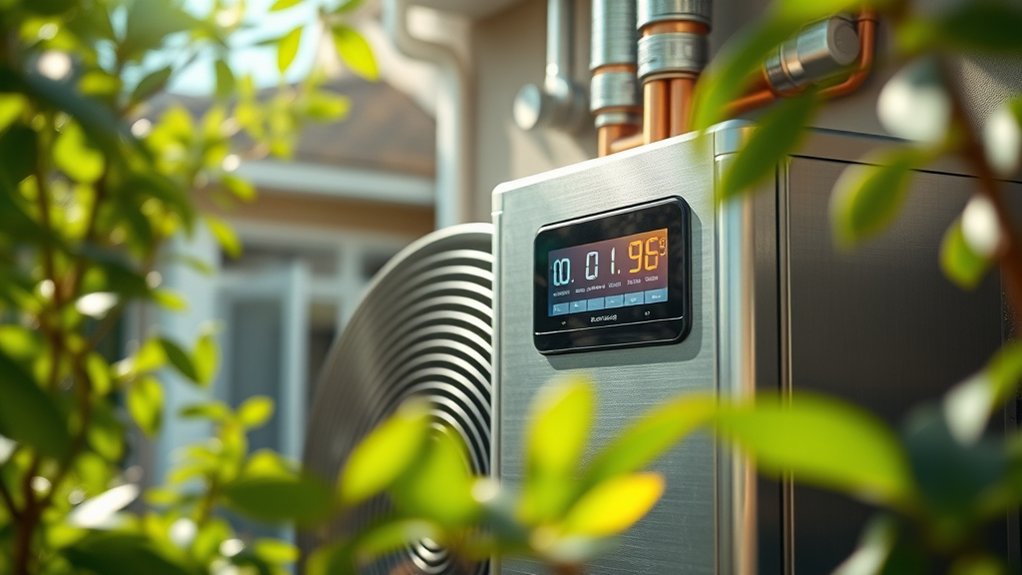
How exactly does a heat pump hot water system work? You’ll find it operates by extracting heat from the surrounding air and transferring it to water via a refrigeration cycle.
A compressor compresses the refrigerant, raising its temperature; then it passes through a heat exchanger, heating the water stored in a tank. This process uses less electricity than conventional electric heaters.
You might worry about heat pump noise since the compressor and fan generate sound during operation, but modern systems are designed for quiet performance, minimizing disturbance.
Regarding refrigerant safety, these systems use environmentally friendly refrigerants with low toxicity and minimal flammability. Proper installation and maintenance ensure no leaks occur, safeguarding both your home and the environment while maintaining efficient heating.
What Energy Savings Can You Expect Compared to Traditional Systems?
You can expect a significant reduction in energy consumption with heat pump hot water systems compared to traditional electric or gas heaters. This efficiency translates directly into cost savings on your utility bills over time.
Let’s analyze how these savings stack up based on typical household usage and energy rates.
Energy Consumption Comparison
Why consider a heat pump hot water system over traditional electric or gas heaters? Heat pumps operate by extracting ambient heat, using electricity far more efficiently than resistance heating or combustion. This design typically reduces energy consumption by 50-70%, aligning well with modern energy policy goals targeting reduced greenhouse gas emissions.
You’ll notice lower operational costs, but noise levels, usually around 50-60 decibels, may be higher than traditional units, so placement matters. Compared to gas heaters, heat pumps avoid direct fuel combustion, enhancing safety and environmental impact.
When assessing energy consumption, heat pumps’ coefficient of performance (COP) often exceeds 3.0, meaning they deliver over three units of heat per unit of electricity consumed. This efficiency makes them a compelling choice for reducing your household’s overall energy footprint.
Cost Savings Analysis
Exactly how much can a heat pump hot water system trim your energy bills compared to traditional electric or gas heaters? Typically, you can expect a 50-60% reduction in energy consumption, translating to substantial cost savings over time.
These systems use ambient air to heat water efficiently, consuming far less electricity than resistance heaters or gas combustion. Your local energy policy can significantly impact overall savings by offering rebates or incentives that improve your return on investment.
Additionally, installation timing matters; installing during off-peak seasons or aligning with energy policy updates can maximize financial benefits. While upfront costs are higher, the operational savings and policy incentives often justify this expense.
Evaluating your current hot water usage and local regulations will help you quantify the precise savings you can achieve.
How Much Does Installing a Heat Pump Hot Water System Cost?
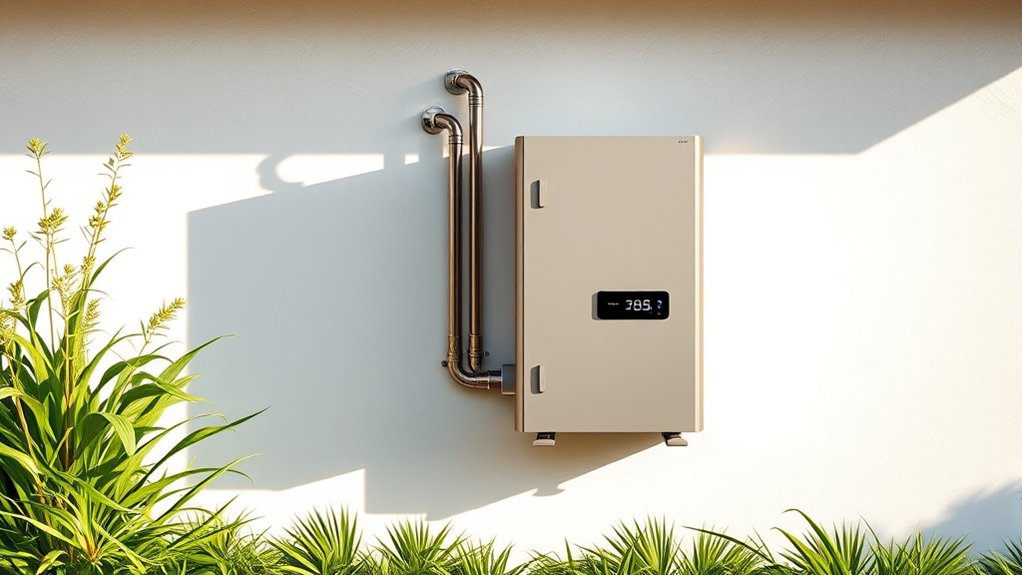
You’ll need to contemplate the initial installation expenses, which can be higher than traditional systems due to specialized equipment and labor. However, long-term energy savings often offset these upfront costs by reducing your utility bills meaningfully.
Additionally, government rebates and incentives can lower your overall investment, making the switch more financially attractive.
Initial Installation Expenses
How much does it actually cost to install a heat pump hot water system? Typically, installation expenses range from $3,000 to $7,000, depending on your location, unit capacity, and existing plumbing.
Don’t fall for hot water myths suggesting cheaper upfront costs; quality systems and proper installation matter. Installation pitfalls often arise from inadequate space, poor ventilation, or incompatible electrical setups, which can drive costs higher.
You’ll need to factor in potential modifications to your existing water system to ensure efficiency and compliance with local codes. While the initial expense may seem high, understanding these technical factors helps you avoid costly mistakes.
Being aware of installation pitfalls ensures you invest wisely and get the performance you expect without surprises.
Long-Term Energy Savings
Why should you consider the energy savings of a heat pump hot water system over time? Because upfront costs only tell part of the story. Evaluating long-term savings helps you understand the true value beyond irrelevant topics like brand prestige or nonessential details such as aesthetic design.
Heat pump systems use ambient air to heat water, significantly reducing electricity consumption compared to conventional electric heaters.
Key points to consider include:
- Energy efficiency: They consume up to 60% less electricity.
- Operational cost reduction: Lower monthly utility bills add up.
- System lifespan: Longer-lasting units mean sustained savings.
Government Rebates And Incentives
Where can you find financial support to offset the initial expense of installing a heat pump hot water system? Government rebates and incentives often provide substantial relief by reducing upfront costs.
These programs vary by region but typically include cash rebates, tax credits, or low-interest loans. Analyzing eligibility criteria and application processes is crucial, as missing documentation or deadlines can derail your claim.
While exploring these options, avoid irrelevant topic distractions like unrelated appliance subsidies or unrelated two word discussion ideas that don’t impact your installation cost. By focusing on targeted incentives designed explicitly for heat pump systems, you can maximize your financial benefits.
Ultimately, leveraging these incentives makes your investment more affordable and accelerates your return on investment through reduced energy expenses.
How Long Does It Take to Recoup Your Investment?

When can you expect to see a return on your heat pump hot water system investment? The payback period depends on several factors, impacting your investment risk and upfront budgeting. Typically, recouping costs takes between 3 to 7 years, influenced by:
- Energy savings: Higher electricity rates and consistent usage shorten payback time.
- Installation costs: More complex setups increase upfront budgeting and extend recovery.
- Available rebates: Government incentives considerably reduce initial expenses, lowering investment risk.
You should analyze your local energy prices, system efficiency, and eligibility for rebates to estimate your specific timeline. Factoring in these variables helps you determine if the upfront budgeting aligns with your financial goals. By understanding these metrics, you can make a data-driven decision about investing in a heat pump hot water system.
What Are the Pros and Cons of Heat Pump Hot Water Systems?
Understanding the financial timeline for recouping your investment sets the stage for evaluating the practical benefits and drawbacks of heat pump hot water systems.
On the pro side, these systems offer significant energy efficiency, reducing your utility bills and lowering your environmental impact through decreased greenhouse gas emissions. They also tend to improve indoor air quality by circulating and filtering air during operation.
However, you should consider the cons: their upfront costs are higher than conventional systems, and performance can decline in colder climates, potentially affecting efficiency. Additionally, heat pumps require more space and regular maintenance to sustain optimal function.
Weighing these factors helps you determine if the long-term savings and environmental benefits outweigh the initial expense and operational considerations for your situation.
Which Homes and Climates Benefit Most From Heat Pump Hot Water Systems?
Which homes see the greatest advantage from heat pump hot water systems depends largely on factors like household size, water usage patterns, and available installation space. You’ll benefit most if your home meets certain conditions. For example:
The benefits of heat pump hot water systems depend on household size, water use, and installation space.
- Moderate to warm climates enhance system efficiency since heat pumps extract ambient heat more effectively.
- Homes with adequate installation space allow proper system isolation aesthetics, minimizing noise and visual impact.
- Households with consistent water demand optimize energy savings and align well with maintenance etiquette, ensuring timely system upkeep.
If your home struggles with tight spaces or experiences very cold winters, you may face reduced performance or increased maintenance. Considering these parameters helps you determine if your living environment maximizes the technical and economic advantages heat pump hot water systems offer.
How to Decide If a Heat Pump Hot Water System Is Right for Your Home?
How do you determine if a heat pump hot water system fits your home’s specific needs? Start by assessing your local energy policy incentives, which can significantly reduce upfront costs.
Consider your climate and available space, as these systems require outdoor placement, potentially affecting outdoor aesthetics. Evaluate your household’s hot water demand and existing system efficiency to estimate savings.
| Factor | Consideration | Impact |
|---|---|---|
| Energy Policy | Rebates, incentives | Lowers installation cost |
| Climate | Temperature ranges | Affects system efficiency |
| Space Availability | Outdoor unit placement | Influences outdoor aesthetics |
| Hot Water Demand | Daily usage | Determines system capacity needs |
| Existing System | Efficiency and age | Justifies upgrade investment |
Balancing these factors helps you make an informed choice tailored to your home.
Frequently Asked Questions
Are There Any Maintenance Requirements for Heat Pump Hot Water Systems?
Yes, you’ll need maintenance tips like cleaning filters and checking refrigerant levels regularly. Follow the manufacturer’s recommended service schedule to ensure optimal performance and efficiency.
This helps prevent costly repairs and extends your heat pump hot water system’s lifespan.
Can Heat Pump Hot Water Systems Integrate With Solar Panels?
Yes, you can integrate heat pump hot water systems with solar panels, but be aware of efficiency tradeoffs. Solar integration boosts renewable energy use, yet variable solar output may affect the heat pump’s consistent performance and overall efficiency.
Do Heat Pump Systems Make Noise During Operation?
Yes, heat pump systems make some noise during operation, but noise comparison shows it’s generally low and quieter than traditional units.
Efficiency factors like compressor quality and installation affect noise levels, so choose carefully for minimal disturbance.
Are There Government Rebates for Installing Heat Pump Hot Water Systems?
Right off the bat, you’ll want to check rebate eligibility carefully, as government programs often have strict timelines. Staying informed guarantees you don’t miss the boat on valuable incentives for installing heat pump hot water systems.
How Do Heat Pump Hot Water Systems Perform in Freezing Temperatures?
Heat pump hot water systems maintain decent freezing performance by extracting ambient heat, but efficiency drops as temperatures fall. You’ll notice reduced energy efficiency in freezing conditions, so consider supplemental heating or insulated models for consistent performance.
Conclusion
If you’re looking to cut electricity use by up to 70%, a heat pump hot water system is a strong contender. With coefficients of performance often above 3.0, these systems deliver efficient heating by extracting ambient heat rather than generating it directly.
While upfront costs and installation matter, the typical 3–7 year payback, combined with lower ongoing expenses, makes them worth considering—especially in moderate climates where energy savings truly add up.
Overall, a heat pump hot water system is worth it for those seeking long-term efficiency and cost savings on their energy bills.