Can You Put a Couch Over a Floor Vent
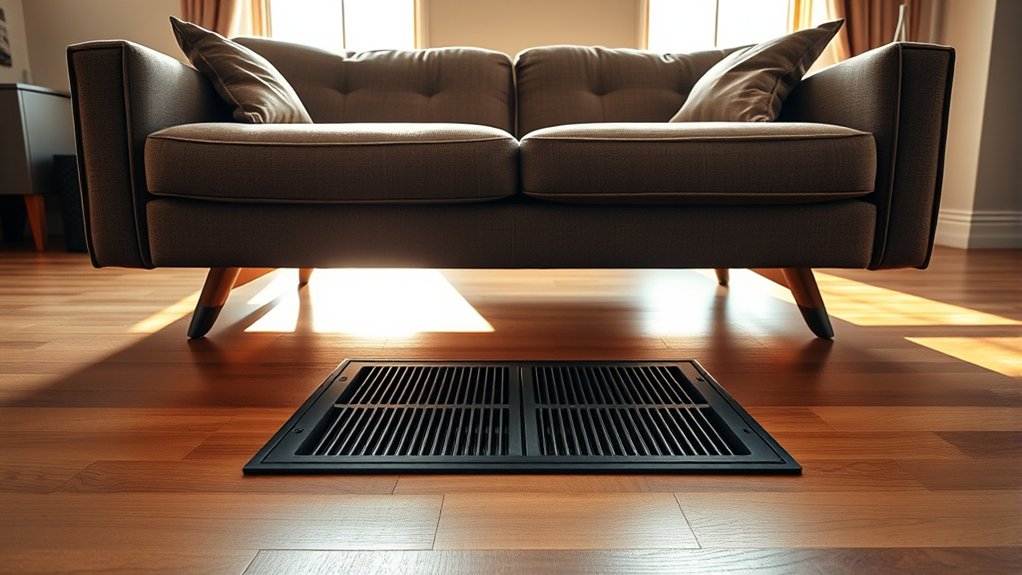
Placing a couch over a floor vent might seem like a simple way to arrange your space, but can you put a couch over a floor vent without causing issues? The answer is that it can create hidden complications for your HVAC system. When you block airflow, your heating and cooling efficiency drops, potentially causing uneven temperatures and increased energy costs.
Understanding the impact of this common setup can help you avoid unnecessary strain on your system and maintain comfort throughout your home. Let’s explore why this matters and what you can do instead.
Key Takeaways
- Placing a couch directly over a floor vent blocks airflow, reducing HVAC efficiency and causing uneven room temperature.
- Blocking vents forces the HVAC system to work harder, increasing energy consumption and wear on components.
- Covering vents can lead to soot buildup with gas furnaces and promote moisture accumulation, raising health risks.
- Keep furniture at least 12 to 18 inches away from vents to maintain proper air circulation and comfort.
- Use vent deflectors or reposition furniture to avoid obstructing vents while preserving room layout and airflow.
Is It Safe to Place a Couch Over a Floor Vent?

When considering whether it’s safe to place a couch over a floor vent, you need to understand how obstructing airflow affects your HVAC system’s efficiency and room temperature. During brainstorming safety measures, you’ll realize that blocking a vent creates ventilation tradeoffs.
The vent’s purpose is to distribute heated or cooled air evenly; covering it restricts this airflow, potentially causing uneven temperatures and increased system strain. While it might seem harmless, you must weigh the convenience of furniture placement against the potential reduction in ventilation effectiveness.
Ensuring safety involves assessing whether the couch’s position compromises air circulation or risks overheating the HVAC components. By carefully evaluating these factors, you can make an informed decision balancing comfort, system performance, and ventilation tradeoffs.
How Placing a Couch Over a Floor Vent Hurts HVAC
How exactly does placing a couch over a floor vent impact your HVAC system? When you block a vent, you create significant airflow disruption that forces your system to work harder. This compromises couch ventilation and reduces heating or cooling efficiency.
Your HVAC must compensate, increasing energy consumption and strain on components.
| Effect | Cause | Result |
|---|---|---|
| Reduced air circulation | Couch blocks vent opening | Uneven room temperature |
| Increased system load | Airflow disruption | Higher energy bills |
| Component wear | Overworking HVAC | Shortened equipment lifespan |
| Decreased comfort | Poor couch ventilation | Unpleasant indoor environment |
Problems From Covering Floor Vents With a Couch?
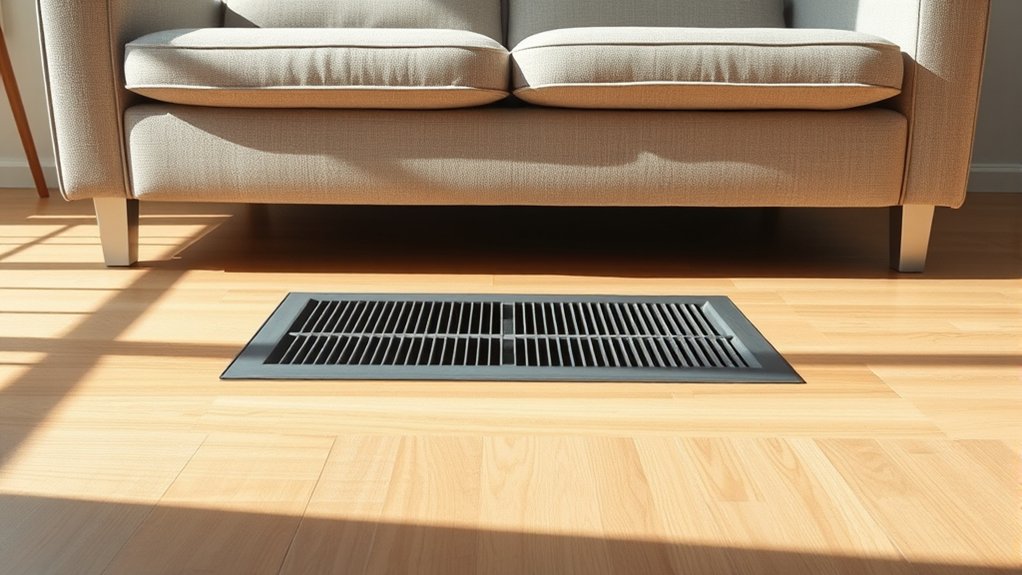
Blocking a floor vent with a couch creates several problems beyond just HVAC inefficiency. When you block airflow, the heating or cooling system has to work harder, increasing energy consumption and wear on components.
This restricted airflow can cause uneven room temperatures and reduce overall comfort. Additionally, the trapped air near the vent can lead to soot buildup, especially if you use a gas furnace.
Soot accumulation not only stains your flooring and furniture but also indicates incomplete combustion, which may pose health risks. Over time, blocked airflow can contribute to moisture buildup, potentially fostering mold growth under or around the couch.
To maintain system efficiency and indoor air quality, you should avoid obstructing vents and monitor areas prone to soot buildup carefully.
Furniture Placement Tips That Keep Floor Vents Clear
Where should you position furniture to ensure floor vents remain unobstructed and airflow stays optimum? Place cozy seating at least 12 to 18 inches away from floor vents to prevent blocking vent airflow. Avoid positioning couches or chairs directly over vents, as this restricts efficient heating or cooling distribution.
Instead, orient your furniture parallel or perpendicular to vent locations, allowing air to circulate freely. Use area rugs without dense padding around vents to maintain unobstructed airflow. For smaller rooms, consider floating furniture away from walls if vents are nearby.
Maintaining clear pathways around vents ensures your HVAC system operates efficiently, reducing energy consumption and maintaining consistent room temperatures. By strategically arranging your cozy seating with attention to vent placement, you optimize comfort without compromising your home’s ventilation system.
Alternatives to Placing a Couch Over Floor Vents
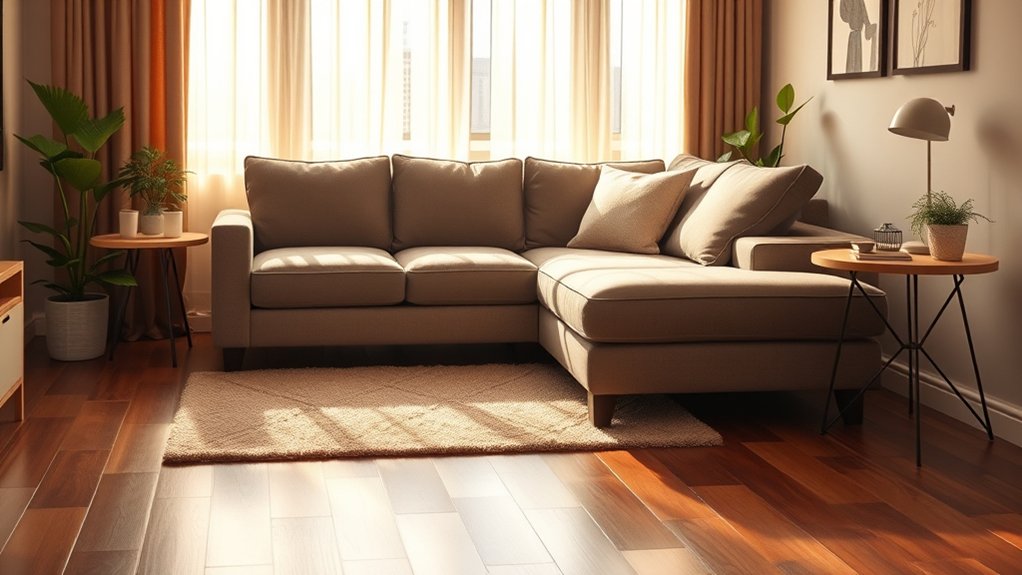
Why settle for placing a couch directly over a floor vent when several effective alternatives can preserve airflow and comfort? Instead of the unrelated topic of forcing furniture placement, consider strategic options that maintain proper ventilation without a random pairing of couch and vent.
You can:
- Reorient the couch parallel to or away from the vent to avoid blockage.
- Use vent deflectors or extenders to redirect airflow around the furniture.
- Opt for elevated furniture legs to allow air passage beneath the couch.
- Choose an area rug or smaller furniture pieces that don’t cover vents.
Each alternative ensures HVAC efficiency and room comfort, preventing the common issue of obstructed vents. By prioritizing these methods, you avoid compromising your heating or cooling system’s performance due to an ill-advised couch placement.
How to Boost Airflow When Your Couch Blocks a Vent
How can you maintain proper airflow when your couch covers a floor vent? Start by implementing vent deflectors, a practical two word discussion idea1 that redirects air around or under the furniture. Additionally, consider installing vent extender ducts, a two word discussion idea2 designed to channel airflow directly into the room despite obstruction.
Elevate the couch slightly using furniture risers to create space for air circulation. Regularly clean vents to prevent dust buildup that further restricts airflow. You can also use smaller, strategically placed fans to enhance air distribution in blocked areas.
These targeted solutions help maintain HVAC efficiency and room comfort without remodeling. By combining vent deflectors and extender ducts, you optimize airflow while preserving your room’s layout and your couch’s placement.
Frequently Asked Questions
Can Placing a Couch Over a Vent Cause Mold or Mildew?
Yes, placing a couch over a vent disrupts airflow, increasing moisture buildup and mold risks. You should avoid blocking vents to maintain proper ventilation and prevent mold or mildew caused by trapped humidity and poor air circulation.
Will a Floor Vent Under a Couch Affect My Energy Bill?
Think of your energy bill as a leaky faucet. Couch placement over a floor vent blocks airflow, forcing your system to work harder.
This floor vent impact raises costs and reduces efficiency, so avoid obstructing vents for savings.
Are There Specific Couch Materials Better Suited for Vent-Covered Areas?
You should choose breathable couch materials like leather or mesh fabric near vent placement to ensure airflow isn’t trapped. Avoid dense, non-porous fabrics that block vents, which can reduce heating or cooling efficiency and damage upholstery over time.
How Do Floor Vents Differ in Various Types of Flooring?
Flooring ventilation varies by material; hardwood allows airflow beneath, while carpet traps heat.
You’ll want to contemplate your furniture footprint, ensuring vents aren’t blocked to maintain efficient airflow and prevent overheating or moisture buildup.
Can I Use Vent Covers Designed Specifically for Furniture Placement?
Sure, you can’t just ignore vent furniture with couch placement in mind. Vent covers designed for furniture placement enhance airflow while supporting weight, ensuring your couch doesn’t block heat or cooling.
This keeps your HVAC system efficient and your comfort intact.
Conclusion
You might think placing your couch over a floor vent is a clever space-saver, but ironically, it’s a shortcut to discomfort and higher bills. Blocking vents forces your HVAC system to work harder, risking uneven temperatures and premature wear.
Instead, keep vents clear and let your airflow do its job efficiently. This simple step helps your system maintain balanced heating and cooling throughout your home.
After all, isn’t it smarter to let your system breathe than to smother it under your furniture? When considering can you put a couch over a floor vent, it’s best to avoid blocking it for optimal comfort and efficiency.