Are All Water Pump Pressure Switches the Same
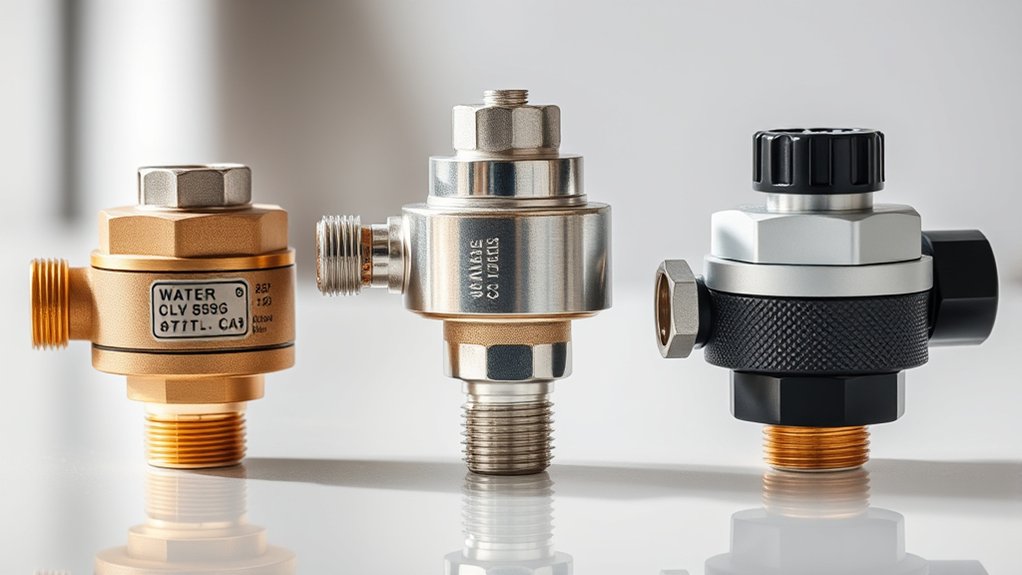
You might assume all water pump pressure switches are the same, but that’s far from the truth. Different types use varied mechanisms—mechanical or electronic—and each comes with specific pressure ranges, voltage requirements, and installation needs.
Choosing the wrong switch can lead to inefficiency or even damage. Understanding these distinctions is essential to selecting the right switch for your system—and avoiding costly mistakes.
Key Takeaways
- Water pump pressure switches vary by type: mechanical switches use springs and diaphragms, while electronic switches include sensors and digital controls.
- Pressure range, voltage, and current ratings must match the pump’s specifications for proper function and safety.
- Mechanical switches lack digital feedback and remote diagnostics, unlike electronic switches with programmable features.
- Differences in materials, design, and build quality affect durability, reliability, and warranty coverage.
- Installation and calibration requirements vary, with improper settings causing frequent cycling, pressure issues, and potential damage.
What Does a Water Pump Pressure Switch Do?
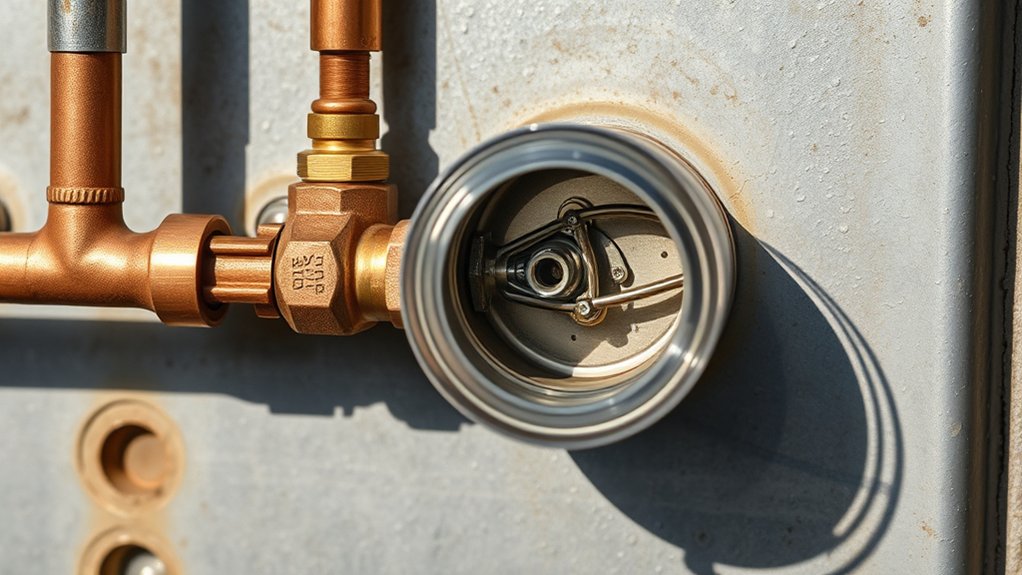
How does a water pump pressure switch control your system’s operation? It regulates the pump by sensing pressure changes and activating or deactivating the motor accordingly. This ensures pressure stability within your water system, preventing fluctuations that could damage components or reduce efficiency.
You’ll find that selecting a pressure switch with proper system compatibility is crucial; it must match your pump’s pressure range and electrical requirements. The switch acts as a safeguard, maintaining consistent water pressure by responding precisely to pressure variations.
Without it, your system risks over-pressurization or insufficient water flow. By integrating a well-calibrated pressure switch, you maintain operational control, optimize energy usage, and extend the lifespan of your water pump system.
How Pressure Switch Settings Affect Pump Performance
Why do pressure switch settings matter so much for your pump’s performance? Because they directly control the cut-in and cut-out pressure points, ensuring your pump operates within optimal parameters. If you set these thresholds too close, your pump will cycle excessively, reducing its lifespan.
Conversely, if the gap is too wide, you risk inconsistent water pressure and inefficient energy use. It’s important to focus solely on these settings rather than an irrelevant topic like unrelated concept comparisons, which don’t impact pump behavior.
Adjusting pressure settings precisely helps maintain system stability, prevents premature wear, and optimizes energy consumption. Ignoring these details can lead you to misattribute performance issues to unrelated factors, obscuring the real cause rooted in improper pressure switch calibration.
Different Types of Water Pump Pressure Switches
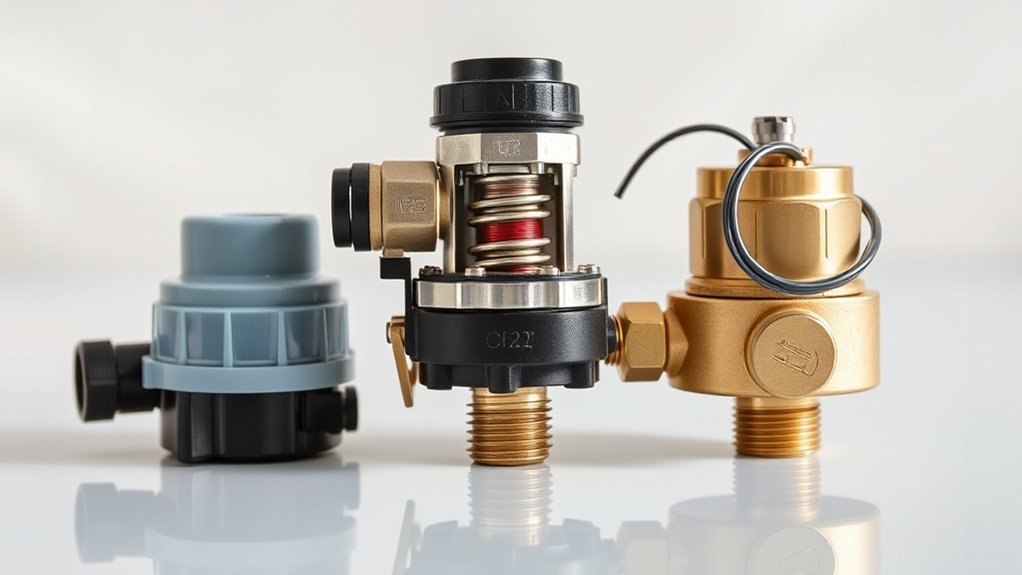
You’ll encounter two main types of water pump pressure switches: mechanical and electronic. Mechanical switches rely on physical components to detect pressure changes, while electronic switches use sensors and circuitry for more precise control.
Both types often feature adjustable pressure settings to tailor pump operation to your system’s specific needs.
Mechanical Pressure Switches
What distinguishes mechanical pressure switches from other types is their reliance on physical components to regulate water pump operation. You’ll find these switches use a diaphragm or piston linked to a spring and electrical contacts.
When water pressure changes, the diaphragm moves, compressing the spring and triggering the contacts to start or stop the pump. This design excludes non pump topics like microprocessors or irrelevant electronics, focusing purely on mechanical movement.
Mechanical switches offer durability and straightforward functionality but require precise calibration for accurate pressure thresholds. Unlike electronic alternatives, they don’t provide digital feedback or remote monitoring, limiting advanced diagnostics.
When selecting a mechanical pressure switch, consider its pressure range, reset and cut-in points, and compatibility with your pump system to ensure reliable performance without unnecessary complexity.
Electronic Pressure Switches
How do electronic pressure switches enhance water pump control compared to mechanical models? They offer precise pressure monitoring and rapid response without the wear of moving parts.
When you use an electronic pressure switch, consider these advantages:
- Integration with digital pressure gauge displays for accurate real-time readings.
- Enhanced electrical safety features that reduce the risk of shorts and overloads.
- Programmable control logic allowing adaptive pump operation based on system demands.
- Increased durability and reliability due to solid-state components eliminating mechanical failure points.
Adjustable Pressure Settings
Why choose an adjustable pressure setting on your water pump pressure switch? Because it allows you to tailor pump operation to specific environmental conditions and system requirements, enhancing efficiency and longevity.
As global climate patterns shift, water demands and pressures vary, making fixed settings less reliable. Adjustable switches let you optimize cut-in and cut-out pressures based on real-time data or anticipated fluctuations.
In marine biology applications, precise pressure control is critical for maintaining aquatic habitats in research tanks, where water circulation must mimic natural conditions. An adjustable pressure switch enables you to fine-tune performance, ensuring stable water flow despite external variables.
Compatibility Considerations When Choosing a Pressure Switch
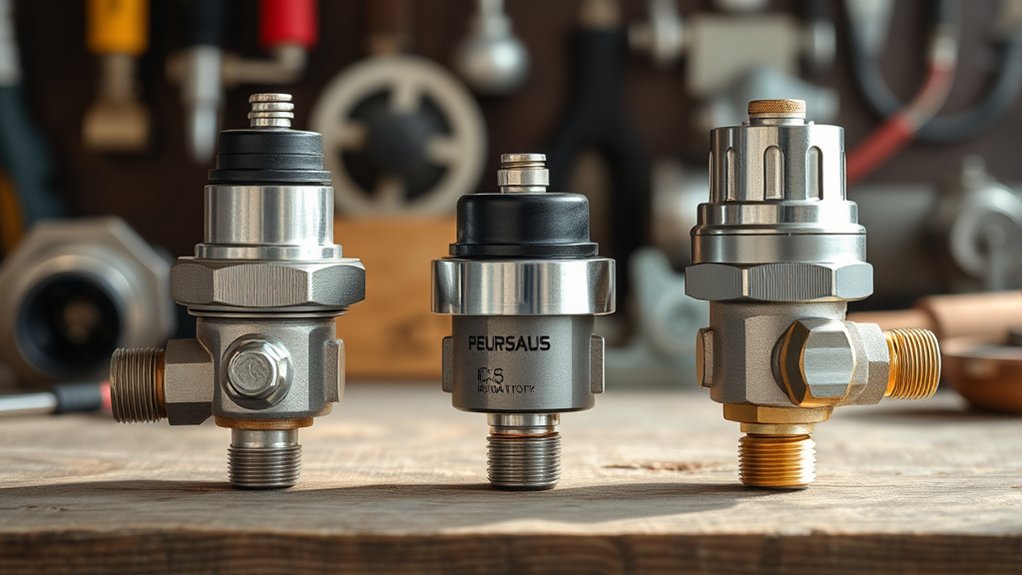
When selecting a water pump pressure switch, you must consider compatibility factors to ensure optimal performance and system safety. Overlooking these can lead to system failure or inefficiency. Avoid treating unrelated concepts, such as irrelevant topic discussions about unrelated electrical components, as part of your decision.
Focus on these key compatibility factors:
- Pressure Range Matching: Ensure the switch’s cut-in and cut-out pressures align with your pump’s operational parameters.
- Voltage and Current Ratings: Confirm the switch supports your system’s electrical load to prevent overload.
- Connection Type and Size: Verify the switch fits the existing pipe or tank fittings to avoid leaks.
- Environmental Suitability: Assess if the switch can withstand installation conditions, like moisture or temperature extremes.
Ignoring these leads to suboptimal function and potential damage.
Design Differences That Affect Switch Reliability
Although pressure switches may appear similar, their internal design variations critically influence reliability and lifespan. You need to understand how design implications dictate specific failure modes, impacting switch performance under varying conditions.
For example, contact material and spring tension directly affect mechanical wear and electrical arcing, common failure triggers.
| Design Element | Failure Mode Impact |
|---|---|
| Contact Material | Electrical arcing, pitting |
| Spring Tension | Inconsistent actuation point |
| Diaphragm Quality | Rupture, leaks |
| Housing Material | Corrosion, mechanical stress |
| Seal Type | Water ingress, short circuits |
Comparing Quality and Durability of Pressure Switches
You need to evaluate the material composition of pressure switches carefully, as it directly impacts their resistance to wear and corrosion. Understanding how these materials influence longevity helps you predict the switch’s performance over time.
Comparing these factors assures you select a switch that maintains consistent operation under your system’s demands.
Material Composition Differences
How does the material composition impact the performance and longevity of water pump pressure switches? Understanding the material anatomy reveals crucial manufacturing variance that directly affects switch reliability. You’ll notice differences in metal alloys, plastics, and sealants that influence durability under pressure.
Consider these factors:
- Metal quality: High-grade brass or stainless steel resists corrosion better than zinc alloys.
- Seal materials: Nitrile vs. EPDM seals affect resistance to temperature and chemical exposure.
- Housing construction: Reinforced polymers reduce cracking risk from mechanical stress.
- Contact components: Silver or gold plating enhances electrical conductivity and reduces wear.
Longevity and Performance
What determines the true longevity and performance of a water pump pressure switch? It hinges primarily on design considerations such as the quality of internal components, seal integrity, and pressure calibration accuracy.
A switch engineered with robust materials and tight tolerances resists wear and maintains consistent operation longer. Additionally, how manufacturers address warranty implications reveals confidence in durability; longer, comprehensive warranties often correlate with superior build quality.
When you select a pressure switch, scrutinize its design for features that mitigate mechanical fatigue and environmental stress. Don’t overlook warranty terms, as they can save you repair costs and indicate expected lifespan.
Ultimately, switches that blend precise engineering with strong warranty backing deliver more reliable, sustained performance, ensuring your water pump operates efficiently over time.
Signs You Need to Replace Your Pressure Switch
When should you consider replacing your water pump pressure switch? If you notice inconsistent pump cycling or pressure fluctuations, it’s time to investigate. Avoid relying on insufficient data or unrelated topics when diagnosing issues. Focus on measurable signs:
Consider replacing your water pump pressure switch if you notice inconsistent cycling or pressure fluctuations.
- Pump fails to start or stops unexpectedly, indicating switch contact wear or corrosion.
- Pressure cut-in/out settings drift significantly from factory specifications.
- Visible physical damage or corrosion on the switch housing or terminals.
- Frequent pump short-cycling causing excessive motor wear and energy waste.
Addressing these signs promptly ensures system reliability and prevents costly failures. Do not disregard symptoms as they may indicate internal switch malfunctions that can’t be corrected by calibration alone. Replacing a faulty pressure switch maintains optimal pump performance and system longevity.
Matching Pressure Switches to Your Pump System
Selecting the proper pressure switch hinges on understanding your pump system’s specific requirements and operating conditions. You need to evaluate pressure range, electrical ratings, and actuator sensitivity to ensure optimal performance.
Compatibility considerations extend to matching the switch’s pressure settings with your pump’s cut-in and cut-out pressures, avoiding system inefficiencies or damage. Additionally, confirm electrical compatibility to prevent circuit failures or safety hazards.
Overlooking these factors can result in installation mistakes, such as using a switch with incorrect pressure ratings or incompatible electrical specifications, which compromise system reliability. By precisely aligning the pressure switch’s technical parameters with your pump system, you maximize operational efficiency and longevity.
This analytical approach minimizes risks and ensures your pump system operates within designed parameters without premature failures.
How to Install a Water Pump Pressure Switch Correctly
How do you guarantee a water pump pressure switch functions reliably from the start? Follow a precise install procedure that prioritizes both mechanical integrity and electrical safety.
First, ensure the power supply is fully disconnected to prevent hazards. Second, mount the pressure switch securely on a stable section of the pump system to avoid vibration-induced errors.
Disconnect power completely and mount the pressure switch securely to prevent hazards and vibration errors.
Third, connect the plumbing using appropriate fittings, avoiding leaks that impair pressure sensing. Fourth, wire the switch according to manufacturer specifications, confirming all connections are tight and insulated.
Adhering strictly to these steps prevents premature failure and maintains accurate pressure regulation. This technical rigor ensures your pressure switch operates efficiently, extending pump life and safeguarding your system’s performance.
Common Installation Mistakes With Pressure Switches
You’ll often see issues arise from incorrect pressure settings that cause the pump to cycle improperly. Poor electrical connections can lead to unreliable switch performance and potential safety hazards.
Additionally, placing the switch in the wrong location affects its ability to accurately sense system pressure, compromising overall operation.
Incorrect Pressure Setting
Why does an incorrect pressure setting cause frequent pump cycling or inadequate water pressure? When you set the pressure switch improperly, the pump either runs too often or fails to maintain sufficient pressure, leading to inefficiency and wear.
Here are four key reasons related to incorrect pressure settings:
- Narrow Cut-in/ Cut-out Range: Too small a differential causes rapid on/off cycles.
- Excessive Cut-in Pressure: The pump struggles to start, resulting in low water pressure.
- Insufficient Cut-out Pressure: The pump shuts off prematurely, causing pressure drops.
- Mismatched System Requirements: Pressure settings not aligned with system demand cause instability.
Poor Electrical Connections
Incorrect pressure settings can cause the pump to cycle improperly, but even a perfectly calibrated switch won’t function correctly if the electrical connections are faulty. Poor connections or loose contacts increase resistance, leading to voltage drops that can prevent the switch from activating the pump reliably.
You must ensure all terminals are clean, tight, and corrosion-free to maintain consistent conductivity. Neglecting this step risks intermittent operation or complete failure.
| Issue | Effect |
|---|---|
| Loose contacts | Intermittent signal, pump cycling errors |
| Corroded terminals | Increased resistance, voltage drop |
| Poor connections | Risk of electrical arcing and failure |
Maintaining robust electrical connections is critical to pressure switch performance and pump longevity.
Improper Switch Placement
Where you position the pressure switch directly impacts its accuracy and reliability. Improper placement or wrong mounting often leads to erratic pressure readings and premature switch failure. To avoid these issues, consider the following:
- Mount the switch close to the pump outlet to minimize pressure drop.
- Avoid mounting the switch on vibrating pipes or unstable surfaces.
- Ensure the switch is installed upright or per manufacturer instructions to maintain proper diaphragm operation.
- Prevent exposure to moisture or corrosive elements by selecting an appropriate location.
Frequently Asked Questions
Can a Pressure Switch Be Used With Solar-Powered Water Pumps?
Yes, you can use a pressure switch with solar-powered pumps, but ensure solar pump compatibility and proper electrical isolation. This prevents damage and guarantees reliable operation by matching the switch’s specifications to the pump’s electrical requirements.
How Often Should I Test My Pressure Switch for Accuracy?
You should perform testing accuracy checks on your pressure switch every six months to ensure optimal performance.
Adhering to calibration intervals prevents system failures and maintains precise pressure control, especially in critical water pump applications.
Are Pressure Switches Affected by Water Quality or Mineral Content?
Yes, pressure switches can be affected by pressure contamination and mineral scaling from poor water quality. These factors cause mechanical wear and inaccurate readings.
You should monitor and clean switches regularly to maintain precise operation.
Can a Pressure Switch Be Repaired if It Malfunctions?
You can repair a malfunctioning pressure switch by exploring repair options like cleaning contacts or replacing diaphragms. Use calibration methods such as adjusting tension springs to restore accurate pressure settings and ensure optimal pump performance.
Do Pressure Switches Require Any Special Maintenance Tools?
To get your ducks in a row, you don’t need special maintenance tools for pressure switches, but precise adjustment procedures and strict calibration protocols require standard instruments like multimeters and pressure gauges.
These tools ensure accurate performance and safety.
Conclusion
Not all water pump pressure switches are the same—choosing the right one can improve your system’s efficiency and longevity. Did you know that nearly 30% of pump failures stem from improper pressure switch selection or installation?
Understanding the differences in design, compatibility, and settings helps you avoid costly damage and cycling issues. Always match your switch precisely to your pump’s specifications and install it correctly.
By paying close attention to these factors, you ensure optimal performance and reliability. In conclusion, selecting the correct water pump pressure switch is essential for maintaining a durable and efficient pump system.