Can a Dirty Shower Head Cause Hair Loss
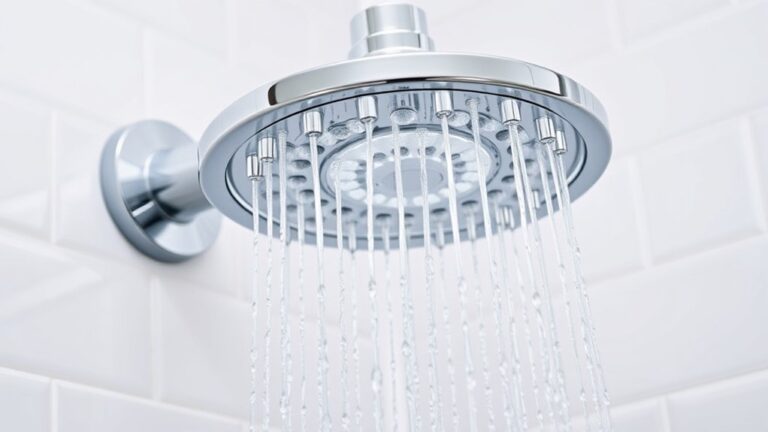
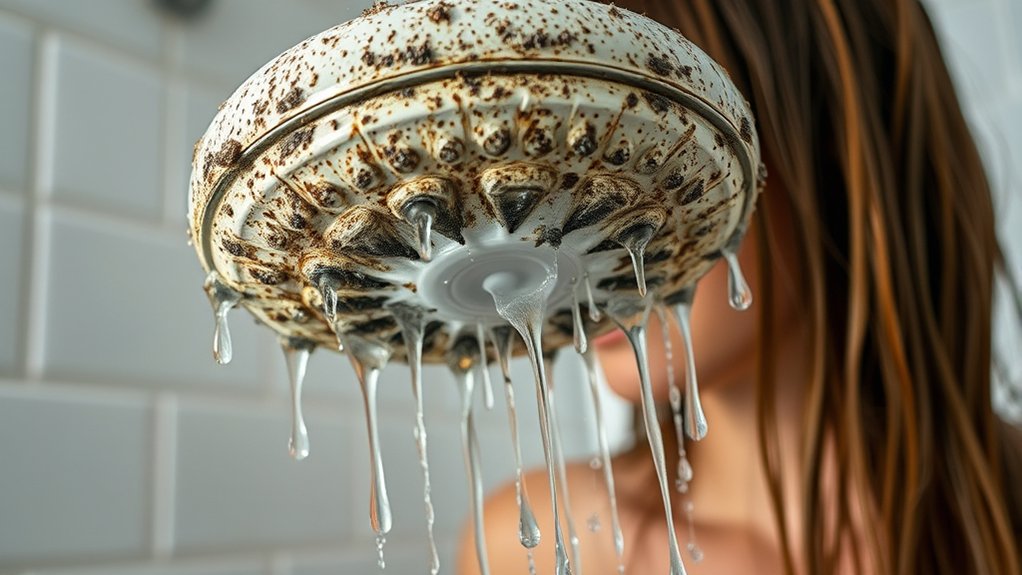
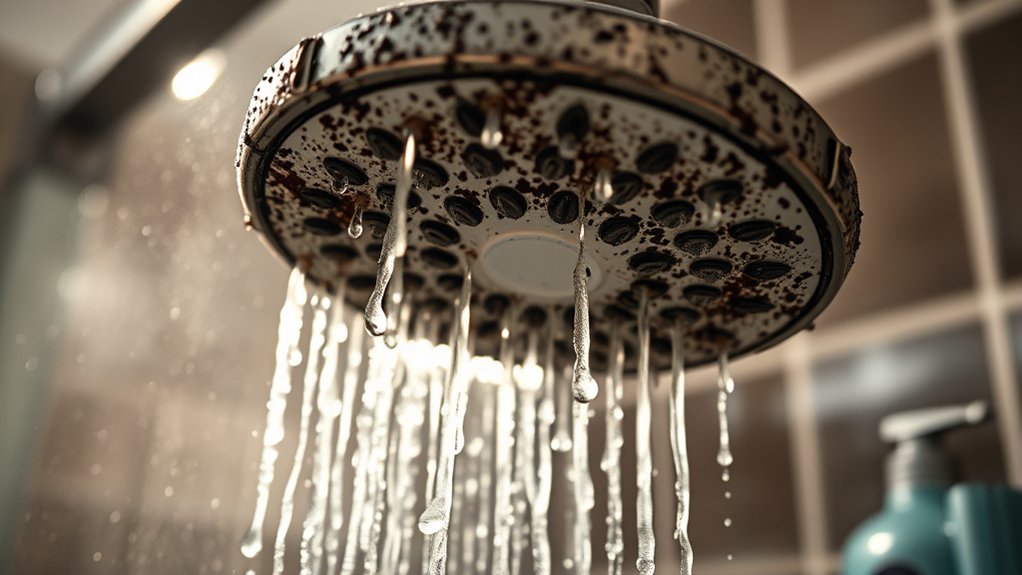
If you’ve noticed increased scalp irritation after showers, a dirty shower head might be causing the problem. Mineral buildup and bacterial biofilm can accumulate on the shower head and clog your scalp’s pores. This creates an unhealthy environment that may contribute to hair shedding.
While a dirty shower head doesn’t cause permanent hair loss, it’s important to understand how these factors affect your scalp health. Let’s explore how the condition of your shower head could influence your hair and what steps you can take to improve it.
Key Takeaways
- A dirty shower head releases water with mineral deposits and bacteria that can irritate the scalp and weaken hair follicles.
- Scalp irritation from contaminated water can disrupt the environment needed for healthy hair growth, causing increased hair shedding.
- Bacteria and mineral buildup on the shower head clog scalp pores and may lead to inflammation or infection.
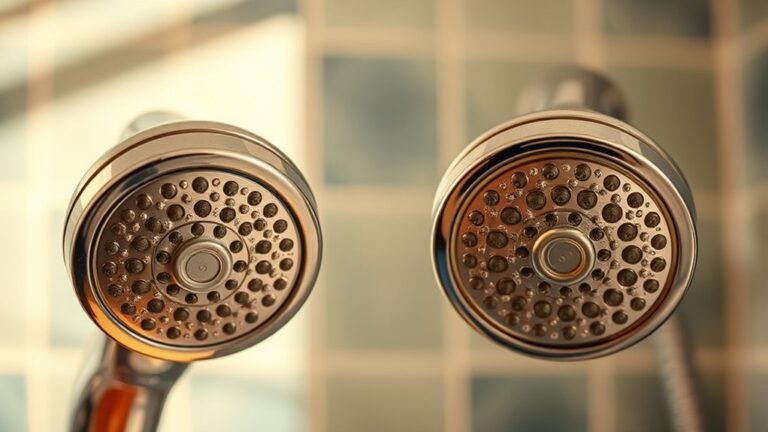
- Visible grime, discoloration, or blockage on the shower head can indicate contamination affecting scalp health.
- Regular cleaning of the shower head reduces exposure to contaminants and helps maintain a healthier scalp and hair retention.
Can a Dirty Shower Head Cause Hair Loss?
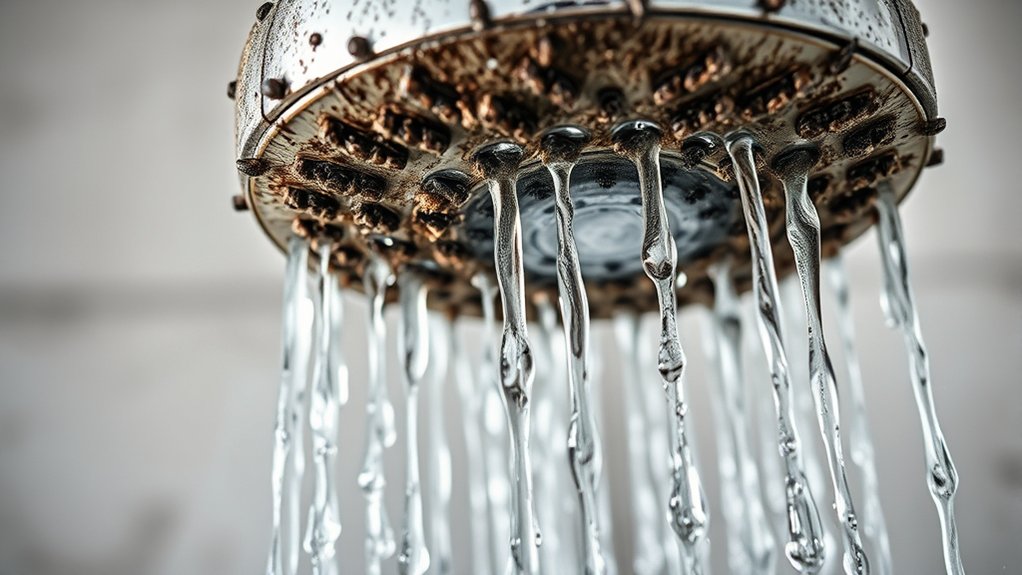
How exactly can a dirty shower head affect your hair health? When your shower head accumulates mineral deposits and biofilm, it releases dirty water containing impurities each time you wash your hair. This contaminated water can irritate your scalp, disrupting the natural environment necessary for healthy hair growth.
Although dirty water itself doesn’t directly cause permanent hair loss, it can contribute to increased hair shedding by weakening hair follicles and causing scalp dryness or inflammation. Over time, this can lead to noticeable thinning.
To minimize hair shedding linked to dirty shower heads, you should regularly clean or replace your shower head to ensure clean water flow. This simple step helps maintain scalp health and supports stronger, healthier hair.
How a Dirty Shower Head Harbors Bacteria and Harms Your Scalp
Why does a dirty shower head become a breeding ground for bacteria that can harm your scalp? Moisture and mineral deposits create an ideal environment for bacterial growth. When you use assorted shampoo and perform a scalp massage, these bacteria can transfer to your skin, potentially causing irritation or infection. Understanding the interaction between bacteria and scalp health is crucial.
| Factor | Effect on Scalp | Prevention Tip |
|---|---|---|
| Mineral buildup | Clogs pores | Regular cleaning |
| Water stagnation | Bacterial growth | Flush shower head |
| Residual shampoo | Feeds bacteria | Rinse thoroughly |
| Scalp massage | Spreads bacteria | Use clean tools |
Maintaining a clean shower head helps protect your scalp from harmful bacteria and supports overall hair health.
Signs Your Dirty Shower Head Might Be Causing Hair Loss
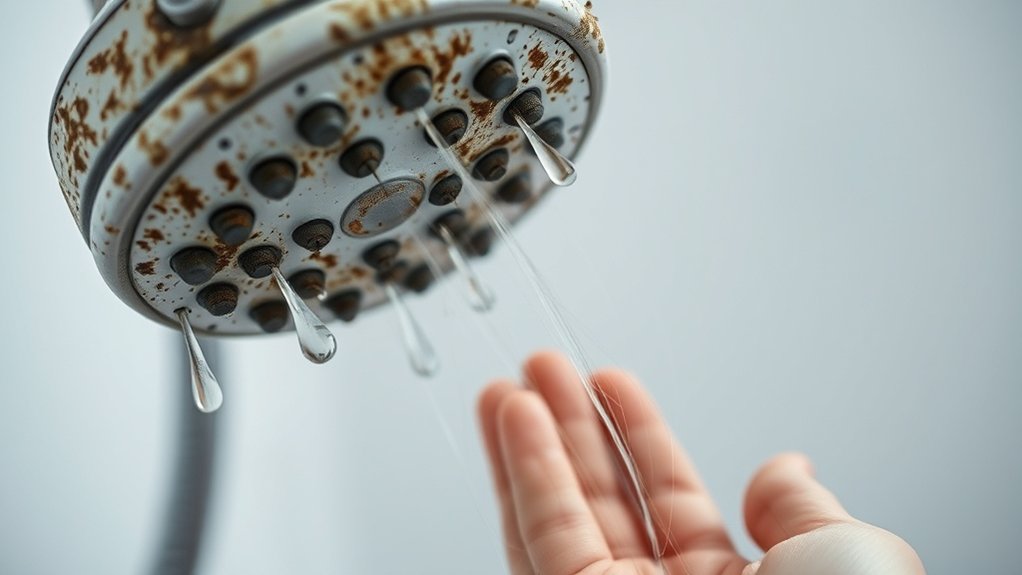
When should you start worrying that your dirty shower head might be contributing to hair loss? If you notice increased scalp irritation, persistent dandruff, or unusual hair shedding after showers, these could be signs linked to bacterial buildup on your shower head.
Scientific evidence suggests that contaminants like bacteria and mold can inflame your scalp, disrupting healthy hair follicles. It’s crucial to prioritize cleanliness priorities beyond common shower head myths that dismiss these risks.
For instance, not all discoloration or mineral deposits are harmless; some harbor pathogens affecting scalp health. Pay attention if hair loss coincides with these symptoms and your shower head shows visible grime or blockage.
Recognizing these signs early helps you address a potential cause of hair loss effectively.
How to Clean Your Shower Head for Healthier Hair
What steps can you take to ensure your shower head supports a healthy scalp and hair growth? Prioritize shower head hygiene by cleaning it regularly. Mineral deposits and bacteria accumulate over time, potentially affecting water quality and scalp health.
Start by removing the shower head and soaking it in a solution of equal parts white vinegar and water for an hour. This dissolves buildup effectively. Use a soft brush to scrub nozzles gently, clearing any remaining debris. Rinse thoroughly before reattaching.
Incorporate this cleaning into your hair maintenance routine every 1-2 months, depending on water hardness. Maintaining a clean shower head reduces exposure to contaminants that could irritate your scalp or clog hair follicles, supporting healthier hair growth and scalp condition over time.
How to Maintain a Shower Routine That Prevents Hair Loss
How often you wash your hair and the products you use during your shower routine can notably influence hair health and retention. Adopting effective cleanliness routines and exploring rinse alternatives help minimize scalp irritation and buildup, which contribute to hair loss.
Avoid harsh shampoos and limit washing to two or three times weekly. Incorporate gentle, sulfate-free formulas and cool water rinses to preserve natural oils and strengthen follicles.
| Routine Step | Emotional Impact | Result |
|---|---|---|
| Regular cleaning | Relief & confidence | Healthier scalp |
| Gentle shampooing | Comfort & care | Reduced irritation |
| Cool water rinse | Refreshment & calm | Stronger hair shafts |
| Avoid over-washing | Peace of mind | Balanced scalp oils |
| Use rinse alternatives | Empowerment | Improved hair retention |
Frequently Asked Questions
Can Water Temperature Affect Hair Loss From Showering?
You shouldn’t use water hotter than 130°F, as 60% of people report scalp irritation from hot showers.
Dirty water and mineral buildup worsen this, weakening hair follicles and potentially increasing hair loss risk over time.
Does Hard Water Contribute to Hair Thinning?
Yes, hard water can contribute to hair thinning by leaving mineral deposits that weaken hair strands.
Don’t confuse this with unrelated topics or off topic discussion; focusing on water quality is key for healthy hair maintenance.
Are Certain Shower Head Materials Better for Scalp Health?
You wouldn’t want a rusty knight’s armor on your scalp; similarly, shower heads made of stainless steel or chrome resist mineral buildup and dirty water better. This promotes healthier scalp conditions by reducing contaminants that may irritate or clog pores.
Can Using Shampoo Filters Reduce Hair Loss?
Yes, using shampoo filters can reduce hair loss by preventing dirty water and shampoo residue from irritating your scalp. This helps maintain scalp health, reducing inflammation and potential hair follicle damage caused by contaminants.
How Often Should You Replace Your Shower Head?
You should replace your shower head every 6 to 12 months, like changing a worn-out tire. Buildup reduces water pressure, impacting cleaning effectiveness and potentially causing skin irritation.
Regular replacement ensures optimal hygiene and performance.