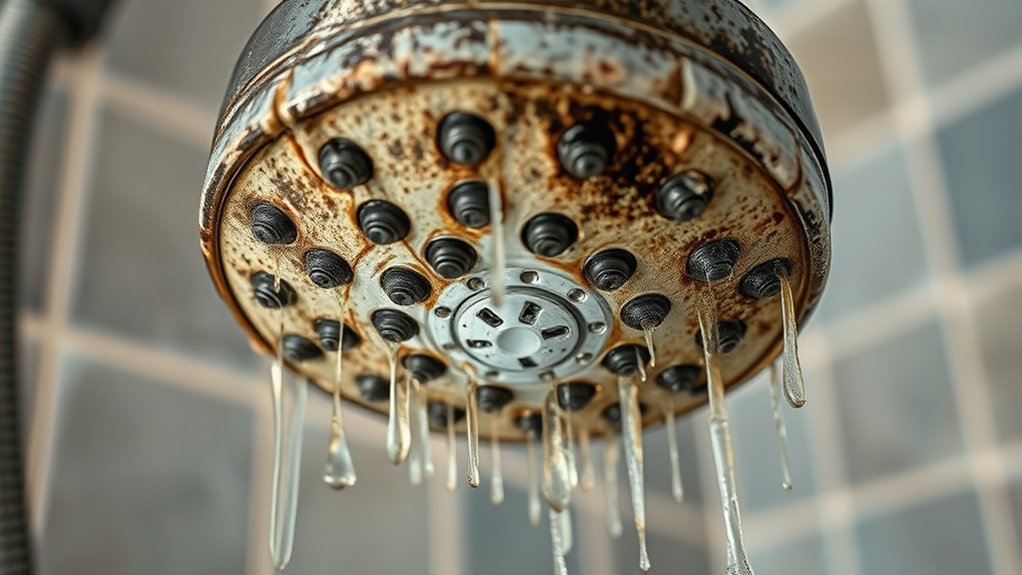
Can a Dirty Shower Head Cause Itching
You might not realize that a dirty shower head can directly cause skin itching.
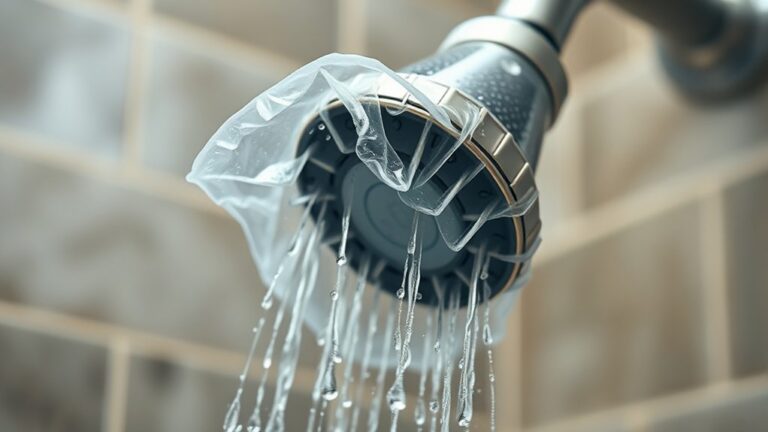
The grime inside your shower head often harbors bacteria, mold, and mineral deposits that build up over time.
These create biofilms which transfer irritants to your skin during showers.
These contaminants can trigger allergic reactions or dermatitis, especially in sensitive areas.
Understanding how these buildups affect your skin is essential before you dismiss itching as something else entirely.
Key Takeaways
- Bacteria and microorganisms on dirty shower heads can transfer to skin, causing itching and irritation.
- Mineral and biofilm buildup roughen surfaces, increasing skin contact irritation and allergic reactions.
- Altered water flow from clogged shower heads raises contamination risk and skin exposure to irritants.
- Bacterial substances disrupt the skin’s natural barrier, triggering inflammation and itching after showering.
- Visible grime or discoloration on the shower head often correlates with skin redness and itching.
Why a Dirty Shower Head Causes Skin Itching
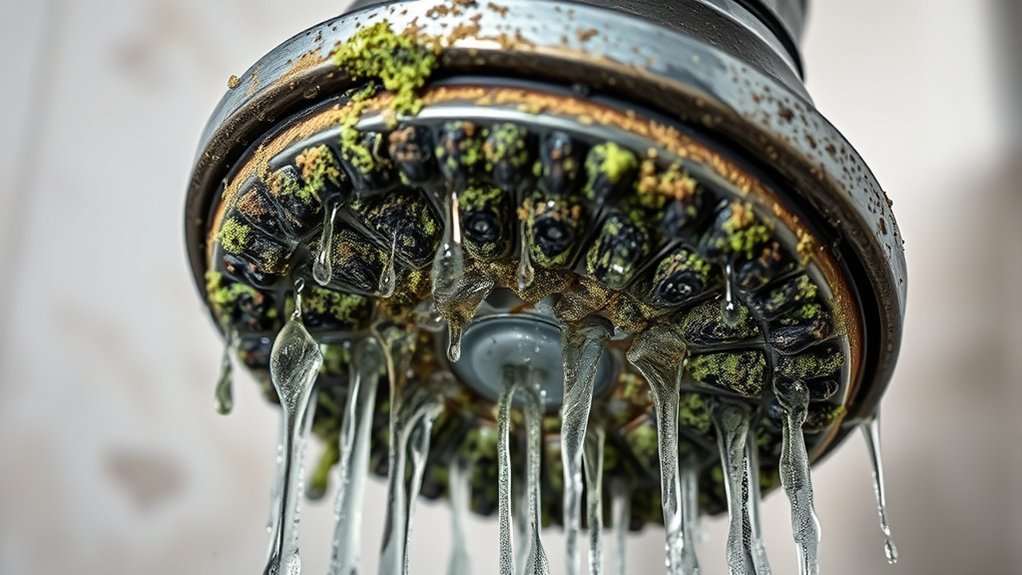
How exactly does a dirty shower head lead to skin itching? When you use a shower head with bacteria growth, these microorganisms can transfer to your skin during showers, potentially causing irritation or allergic reactions.
Additionally, mineral buildup inside the shower head creates an uneven surface where bacteria thrive, increasing contamination risks. This buildup can also alter water flow, leading to inconsistent water pressure that may aggravate sensitive skin.
As bacteria proliferate in these conditions, they release substances that disrupt your skin’s natural barrier, triggering itching. You might not notice this immediately, but continued exposure to bacteria-laden water results in persistent discomfort.
Regular cleaning prevents both bacteria growth and mineral buildup, reducing the risk of skin irritation and maintaining healthier skin during your showers.
Buildup Types That Irritate Your Skin: And Why
Why do different types of buildup in your shower head cause skin irritation? Various accumulations such as mineral deposits, bacterial biofilms, and mold can develop inside your shower head.
Mineral buildup, primarily calcium and magnesium, creates rough surfaces that increase mechanical irritation during skin contact. Bacterial biofilms consist of colonies that secrete substances potentially triggering immune responses, resulting in inflammation and itching.
Mineral deposits roughen surfaces, while bacterial biofilms release irritants that trigger inflammation and itching.
Mold and fungal growth produce spores and allergens that exacerbate skin sensitivity. Each buildup type alters water flow and quality, amplifying skin exposure to irritants.
Buildup irritation occurs because these substances directly contact your skin during showers, disrupting the skin’s protective barrier and provoking discomfort. Understanding these distinct buildup types helps you recognize why maintaining a clean shower head is crucial for preventing skin irritation.
How to Spot If Your Shower Head Is Causing Skin Problems
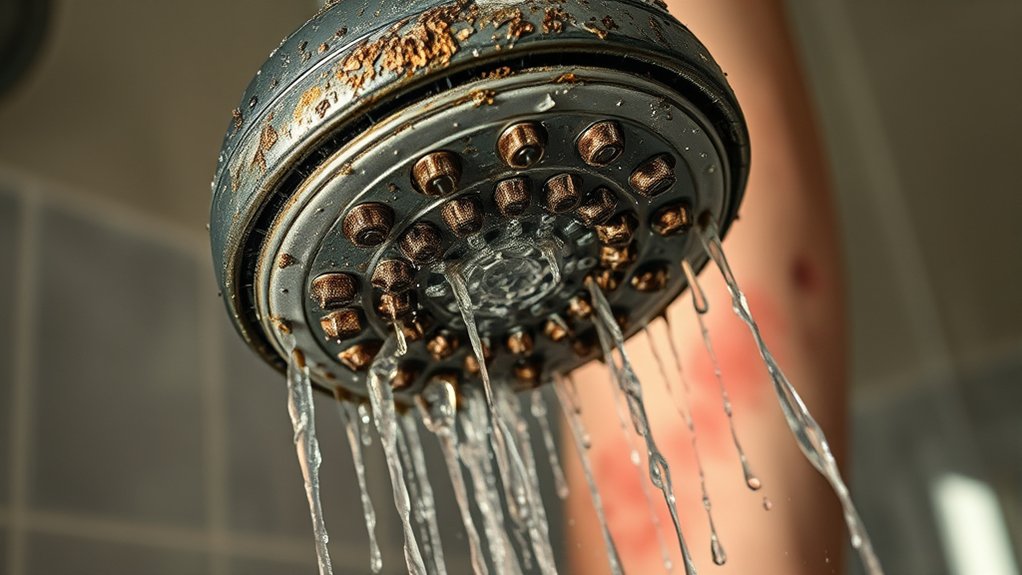
Can your shower head be the hidden cause of your skin discomfort? Spotting skin reactions linked to shower head grime requires careful observation. If you notice redness, itching, or rash developing shortly after showering, consider the possibility that your shower head harbors bacteria or mold.
Examine your skin for patterns. Are irritations concentrated on areas exposed directly to water flow? Shower head grime often contains biofilms that can trigger allergic or irritant contact dermatitis.
Additionally, if symptoms improve when you avoid showering or use filtered water, this correlation strengthens. To pinpoint the source, inspect the shower head for visible deposits, discoloration, or buildup.
How to Clean and Prevent Shower Head Grime
Identifying that your shower head may be contributing to skin irritation highlights the importance of maintaining its cleanliness. Effective cleaning techniques remove mineral deposits and biofilm that harbor bacteria causing itching. You can prevent grime buildup by adopting simple preventive measures.
| Step | Action |
|---|---|
| 1. Detach | Remove shower head carefully |
| 2. Soak | Submerge in vinegar for 1 hour |
| 3. Scrub | Use a soft brush on nozzles |
| 4. Rinse | Flush thoroughly with warm water |
| 5. Reattach & Test | Reinstall and check water flow |
Regularly repeating these cleaning techniques, combined with using water softeners and wiping the head dry, effectively prevents grime accumulation. This routine supports skin health by reducing exposure to irritants.
When to Replace a Shower Head for Skin Health
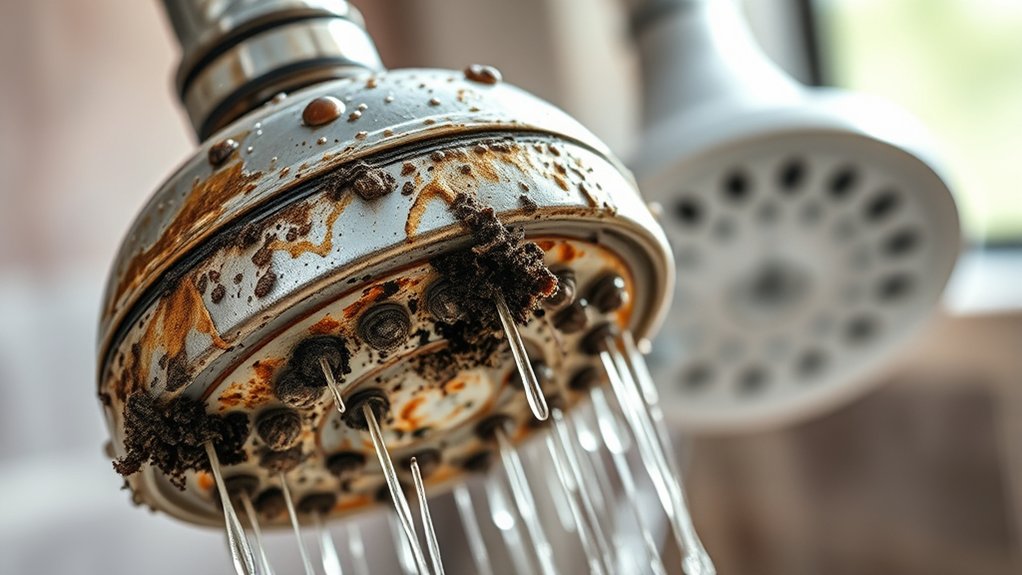
How do you know when it’s time to replace your shower head to protect your skin health? Dirty water buildup and mineral deposits can harbor bacteria, increasing the risk of skin irritation.
Monitor your shower head regularly, and consider replacement if you notice:
- Persistent discoloration or visible grime that resists cleaning.
- Reduced water pressure or uneven spray patterns indicating internal clogging.
- Recurring skin irritation or itching after showers, despite proper hygiene.
- Corrosion, cracks, or damage compromising water quality.
Replacing your shower head promptly prevents exposure to contaminants that exacerbate skin conditions. Choose models with antimicrobial features or easy-to-clean designs to minimize dirty water accumulation.
Maintaining clean, functional shower heads is essential for preventing skin irritation and safeguarding overall skin health.
Frequently Asked Questions
Can a Dirty Shower Head Spread Infections?
Yes, a dirty shower head can spread infections through bad水, causing itching and irritation. You should clean it regularly to prevent bacterial buildup and reduce risks of skin infections linked to contaminated water and biofilm growth.
Does Water Temperature Affect Skin Irritation From Shower Heads?
Yes, hot water can worsen skin irritation by stripping natural oils, while mineral buildup in shower heads may alter water flow and temperature.
You should regulate water temperature and clean shower heads regularly to minimize irritation risks.
Are Certain Shower Head Materials Less Likely to Cause Itching?
Yes, shower head materials like stainless steel and high-grade plastics reduce itching likelihood by minimizing bacterial buildup and corrosion.
You should avoid materials prone to rust or mold, as they increase skin irritation risks during use.
Can Hard Water Worsen Shower Head Grime-Related Skin Issues?
If you live in a hard water area, like a study in Arizona showed, you’ll find mineral buildup worsens grime on shower heads. This buildup can increase skin irritation risks, so regular cleaning is essential to prevent discomfort.
Is Itching From Shower Heads Linked to Allergies?
You shouldn’t assume itching from shower heads directly links to allergies; many allergy myths and itchy myths circulate.
Often, irritation stems from bacteria or mold buildup, not true allergic reactions, so precise identification matters for effective treatment.