Are Acrylic Shower Walls Good
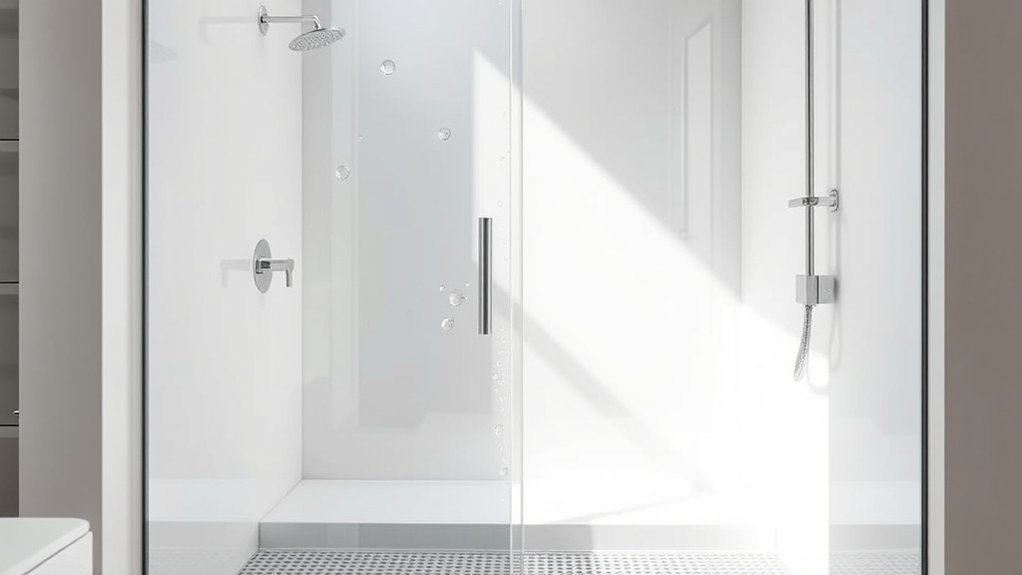
If you’re considering acrylic shower walls, they are worth your attention for their sleek, seamless look and easy upkeep. Acrylic’s non-porous surface resists mold and stains, making maintenance straightforward. Plus, acrylic panels install quickly, saving you time and labor.
But how does their durability and cost compare to other materials? And what potential drawbacks should you weigh before making a decision? Understanding these factors can help you choose the right fit for your bathroom.
Key Takeaways
- Acrylic shower walls are lightweight, moisture-resistant, and easy to install, making them ideal for bathroom renovations.
- They provide a seamless, modern look that mimics tile or stone while requiring minimal maintenance.
- Acrylic surfaces resist mold, mildew, and stains, needing only mild soap and water for cleaning.
- Although more prone to scratches than tile, acrylic offers good durability and flexibility to prevent cracks.
- Acrylic walls are a cost-effective, budget-friendly option with fast installation and long-term value.
What Are Acrylic Shower Walls Made Of?
What exactly are acrylic shower walls made of? They’re crafted from a type of plastic known as acrylic resin, which is formed into sheets through a process called thermoforming. This makes the concept viable for bathroom use because acrylic is non-porous, resistant to mold, and easy to clean.
When you consider installation aesthetics, acrylic panels offer a sleek, seamless look that can mimic the appearance of tile or stone without grout lines. You’ll appreciate how these walls fit snugly, allowing for a smooth finish that enhances the overall bathroom design.
Acrylic’s lightweight nature also simplifies installation, reducing labor time and costs, which makes it a practical choice if you want an attractive, functional shower space without extensive remodeling or maintenance hassles.
How Durable Are Acrylic Shower Walls Compared To Other Materials?
You’ll find acrylic shower walls offer good resistance to scratches and stand up well to impacts without cracking easily.
Compared to materials like tile or fiberglass, acrylic tends to last longer with less wear and tear over time. Understanding these durability factors helps you choose the best option for your bathroom’s needs.
Scratch Resistance Levels
How well do acrylic shower walls hold up against scratches compared to other materials? Acrylic is generally more prone to scratching than tile or glass, so you’ll need to be careful with abrasive cleaners or sharp objects. However, many acrylic panels come with scratch-resistant coatings that improve durability significantly.
Unlike some design flaws found in cheaper options, high-quality acrylic provides a smooth surface that resists minor scratches well. You’ll also find that acrylic’s wide range of color options won’t fade easily, even if the surface gets a few scratches.
To maintain their appearance, use gentle cleaning tools and avoid harsh scrubbing. Overall, acrylic offers decent scratch resistance, balancing aesthetics and practicality better than many alternatives, though it’s not completely impervious to wear.
Impact And Crack Strength
While acrylic shower walls handle minor scratches reasonably well, their strength against impact and cracking plays a bigger role in long-term durability. Acrylic offers moderate impact strength, resisting dents better than ceramic but less than fiberglass. Its flexibility reduces crack risk under normal use, but heavy impacts can cause damage.
Compared to other materials, acrylic balances durability and repairability effectively.
| Material | Impact Strength | Crack Risk |
|---|---|---|
| Acrylic | Moderate | Low to Moderate |
| Fiberglass | High | Low |
| Ceramic Tile | Low | High |
| Solid Surface | High | Very Low |
You’ll find acrylic’s resilience suitable for typical bathroom wear, but be mindful of strong impacts to avoid cracks.
Longevity Compared To Alternatives
When considering durability, acrylic shower walls hold up well compared to other common materials, but their lifespan varies based on usage and maintenance. You’ll find acrylic offers a balance between toughness and ease of repair, making it a practical choice. Here’s how acrylic stacks up against alternatives:
Fiberglass tends to yellow and crack faster under heavy use. Tile is extremely durable but requires more upkeep to avoid grout damage. Solid surface materials resist stains and scratches but cost more upfront. Acrylic alternatives generally offer lighter weight and easier installation, also usable in non shower applications like wall panels or tub surrounds.
With proper care, acrylic can last 10-15 years, making it a solid option if you want durability without sacrificing convenience.
How Easy Are Acrylic Shower Walls To Clean And Maintain?
Cleaning and maintaining acrylic shower walls is surprisingly straightforward, making them a popular choice for many homeowners. Despite some cleaning myths, acrylic resists mold and mildew better than porous materials. You don’t need harsh chemicals; mild soap and water usually do the trick.
Maintenance myths suggest acrylic scratches easily, but with proper care, it stays smooth for years.
| Feature | Acrylic Shower Walls |
|---|---|
| Cleaning Ease | Wipe with mild soap, no abrasives |
| Maintenance | Avoid sharp tools to prevent scratches |
| Stain Resistance | Resists stains; clean spills promptly |
How Much Do Acrylic Shower Walls Cost Compared To Other Materials?
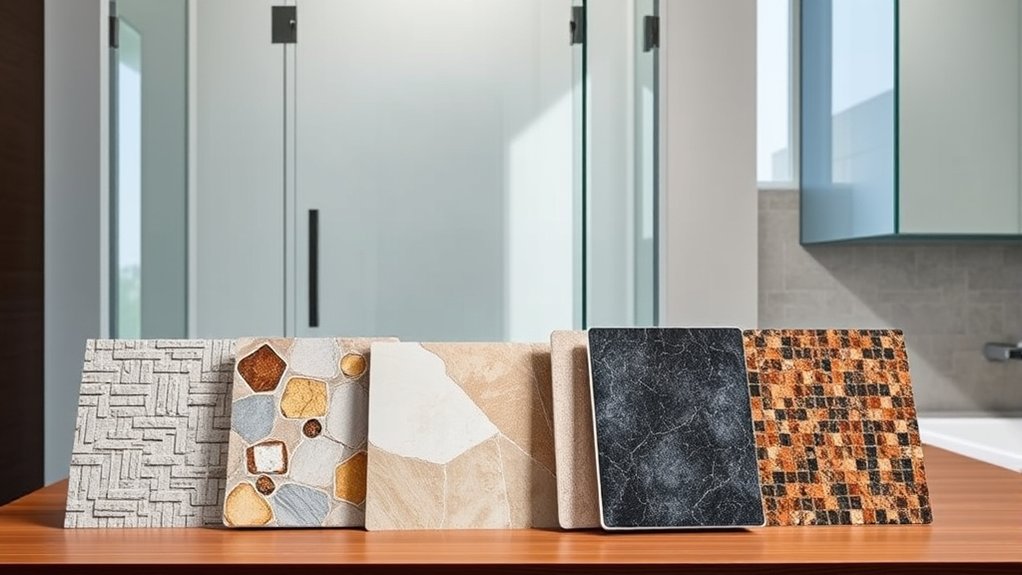
You’ll find that acrylic shower walls typically cost less than tile, making them a budget-friendly option. The price difference comes down to material costs, installation time, and labor involved.
Understanding these factors helps you weigh acrylic against other materials for your bathroom upgrade.
Acrylic Vs Tile Pricing
How much should you expect to spend on acrylic shower walls compared to tile? When you look at a cost comparison, acrylic generally costs less upfront and saves you time on installation. Tile, while offering a classic look, often requires more labor and materials, driving up the price.
Consider these points:
- Acrylic shower walls typically range from $300 to $1,000 for materials and installation.
- Tile installations usually start around $1,000 and can exceed $3,000 depending on tile choice and labor.
- Acrylic’s installation timing is faster, often completed within a day or two.
- Tile installation can take several days due to preparation, setting, and grout drying.
Choosing acrylic means saving money and time without sacrificing durability.
Cost Factors Breakdown
Comparing the costs of acrylic shower walls to other materials involves looking beyond just the price tag to factors like installation complexity, durability, and maintenance. Acrylic typically offers a lower upfront cost than tile or natural stone, making it appealing if you want a budget-friendly option.
However, when you factor in ease of installation, often quicker with acrylic, you save on labor costs too. In a cost comparison, acrylic’s resistance to chipping and staining reduces long-term maintenance expenses.
Plus, acrylic aligns well with current design trends, offering sleek, customizable finishes without breaking the bank. While premium materials might offer unique aesthetics, acrylic balances affordability and style, making it a practical choice for your bathroom upgrade.
What Are Common Drawbacks Of Acrylic Shower Walls?
What should you consider before choosing acrylic shower walls? While they offer many benefits, acrylic walls come with durability tradeoffs and specific maintenance priorities.
You’ll want to weigh these drawbacks carefully:
- Scratch susceptibility: Acrylic can scratch more easily than tile or glass, requiring gentle cleaning.
- Fading and discoloration: Prolonged sun exposure may cause yellowing or fading over time.
- Less impact resistance: Acrylic is more prone to cracking or chipping if hit hard.
- Seam visibility: Joints between panels can be noticeable, affecting the overall look.
Understanding these limitations helps you set realistic expectations and plan proper upkeep to extend your acrylic shower walls’ lifespan.
Do Acrylic Shower Walls Fit Well In Modern Bathrooms?
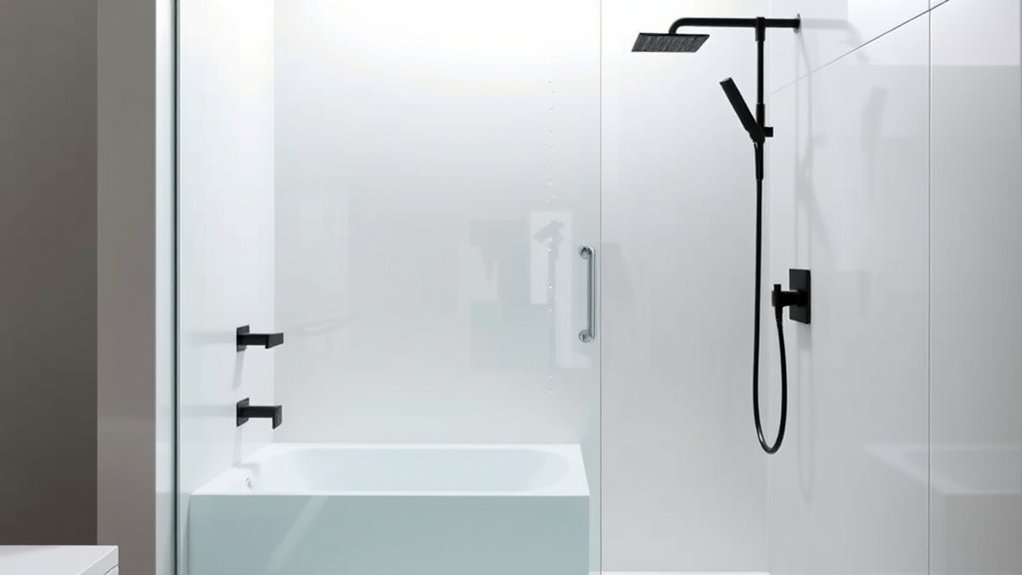
Do acrylic shower walls complement the sleek aesthetics of modern bathrooms? Absolutely. Their smooth, glossy finish aligns perfectly with modern aesthetics, offering a clean, seamless look. Plus, acrylic walls support quick renovations, letting you update your bathroom without extensive downtime.
Here’s a quick comparison to help you see why acrylic fits modern designs:
| Feature | Benefit for Modern Bathrooms |
|---|---|
| Smooth Surface | Enhances minimalist, sleek look |
| Lightweight | Allows easy, fast installation |
| Variety of Finishes | Matches diverse modern color schemes |
You’ll appreciate how acrylic’s versatility and ease of maintenance fit your style and schedule. It’s a practical choice for anyone aiming for a fresh, contemporary bathroom without hassle.
When Are Acrylic Shower Walls The Best Choice For Your Bathroom?
When should you choose acrylic shower walls for your bathroom? Acrylic walls are ideal when you want durability combined with innovative aesthetics without breaking the bank. They offer a sleek look and practical benefits that match various bathroom styles.
Choose acrylic shower walls for durable, stylish, and affordable bathroom upgrades with sleek, modern appeal.
Consider acrylic if you face these situations:
- You need a cost-effective upgrade, keeping budget considerations front and center.
- You want a smooth, easy-to-clean surface resistant to mold and mildew.
- You’re aiming for a modern, customizable style that acrylic’s innovative aesthetics provide.
- You require quick installation without compromising quality or appearance.
Frequently Asked Questions
Can Acrylic Shower Walls Be Repaired if Scratched or Cracked?
Yes, you can perform scratch repair and crack fixation on acrylic shower walls. Use specialized repair kits or professional services to restore the surface, ensuring durability and a seamless finish without replacing the entire wall.
Are Acrylic Shower Walls Eco-Friendly or Recyclable?
Coincidentally, acrylic shower walls aren’t very eco friendly due to their petroleum base. You can recycle them, but facilities are limited.
You’ll want to check local recyclability options before choosing acrylic for sustainability.
How Long Does the Installation of Acrylic Shower Walls Typically Take?
You can expect acrylic shower wall installation timelines to take one to two days.
With clear ideas and proper preparation, you’ll have a quick, efficient setup that minimizes downtime and gets your shower ready fast.
Do Acrylic Shower Walls Require Special Adhesives or Tools for Installation?
You’ll need to make sure install adhesive compatibility with acrylic materials to avoid damage.
Selecting the right tools, like a caulking gun and level, makes installation smoother and more precise, preventing common mistakes during the process.
Can Acrylic Shower Walls Be Painted or Customized After Installation?
You can paint acrylic shower walls, but you’ll need proper aftercare options to maintain durability. Guarantee your chosen paint has excellent design compatibility with acrylic surfaces to prevent peeling and keep your shower looking fresh and customized.