Are All Shower Heads the Same Thread
You might assume all shower heads are the same thread and fit like puzzle pieces, but that’s not always the case. While many use a standard 1/2 inch thread, variations exist across regions and older installations.
Choosing the wrong thread can lead to leaks or damage, making compatibility essential. Understanding these differences before you replace or install a shower head can save you time and frustration—here’s what you need to know.
Key Takeaways
- Most shower heads use a standard 1/2 inch NPT or BSP thread size but variations exist regionally and with older installations.
- Thread size differences include diameter, pitch, and direction, making mismatched threads a common installation issue.
- Non-standard threads like metric, 3/4 inch, and proprietary sizes require careful measurement and sometimes adapters for compatibility.
- Measuring outer diameter and threads per inch of the shower arm ensures correct thread matching before purchase or installation.
- Specialty stores and online retailers offer non-standard shower heads and adapters to fit uncommon or regional thread types.
Do All Shower Heads Use the Same Thread Size?
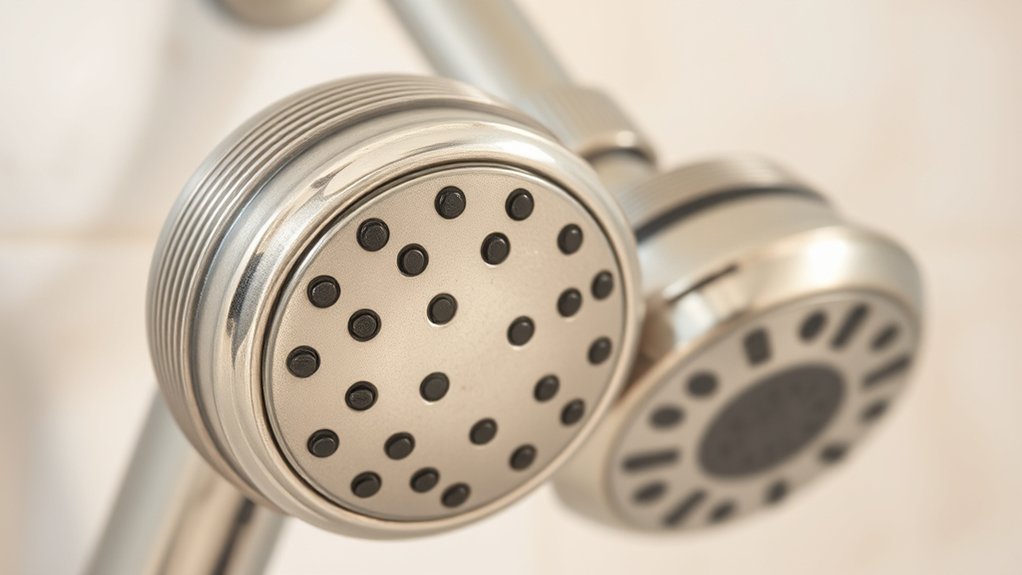
How can you be sure your new shower head will fit without issues? The key lies in understanding shower head compatibility and thread sizing. Not all shower heads use the same thread size, although many follow common standards.
Thread sizing refers to the diameter and pitch of the threaded connection that attaches the shower head to the shower arm. If these measurements don’t match, installation problems arise, leading to leaks or unstable fittings.
To ensure compatibility, you must verify the thread size of both your existing shower arm and the new shower head. Using a thread gauge or consulting manufacturer specifications helps you avoid mismatches.
Accurate thread sizing guarantees a secure, watertight connection, ensuring your new shower head performs as intended.
Standard Shower Head Thread Size Explained
Ensuring that your shower head and shower arm threads match starts with knowing the standard thread size commonly used in the industry. In most regions, the standard is a 1/2-inch National Pipe Thread (NPT) or British Standard Pipe (BSP), depending on local plumbing codes. These standards ensure compatibility and ease of replacement.
However, be aware of non standard threads that exist due to regional differences, which might require adapters.
| Specification | Description |
|---|---|
| Thread Type | NPT (US) / BSP (UK) |
| Thread Size | 1/2 inch |
| Thread Pitch | 14 threads per inch |
| Thread Direction | Right-hand (standard) |
Understanding these specs helps you avoid mismatched connections and potential leaks.
Common Non-Standard Shower Head Threads to Know
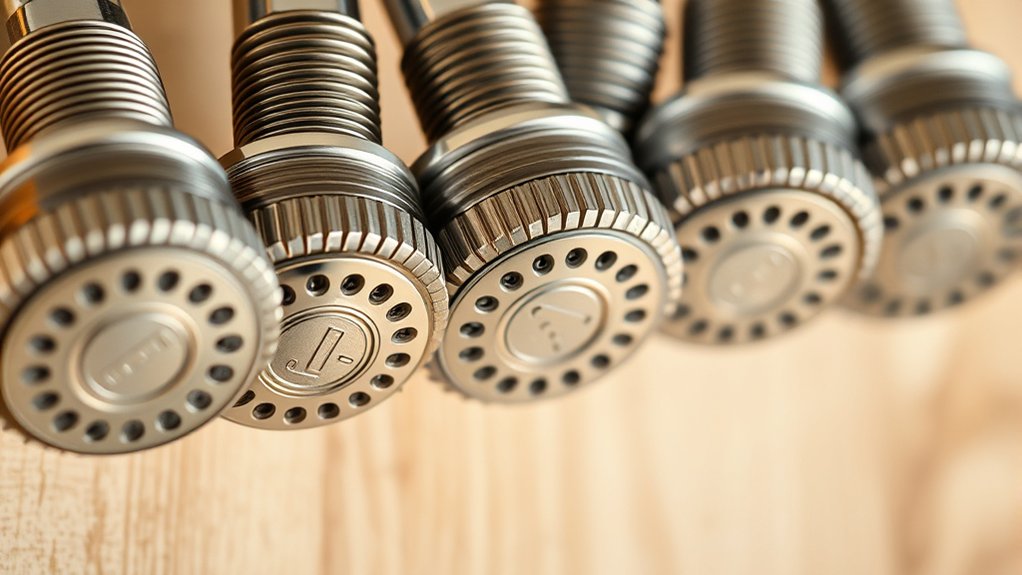
You’ll encounter several non-standard shower head threads that differ from the typical 1/2-inch NPT size. These variations include metric threads, smaller diameters, and unique pitches used in certain regions or older installations.
Understanding these differences helps you identify the correct fittings and avoid compatibility issues.
Identifying Non-Standard Sizes
Where do non-standard shower head threads come into play, and how can you identify them? Unlike standard ½-inch NPT threads, non-standard sizes often appear in older or specialty fixtures.
To identify these, start by measuring the thread diameter and pitch using a caliper and a thread gauge. Compare your findings against standard specifications. Any deviation signals a non-standard size.
Avoid confusing this with non related topics like water pressure or irrelevant subtopics such as shower arm length, which do not affect thread size. Careful measurement is key because non-standard threads lack universal dimensions, making compatibility tricky.
Common Thread Variations
Once you’ve measured and identified non-standard thread sizes, recognizing the most common variations becomes the next step. Non standard terminology often confuses installers, and debunking installation myths is crucial for a proper fit.
Here’s a concise table outlining key non-standard shower head threads you should know:
| Thread Type | Diameter (inches) | Pitch (threads per inch) |
|---|---|---|
| BSP (British) | 1/2 | 14 |
| NPT (National) | 1/2 | 14 |
| GHT (Garden Hose) | 3/4 | 11.5 |
| Metric | 12 mm | 1.5 |
| Custom/Proprietary | Varies | Varies |
Knowing these variations helps avoid common installation myths and prepares you for accurate selection and replacement without guesswork.
Regional Thread Differences
Although many shower heads share similar dimensions, regional thread standards can vary considerably, affecting compatibility. In North America, the standard thread for shower heads is 1/2-inch NPT (National Pipe Thread), whereas Europe commonly uses the BSP (British Standard Pipe) thread with slightly different pitch and diameter.
Asia presents a mix of standards, often combining NPT and BSP variants depending on the country. These regional differences mean you can’t assume a shower head will fit universally without verifying thread type.
When selecting or replacing shower heads, you must account for these compatibility considerations to avoid leaks or the need for adapters. Understanding the specific thread standard used in your region ensures a proper seal and functional installation, preventing costly replacements or modifications later on.
How to Measure Your Shower Head Thread Size at Home
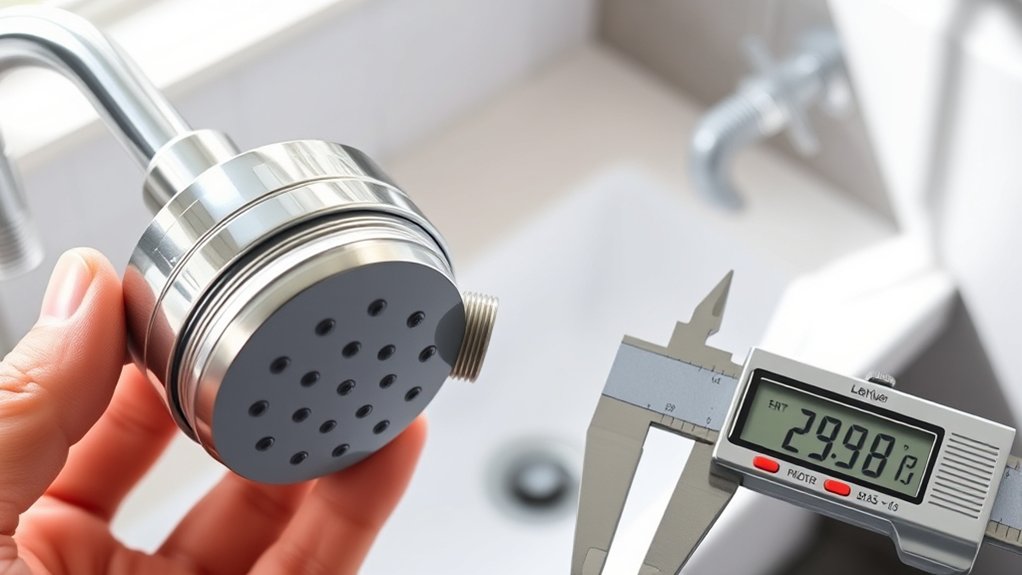
How do you accurately measure your shower head thread size at home? Begin by removing the shower head to expose the threaded pipe end. Use a caliper for precise measurement of the outer diameter (OD) of the male threads.
If you don’t have a caliper, a ruler with millimeter markings can work, but ensure you measure carefully from crest to crest. Next, count the number of threads per inch (TPI) using a thread gauge or by marking one inch along the threads and counting the thread peaks within that span.
Measurement tips include recording both OD and TPI, as both define the thread size. For tool recommendations, digital calipers and thread pitch gauges offer the most accuracy for DIY measurements, minimizing guesswork when selecting replacement shower heads.
Installation Problems From Wrong Thread Sizes
Why does using the wrong thread size cause installation issues? When your showerhead compatibility doesn’t match the thread sizing, you risk improper fitting that leads to leaks or damage. Incorrect thread sizes mean the showerhead won’t screw on tightly, causing water to escape or the fixture to loosen over time.
Using the wrong thread size causes leaks and damage due to improper fitting and loose connections.
Common installation problems include:
- Cross-threading that damages threads
- Water leaks from gaps in connection
- Difficulty securing the showerhead firmly
- Stripped threads reducing durability
- Misalignment causing uneven water flow
Ensuring correct thread sizing is critical for a secure, leak-free installation. Mismatched threads compromise both performance and longevity, so always verify compatibility before installation to avoid these technical issues.
Adapters and Solutions for Mismatched Shower Threads
When you encounter mismatched shower threads, adapters provide a straightforward solution to guarantee compatibility between different sizes or types. These adapters serve as intermediaries, converting thread sizes, commonly between 1/2-inch NPT and other standards, without requiring non standard tools.
You simply screw the adapter onto the existing fitting, then attach the shower head, ensuring a secure, leak-free connection. Since fittings none are universal, selecting the correct adapter is crucial; verify thread pitch and diameter before purchase.
Avoid forcing incompatible parts to prevent damage or leaks. Using proper adapters streamlines installation, eliminates guesswork, and maintains plumbing integrity. By relying on these precise components, you can efficiently resolve thread mismatches without needing complex modifications or specialized equipment.
Where to Find Shower Heads With Non-Standard Threads
When you need shower heads with non-standard threads, specialty plumbing stores often carry unique options not found in big-box retailers. You can also explore online niche retailers that focus on uncommon fittings and custom designs.
For precise thread requirements, custom thread manufacturers provide tailored solutions to ensure compatibility.
Specialty Plumbing Stores
Where can you find shower heads with non-standard threads if standard hardware stores don’t carry them? Specialty plumbing stores are your best bet. These stores focus on unique shower fixtures and plumbing aesthetics, offering parts that fit uncommon or older plumbing systems.
When you visit one, expect access to:
- Expert staff familiar with diverse thread standards
- A wide selection of specialty shower heads and adapters
- Custom-order options for hard-to-find fittings
- High-quality materials ensuring durability and compatibility
- Technical advice on installation and replacement
Online Niche Retailers
How can you source shower heads with non-standard threads if local specialty stores don’t meet your needs? Online niche retailers provide a targeted solution, offering products that often fall outside typical inventory.
These niche retailers specialize in uncommon plumbing components, ensuring you find shower heads compatible with unique threading standards. Additionally, online marketplaces aggregate various sellers, expanding your access to rare thread types through comprehensive filtering tools and detailed product specifications.
When searching these platforms, focus on precise thread measurements and compatibility notes to avoid installation issues. Leveraging online niche retailers and marketplaces helps you bypass geographical limitations, gaining access to technical data and customer reviews essential for selecting the correct non-standard shower head.
This approach streamlines procurement and ensures you receive a product that meets your exact threading requirements.
Custom Thread Manufacturers
If you can’t find shower heads with the thread specifications you need through online niche retailers, custom thread manufacturers offer a direct solution. These niche manufacturers specialize in producing fittings with precise, non-standard threading tailored to your requirements. They provide exact thread pitch, diameter, and angle specifications, ensuring compatibility with unusual or proprietary plumbing setups.
When sourcing shower heads from custom thread manufacturers, consider:
- Thread type customization (NPT, BSP, metric, etc.)
- Material compatibility (brass, stainless steel, plastic)
- Thread tolerance and finish quality
- Minimum order quantities and lead times
- Technical support for thread specification verification
Frequently Asked Questions
How Often Should I Clean My Shower Head to Prevent Clogs?
You should clean your shower head every 1-3 months to maintain optimum water pressure and guarantee clog prevention.
Regular cleaning improves efficiency, supports eco-friendly options, and prolongs your shower head’s lifespan effectively.
Can Water Pressure Affect My Shower Head’s Performance?
Yes, water pressure impacts shower head performance directly. Low pressure reduces spray intensity, while high pressure can cause leaks or damage.
You’ll want to match your shower head to your home’s water pressure for optimum function.
Are There Eco-Friendly Shower Heads That Save Water?
You want eco-friendly, water-saving shower heads that reduce flow rates, maintain pressure, and cut water use. These models use aerators or advanced technology, ensuring efficient performance while conserving water and lowering your utility bills effectively.
What Materials Are Shower Heads Typically Made From?
Shower head materials typically include brass, stainless steel, and plastic. You’ll find compatibility threads standardized as 1/2-inch NPT, ensuring most shower head materials fit universally without modification or adapters.
How Do I Remove Hard Water Stains From a Shower Head?
Think of mineral buildup as stubborn rust on your shower’s faucet. To remove it, soak the head in vinegar or use commercial descalers, the best cleaning solutions to dissolve deposits. This restores water flow efficiently and precisely.