Can a Cold Shower Lower Blood Pressure
You might wonder if a cold shower can help lower your blood pressure. Cold exposure triggers rapid vasoconstriction and activates your sympathetic nervous system, causing a temporary rise in blood pressure.
However, some evidence suggests a calming parasympathetic rebound afterward. This response could indirectly support blood pressure regulation through stress reduction.
Still, the effects aren’t straightforward, especially if you have cardiovascular concerns. Understanding the nuances is important before trying this approach.
Key Takeaways
- Cold showers cause immediate vasoconstriction, temporarily raising blood pressure during exposure.
- After cold exposure, parasympathetic rebound may promote relaxation and potential blood pressure reduction.
- Repeated cold exposure might improve vascular tone, indirectly supporting healthier blood pressure regulation.
- Sudden cold-induced blood pressure spikes pose risks for individuals with hypertension or heart conditions.
- Gradual cold exposure with caution can aid stress reduction, which may help lower chronic blood pressure over time.
What Is the Science Behind Cold Water, Circulation, and Blood Pressure?
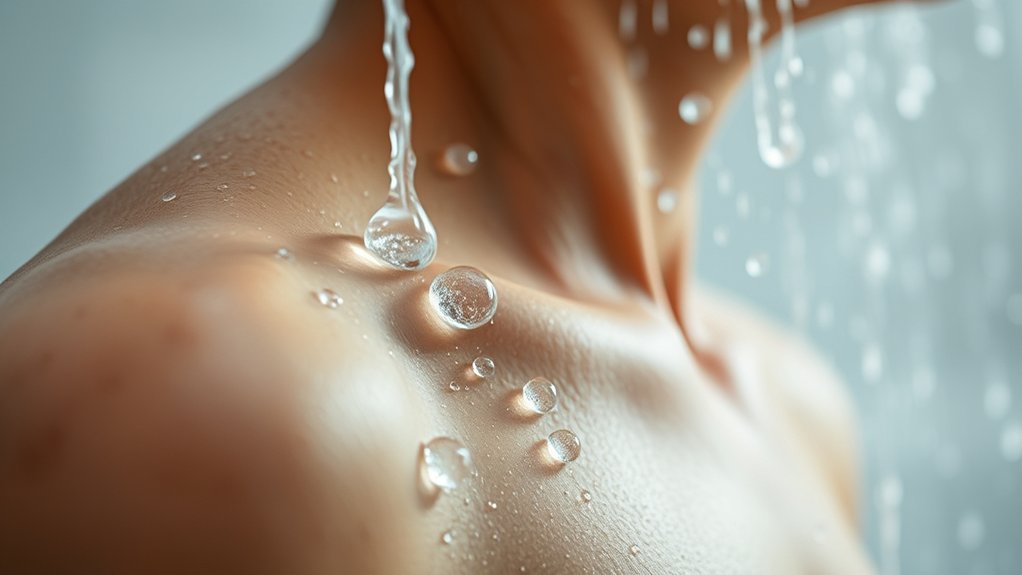
How exactly does cold water influence your circulation and blood pressure? When you experience cold exposure, your body initiates a vascular response aimed at preserving core temperature.
Blood vessels in your skin and extremities constrict, a process known as vasoconstriction. This reduces blood flow to the surface and redirects it toward vital organs. This response increases peripheral resistance, which can transiently elevate blood pressure.
Cold-induced vasoconstriction reduces surface blood flow, redirecting it to vital organs and temporarily raising blood pressure.
Simultaneously, your heart rate may adjust to maintain effective circulation. Scientific studies demonstrate that this vascular response is a protective mechanism, optimizing oxygen delivery under cold stress.
Understanding these physiological adaptations clarifies how cold water impacts your circulatory system, setting the stage for exploring specific effects on blood pressure during cold showers.
How Do Cold Showers Affect Your Blood Pressure?
Cold showers trigger the body’s vascular responses described earlier, causing immediate vasoconstriction that can raise your blood pressure temporarily. During cold exposure, your blood vessels constrict to preserve core temperature, increasing peripheral resistance and, consequently, systolic and diastolic blood pressure.
This acute response is well-documented in clinical studies, showing a transient elevation in blood pressure upon sudden cold exposure. However, this effect is short-lived, typically normalizing within minutes after the cold stimulus ends.
If you have hypertension or cardiovascular conditions, this temporary spike may pose risks, so caution is advised. In healthy individuals, repeated cold exposure might improve vascular tone over time, but the immediate effect remains a blood pressure increase due to vasoconstriction.
Understanding these physiological mechanisms helps you anticipate how cold showers impact your cardiovascular system.
Can Cold Showers Reduce Stress and Lower Blood Pressure?
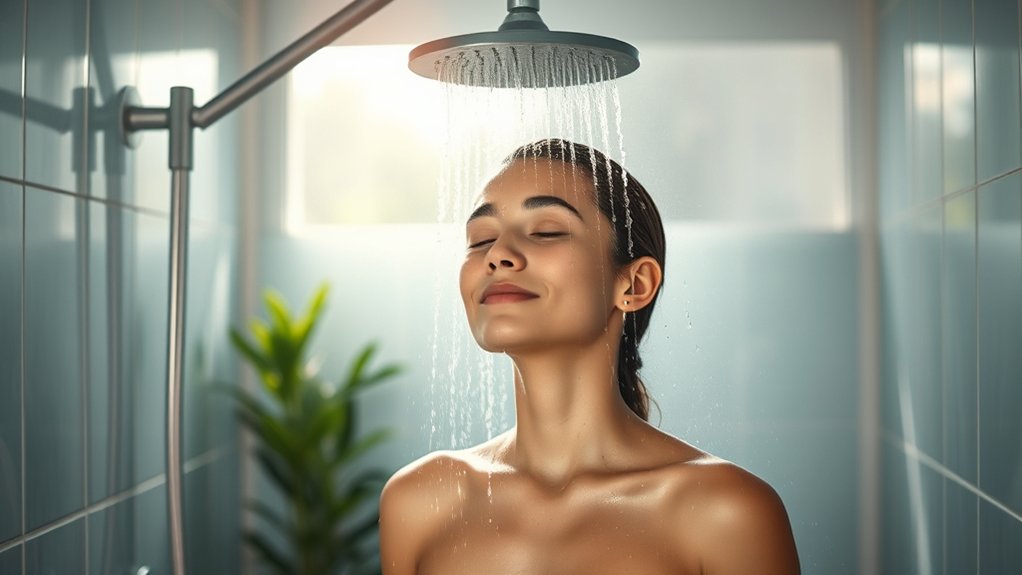
Can stress reduction through cold showers contribute to lowering blood pressure? Evidence suggests that cold exposure modulates the body’s stress response, potentially impacting blood pressure regulation.
When you expose yourself to cold water, your sympathetic nervous system activates briefly, followed by a parasympathetic rebound that may promote relaxation. This physiological shift can reduce chronic stress, a known contributor to hypertension.
Here’s how cold showers may influence stress and blood pressure:
- Cold exposure initially triggers a controlled stress response, enhancing resilience to daily stressors.
- Subsequent parasympathetic activation promotes relaxation and lowers heart rate.
- Reduced stress hormone levels, such as cortisol, may contribute to sustained blood pressure reduction.
Incorporating cold showers could serve as a complementary strategy to manage stress and support healthy blood pressure.
Who Needs to Be Careful With Cold Showers?
Who should approach cold showers with caution? Careful populations include individuals with cardiovascular conditions such as hypertension, arrhythmias, or heart failure. Sudden cold exposure risks triggering vasoconstriction and sympathetic nervous system activation, which can elevate blood pressure and heart rate abruptly.
Those with Raynaud’s phenomenon or peripheral vascular disease should also be wary, as cold can exacerbate circulation issues. Additionally, people prone to hypothermia or with impaired thermoregulation, including elderly adults and infants, face increased risks from sudden cold exposure.
If you fall into any of these categories, cold showers might provoke adverse cardiovascular or systemic responses. Always consult a healthcare professional before incorporating cold exposure into your routine to minimize potential harmful effects associated with your specific health profile.
How to Use Cold Showers Safely to Support Heart Health
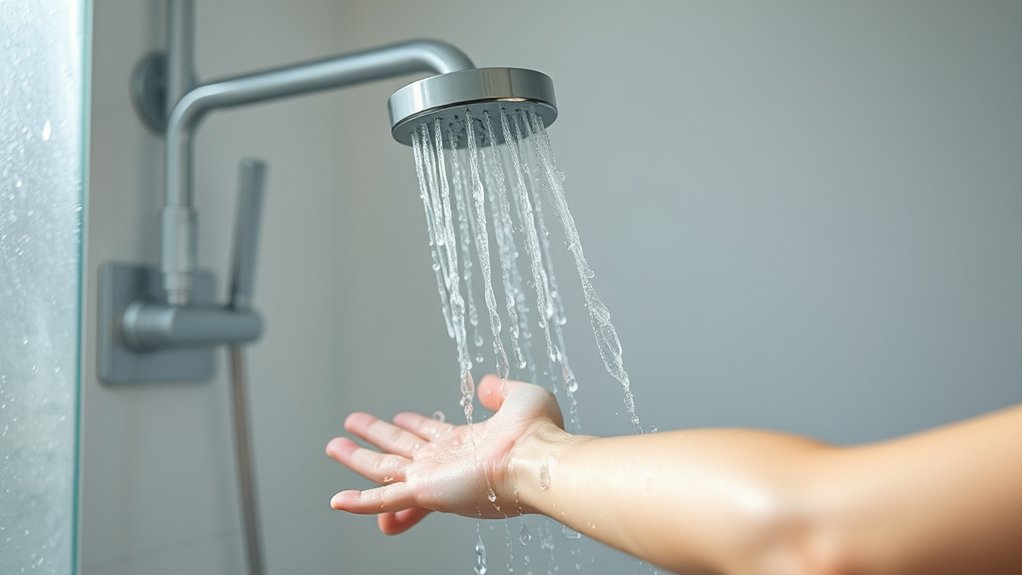
When incorporating cold showers into your routine to support heart health, how you approach the exposure is essential to minimize risks and maximize benefits. Sudden cold exposure can elevate your heart rate and blood pressure temporarily, so gradual adaptation is key. Follow these guidelines:
- Start with lukewarm water, then gradually decrease temperature over several sessions to allow your cardiovascular system to adjust safely.
- Limit cold water exposure to 30 seconds initially, increasing duration cautiously as tolerated without excessive heart rate spikes.
- Monitor your heart rate and any symptoms like dizziness or chest discomfort, stopping immediately if they occur.
This measured approach helps your body adapt to cold exposure, harnessing potential cardiovascular benefits without undue stress on your heart.
Frequently Asked Questions
Can Cold Showers Improve Skin Health?
Yes, cold showers can improve skin health by tightening pores, reducing inflammation, and enhancing circulation. This helps minimize oiliness and redness, promoting a clearer, healthier complexion supported by evidence-based dermatological principles.
Do Cold Showers Help With Muscle Recovery?
Yes, cold showers provide cold exposure that reduces inflammation and muscle soreness. You’ll experience recovery benefits like decreased swelling and quicker healing, supported by evidence in sports medicine and physiology studies emphasizing cold therapy’s role in muscle recovery.
How Long Should a Cold Shower Last for Benefits?
You’ll want to keep your cold shower between 1 to 3 minutes, enough to trigger short term vasoconstriction and a hormonal response. This precise duration maximizes benefits without overstressing your body’s systems.
Are Cold Showers Effective for Weight Loss?
Cold showers offer limited cold shower benefits for weight loss. They slightly boost metabolism through brown fat activation but don’t significantly impact weight loss.
Rely on diet and exercise for effective, evidence-based weight management.
Can Cold Showers Boost the Immune System?
Yes, cold exposure from showers can boost your immune system by enhancing immune signaling. Studies show it activates white blood cells and increases anti-inflammatory responses, helping your body better defend against infections and illnesses.