Are Glue up Shower Walls Good
If you’re considering an upgrade for your bathroom, glue-up shower walls might seem like a convenient, cost-effective choice. Glue-up shower walls promise a seamless, grout-free finish that’s easier to clean and more resistant to mold than traditional tile.
But before you commit, it’s important to understand what materials they’re made of, how durable they really are, and whether they’ll hold up in your particular space.
Let’s explore what makes these walls a practical option—and where they might fall short.
Key Takeaways
- Glue-up shower walls provide a seamless, water-resistant surface that reduces mold growth and simplifies cleaning.
- They are durable, using materials like acrylic, PVC, and fiberglass, offering strength and impact resistance.
- Installation is faster and easier than tile or traditional acrylic panels, suitable for DIY projects.
- Maintenance is low due to fewer joints and the ability to reseal edges to prevent water infiltration.
- Cost-effective with lower material and labor expenses compared to tile and acrylic shower walls.
What Materials Are Glue-Up Shower Walls Made Of?
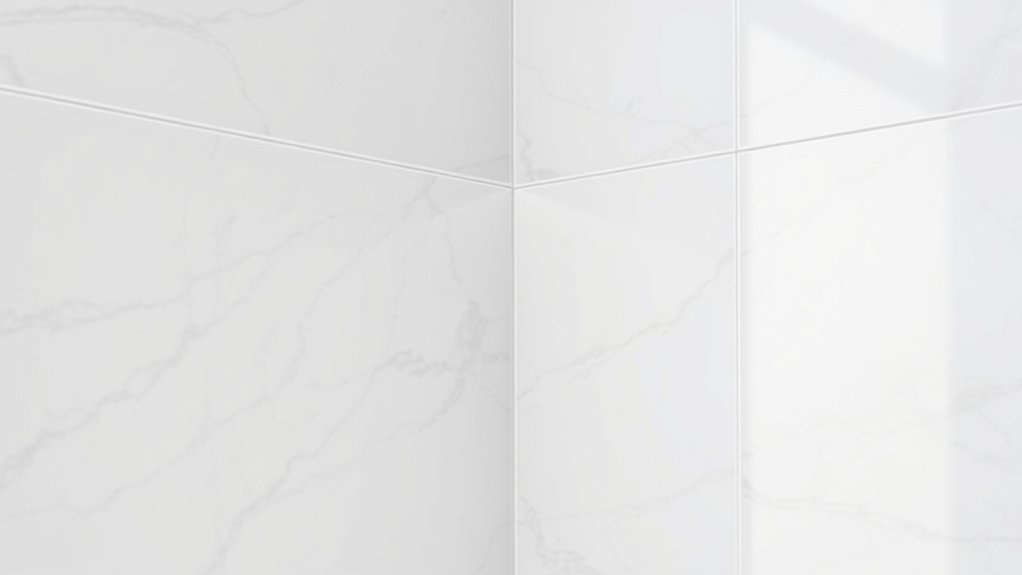
Glue-up shower walls are typically made from durable, water-resistant materials like acrylic, PVC, or fiberglass, designed to withstand constant moisture and daily wear. When choosing these materials, you’ll find each offers distinct benefits: acrylic is smooth and easy to clean, PVC is lightweight and budget-friendly, and fiberglass provides excellent strength.
While these materials simplify installation, you might face retrofit challenges if your shower’s dimensions or existing surfaces aren’t standard. In such cases, exploring glue up alternatives like tile backer boards or waterproof drywall can offer more flexibility. However, these alternatives often require more labor and moisture-proofing expertise.
Understanding the material properties and potential retrofit challenges helps you select the best option to ensure a secure, lasting shower wall installation.
How Tough Are Glue-Up Shower Walls?
How durable are these shower walls when faced with daily use and moisture? Glue-up shower walls hold up impressively well, thanks to materials engineered to endure constant exposure to water and impact.
Despite creativity constraints in design, manufacturers optimize adhesive strength and panel composition to ensure toughness. You’ll find that these walls resist scratches, dents, and warping when installed correctly.
However, toughness also depends on proper installation and maintenance. Ignoring these can compromise longevity. Marketing language often highlights their resilience, but you should verify product specifications and user reviews for real-world performance.
Ultimately, glue-up shower walls offer a practical balance of durability and aesthetic appeal, making them a reliable choice if you prioritize strength within design and budget constraints.
Are Glue-Up Shower Walls Truly Waterproof?

You need to understand the waterproofing materials used in glue-up shower walls to ensure they hold up over time. Proper installation techniques play a crucial role in preventing water seepage and damage.
Let’s examine how these factors affect long-term water resistance and your shower’s durability.
Waterproofing Materials Used
What makes shower walls truly waterproof often comes down to the materials used and their proper installation. When selecting glue-up shower walls, you want to ensure the material blends resist moisture penetration and have passed rigorous durability tests.
The right materials prevent water damage and mold growth, protecting your investment.
| Material Type | Waterproofing Benefit |
|---|---|
| Acrylic Panels | Non-porous, easy to clean |
| PVC Boards | Resistant to mold and mildew |
| Fiberglass Sheets | Durable and waterproof |
| Composite Blends | Enhanced resistance via additives |
These materials, tested under real-world conditions, offer reliable waterproofing. By choosing proven blends, you reduce the risk of leaks and extend your shower wall’s lifespan.
Installation Techniques Impact
Selecting the right waterproof materials sets a strong foundation, but the effectiveness of glue-up shower walls largely depends on precise installation techniques. Even the best glue-up materials can fail if you don’t apply them correctly, compromising waterproofing options. You must ensure each panel bonds tightly without gaps, and seal all edges meticulously.
Proper surface preparation is critical; clean, dry, and smooth surfaces improve adhesion. Use the correct adhesive type recommended for your materials and climate conditions.
Key installation practices include:
- Thoroughly cleaning and drying surfaces before application
- Applying adhesive evenly to avoid weak spots
- Pressing panels firmly with consistent pressure
- Sealing all joints and corners with waterproof sealant
- Allowing adequate curing time before exposure to moisture
Long-Term Water Resistance
Although glue-up shower walls can offer a quick and attractive solution, their long-term water resistance hinges on the quality of both materials and installation. If you choose high-grade waterproof panels and apply the appropriate adhesive, your glue-up shower walls will stand up well to moisture.
However, any lapses in sealing joints or using subpar glue can allow water infiltration, leading to mold or damage behind the walls. You must ensure all seams are tightly bonded and sealed with waterproof caulk to maintain integrity over time. Regular inspections and prompt repairs of any cracks or gaps are essential.
Ultimately, while glue-up shower walls can be waterproof, their durability against water depends on meticulous material selection and installation practices you follow.
Which Bathrooms Are Best for Glue-Up Shower Walls?
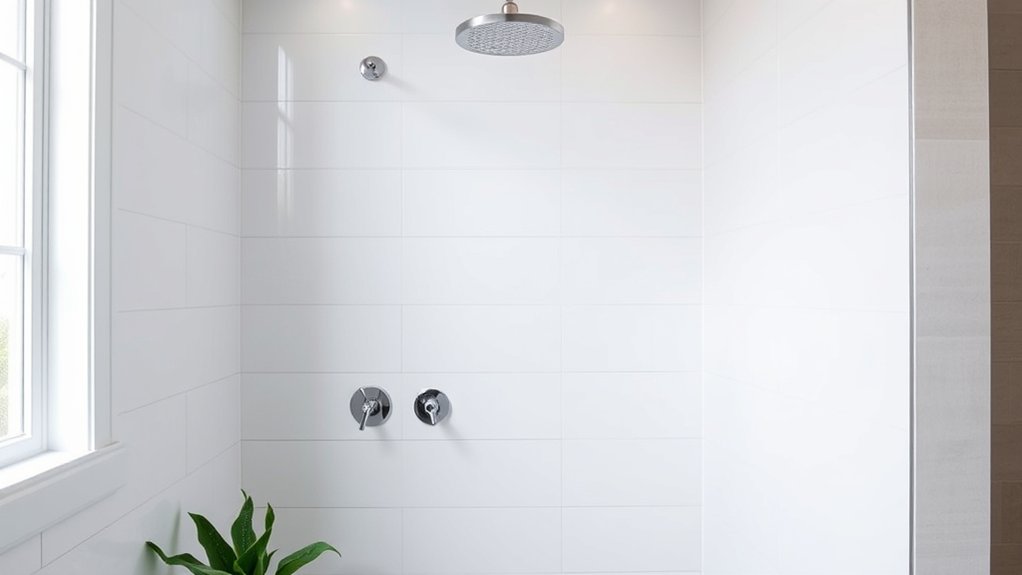
You’ll find glue-up shower walls work best in small bathrooms where space is limited and installation speed matters. Their moisture-resistant properties make them ideal for wet environments that don’t require heavy-duty waterproofing.
Understanding these factors helps you choose the right bathroom setup for this type of wall.
Small Bathroom Advantages
Why are glue-up shower walls particularly suited for small bathrooms? Because they maximize space optimization without sacrificing style or durability. In tight quarters, these walls install easily and create a seamless surface that visually expands your bathroom. You’ll appreciate how they reduce clutter and maintenance time.
Consider these advantages for small bathrooms:
- Quick, mess-free installation avoids bulky construction.
- Slim profiles take up minimal space.
- Smooth surfaces reflect light, enhancing room brightness.
- Built-in waterproof seals prevent water damage.
- Low maintenance frees up your time.
Moisture-Resistant Settings
Where do glue-up shower walls perform best? They excel in bathrooms with well-controlled moisture levels and proper ventilation. You’ll find that glue-up walls are ideal for residential bathrooms where humidity is moderate and airflow prevents prolonged dampness.
These conditions help you avoid common installation challenges like adhesive failure caused by excess moisture. To ensure mold prevention, you must maintain a dry environment during and after installation.
Bathrooms with efficient exhaust fans or windows that allow air circulation work best because they minimize moisture buildup behind the walls. If your bathroom lacks adequate ventilation or frequently experiences high humidity, glue-up shower walls may not be the most durable choice.
Choosing the right moisture-resistant setting is crucial to maximize the lifespan and performance of your glue-up shower walls.
How Easy Is It to Install Glue-Up Shower Walls?
How straightforward is it to install glue-up shower walls? Contrary to some installation myths, these walls are designed for ease and efficiency. You don’t need specialized skills to enjoy the glue up pros, making it a feasible DIY project or a quick professional job. The process demands precision but remains accessible.
Here’s what you can expect during installation:
Surface preparation is critical; ensure walls are clean and dry.
Proper surface preparation is essential—make sure walls are clean and dry before installation.
Measure and cut panels accurately to fit your shower space.
Apply adhesive evenly to avoid bubbles or weak spots.
Press panels firmly in place, using spacers for alignment.
Seal edges properly to prevent moisture intrusion.
Following these steps, you’ll install durable, moisture-resistant walls with confidence and less hassle.
How Easy Is It to Maintain Glue-Up Shower Walls?
Once you’ve successfully installed your glue-up shower walls, keeping them in top condition requires minimal effort. These walls resist mold and mildew better than traditional tile grout, reducing your cleaning frequency. You simply wipe them down with a mild, non-abrasive cleaner and a soft cloth or sponge. Avoid harsh chemicals or scrubbing pads that could damage the surface or compromise the adhesive bond.
Routine maintenance involves checking the seams for any signs of lifting or water infiltration, especially after heavy use. If you notice any gaps, reapplying a waterproof sealant ensures long-term durability. Because glue-up shower walls create a smooth, continuous surface, they don’t trap dirt or grime, making upkeep straightforward and efficient.
How Do Glue-Up Shower Walls Compare to Tile or Acrylic?
What sets glue-up shower walls apart from tile or acrylic options is their combination of ease, durability, and seamless installation. When you choose glue-up shower walls, you avoid the grout lines that tile requires, reducing maintenance and potential mold growth.
Compared to acrylic, glue-up panels offer a sturdier, more impact-resistant surface that doesn’t crack as easily. Installation is faster, as glue-up panels can be adhered directly to your wall studs or existing surfaces without complicated tools.
Consider these key differences:
- Seamless look without grout lines
- Faster and simpler installation
- Greater resistance to cracking than acrylic
- Lower maintenance with fewer joints to clean
- Durable materials that stand up to daily wear
Glue-up shower walls give you a practical, long-lasting alternative to traditional tile or acrylic.
What Are the Cost Benefits of Glue-Up Shower Walls?
Why choose glue-up shower walls from a cost perspective? Their cost efficiency and installation simplicity save you both money and time. Unlike tile or acrylic, glue-up walls require fewer materials and less specialized labor, cutting down overall expenses.
With a straightforward adhesive application, you avoid costly labor hours, making it an economical choice for DIYers and professionals alike.
| Feature | Glue-Up Shower Walls | Tile Shower Walls | Acrylic Shower Walls |
|---|---|---|---|
| Material Cost | Low | High | Moderate |
| Labor Cost | Minimal | High | Moderate |
| Installation Time | Quick | Lengthy | Moderate |
This table highlights how glue-up walls deliver superior cost benefits through efficient use of resources and simplified installation.
Frequently Asked Questions
Can Glue-Up Shower Walls Be Customized With Different Colors or Patterns?
Yes, you can customize glue-up shower walls with various color options and pattern customization. This flexibility lets you match your bathroom’s style precisely, ensuring a practical yet stylish upgrade that fits your unique design preferences perfectly.
Do Glue-Up Shower Walls Require Special Adhesives or Tools?
You don’t need special adhesives for glue up materials; standard waterproof construction adhesive works well.
To tackle installation challenges, use a caulking gun and a level for precise alignment, ensuring a strong, lasting bond without hassle.
How Long Do Glue-Up Shower Walls Typically Last Before Replacement?
You can expect glue-up shower walls to last 10-15 years with proper glue-up durability and regular maintenance schedules.
Staying vigilant about seals and cleaning ensures they remain watertight and structurally sound throughout their lifespan.
Are Glue-Up Shower Walls Safe for Use in Steam Showers?
Like dancing in the rain, glue-up shower walls can handle steam showers if you follow glue trends carefully. Use moisture-resistant adhesives and installation tips to ensure safety, durability, and prevent peeling or mold growth in your steamy oasis.
Can Glue-Up Shower Walls Be Repaired if Damaged?
You can repair glue-up shower walls using patch kits or adhesive fillers, matching color options to blend repairs seamlessly. Proper surface prep and curing ensure durability, making these repair methods practical and effective for maintaining your shower’s appearance.