Are Apple Watches Shower Safe
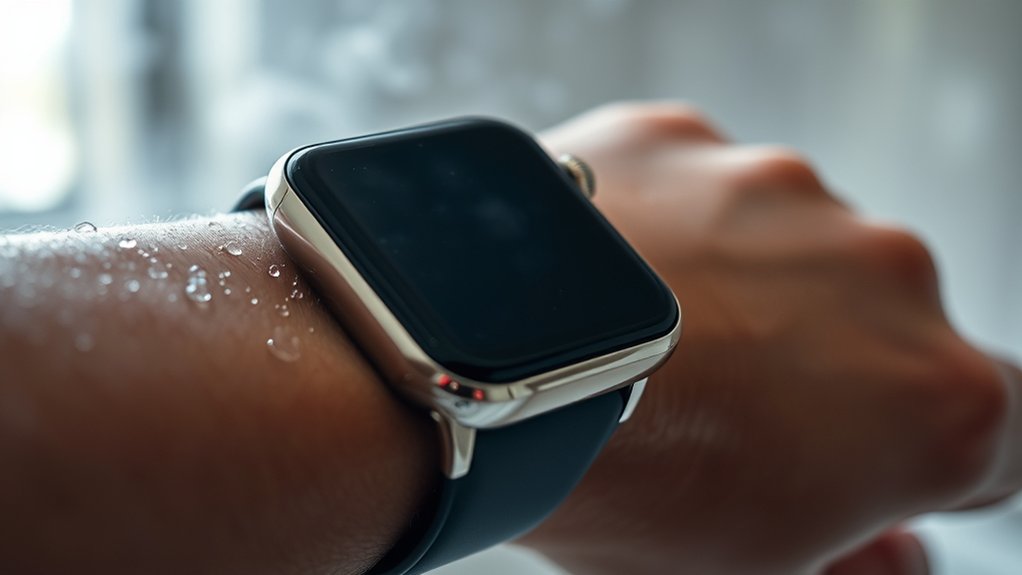
You might assume your Apple Watch is shower safe just like it is swim safe, but water resistance isn’t a simple guarantee. Factors like water temperature, soap, and steam can impact the watch’s seals and sensor integrity, even if your model is rated for 50 meters.
Understanding these limitations is essential to avoid damage and extend your device’s lifespan. So, when exactly is it safe to keep your watch on in the shower?
Key Takeaways
- Apple Watches with 50-meter water resistance can generally handle shower water but are not designed for hot water or steam exposure.
- Hot water and steam from showers can degrade seals and reduce long-term water resistance.
- Soap residue can impair sensors and weaken water-resistant seals during shower use.
- Regularly rinsing and drying the watch after showering helps maintain its water resistance.
- Apple advises avoiding prolonged exposure to high-temperature water and steam to preserve watch functionality.
What Are Apple Watch Water Resistance Ratings?
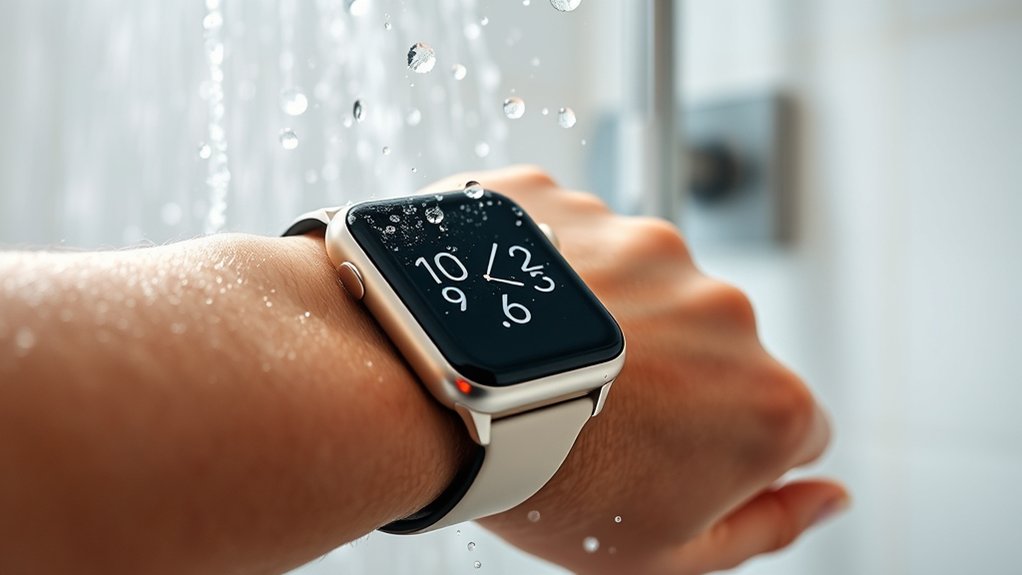
How water-resistant is your Apple Watch? Apple categorizes its watches with specific water resistance ratings, typically measured in meters or ATM (atmospheres).
Most Apple Watches from Series 2 onward have a water resistance rating of 50 meters, meaning they’re designed to withstand shallow-water activities like swimming but not high-velocity water or deep diving.
Apple Watches from Series 2 support swimming but are not suited for deep diving or high-pressure water activities.
This rating helps you understand the device’s limits, especially in humid environments where moisture exposure is frequent. Proper battery maintenance is essential since water resistance can degrade over time, especially if the watch experiences impacts or chemical exposure.
Always verify the seals remain intact to preserve water resistance. Understanding these ratings lets you confidently use your Apple Watch without risking damage from everyday water exposure.
Can You Wear Your Apple Watch in the Shower?
You can wear your Apple Watch in the shower if it meets the proper water resistance ratings, but hot water and soap may compromise its seals over time. Apple advises against exposing the watch to high-temperature water, as it can degrade water resistance.
Understanding these factors helps you decide if shower use aligns with your device’s longevity.
Water Resistance Ratings
When considering whether to wear your Apple Watch in the shower, understanding its water resistance rating is essential. Apple Watches typically have a water resistance rating of 50 meters under ISO standard 22810:2010, meaning they can handle shallow-water activities but aren’t designed for high-velocity water or deep submersion.
Here’s what you should know:
- 50 meters rating: Suitable for swimming but not for high-pressure water jets.
- Not waterproof: Water resistance diminishes over time, so exposure to soap and shampoo can impair seals.
- Avoid hot water: Hot showers can affect the watch’s water resistance, but we’ll cover that later.
Knowing these ratings helps you create eye catching headlines about Apple Watch usage while aligning monetization strategies with accurate product info.
Impact Of Hot Water
Why does hot water pose a risk to your Apple Watch’s water resistance? High temperatures can compromise the integrity of the watch’s seals and gaskets, which are designed to withstand cold or lukewarm water but not the thermal expansion caused by hot water.
When exposed to hot showers, these components may degrade faster, increasing vulnerability to water ingress. Additionally, steam from hot showers creates a humid environment that can penetrate micro-openings, further challenging water resistance.
Unlike unused subtopic idea1, which might focus on static pressure, the dynamic nature of hot water and steam presents unique risks. While Apple Watches have robust water resistance, the impact of hot water means you shouldn’t rely on it during showers, as this can accelerate wear and potentially lead to malfunction.
Unused subtopic idea2 remains relevant for later discussion.
Long-Term Wear Effects
Hot water’s effect on the seals and gaskets of your Apple Watch raises questions about its suitability for continuous wear in the shower. While the device is designed with sweat resistance and water exposure in mind, prolonged exposure to hot water can degrade these protective elements over time.
For long-term wear, consider these factors:
- Heat can weaken the adhesive bonds securing seals, increasing the risk of water ingress.
- Constant exposure to steam and soap may compromise the integrity of gaskets.
- Sweat resistance does not guarantee resistance to hot water pressure or temperature fluctuations.
Therefore, while occasional shower use may be safe, wearing your Apple Watch continuously in the shower could reduce its water resistance longevity. To preserve its functionality, limit exposure to hot water and avoid wearing it during extended showers.
How Soap and Moisture Affect Your Apple Watch
You should be aware that soap residue can interfere with your Apple Watch’s sensors and degrade seals over time. Although the device has water resistance, prolonged exposure to moisture combined with soap can increase the risk of water ingress.
Understanding these limits helps you protect your watch from potential damage during shower use.
Soap Residue Impact
How does soap residue affect your Apple Watch over time? Soap residue can compromise your device’s functionality and longevity, especially when considering shower safety. When soap interacts with your watch, it can leave a film that impacts sensors and seals.
Here’s what you need to know:
- Sensor Interference: Soap residue can block heart rate sensors, causing inaccurate readings or failures.
- Seal Degradation: Residual soaps may weaken water-resistant seals, increasing vulnerability to moisture.
- Material Wear: Prolonged soap exposure can degrade bands and casing materials, leading to discoloration or brittleness.
To maintain optimal performance and shower safety, rinse your Apple Watch thoroughly after exposure to soap and avoid harsh soaps. Regular cleaning prevents buildup, preserving the device’s water resistance and sensor accuracy.
Moisture Ingress Risk
Why does moisture ingress pose a significant risk to your Apple Watch, especially when combined with soap exposure? Moisture ingress refers to the unwanted penetration of water and other liquids into your device’s internal components.
Soap, containing surfactants and chemicals, can compromise the watch’s seals, increasing this risk. When soap residue mixes with moisture, it can degrade gaskets and adhesives designed to keep water out.
Conducting a risk assessment, you’ll find that repeated exposure to soap and moisture accelerates wear on these protective barriers, potentially leading to corrosion or short circuits.
Although Apple Watches have water-resistant features, moisture ingress remains a critical vulnerability when soap is involved. Minimizing soap contact reduces the risk of internal damage, ensuring your device maintains its functional integrity over time.
Water Resistance Limits
While Apple Watches offer impressive water resistance, their protective capabilities have defined limits that soap and moisture can challenge. Hot water, for instance, can degrade the seals designed to keep moisture out, compromising your watch’s integrity over time.
Soap residue also poses a risk by accumulating around buttons and the speaker mesh, potentially clogging these components and affecting performance.
Consider these factors to manage water resistance limits:
- Avoid exposing your watch to hot water, such as in showers or hot tubs, which can weaken seals.
- Rinse your watch thoroughly after exposure to soap to prevent residue buildup.
- Regularly inspect and clean areas prone to soap residue to maintain optimal water resistance.
When Should You Avoid Wearing Your Apple Watch in Water?
Under what circumstances should you avoid wearing your Apple Watch in water? First, steer clear if you’re exposed to high-velocity water, like in a hot shower or water sports, since intense pressure can compromise the watch’s seals.
Avoid wearing your Apple Watch in high-velocity water like hot showers or water sports to protect its seals.
Avoid wearing it in hot tubs or saunas, where elevated temperature and steam can degrade water resistance. Shower etiquette also matters; prolonged exposure to soap, shampoo, and conditioners may leave residues that affect sensors and materials.
From a fashion considerations perspective, if you’re wearing a leather or metal band, water exposure can cause damage or discoloration, so remove the watch beforehand. Finally, if your watch has visible damage or compromised seals, don’t risk water exposure.
Always prioritize preserving your device’s integrity over convenience.
Tips for Protecting Your Apple Watch in the Shower
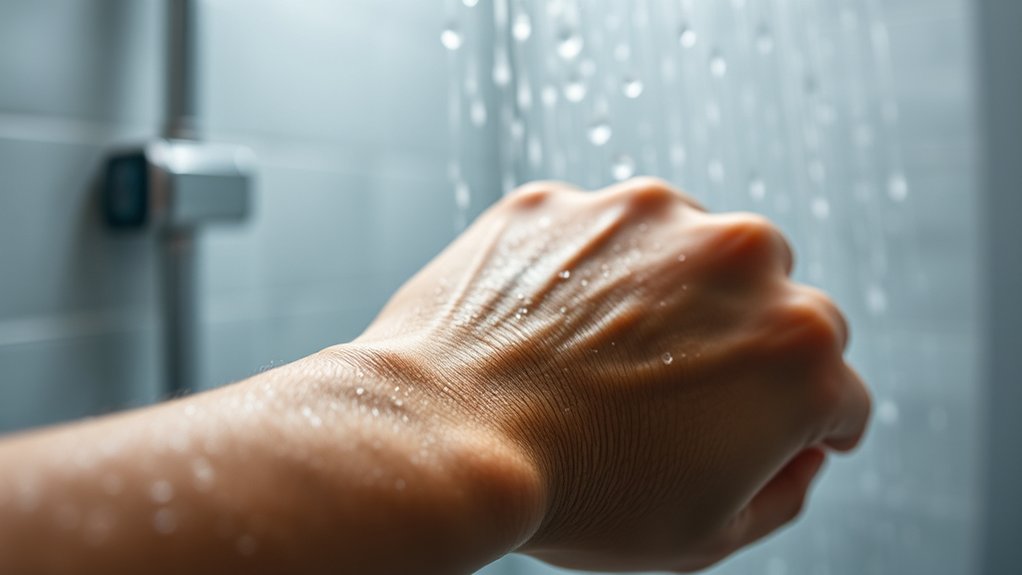
Knowing when to avoid wearing your Apple Watch in water helps minimize damage, but protecting it during unavoidable exposure is equally important. Despite fashion trends and celebrity endorsements promoting constant wear, you should take practical steps to safeguard your device in the shower.
- Use a water-resistant band specifically designed for moisture exposure rather than leather or fabric, which degrade quickly.
- Avoid exposing the watch to high-temperature steam, as it can compromise internal seals and sensors.
- Regularly clean your Apple Watch with a soft, lint-free cloth after showering to remove soap residue that may corrode components.
What to Do If Your Apple Watch Gets Water Damage
What steps should you take immediately if your Apple Watch sustains water damage? First, power it off to prevent short circuits. Avoid charging it until fully dry.
Immediately power off your Apple Watch after water damage and avoid charging until completely dry to prevent short circuits.
Remove the band to allow airflow and gently dry the exterior with a soft, lint-free cloth. Do not use heat sources like hairdryers, as excessive heat can damage internal components.
Place the watch in a dry, ventilated area or use silica gel packets to absorb moisture. Avoid using rice, as it’s less effective and may introduce debris.
After 24-48 hours, inspect for residual moisture before powering on. If issues persist, seek professional service.
Proper watch care following water exposure is crucial for preserving the device’s functionality and optimizing your user experience, minimizing long-term damage and ensuring reliable operation.
Frequently Asked Questions
Can Apple Watch Bands Withstand Shower Water?
You can expect some watch band durability with shower water, but it depends on the material. Silicone and fluoroelastomer bands handle moisture well, while leather and fabric exceed water resistance limits and may degrade quickly.
Does Temperature Affect Apple Watch Water Resistance?
Yes, temperature impacts Apple Watch water resistance by potentially compromising seals and adhesives. Extreme heat or cold can degrade band durability, so you should avoid rapid temperature changes to maintain optimal water resistance and prolong band lifespan.
Are Older Apple Watch Models Less Water-Resistant?
You might suspect older models have weaker water resistance, and that’s true. Early Apple Watches offered limited water protection, so you should avoid submersion.
Newer models improve seals and materials, enhancing durability under water.
Can Shower Steam Damage the Apple Watch Sensors?
Yes, shower steam can affect your Apple Watch’s sensor durability over time. The high humidity and heat may cause condensation or corrosion, potentially impairing sensor accuracy.
Is It Safe to Use Apple Watch in Hot Tubs?
Don’t test fate like Icarus; your Apple Watch isn’t designed for hot tub safety. Its water resistance limits can’t withstand hot, soapy water and intense heat, risking damage to internal components and sensors.