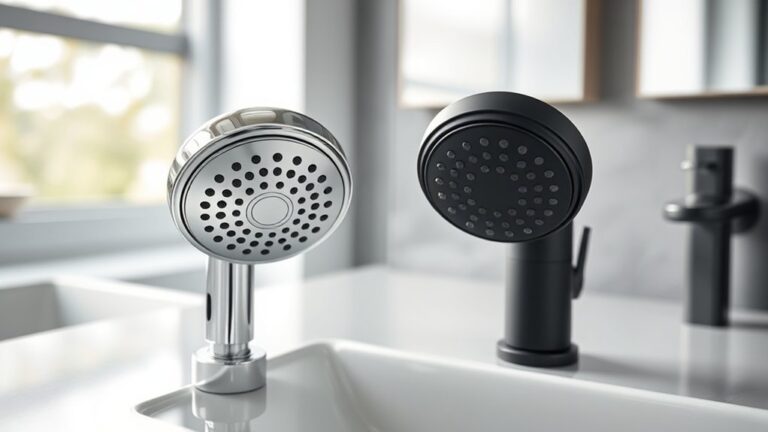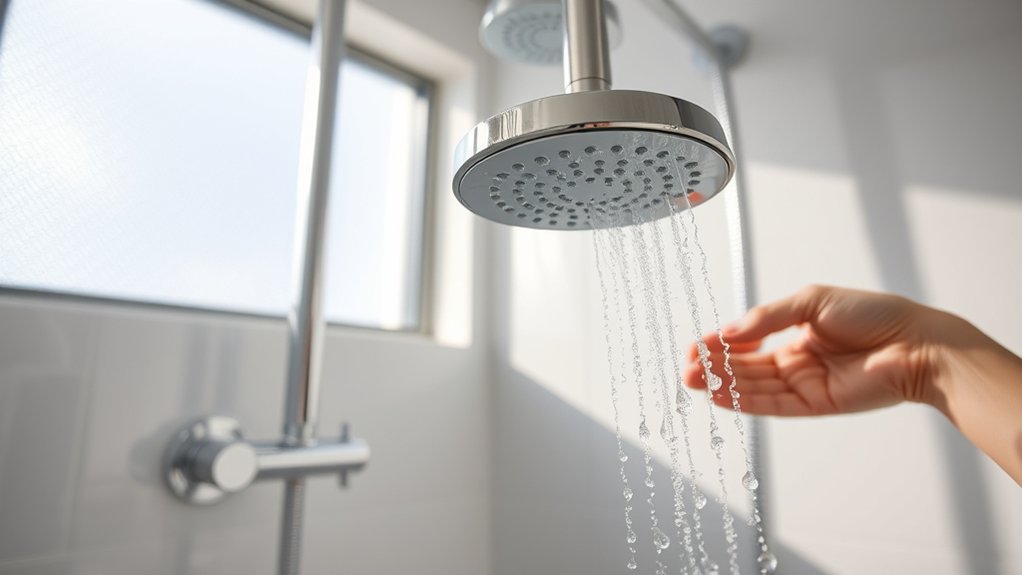
Are All Shower Heads Removable
If shower heads were all created equal, removing them would be a simple task every time. However, not all shower heads are removable. While most models use a standard threaded connection making removal straightforward, some are sealed or welded for stability, especially in commercial settings.
Understanding how to identify your shower head type and the right approach to removal can save you frustration and damage. So, what should you know before you start unscrewing?
Key Takeaways
- Most shower heads are removable due to standard threaded connections at the shower arm.
- Some shower heads are permanently fixed using adhesives or specialized fittings preventing removal.
- Fixed shower heads comply with plumbing codes for safety, stability, and consistent water flow.
- Visible joints or seams typically indicate removability, while smooth sealed connections suggest permanent fixtures.
- Removal difficulty can arise from mineral buildup, corrosion, or overtightening, not all heads are easily removable.
How To Tell If Your Shower Head Is Removable
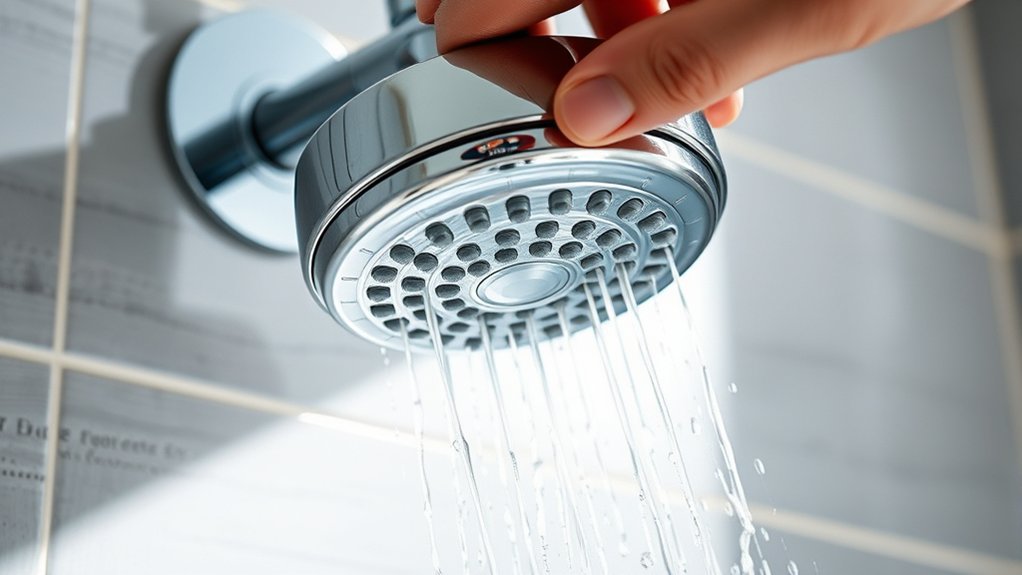
How can you quickly determine if your shower head is removable? First, look at the connection point where the shower head meets the shower arm. Most removable shower heads are threaded and screwed onto the arm, allowing for easy detachment using common removal tools like an adjustable wrench or pliers.
Check for a visible joint or seam indicating a detachable piece. If you see a smooth, sealed connection without threads or visible fasteners, your shower head might be permanently installed or integrated.
Consider your installation choices: standard threaded connections are designed for removal and replacement, while certain models use adhesives or specialized fittings that complicate removal. Understanding these details helps you select appropriate removal tools and avoid damage during disassembly.
Types Of Shower Heads And How They Attach
Why do different shower heads attach in various ways? It’s not an irrelevant topic or unrelated subject; attachment methods vary due to design, plumbing compatibility, and user needs. Understanding these types helps you identify if your shower head is removable.
| Shower Head Type | Attachment Method |
|---|---|
| Fixed | Threaded connection |
| Handheld | Hose with threaded ends |
| Rainfall | Wall or ceiling mount |
| Dual | Combination of fixed and handheld |
Each type uses standard plumbing threads (usually ½ inch), but some may have additional seals or brackets. This variety prevents confusion about removability, unlike unrelated subjects like water pressure or shower size, which don’t affect attachment.
Knowing these types clarifies how your shower head connects and whether you can detach it easily for cleaning or replacement.
Why Some Shower Heads Are Permanently Fixed
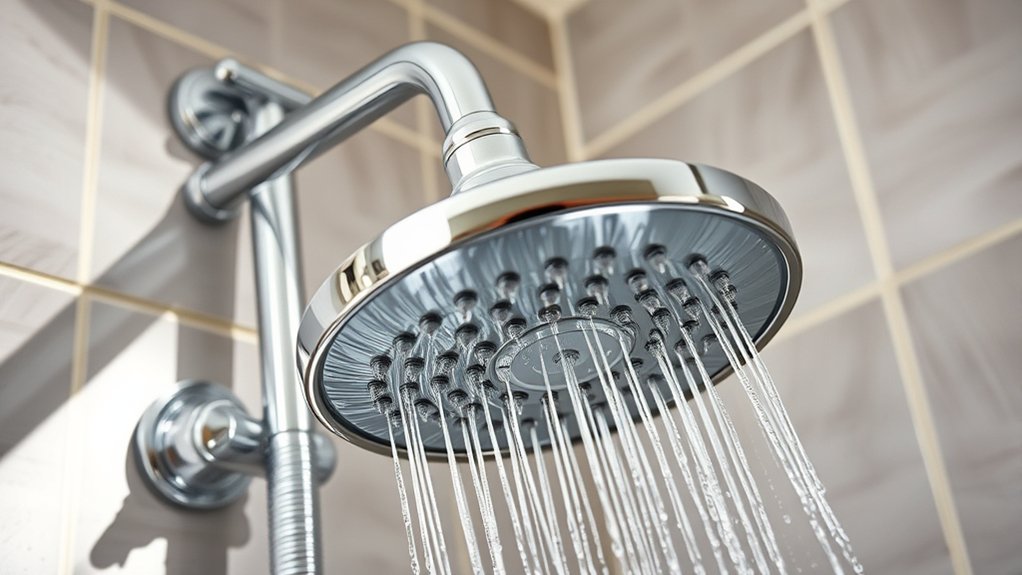
You’ll find some shower heads permanently fixed due to plumbing code requirements that guarantee safety and proper water flow. Design and installation choices often prioritize stability and leak prevention over removability.
Additionally, fixed units tend to require less maintenance and offer greater durability in high-use settings.
Plumbing Code Requirements
Although many shower heads are designed for easy removal, plumbing codes often require certain fixtures to be permanently fixed to ensure safety and compliance. This is particularly important when water pressure standards must be maintained to prevent leaks or bursts.
When you plan remodel considerations, you need to verify local codes, which may mandate non-removable shower heads in commercial or multi-unit residential buildings. These requirements help control water usage and minimize tampering risks.
Additionally, fixed fixtures ensure consistent water pressure and temperature regulation, critical for preventing scalding or damage. Ignoring these codes can lead to costly fines or failed inspections.
Always consult your jurisdiction’s plumbing code before altering or installing shower heads to ensure your setup meets all safety and performance standards.
Design and Installation Choices
Local plumbing codes often dictate whether shower heads must be permanently fixed, but design and installation choices also play a significant role in this decision. You might encounter design misconceptions suggesting fixed shower heads are outdated or less functional, but manufacturers often choose permanent fixtures to ensure proper water flow and pressure.
Installation myths also influence this: some believe removable heads cause leaks or require complex fittings, yet many permanent installations aim to minimize maintenance and simplify plumbing connections. When you install a shower head, you must consider pipe alignment, wall structure, and intended use.
These factors often lead professionals to select fixed models for stability and compliance. Understanding these practical reasons helps you avoid unnecessary replacements driven by false assumptions about removability.
Maintenance and Durability Reasons
Why do some shower heads come permanently fixed rather than removable? The answer lies in maintenance, durability, and cost-effectiveness. Permanently fixed shower heads minimize issues related to removal, such as leaks or loosening, preserving the unit’s integrity over time.
They also maintain cleaner aesthetics, avoiding gaps or worn threads that removable models might develop. Additionally, fixed units often benefit from lower retail pricing due to simpler designs and installation requirements.
| Factor | Fixed Shower Heads | Removable Shower Heads |
|---|---|---|
| Maintenance | Low risk of leaks or loosening | Requires periodic tightening |
| Durability | Enhanced due to permanent fitting | Potential wear from repeated removal |
| Aesthetics | Seamless, clean look | May show wear at connection points |
| Retail Pricing | Generally lower | Often priced higher for flexibility |
| Installation Ease | Simple, robust mounting | More complex, requires sealing |
Tools You’ll Need To Remove A Shower Head
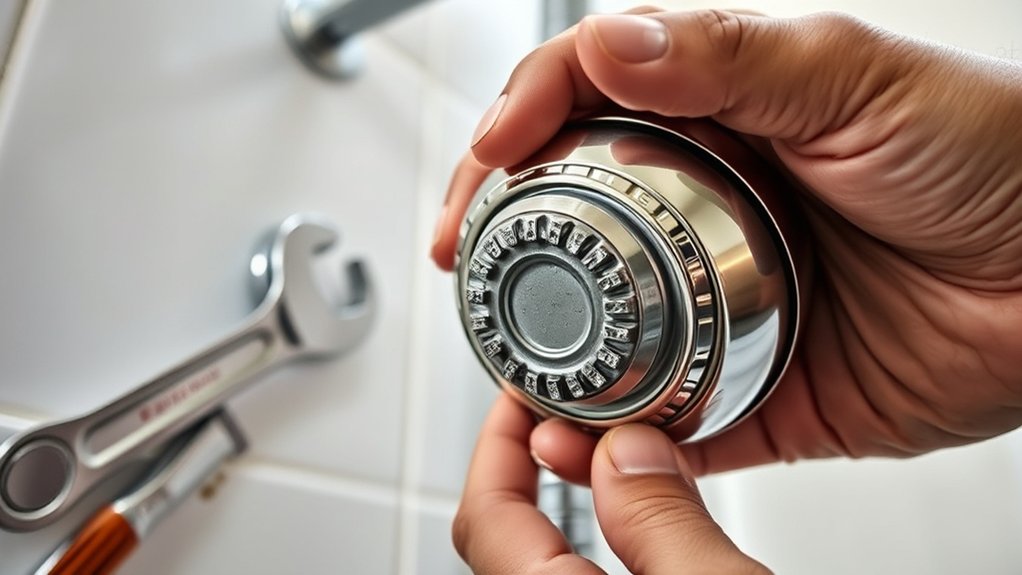
To remove a shower head, you’ll need essential tools like an adjustable wrench or pliers to loosen the connection. Having plumber’s tape handy can prevent leaks when reinstalling.
Optional items like a cloth can protect finishes and a lubricant can ease stubborn fittings.
Essential Removal Tools
Removing a shower head requires a few essential tools to guarantee a smooth and damage-free process. First, an adjustable wrench or a pair of channel lock pliers is crucial to grip and loosen the connecting nut without causing damage. Use a cloth or rubber pad between the tool and the fixture to prevent scratches.
A pipe wrench may be necessary for stubborn fittings, but apply it carefully to avoid distorting the pipe. Contrary to removal myths, you don’t need specialized or excessive force tools; proper leverage and the right tool suffice.
Additionally, having plumber’s tape on hand helps reseal threads during reinstallation, ensuring optimal water pressure and preventing leaks. These tools cover the fundamental needs for removing most shower heads efficiently and safely.
Optional Helpful Equipment
While adjustable wrenches and plumber’s tape handle most of the heavy lifting when removing a shower head, certain optional tools can make the job smoother and faster. A strap wrench, for instance, offers a firm grip without damaging finishes, especially useful for delicate or corroded fittings.
Needle-nose pliers can help manipulate small components or remove washers. A penetrating oil spray loosens stubborn threads, reducing effort and preventing damage. Though some might suggest unrelated topic tools like hammers or screwdrivers, these are typically irrelevant topics in this context and risk harming your plumbing.
Avoid using tools that don’t directly assist in loosening or protecting the shower head. By selecting the right optional equipment, you’ll streamline removal while preserving your fixtures’ integrity.
How To Remove A Standard Shower Head
Start by turning off the water supply to your shower and ensuring the water is completely off. Next, place a cloth or towel over the shower arm to protect its finish.
Use an adjustable wrench or pliers to grip the base of the shower head where it connects to the shower arm. Turn counterclockwise to loosen and remove the shower head.
If it resists, avoid focusing on irrelevant topic or unrelated subject techniques; stick to applying steady, controlled force. Once removed, you can inspect the shower arm threading and clean any mineral buildup.
What To Do If Your Shower Head Won’t Budge?
If your shower head won’t budge, start by applying a penetrating lubricant to loosen any mineral buildup or corrosion. Use an adjustable wrench or pliers with a cloth to protect the fixture’s finish while turning counterclockwise.
If it’s still stuck, applying steady, increasing pressure can help break the seal without damaging the plumbing.
Loosening Stuck Shower Heads
Why won’t your shower head budge when you try to remove it? Mineral buildup, corrosion, or overtightening often cause this issue, unrelated to offbeat concerns like water pressure or design. To loosen a stuck shower head, you need to address these technical factors directly.
Try these steps:
- Apply penetrating oil to dissolve rust and mineral deposits.
- Use a cloth to protect the fixture and gently twist counterclockwise.
- Heat the connection with warm water to expand metal parts slightly.
Avoid forcing the shower head, as this risks damage. If these practical measures don’t work, the problem may be more severe, requiring specialized tools or professional help. Understanding the cause prevents wasting time on unrelated topics and ensures effective removal.
Tools For Removal
How do you tackle a shower head that refuses to budge despite your best efforts? First, gather essential tools: an adjustable wrench, plumber’s tape, and penetrating oil. Apply penetrating oil around the joint to loosen mineral deposits.
After waiting 10-15 minutes, use the adjustable wrench to grip the shower arm firmly. Avoid applying excessive force to prevent damage. If the shower head still won’t move, wrap a cloth around the connection to protect the finish and try again.
Avoid distractions like unrelated topic discussions or random chatter while working; focus ensures precision and safety. If these tools fail, consider a strap wrench for better grip without scratching.
Using the right tools methodically prevents damage and simplifies removal, even when the shower head seems immovable.
How To Replace Your Shower Head With A New Model
Where should you start when replacing your shower head with a new model? First, assess if your current shower head involves irreversible fixtures or permanent fittings, as these may require specialized tools or professional help. Next, gather all necessary materials and prepare the workspace.
Follow these steps for an efficient replacement:
Turn off the water supply to prevent leaks.
Use a wrench to carefully unscrew the old shower head, avoiding damage to the plumbing.
Wrap plumber’s tape around the threads of the shower arm before attaching the new shower head to ensure a tight seal.
Benefits Of Using A Removable Or Adjustable Shower Head
What advantages do removable or adjustable shower heads offer for your daily routine? Primarily, they provide enhanced control over water flow direction and pressure, allowing you to customize your shower experience efficiently.
A removable shower head simplifies cleaning and maintenance, reducing buildup that might impair function. Adjustable heads accommodate users of different heights and preferences, improving comfort without the need for permanent fixtures.
Importantly, focusing on unrelated concepts like decorative styles is an irrelevant topic here; the functional benefits take precedence. Additionally, these shower heads support water conservation by enabling targeted rinsing, which cuts waste.
Common Mistakes That Damage Shower Heads Or Pipes
Why do some shower heads and pipes fail prematurely? Often, it’s because you unknowingly commit errors that stress these components. Avoiding irrelevant topic discussions or unrelated concepts helps focus on critical maintenance.
Here are common mistakes you should prevent:
- Over-tightening connections: This strains threads and may crack pipes or shower heads.
- Using harsh chemical cleaners: These degrade seals and internal parts, causing leaks and corrosion.
- Ignoring mineral buildup: Scale restricts flow and damages valves if left unchecked.
When To Call A Professional Plumber For Shower Head Issues
How do you know when a shower head problem requires a professional plumber? If you encounter persistent leaks, reduced water pressure, or damaged pipes behind the wall, it’s time to call an expert.
DIY fixes might work for simple clogs or removable shower heads, but complex issues often involve plumbing components that need specialized tools and expertise. Avoid wasting time on unrelated topic research or off topic ideas that don’t address your specific problem.
Attempting repairs beyond your skill can worsen damage or void warranties. A licensed plumber will accurately diagnose the root cause and perform safe, code-compliant repairs.
When your shower head issues extend past basic maintenance, contacting a professional ensures a reliable solution without risking further damage or costly mistakes.
Frequently Asked Questions
Can a Removable Shower Head Save Water?
You want efficiency, and removable shower heads deliver; they combine convenience with water saving potential. By controlling flow and spray patterns, you reduce waste without sacrificing comfort.
This makes your showers practical, precise, and eco-friendly every time you rinse.
Are Removable Shower Heads Compatible With All Water Pressures?
Removable showerheads aren’t universally compatible with all water pressures. You’ll need to check specific models for water pressure compatibility, ensuring they perform efficiently under your home’s pressure range without compromising flow or durability.
Do Removable Shower Heads Affect Water Temperature Control?
Imagine adjusting a removable showerhead like tuning a fine instrument; it won’t disrupt your water temperature control. The valve behind it maintains precise heat regulation, ensuring consistent warmth no matter which showerhead you attach.
How Often Should I Clean a Removable Shower Head?
You should clean your removable shower head every 1-2 months to maintain optimal performance. Establish a cleaning schedule incorporating water-saving tips, like descaling with vinegar, to prevent buildup and ensure consistent water flow and temperature control.
Are There Health Benefits to Using a Removable Shower Head?
You’ll gain health benefits using a removable shower head by reducing bacteria buildup through easy cleaning.
Plus, many models improve water efficiency, lowering exposure to contaminants and conserving water, which supports overall hygiene and environmental health.