Are Shower Gels Antibacterial
You might assume all shower gels are antibacterial, but that’s not always the case. Many focus on cleansing or moisturizing without containing true antibacterial ingredients.
To know if a product genuinely fights bacteria, you need to look beyond the label and understand which components deliver antimicrobial effects. Understanding this difference can help you choose the right shower gel for your needs and skin type.
Key Takeaways
- Not all shower gels contain antibacterial agents; many focus solely on cleansing and moisturizing without antimicrobial properties.
- Antibacterial shower gels include active ingredients like triclosan, benzalkonium chloride, or chlorhexidine to kill or inhibit bacteria.
- Packaging or labels explicitly stating “antibacterial” or listing antimicrobial ingredients identify genuine antibacterial shower gels.
- Fragrance or “fresh scent” claims do not indicate antibacterial effectiveness and are purely sensory.
- Antibacterial gels are useful for specific situations but are not necessarily more effective than regular gels for routine cleansing.
What Makes a Shower Gel Antibacterial?
What exactly makes a shower gel antibacterial? You’ll want to look closely at its active ingredients, which are specifically formulated to kill or inhibit bacteria. Antibacterial shower gels typically contain agents like triclosan, benzalkonium chloride, or chlorhexidine, which target harmful microbes.
Don’t be swayed by fragrance bias; just because a product smells “clean” or “fresh” doesn’t guarantee antibacterial properties. Instead, focus on packaging claims that explicitly state “antibacterial” or list antimicrobial components. These claims help you identify whether the shower gel offers genuine bacteria-fighting benefits.
Do All Shower Gels Contain Antibacterial Agents?
How can you be sure that every shower gel you pick up contains antibacterial agents? The truth is, not all shower gels include these ingredients. Many products focus on cleansing and moisturizing without antibacterial properties.
Antibacterial myths often arise because some shower gels advertise a “deep clean” or “fresh scent,” leading people to assume they kill bacteria. However, fragrance effects are primarily for sensory appeal and don’t indicate antibacterial action.
To determine if a shower gel contains antibacterial agents, check the ingredient list for substances like triclosan or benzalkonium chloride. Without these, the product won’t actively reduce bacteria.
How Do Antibacterial Shower Gels Work on Your Skin?
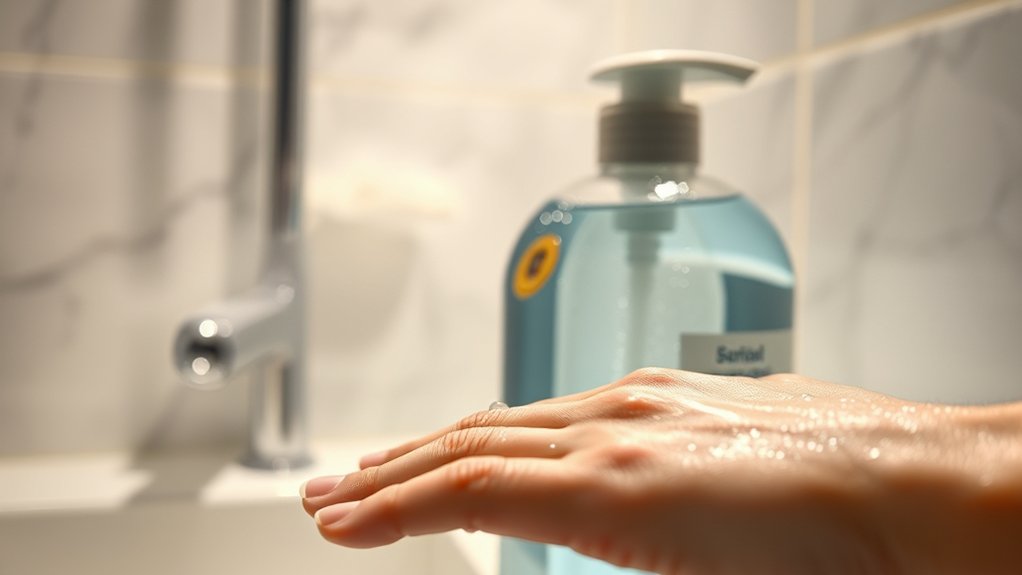
Why do antibacterial shower gels affect your skin differently than regular cleansers? These gels target specific bacteria on your skin, disrupting their growth and reducing microbial presence more effectively than standard products.
When you use them, the antibacterial agents interact with your skin’s surface, helping to maintain hygiene without stripping essential moisture. However, scent profiling plays a crucial role in your experience; manufacturers balance antibacterial efficacy with pleasant fragrances to ensure the product feels fresh and appealing.
Additionally, price sensitivity influences your choice, as antibacterial shower gels often come at a premium compared to regular gels due to specialized ingredients and formulation processes. Understanding how these factors impact your skin helps you select a product that meets both your hygiene needs and personal preferences.
Ingredients That Make Shower Gels Antibacterial
Which ingredients give shower gels their antibacterial power? Key components like triclosan, benzalkonium chloride, and tea tree oil effectively target bacteria on your skin. These ingredients are carefully balanced with current fragrance trends, ensuring you enjoy a fresh scent without compromising antibacterial effects.
Additionally, many brands prioritize packaging sustainability, using recyclable or biodegradable materials, which complements the product’s eco-conscious appeal.
| Ingredient | Antibacterial Effect | Emotional Impact |
|---|---|---|
| Triclosan | Broad-spectrum | Confidence in cleanliness |
| Benzalkonium Chloride | Rapid bacteria elimination | Assurance of protection |
| Tea Tree Oil | Natural, gentle | Comfort and freshness |
When Should You Use an Antibacterial Shower Gel?
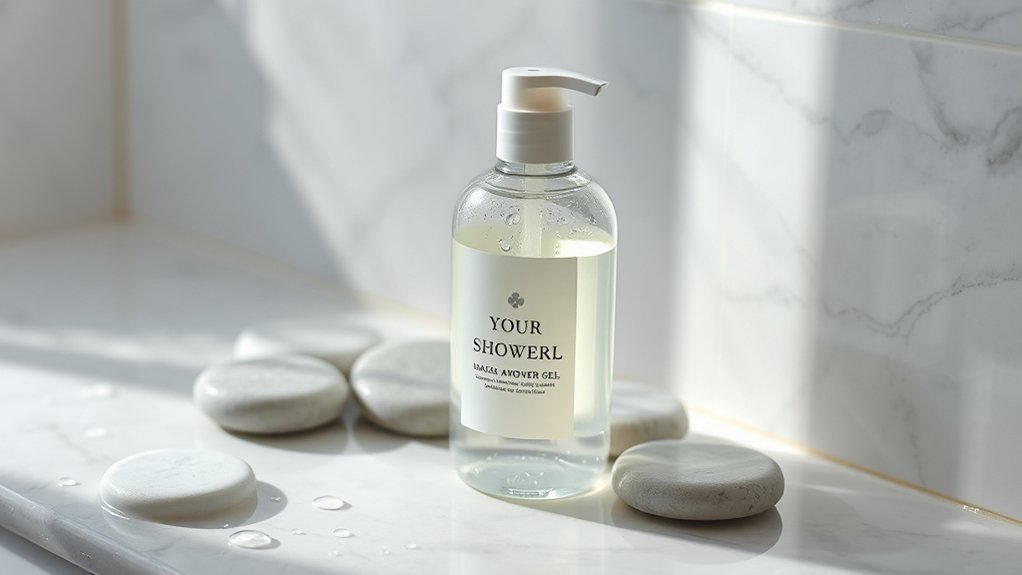
You should use an antibacterial shower gel when you need extra hygiene, such as during illness or after exposure to germs. It’s also helpful if you have certain skin conditions that require careful cleansing.
Plus, using it post-workout can reduce bacteria buildup and keep your skin fresh.
Situations Requiring Extra Hygiene
When do you really need to reach for an antibacterial shower gel? Use it during situations where extra hygiene is crucial, such as after intense physical activity, exposure to germs in public spaces, or contact with contaminated surfaces. Antibacterial shower gels help reduce bacteria that regular cleansers might miss.
If you’re environmentally conscious, look for products with reusable packaging to minimize waste. Also, non scented options are ideal if you have sensitive skin or prefer to avoid strong fragrances that can irritate.
While antibacterial gels offer added protection, they shouldn’t replace routine hygiene practices but rather complement them when you face higher bacterial exposure. Choosing the right product ensures effective cleansing without compromising skin health or environmental responsibility.
Skin Conditions Needing Care
Alongside situations demanding extra hygiene, certain skin conditions also call for the use of antibacterial shower gels to prevent infections and support healing. If you’re dealing with eczema, psoriasis, or minor wounds, antibacterial gels can reduce bacterial growth that worsens symptoms.
When choosing a product, consider fragrance trends that favor mild, hypoallergenic scents to avoid irritation. Also, look for packaging sustainability to minimize environmental impact while caring for your skin.
| Skin Condition | Why Use Antibacterial Shower Gel? |
|---|---|
| Eczema | Prevents secondary infections |
| Psoriasis | Reduces bacterial colonization |
| Minor Wounds | Supports healing by limiting bacteria |
Using antibacterial gels selectively helps maintain skin health without disrupting natural flora.
Post-Workout Cleansing Benefits
How often do you consider the impact of post-workout sweat on your skin’s bacterial balance? After intense exercise, sweat can create a breeding ground for bacteria, potentially leading to unpleasant odors or breakouts.
Using an antibacterial shower gel immediately post workout helps cleanse these bacteria effectively. Opt for products with pump dispensers for hygienic, easy application in busy gym settings.
Additionally, many antibacterial gels include a subtle post workout fragrance that refreshes without overwhelming, ensuring you feel clean and confident. Integrating antibacterial shower gels into your post-exercise routine reduces the risk of bacterial buildup, promotes clearer skin, and maintains freshness.
Are Antibacterial Shower Gels Safe for Your Skin and Health?
Why should you consider the safety of antibacterial shower gels for your skin and overall health? These products often contain active ingredients that target bacteria, but they may also irritate sensitive skin or disrupt your natural microbiome.
Consider antibacterial shower gels carefully—they can target bacteria but may irritate skin or disturb your natural microbiome.
If you have fragrance sensitivity, some antibacterial gels with added scents can provoke allergic reactions or dryness. Additionally, privacy concerns arise because some antibacterial agents are linked to environmental and health debates, prompting you to evaluate their long-term effects carefully.
Using these gels excessively might contribute to antibiotic resistance or skin imbalances. It’s crucial to choose formulations that balance efficacy with gentle ingredients, avoiding harsh chemicals.
Always test a small skin area first and consult dermatologists if you experience irritation or have specific health concerns before regular use.
Are Antibacterial Shower Gels More Effective Than Regular Ones?
What sets antibacterial shower gels apart from regular ones in terms of effectiveness? Antibacterial shower gels contain specific agents designed to reduce bacteria on your skin more effectively than standard formulas. However, this doesn’t always translate to markedly better hygiene for everyday use.
Regular shower gels clean dirt and oils efficiently, which is often enough for most people. When you choose between the two, consider scent preferences and packaging design, as these factors impact your overall experience and product usability.
Antibacterial gels may have a different fragrance or texture, and their packaging might emphasize hygiene benefits. Ultimately, unless you need extra protection in certain conditions, antibacterial gels aren’t necessarily more effective for routine cleansing compared to well-formulated regular shower gels.
Choosing the Right Shower Gel for Your Skin Type
To choose the right shower gel, start by identifying your skin type, whether it’s dry, oily, or sensitive. Pay close attention to ingredients, opting for formulas that address your specific needs, such as hydrating agents for dry skin.
Selecting the proper product guarantees effective cleansing without compromising your skin’s natural balance.
Identifying Your Skin Type
Understanding your skin type plays an essential role in selecting the most effective shower gel for your daily routine. You can classify your skin as oily, dry, combination, or sensitive, each requiring different care.
Oily skin benefits from gels that control excess sebum without stripping moisture, while dry skin needs hydrating formulas. Combination skin requires balanced products, and sensitive skin calls for gentle, fragrance-free options.
When choosing a shower gel, also consider the fragrance notes; strong scents can irritate sensitive skin, whereas subtle, natural notes may complement your skin’s needs without causing discomfort.
Ingredients to Consider
Once you’ve identified your skin type, focusing on the ingredients in your shower gel becomes a key step in selecting the right product. For sensitive or dry skin, look for gentle, sulfate-free formulas with soothing agents like aloe vera or chamomile.
If you have oily or acne-prone skin, ingredients such as salicylic acid or tea tree oil can help manage excess oil and prevent breakouts. Avoid harsh detergents that strip natural oils, regardless of skin type.
Additionally, pay attention to fragrance notes; synthetic fragrances may irritate sensitive skin, so opting for natural or fragrance-free options is wise. By aligning your shower gel’s ingredients with your skin type and preferences, you can maintain healthy skin without compromising comfort or effectiveness.
Benefits of Hydrating Formulas
A hydrating shower gel can make a significant difference in maintaining your skin’s moisture balance, especially if you have dry or sensitive skin. Hydrating formulas often contain ingredients like glycerin, hyaluronic acid, or natural oils that help replenish and lock in skin moisture during cleansing.
By choosing a shower gel with these components, you prevent the common drying effects of traditional soaps or antibacterial agents. These formulas support your skin’s natural barrier, reducing irritation and enhancing softness.
When selecting the right shower gel, consider your skin type and look for hydrating formulas designed to maintain ideal skin moisture without stripping essential oils. This approach ensures your skin stays nourished, comfortable, and healthy after every shower.
What Are Good Alternatives to Antibacterial Shower Gels?
Why should you consider alternatives to antibacterial shower gels? Some antibacterial products use chemicals that may irritate your skin or disrupt natural flora. You can opt for gentle, hydrating shower gels or natural soap bars that offer cleansing without harsh agents.
Plus, scented formulas and budget options are widely available, offering variety without compromise.
| Alternative Type | Benefits | Considerations |
|---|---|---|
| Hydrating Shower Gels | Moisturize, gentle on skin | May lack antibacterial agents |
| Natural Soap Bars | Eco-friendly, minimal additives | Can be drying for sensitive skin |
| Scented Formulas | Pleasant aroma, variety | Potential allergens |
| Budget Options | Affordable, accessible | Quality varies |
Choosing wisely helps maintain skin health while keeping your routine effective and enjoyable.
How to Use Shower Gels to Stay Clean and Healthy
To stay clean and healthy, you need to apply shower gel properly, ensuring it reaches all areas of your body. Choose shower gels with effective ingredients that suit your skin type and provide gentle cleansing.
Following these steps helps maximize cleanliness without compromising your skin’s health.
Proper Shower Gel Application
How can you guarantee your shower gel effectively cleans your skin and supports your health? Start by using the right amount. Usually a dime-sized drop dispensed through a pump mechanism ensures controlled application without waste.
Apply the gel to wet skin and create a rich lather, which helps lift away dirt and oils. Pay attention to areas prone to buildup, such as underarms and feet.
Rinse thoroughly to remove all residue, preventing irritation or blocked pores. Remember, fragrance science plays a role in your shower experience; choose gels with scents that complement your skin type and avoid irritation.
Proper application maximizes the gel’s cleansing power without harming your skin’s natural barrier, helping you stay clean and healthy every day.
Choosing Effective Ingredients
Which ingredients truly make a shower gel effective at keeping your skin clean and healthy? Look for formulations containing gentle surfactants like sodium cocoyl isethionate or decyl glucoside, which cleanse without stripping natural oils.
Antibacterial agents such as benzalkonium chloride or chlorhexidine can reduce harmful bacteria but should be used judiciously to avoid disrupting your skin’s microbiome. Additionally, moisturizing components like glycerin and aloe vera help maintain hydration.
Pay attention to fragrance trends that favor natural essential oils over synthetic scents, minimizing irritation risks. When selecting your shower gel, consider brands committed to sustainability, particularly those using recyclable bottles or refill systems that support bottle recycling.
Choosing effective ingredients ensures your shower routine promotes cleanliness and skin health while aligning with eco-friendly practices.
Frequently Asked Questions
Can Antibacterial Shower Gels Cause Antibiotic Resistance?
Yes, using antibacterial shower gels excessively can contribute to antibiotic resistance by disrupting microbial ecology.
You should practice antibiotic stewardship by limiting their use to preserve beneficial microbes and reduce the risk of resistant bacteria developing.
Do Antibacterial Shower Gels Affect the Skin Microbiome Long-Term?
Studies show over 60% of skin bacteria can be disrupted by antibacterial shower gels. You’ll risk long-term effects that impact balance, potentially weakening your skin’s natural defenses and altering its microbiome in harmful ways.
Are Antibacterial Shower Gels Environmentally Friendly?
You shouldn’t assume antibacterial rinses are environmentally friendly, as their chemicals can harm aquatic life. Instead, look for shower gels with sustainable packaging and biodegradable ingredients to minimize environmental impact while maintaining hygiene.
Can Children Use Antibacterial Shower Gels Safely?
You can use antibacterial shower gels for children, but choose those with child safe ingredients and low irritants.
Since 15% of kids have allergies, always check for allergy considerations to avoid skin reactions or sensitivities.
How Do Antibacterial Shower Gels Compare in Cost to Regular Gels?
You’ll find antibacterial shower gels usually cost more than regular gels, but the cost comparison should consider long term effects, like skin health and potential bacterial resistance, which might influence your overall value and choice.