Are Shower Heads Recyclable
Just like sorting your recyclables at home, figuring out if shower heads are recyclable involves more than meets the eye. You might assume they belong in the recycling bin, but their mixed materials—often metals combined with plastics—complicate the process.
Understanding how local programs handle these components and what steps you can take to separate them can considerably affect whether your old shower head avoids the landfill. Taking the time to check with your municipal recycling guidelines will help ensure proper disposal.
Key Takeaways
- Shower heads often contain mixed materials like plastic and metal, requiring separation for effective recycling.
- Metal components such as brass or stainless steel are generally recyclable through local metal recycling programs.
- Plastic parts may be recyclable depending on local facility capabilities and polymer types accepted.
- Some municipalities and hardware stores offer specialized take-back or collection programs for plumbing fixtures.
- Proper recycling avoids landfill waste, recovers valuable materials, and supports environmental sustainability.
What Are Shower Heads Made Of?
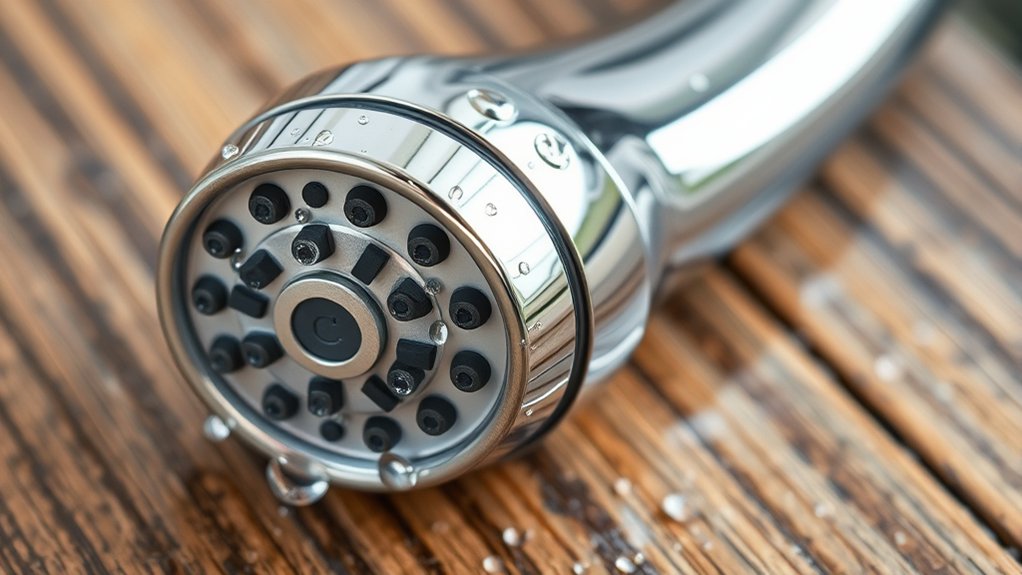
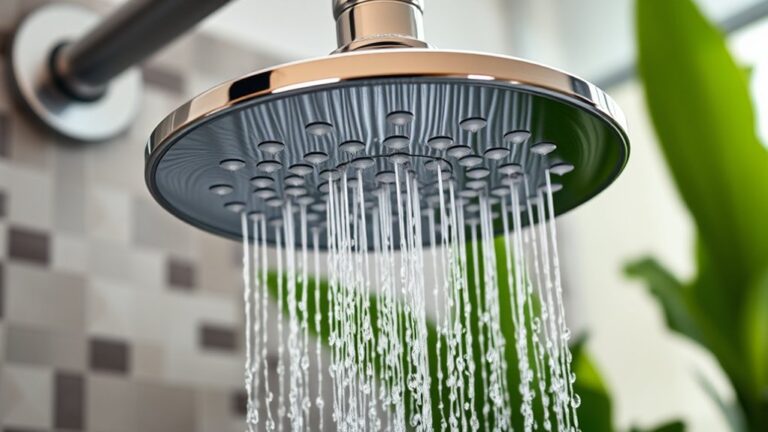
Shower heads typically consist of materials such as plastic, brass, stainless steel, or chrome-plated metal. You’ll find that plastic models are lightweight and cost-effective, while brass and stainless steel offer durability and corrosion resistance. Chrome plating enhances aesthetic appeal and protects underlying metals from wear.
When considering recycled showerheads, manufacturers often prioritize material reuse by incorporating reclaimed metals or plastics to reduce environmental impact. This process involves dismantling old units, separating components, and processing raw materials for manufacturing new shower heads.
Understanding the composition helps you evaluate the feasibility of recycling or repurposing these devices. Since mixed materials complicate recycling, knowledge of what your shower head contains is essential for effective material recovery and supporting sustainable practices in plumbing fixtures.
Can You Recycle Shower Heads Locally?
You can recycle shower heads locally, but options vary depending on your area’s recycling facilities. Many programs require you to separate materials like metal and plastic before disposal.
Check your local guidelines to ensure compliance with material-specific recycling rules.
Local Recycling Options
Where can old plumbing fixtures like shower heads be recycled? You’ll typically find local recycling centers or scrap metal facilities that accept them, as shower heads often contain valuable recycled metals such as brass, copper, and stainless steel.
These metals can be extracted and processed for reuse, reducing the demand for virgin materials and supporting environmental sustainability. Additionally, some municipalities have special collection programs targeting plumbing fixtures, promoting water conservation by encouraging the replacement of inefficient units with modern, water-saving models.
Before recycling, check with your local waste management authority for specific guidelines, as acceptance policies vary. Proper disposal through these local options guarantees that materials are recovered efficiently, minimizing landfill waste and contributing to resource conservation efforts.
Material-Specific Guidelines
How can you determine if your local recycling program accepts shower heads? Since shower heads combine materials like metal and plastic, recycling acceptance varies. Start by reviewing your municipality’s guidelines or contacting waste management.
Consider these points when assessing recyclability:
- Identify materials. Metal parts often recycle easier than plastic components.
- Check for eco friendly design labels indicating recyclability or water saving metrics compliance.
- Separate detachable parts to facilitate sorting and proper disposal.
- Use specialized recycling centers for mixed-material products if local programs reject them.
Why Landfilling Shower Heads Harms the Environment
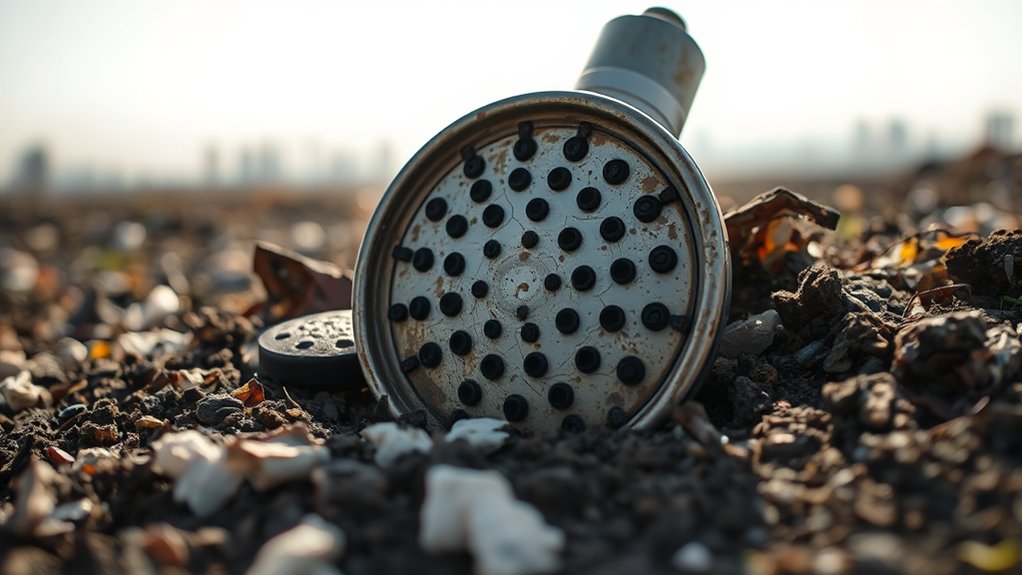
Why does landfilling shower heads pose a significant environmental threat? When you landfill shower heads, you contribute to plastic waste accumulation, as most contain non-biodegradable recycled plastics. These materials persist in landfills, releasing harmful chemicals that can leach into soil and groundwater, affecting ecosystems.
Additionally, discarded shower heads miss an opportunity to support water conservation efforts through recycling programs that promote efficient product reuse.
| Impact Area | Consequence | Evidence |
|---|---|---|
| Plastic Waste | Accumulation in landfills | Non-biodegradable materials |
| Chemical Leaching | Soil and water contamination | Toxic additives in plastics |
| Resource Loss | Wasted recycled plastics potential | Reduced material reuse |
| Water Conservation | Missed eco-friendly innovations | Limited recycled product use |
Avoiding landfilling supports environmental health and resource efficiency.
Where to Recycle or Dispose of Old Shower Heads
You can recycle old shower heads at local recycling centers that accept mixed metals and plastics. Some hardware stores offer take-back programs specifically for plumbing fixtures, which helps ensure proper processing.
Additionally, specialized e-waste facilities may accept certain shower heads containing electronic components for safe disposal.
Local Recycling Centers
Where can you take an old shower head when it’s time to recycle or dispose of it? Local recycling centers often provide the most reliable option, debunking recycling myths that suggest these items aren’t recyclable.
Shower heads typically contain metals and plastics, which many centers accept separately. To ensure compliance with water saving metrics regulations, centers might prioritize recycling programs aligned with environmental standards.
Consider these options at local recycling centers:
- Metal recycling drop-off points for brass or chrome parts
- Plastic recycling bins for polymer components
- Hazardous waste sections if the shower head contains electronic or treated parts
- Municipal waste facilities offering special collection days for plumbing fixtures
Checking your local center’s guidelines ensures proper disposal and maximizes material recovery.
Hardware Store Programs
How can hardware stores assist in recycling or disposing of old shower heads? Many hardware stores have started programs to accept used shower heads for recycling or proper disposal. These programs counter common recycling myths by clarifying that not all shower heads are curbside recyclable due to mixed materials like plastic and metal.
When you bring in your old shower head, staff can guide you on whether it qualifies for in-store recycling or if it should be directed elsewhere. Participating in these programs supports water conservation efforts by encouraging the replacement of inefficient models with newer, water-saving ones.
Specialized E-Waste Facilities
Why do specialized e-waste facilities play a crucial role in recycling old shower heads? These centers effectively handle the complex materials in shower heads, such as metals and plastics, which often contain electronic components.
Contrary to common recycling myths, these facilities prevent environmental contamination and promote resource recovery. When you take your shower head to a specialized e-waste facility, you ensure:
- Proper segregation of recyclable materials
- Safe disposal of electronic parts
- Reduction of landfill waste
- Support for water conservation efforts through material reuse
These facilities use advanced processes to dismantle and recycle parts that regular curbside programs can’t manage. By utilizing specialized e-waste facilities, you contribute to sustainable waste management and help preserve water resources by encouraging the manufacture of efficient replacement products.
How to Separate Shower Head Materials for Recycling
When preparing a shower head for recycling, you’ll need to disassemble its components carefully to separate different materials. Start by unscrewing the shower head from the hose or pipe. Identify plastic parts, typically made from ABS or polypropylene, and metal parts such as brass or stainless steel.
Remove rubber washers and silicone nozzles, as they require different recycling processes. Contrary to common recycling myths, mixing materials reduces recycling efficiency and can contaminate batches. Proper material sorting improves recovery rates and reduces environmental impact.
Use tools like pliers and screwdrivers to detach parts without damaging them, ensuring recyclable materials remain intact. Once separated, clean each component to remove residue. By following these steps, you’ll facilitate effective recycling and help avoid contamination in recycling streams.
How Can You Repurpose Your Old Shower Head?
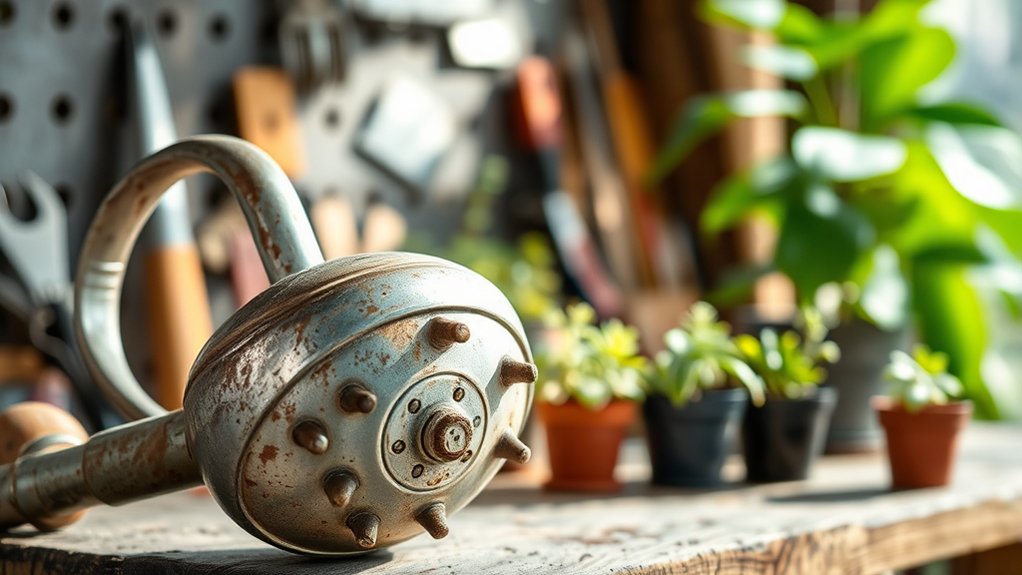
Separating shower head materials for recycling reduces environmental impact, but repurposing old units can extend their usefulness without requiring industrial processes. By reusing shower heads, you minimize waste and reduce demand on raw material sources.
Here are four practical ways to repurpose your old shower head:
- Convert it into a garden sprinkler for eco-friendly watering solutions.
- Use it as a decorative water feature in outdoor water systems.
- Modify it for use in hydroponic setups to distribute water evenly.
- Integrate it into DIY projects requiring controlled water flow.
These applications maintain functionality while reducing environmental strain. Repurposing complements recycling efforts by leveraging existing materials, conserving resources, and promoting sustainable consumption.
What Makes a Shower Head Eco-Friendly?
How do eco-friendly shower heads reduce water consumption without compromising performance? They employ an eco friendly design that optimizes water flow dynamics, maintaining sufficient pressure while minimizing volume. These shower heads integrate flow restrictors and aerators, which mix air with water, creating a satisfying spray with less water usage.
Water saving metrics, such as gallons per minute (GPM), quantify their efficiency; eco-friendly models typically operate at 1.5 to 2.0 GPM, compared to traditional heads exceeding 2.5 GPM. The design also considers materials and manufacturing processes to lower environmental impact.
Comparing Eco-Friendly and Traditional Shower Heads
Eco-friendly shower heads optimize water flow to reduce consumption without sacrificing performance, but understanding their benefits requires comparing them directly to traditional models. When you brush up on both types, you’ll notice key differences:
- Water Efficiency: Eco-friendly models use advanced aerators to cut water use by up to 30%, unlike traditional heads that often lack flow restrictors.
- Material Composition: Eco-friendly shower heads typically incorporate recyclable plastics or metals, whereas traditional versions may use less sustainable materials.
- Performance: Modern eco-friendly designs maintain pressure and coverage similar to traditional heads, ensuring no drop in user experience.
- Environmental Impact: The lifecycle of eco-friendly units tends to generate fewer carbon emissions due to reduced water and energy usage.
Understanding these distinctions helps you make informed choices aligned with sustainability goals.
How to Maintain Your Shower Head for Longer Use
Why does regular maintenance matter for your shower head’s longevity? Proper upkeep prevents mineral buildup and corrosion, common issues that degrade performance and lifespan.
You should clean your shower head monthly using a vinegar solution to dissolve limescale deposits without damaging eco friendly coatings or materials derived from sustainable material sourcing. Additionally, inspect rubber washers and replace them when worn to avoid leaks that strain internal components.
Flushing the shower head periodically helps remove debris trapped inside, maintaining optimal water flow. By adhering to these evidence-based maintenance practices, you extend the functional life of your shower head, reducing waste and the need for replacement.
This approach aligns with eco friendly principles by minimizing resource consumption and supporting sustainable product use.
Frequently Asked Questions
Do Shower Heads Affect Water Pressure in My Home?
Think of your shower head as a gatekeeper; its design directly impacts pressure by controlling flow rate adjustments. Choosing one with efficient nozzles ensures optimal water velocity and consistent pressure throughout your home’s plumbing system.
Can Shower Heads Help Reduce Water Bills?
You can reduce water bills by choosing shower heads with water saving features, like low flow rates.
Additionally, exploring recycling options for old units supports sustainability while maintaining efficiency in your home’s water usage.
Are There Health Benefits to Using Certain Shower Heads?
You’ll be surprised that using shower heads made from recycled materials can reduce exposure to harmful bacteria by up to 30%.
Prioritizing health considerations, these eco-friendly options improve water quality and minimize skin irritation effectively.
How Often Should I Replace My Shower Head?
You should replace your shower head every 6 to 12 months, depending on water quality and usage. Regular maintenance, like cleaning mineral deposits, can extend its lifespan and improve performance, optimizing replacement frequency effectively.
Do Different Shower Heads Impact Water Temperature Consistency?
Yes, different shower heads impact water temperature consistency due to varying flow rates and internal mechanisms. This debate topic requires careful installation considerations, as improper setup can exacerbate temperature fluctuations, affecting your overall shower experience.