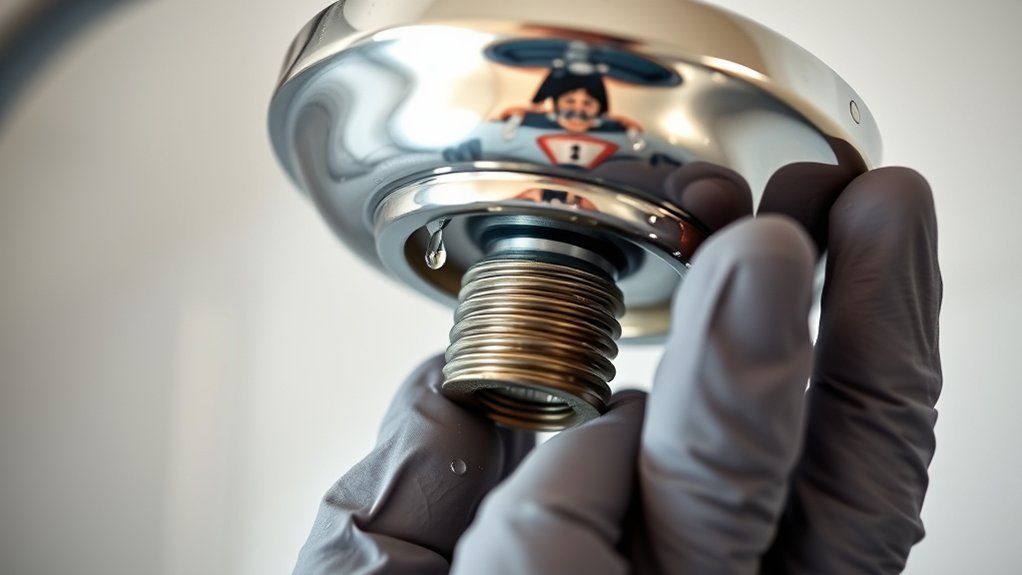
Are Shower Heads Reverse Threaded
You might assume all shower heads tighten clockwise, but are shower heads reverse threaded? That’s not always the case. While most use standard right-hand threads, some models feature reverse threading, which screws on counterclockwise.
Understanding which type you have is essential to avoid damage and guarantee a proper fit. Before you attempt installation or removal, it’s important to know how to identify these thread types.
Knowing what steps to take if you encounter a reverse-threaded fixture can save you time and frustration. Proper identification ensures a smooth and secure shower head setup.
Key Takeaways
- Most shower heads use standard right-hand threads that tighten clockwise for secure attachment.
- Reverse-threaded shower heads, which tighten counterclockwise, are rare and uncommon in modern fixtures.
- Manufacturer specifications and visual inspection help identify if a shower head has reverse threading.
- Incorrect thread direction can cause cross-threading, leaks, and damage during installation or removal.
- Proper verification of thread type ensures compatibility and prevents issues with warranty and sealing.
Are Shower Heads Reverse Threaded?
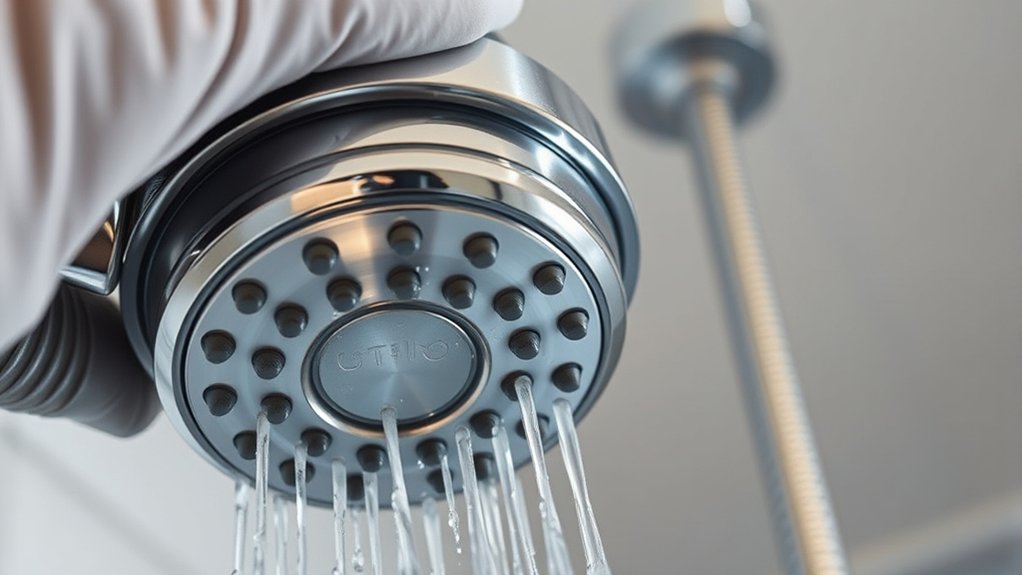
How can you tell if a shower head is reverse threaded? Typically, shower heads follow a standard right-hand thread, meaning you turn them clockwise to tighten.
Reverse-threaded shower heads, however, require a counterclockwise turn to secure. This design is rare and not commonly found in modern plumbing fixtures.
Understanding this is important as design trends in bathroom decor often emphasize ease of installation and maintenance, favoring standard threading.
When selecting or replacing a shower head, check manufacturer specifications or visually inspect the threading direction. Most contemporary shower heads adhere to right-hand threads to ensure compatibility with existing plumbing.
Reverse threading remains an exception, usually limited to specialized or vintage models, and isn’t a standard feature influencing current bathroom decor design trends.
Why Thread Direction Matters for Shower Heads
You need to understand thread direction basics because shower heads rely on matching threads for secure attachment. If the threads don’t align correctly, installation becomes difficult or impossible, risking leaks or damage.
Knowing the correct thread orientation ensures you install the shower head efficiently and maintain a proper seal.
Thread Direction Basics
Why does thread direction matter when installing or replacing shower heads? Understanding thread direction is essential because it ensures compatibility and prevents damage. Shower heads typically use standard right-hand threads, but some models may have reverse (left-hand) threads. Mixing these can lead to stripped threads or leaks.
When considering discussion ideas, avoid unrelated topics like water pressure or spray patterns here; focus strictly on thread mechanics.
Here’s why thread direction matters:
- Compatibility: Matching thread direction guarantees a secure fit.
- Durability: Correct threading reduces wear and potential damage.
- Safety: Proper installation prevents leaks and water damage.
Impact on Installation
When installing a shower head, does thread direction influence the ease and security of the process? Absolutely. Using the correct thread direction ensures a tight, leak-free connection, preventing damage to threads during tightening or loosening.
If you inadvertently force a reverse-threaded shower head onto standard threads, you risk cross-threading, which compromises the seal and can void irreversible warranties. Moreover, adhering strictly to unrelated plumbing codes may not address thread direction issues, so you must verify compatibility with the manufacturer’s specifications.
Proper installation minimizes the chance of leaks and mechanical failure, maintaining system integrity and warranty coverage. Understanding thread orientation isn’t just technical; it’s essential for a secure fit and long-term performance, preventing costly repairs and warranty disputes down the line.
How to Identify Reverse Threaded Shower Heads
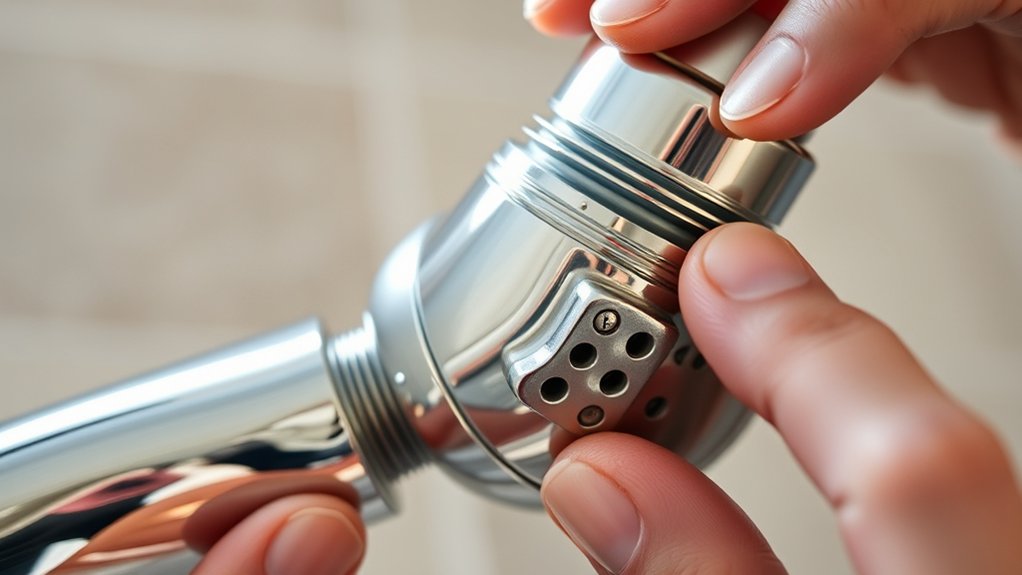
You can identify a reverse threaded shower head by closely examining the thread direction visually; standard threads tighten clockwise, while reverse threads tighten counterclockwise.
Using a thread pitch gauge or a threading tool helps confirm the thread orientation accurately. These tools provide precise measurements, ensuring you choose the correct replacement or attachment method.
Visual Thread Direction Checks
Thread direction plays an essential role in determining how a shower head attaches to the water supply pipe. To perform effective visual thread direction checks, focus on these key indicators:
- Thread angle observation: Examine the angle of the threads on the pipe or shower head. Standard threads slope downward clockwise, while reverse threads slope downward counterclockwise.
- Thread lead inspection: Identify the direction the thread “leads” or moves as you follow it. For reverse threads, turning counterclockwise tightens the connection, the opposite of standard threading.
- Comparison with standard fittings: Use a known standard threaded fitting as a reference. Contrast the thread orientation visually to confirm if the fitting is reverse threaded.
These visual checks provide two word discussion ideas that help you quickly determine thread type without tools.
Tools for Thread Identification
Visual inspection offers initial clues about thread direction, but confirming whether a shower head is reverse threaded often requires specific tools. You’ll want to use a thread gauge, which measures thread pitch and angle, to precisely identify the threading type.
A caliper is also useful for measuring outer diameter and thread depth, helping distinguish between standard and reverse threads. Additionally, a thread pitch gauge set provides multiple blades to quickly compare thread profiles.
When using these tools, match measurements against manufacturer specifications or industry standards. Avoid guesswork by marking the thread direction with a two word idea: “rotation check.” This method involves turning the fitting slightly to observe engagement direction, which complements tool-based identification for accuracy and efficiency in confirming reverse threading.
Common Shower Head Thread Types and Sizes
How do shower heads connect securely to your plumbing? They rely on standard thread types and sizes to ensure a tight, leak-free fit. Despite funny anecdotes or unrelated myths about reverse threading, most shower heads use conventional threads.
Here are the common types you’ll encounter:
- NPT (National Pipe Thread): A tapered thread standard in the U.S., usually 1/2 inch in size for shower arms and heads.
- BSP (British Standard Pipe): Used internationally, BSP threads can be parallel or tapered, often 1/2 inch as well.
- Metric Threads: Less common, these have precise measurements in millimeters but aren’t typically used in residential shower fittings.
Understanding these thread types helps you identify and replace shower heads efficiently without confusion.
What Happens If You Screw a Shower Head the Wrong Way?
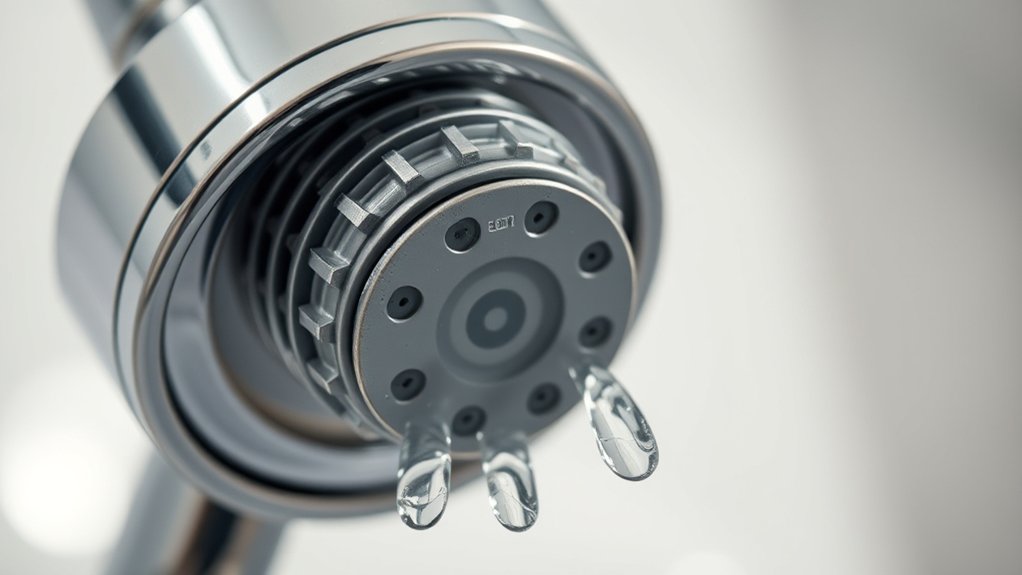
When you connect a shower head using the wrong threading direction or force it incorrectly, you risk damaging the threads or creating leaks. Applying excessive torque or attempting to screw a shower head made from the wrong material can strip the metal or deform plastic threads, compromising the seal.
Damage to the threads often leads to water escape, reducing water pressure and causing persistent drips. Additionally, if the shower arm or head has a protective paint color coating, forcing the wrong threading can chip or scratch this layer, exposing the underlying metal to corrosion. This corrosion further degrades thread integrity over time.
To avoid these issues, ensure compatibility between components and follow correct threading direction, preventing costly repairs and maintaining optimal shower performance.
How to Install Shower Heads Without Stripping Threads
Why do threads strip so easily during shower head installation? It’s mainly due to improper alignment, excessive force, or using the wrong tools. To avoid damage, follow these installation tips:
- Align properly: Make sure the shower head threads match the pipe threads perfectly before turning. Misalignment increases the risk of cross-threading and stripping.
- Hand-tighten first: Start threading the shower head by hand to ensure smooth engagement. Avoid forcing it with tools at this stage.
- Use proper tools: When tightening with a wrench, use a cloth or rubber grip to prevent slipping and apply gentle, consistent torque.
This two word discussion, “thread integrity,” is essential for a secure, leak-free installation without stripping the threads.
How to Remove a Stuck Reverse Threaded Shower Head
Wondering how to tackle a stuck reverse threaded shower head? First, recognize that reverse polarity and thread misdirection often cause this issue. To safely remove it, avoid forcing the shower head, which can damage threads or fittings.
Use penetrating oil to loosen corrosion, then apply steady torque in the correct direction—clockwise for reverse threads.
| Step | Tool Needed | Action |
|---|---|---|
| 1. Apply Penetrating Oil | Lubricant Spray | Soak threads for 10 minutes |
| 2. Correct Rotation | Adjustable Wrench | Turn clockwise slowly |
| 3. Gentle Tapping | Rubber Mallet | Tap to break thread seizure |
Following these steps helps correct thread misdirection and overcomes reverse polarity challenges without harming the plumbing.
When and How to Use Thread Seal Tape on Shower Heads
How do you guarantee a watertight seal when installing or replacing a shower head? Thread seal tape, also known as plumber’s tape, is essential for preventing leaks and maintaining proper water pressure. Use it whenever you connect threaded joints, especially on reverse threaded shower heads.
Follow these steps carefully:
- Clean the shower arm threads thoroughly to remove old tape or debris.
- Wrap the tape clockwise around the threads 3-4 times, ensuring even coverage without overlap.
- Screw the shower head on by hand, then tighten with a wrench, taking care not to damage showerhead aesthetics.
Proper use of thread seal tape ensures no leaks during water pressure experiments, preserving both function and form.
Fixing Leaks and Loose Shower Head Connections
When you notice water dripping or a shower head wobbling, it’s a clear sign that the connection isn’t secure. Start by turning off the water supply and carefully unscrewing the shower head. Inspect the threads for damage or debris, which can compromise faucet compatibility and cause leaks.
Given variations in shower head design, ensure the replacement or reinstalled shower head matches your faucet’s threading and direction. Remember, most are standard right-hand threads, but some models use reverse threading. Apply thread seal tape evenly around the pipe threads to enhance the seal.
Reattach the shower head, tightening it firmly by hand first, then with a wrench. Avoid overtightening to prevent damage. Finally, restore water flow and check for leaks, adjusting as needed to secure a watertight, stable connection.
Frequently Asked Questions
Can Reverse Threaded Shower Heads Improve Water Pressure?
Think of your showerhead as a gatekeeper; reverse threading won’t inherently boost water pressure. You need to focus on showerhead compatibility and plumbing design, as thread direction alone has minimal water pressure impact in most systems.
Are Reverse Threaded Shower Heads Compatible With Handheld Units?
You’ll find reverse threaded shower heads generally compatible with handheld units, but discussion ideas often veer into unrelated topics like adapter types.
Ensure thread sizes match precisely to avoid leaks or fitting issues during installation.
Do Reverse Threaded Shower Heads Affect Water Temperature Control?
Don’t worry, reverse threading won’t affect your water temperature control. It only changes how the shower head screws on, not the internal valve function that regulates temperature. Your water temperature stays precise and consistent.
Can I Use a Reverse Threaded Shower Head With a Water Filter?
You can use a reverse threaded shower head with a water filter, but ensure compatibility. Focus on two word discussion ideas like “thread type” and “filter connection.”
Nonstandard threading may require adapters for proper installation and sealing.
Are Reverse Threaded Shower Heads More Durable Than Standard Ones?
Wondering if reverse threaded shower heads win the durability debate? They’re not inherently tougher but can resist loosening better.
Still, you’ll face installation caveats needing precise alignment to avoid leaks or damage during setup.