Are Shower Tiles Porous
If shower tiles could talk, they’d warn you about their porosity before you even step inside. Shower tiles are often porous, meaning they can absorb water to varying degrees depending on the material. You might not realize it, but the type of tile you choose directly affects water absorption and long-term durability.
Some materials soak up moisture like a sponge, while others repel it almost entirely. Understanding which tiles are porous and how that impacts maintenance could save you from costly repairs down the line. Choosing the right tile helps protect your shower from mold, mildew, and water damage.
Key Takeaways
- Shower tiles vary in porosity; natural stones and unglazed ceramics are more porous than glazed porcelain or ceramic tiles.
- Porosity means the tile absorbs water, increasing risks of staining, mold, and surface damage in showers.
- Glazed tiles have low porosity, making them more water-resistant and suitable for shower environments.
- Porous tiles like travertine and limestone require regular sealing to prevent moisture infiltration and damage.
- A simple water drop test can help identify tile porosity by observing how quickly water is absorbed.
Are Shower Tiles Porous? What You Need to Know
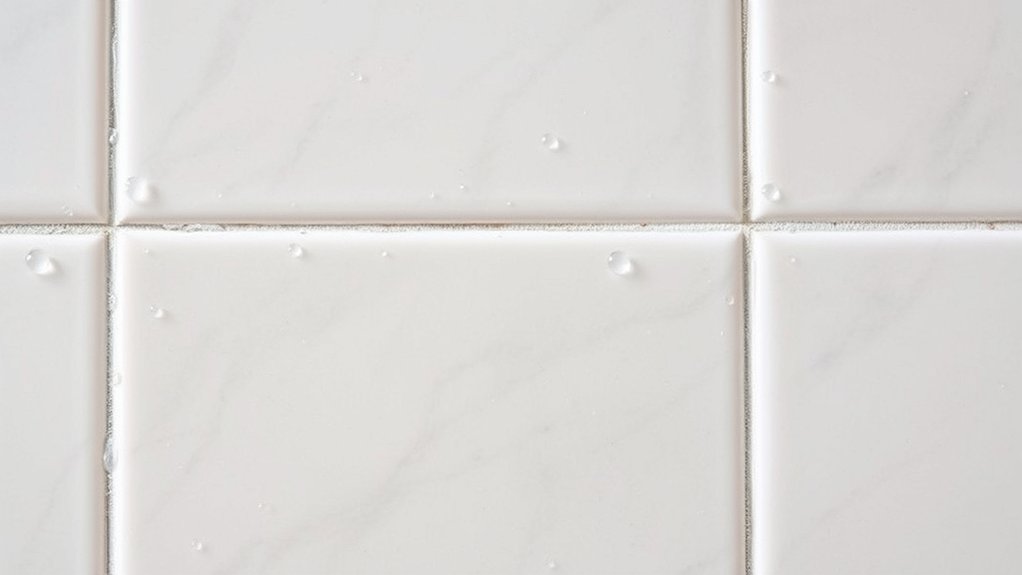
How porous are shower tiles, really? To understand tile porosity, you need to know that it refers to the amount of water a tile can absorb. Porous materials, like some natural stones and unglazed ceramics, have higher tile porosity, allowing moisture to penetrate their surface.
This characteristic directly impacts tile durability and maintenance in a wet environment like a shower. When selecting tiles, you should consider their water absorption rate, usually expressed as a percentage. Lower porosity means less water absorption, reducing the risk of mold, mildew, and structural damage.
Glazed tiles typically have low porosity, making them more suitable for showers. By understanding tile porosity and recognizing porous materials, you can make informed decisions to ensure your shower tiles withstand moisture effectively.
Porous Shower Tiles: Which Types Are They?
Which shower tile materials are more prone to absorbing water? Porous tile varieties such as natural stone, like travertine, limestone, and unglazed ceramic, tend to have higher water absorption rates due to their open microstructures.
Identifying porosity factors involves examining the tile’s density, surface finish, and manufacturing process. For instance, unglazed clay tiles exhibit increased porosity compared to glazed porcelain tiles, which are fired at higher temperatures and have a denser composition.
Natural stones often require sealing because their inherent porosity allows water infiltration. When selecting shower tiles, you should consider these porosity factors carefully, as they directly affect water absorption.
Understanding which materials are porous helps you make informed decisions to maintain your shower’s longevity and hygiene efficiently.
Porosity’s Impact on Tile Durability and Care
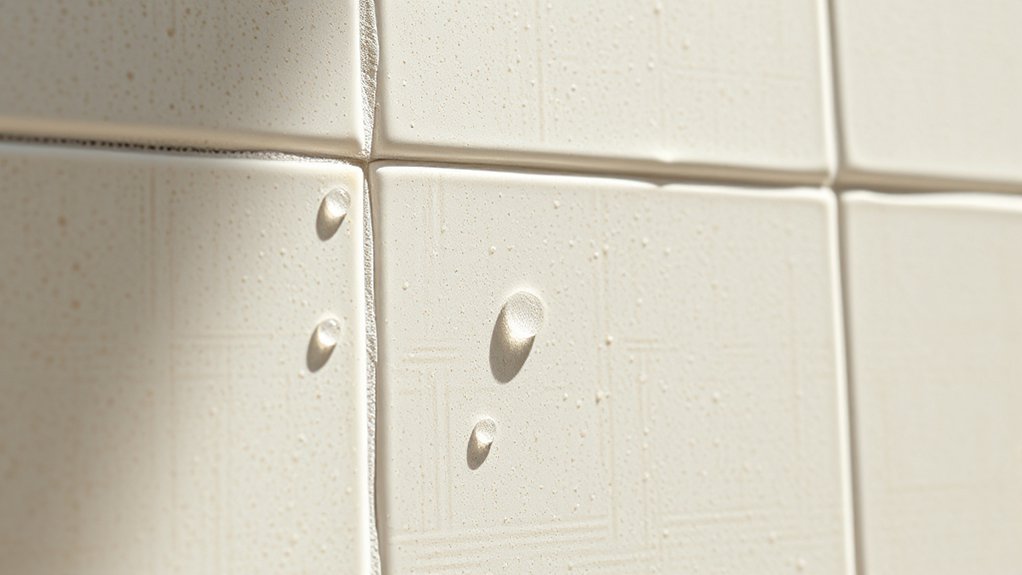
Understanding a tile’s porosity directly influences how it performs over time and the maintenance it demands. When you compare porosity vs durability, higher porosity generally means lower durability because water and contaminants penetrate the tile’s surface, weakening its structure.
This infiltration can lead to staining, mold growth, and eventual surface degradation. You’ll face significant cleaning challenges with highly porous tiles since dirt and soap scum get trapped in microscopic pores, requiring more frequent and intensive cleaning.
Conversely, less porous tiles resist moisture and stains better, extending their lifespan and reducing upkeep. To preserve durability, you must apply sealants regularly on porous tiles and adopt cleaning methods that prevent residue buildup without damaging the surface.
Managing porosity is essential for maintaining both tile integrity and aesthetic appeal in shower environments.
How to Identify Porous Shower Tiles
Can you tell if your shower tiles are porous just by looking? Often, visual inspection alone won’t reveal porosity. Start by evaluating tile material. Natural stones like marble, limestone, and travertine typically have higher porosity compared to porcelain or glazed ceramic.
To confirm, perform a simple water test: place a few drops of water on the tile surface and observe absorption. If the water soaks in quickly, the tile is porous. Additionally, check for surface texture; porous tiles often feel rough or uneven.
Identifying porosity precisely requires noting how the tile interacts with moisture and its material composition. By combining these methods, evaluating tile material and testing absorption, you can effectively identify porous shower tiles and plan appropriate care to maintain their durability and appearance.
Sealants for Porous Shower Tiles
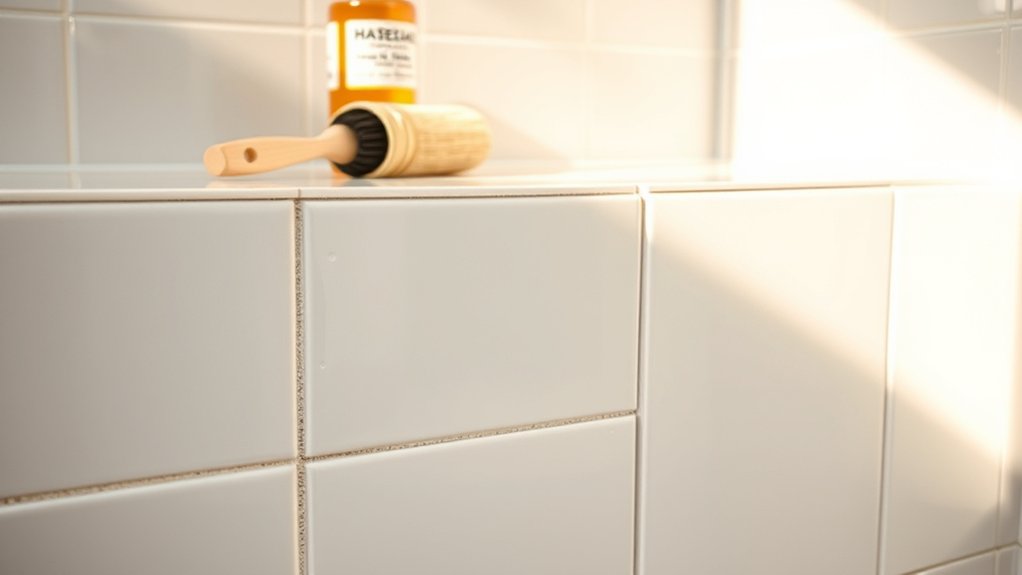
Why do you need sealants for porous shower tiles? Porous tile sealants create a protective barrier that prevents water, soap scum, and mildew from penetrating the tile’s surface. Since porous tiles absorb moisture, unsealed surfaces are prone to staining and damage over time.
When comparing non porous vs sealants, non porous tiles naturally resist water without additional treatment, but most porous tiles require sealants to achieve similar durability. You should select sealants based on the tile material and intended exposure, ensuring compatibility for effective penetration and long-lasting protection.
Applying a high-quality penetrating sealant enhances tile longevity by filling microscopic pores without altering the tile’s appearance. Regular reapplication is necessary to maintain the seal, especially in high-moisture environments like showers.
Tips to Clean and Care for Porous Shower Tiles
How often should you clean and maintain porous shower tiles to keep them in optimal condition? Ideally, clean porous tile types like natural stone or unglazed ceramic weekly to prevent buildup. Use pH-neutral cleaners instead of harsh acids that damage the surface.
Don’t fall for maintenance myths suggesting bleach or vinegar; they can degrade sealants and worsen porosity. After cleaning, rinse thoroughly and dry tiles to reduce moisture absorption. Reapply sealants annually or as manufacturer guidelines indicate to maintain protection.
Use soft brushes to avoid scratching, especially on delicate porous surfaces. Regular inspection helps catch grout cracks or sealant wear early, preventing water infiltration. By following these precise steps, you’ll extend your tiles’ longevity and preserve their appearance effectively.
Frequently Asked Questions
Can Porous Tiles Cause Mold Growth in Showers?
You might notice mold growth coincidentally appearing where porous tiles are installed in your shower. Porous tiles absorb moisture, creating a breeding ground for mold, so you should seal them properly to prevent persistent mold problems.
Are Porous Tiles More Expensive Than Non-Porous Ones?
Porous tiles typically cost less per square foot than non-porous ones, but your installation costs might increase due to extra sealing and maintenance steps. You’ll need to factor those expenses into your overall budget carefully.
How Long Does Tile Sealing Typically Last?
Tile sealing typically lasts 1 to 3 years, depending on porous tiles durability and water absorption rate. You’ll need to reseal sooner if water penetrates quickly, ensuring protection against moisture and preserving tile integrity effectively.
Can Porous Tiles Be Used Outdoors?
You can use porous tiles in outdoor applications, but you’ll need to seal them properly to prevent water absorption and damage.
Regular maintenance is essential to protect against weathering, freeze-thaw cycles, and potential staining.
Do Porous Shower Tiles Affect Water Drainage?
Porous tiles can slow water drainage, increasing mold risks if sealing deteriorates. You’ll need to maintain sealant regularly to preserve sealing longevity and ensure efficient water flow, preventing moisture buildup and potential tile damage over time.