Are Shower Filters a Scam
You might be surprised to learn that shower filters aren’t outright scams, but they’re not miracle workers either.
Shower filters can reduce chlorine and some chemicals, which may improve water odor and how your skin and hair feel.
However, their effectiveness depends on the type of filter and your water quality.
Before you decide if they’re worth it, it’s important to understand what these filters actually do—and where their limitations lie.
Knowing this can help set realistic expectations about the benefits of using a shower filter.
Key Takeaways
- Shower filters reduce chlorine and chloramine but do not remove all contaminants or purify water completely.
- Many brand claims are exaggerated; they often use vague terms like “reduce” instead of “remove.”
- Reliable filters include KDF, activated carbon, and vitamin C types, but effectiveness varies by water quality.
- Certifications (NSF/WQA) and independent testing help verify legitimate filter performance.
- Shower filters offer benefits like softer skin and reduced chlorine smell but are not miracle solutions or scams.
What Are Shower Filters and How Do They Work

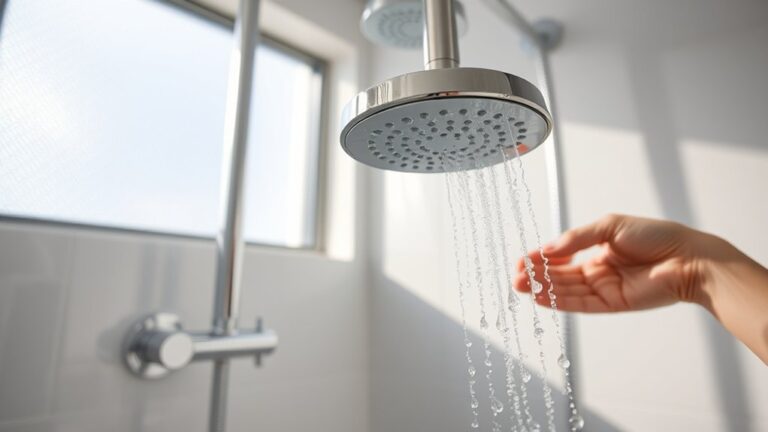
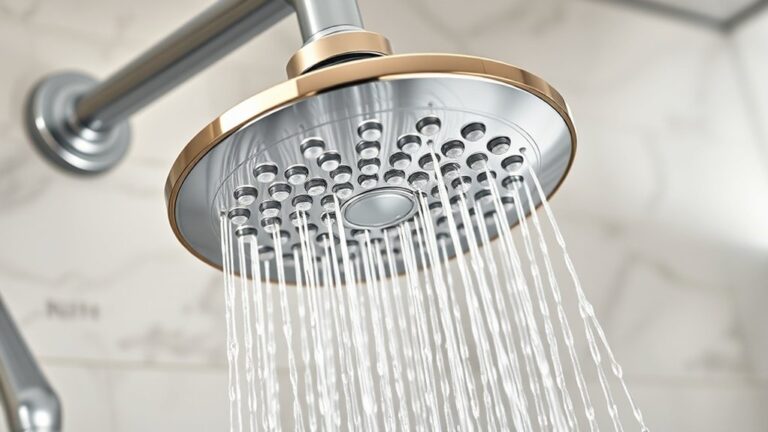
What exactly are shower filters, and how do they work? Shower filters attach directly to your showerhead and use various filtration media, like activated carbon, KDF (Kinetic Degradation Fluxion), or vitamin C, to reduce impurities in your water. They aim to remove chlorine, chloramines, and sometimes sediment, improving water quality before it reaches your skin and hair.
When considering, “Are Shower Filters a Scam?” it’s essential to understand they don’t purify water as thoroughly as home water filtration systems. Instead, they provide a partial reduction of specific chemicals and particles. While some claim significant health benefits, the effectiveness varies by filter type and water composition.
Knowing how shower filters function helps you evaluate their true value and avoid exaggerated marketing claims.
Which Contaminants Do Shower Filters Actually Remove?
How effectively shower filters remove contaminants depends largely on the filter type and media used. Most commonly, filters target chlorine and chloramine, chemicals added to municipal water for disinfection. Activated carbon or KDF media can reduce these substances, improving water odor and taste.
However, many marketing myths exaggerate their capabilities, claiming removal of heavy metals, bacteria, or pesticides without solid evidence. Soap science shows that chlorine interacts with soap to form residues and dry skin, so reducing chlorine can improve your shower experience.
Still, filters rarely remove dissolved minerals or pathogens, as water passes too quickly for thorough filtration. Understanding these limitations helps you set realistic expectations about what shower filters actually do and avoid falling for overhyped claims.
Do Shower Filters Really Improve Skin and Hair Health?

You might notice changes in your skin and hair depending on your water quality, as hard water and chemicals can affect texture and moisture.
Shower filters can reduce chlorine and other contaminants that may cause dryness or irritation. Understanding how these filters work helps you decide if they offer real benefits for your skin and hair health.
Water Quality and Skin
Can shower filters truly make a difference in your skin and hair health? The answer depends largely on the quality of your water. When water purity improves, it can reduce exposure to chlorine and heavy metals that may irritate your skin.
Maintaining a proper mineral balance is equally important, as excessive filtration might strip beneficial minerals. Here’s what to consider:
- Chlorine Removal: Lower chlorine levels can help prevent dryness and irritation.
- Heavy Metal Reduction: Filters can limit metals like lead and mercury, which may harm skin health.
- Mineral Balance: Over-filtering can remove minerals that support skin hydration and barrier function.
Ultimately, shower filters may benefit those with hard or chemically treated water, but results vary based on your local water quality.
Effects on Hair Texture
Why do some people swear by shower filters when it comes to improving hair texture? The answer often lies in the way water quality affects your hair. Hard water, which contains high levels of minerals like calcium and magnesium, can leave hair feeling dry and brittle.
Shower filters aim to reduce these minerals, potentially softening water and helping your hair retain moisture. Additionally, water pH plays a crucial role; water that’s too alkaline can raise the cuticle layer of your hair, causing frizz and roughness.
Some shower filters claim to balance the water pH closer to neutral, which might help maintain smoother hair texture. While individual results vary, using a shower filter may improve hair texture by minimizing mineral buildup and adjusting water pH, but it’s not a guaranteed solution for everyone.
Chemical Removal Benefits
How effectively do shower filters remove chemicals that impact your skin and hair health? Understanding chemistry basics helps here: different filters target specific contaminants, influencing filtration efficiency. Most shower filters focus on chlorine and chloramine, common in tap water and known to dry skin and dull hair.
Here’s what you should know:
- Chlorine Removal: Activated carbon filters reduce chlorine, potentially improving moisture retention in skin and hair.
- Heavy Metals: Some filters claim to reduce metals like lead, but effectiveness varies widely.
- Chemical Byproducts: Filtration can lower residues from water treatment, though not all filters remove all byproducts.
While some chemical removal benefits exist, results depend on filter type and water chemistry. Shower filters aren’t a guaranteed fix but can contribute positively in many cases.
What Claims Do Shower Filter Brands Make: And Are They True?

What do shower filter brands promise, and do those promises hold up? Many claim to remove chlorine, heavy metals, and harmful chemicals, promising softer skin and healthier hair. However, the claims vs reality often reveal a gap.
While some filters do reduce chlorine to an extent, they rarely eliminate all contaminants as marketing hype suggests. Brands frequently overstate effectiveness, relying on vague terms like “reduce” rather than “remove.”
Scientific testing shows filtration performance varies greatly by product and water quality. You should approach these claims critically, understanding that no filter is a cure-all.
What Types of Shower Filters Are Most Reliable?
When choosing a shower filter, you’ll want to focus on the types that have proven effectiveness through independent testing. Reliable water filtration systems typically fall into three categories:
1. KDF Filters
These use a copper-zinc alloy to reduce chlorine and heavy metals. They’re durable and require minimal maintenance.
Utilizing a copper-zinc alloy, these filters effectively reduce chlorine and heavy metals with minimal upkeep.
2. Activated Carbon Filters
Effective at removing chlorine and organic compounds, but they need regular replacement to maintain performance.
3. Vitamin C Filters
Neutralize chlorine through chemical reaction and are gentle on your skin and hair.
Each type has different budget considerations. KDF filters often cost more upfront but last longer, while activated carbon filters are more affordable but require frequent changes. Vitamin C filters provide a natural option but might not address all contaminants.
Choosing based on tested effectiveness ensures you get reliable water filtration.
How to Spot Scam or Low-Quality Shower Filters
Understanding the different types of shower filters helps you recognize the features of a quality product. To spot scam or low-quality filters, look for vague claims without scientific backing or certifications.
Avoid products that focus more on unrelated topics or include random chatter in their descriptions instead of clear, specific information. Check for transparency regarding filter materials and lifespan.
Be cautious if a filter promises unrealistic benefits, like curing skin diseases or eliminating all toxins instantly. Reviews filled with generic praise or unrelated topic discussions might signal manipulation.
Also, low-quality filters often lack clear installation instructions or customer support. By focusing on credible details and ignoring random chatter, you can better identify shower filters worth your investment and avoid scams.
What Do Real Users Say About Shower Filters?
You’ll find that real users often report clearer skin and softer hair after using shower filters, though some mention reduced water pressure as a drawback. Many note benefits like chlorine reduction, but experiences vary depending on the filter type and water quality.
Over time, users share insights on maintenance needs and how filters perform with long-term use.
Common User Experiences
Many users report noticeable differences after installing shower filters, ranging from improved water clarity to softer skin and hair. When you look at common user experiences, you’ll find that while benefits are often highlighted, some mention filter installation hurdles. These challenges can affect your overall satisfaction.
Here are three typical points users share:
- Ease of Installation: Most find the setup straightforward, but some encounter compatibility issues with their existing showerheads.
- Water Quality Change: Many notice reduced chlorine smell and clearer water, which can improve your skin and hair feel.
- Maintenance Needs: Users emphasize the importance of regularly replacing cartridges to keep the filter effective.
Understanding these experiences helps you set realistic expectations before buying a shower filter.
Noted Benefits And Drawbacks
Real users often highlight both benefits and drawbacks when discussing shower filters, giving you a balanced view of what to expect. You’ll find many appreciate clearer water, reduced chlorine smell, and softer skin after installation.
However, some users note that effectiveness can vary, especially if you don’t spot check the filter regularly for buildup or clogging. On the downside, price traps are common; some filters seem affordable upfront but require costly replacement cartridges, which can add up.
Others mention installation challenges or reduced water pressure. By weighing these insights, you can better assess if a shower filter fits your needs without falling for exaggerated claims or hidden expenses. Real feedback helps you make informed choices rather than relying solely on marketing promises.
Long-Term Usage Insights
Frequently, long-term users report that shower filters maintain water quality improvements over several months, but their performance can decline if not properly maintained. When evaluating shower filtration, user feedback highlights key points:
- Filter Replacement: Many notice a drop in effectiveness when filters aren’t changed as recommended, affecting water clarity and scent.
- Maintenance Ease: Users appreciate filters that are easy to clean and replace, which helps sustain performance and avoid buildup.
- Perceived Benefits: While some users feel softer skin and reduced irritation, others remain skeptical, emphasizing the importance of scam awareness to avoid misleading claims.
Are Shower Filters Worth Buying for Your Home?
How do shower filters impact your daily routine and overall health? They can reduce chlorine and certain impurities, which might help if you have sensitive skin or respiratory issues. However, many shower myths exaggerate their benefits, suggesting they completely eliminate toxins or improve hair and skin overnight.
In reality, filter durability varies widely; some need replacement every few months, while others last longer but may lose effectiveness over time. If you live in an area with hard water or high chlorine levels, a shower filter could offer noticeable improvements.
Still, it’s important to balance expectations and understand filters aren’t miracle solutions. Considering your water quality and filter lifespan will help you decide if investing in one makes sense for your home.
How to Choose the Right Shower Filter Without Getting Scammed
Wondering what to look for when picking a shower filter? It’s important to cut through common shower myths and filter myths to make an informed choice. Here’s how you can avoid getting scammed:
- Check Certifications: Look for filters certified by reputable organizations like NSF or WQA. These verify that the filter removes contaminants as claimed.
- Understand Your Water: Test your water for specific impurities. Not all filters target the same contaminants, so choose one suited to your needs.
- Review Filter Lifespan and Cost: A cheap upfront price might mean frequent replacements. Balance filter longevity with ongoing costs.
Frequently Asked Questions
How Often Should Shower Filters Be Replaced for Optimal Performance?
You’ll want to follow the replacement schedule on your shower filter, typically every 6 months, but it varies with water filtration compatibility.
Coincidentally, sticking to this guarantees optimal performance and cleaner water for your skin and hair.
Can Shower Filters Affect Water Pressure in My Home?
Yes, shower filtration can affect water pressure. If your filter clogs or isn’t cleaned regularly, it restricts flow, lowering pressure.
Maintaining and replacing filters on time helps ensure consistent water pressure during showers.
Are Shower Filters Safe to Use With All Plumbing Systems?
Think of shower filters as puzzle pieces; they’re safe if they match your plumbing compatibility and code compliance. Consider installation requirements, filter lifespan, and chemical leaching risks to ensure system compatibility, maintain water pressure, and support environmental sustainability.
Do Shower Filters Require Professional Installation?
You don’t usually need professional installation for shower filters; most are designed for easy DIY setup. Just ensure the filter fits your showerhead, and check that it won’t reduce your water pressure markedly.
How Do Shower Filters Impact the Environment?
You’ll find that shower filters can reduce harmful chemicals, lowering water pollution by up to 30%. However, their environmental impact depends on filtration maintenance and cartridge disposal, so regular care and proper recycling are essential.