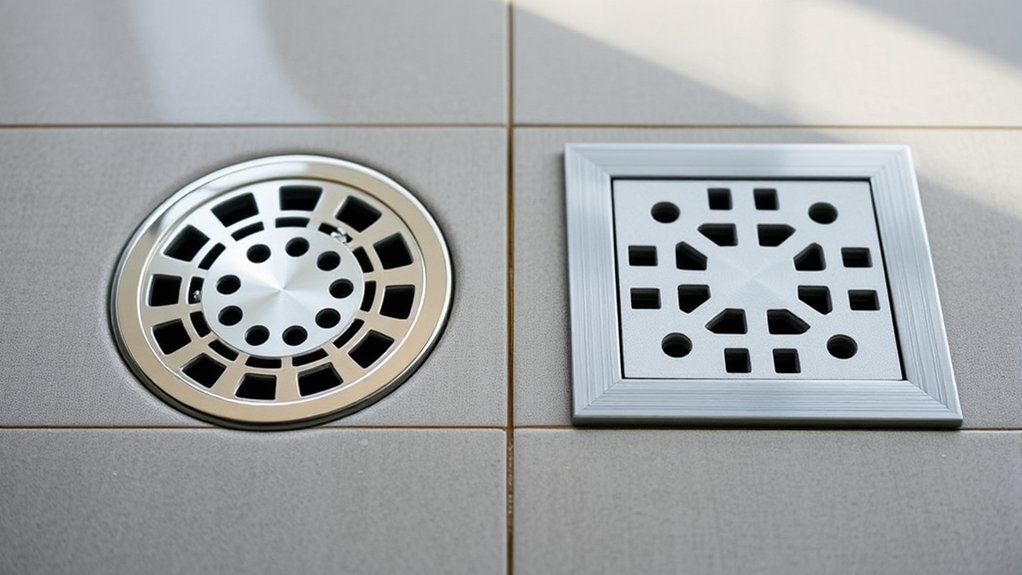
Are Shower Drains Universal
You might assume shower drains are one-size-fits-all, but they’re not. Shower drains come in various sizes, styles, and connection types, depending on your plumbing and shower design.
Selecting the wrong drain can lead to leaks or costly adjustments. To avoid these issues, you need to understand how drain dimensions and compatibility affect installation.
Knowing this can save you time and money on your project.
Key Takeaways
- Shower drains are not universally compatible due to variations in size, flange, and attachment methods among manufacturers and regions.
- Common drain openings typically measure 2 or 3 inches but verifying exact dimensions is essential for proper fit.
- Drain diameter must match the plumbing pipe size, usually 1.5 or 2 inches, to ensure leak-free installation.
- Different drain styles (tile-in, center, linear) require selection based on shower design and plumbing setup.
- Accurate measurements and compatibility checks prevent installation issues and costly modifications.
Are Shower Drains Universal?
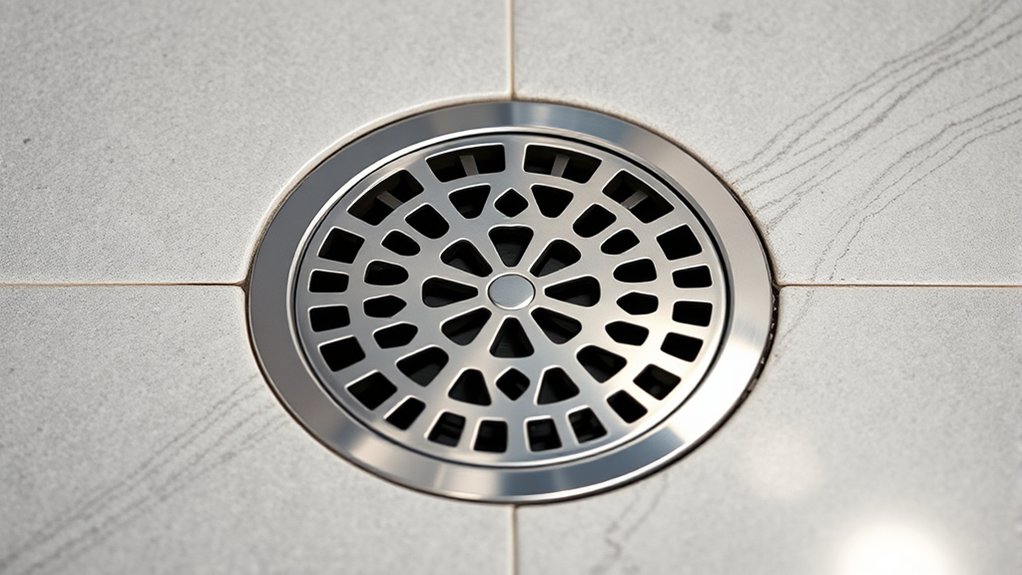
Are shower drains universal in size and design? Not exactly. While many shower drains aim for universal compatibility, variations in drain sizing and construction exist across manufacturers and regions.
You can’t assume every drain will fit every shower base or plumbing setup without checking specifications. Universal compatibility often refers to standard dimensions like the common 2-inch or 3-inch drain openings, but subtle differences in flange size, height, or attachment methods can affect installation.
When selecting a shower drain, you should verify the drain sizing matches your shower base and plumbing connections to ensure a secure, leak-free fit. Taking precise measurements and understanding the specific drain design helps you avoid costly modifications or replacements during installation.
How Do Shower Drain Sizes and Types Vary?
How do shower drain sizes and types differ, and why does it matter for your installation? Shower drains vary primarily in diameter, commonly 2, 3, or 4 inches, and in design, including tile-in, center, or linear drains. These variations affect how well the drain fits into your existing plumbing system and shower base.
Universal compatibility is limited because drain sizing must match your drain pipe and shower type precisely to ensure proper water flow and prevent leaks. Using the wrong size or type can cause installation challenges or require costly modifications.
Understanding these differences helps you select a drain that aligns with your setup, streamlining installation and maintaining system integrity. Always verify drain sizing specifications before purchasing to avoid compatibility issues.
Which Shower Drains Fit Your Plumbing?
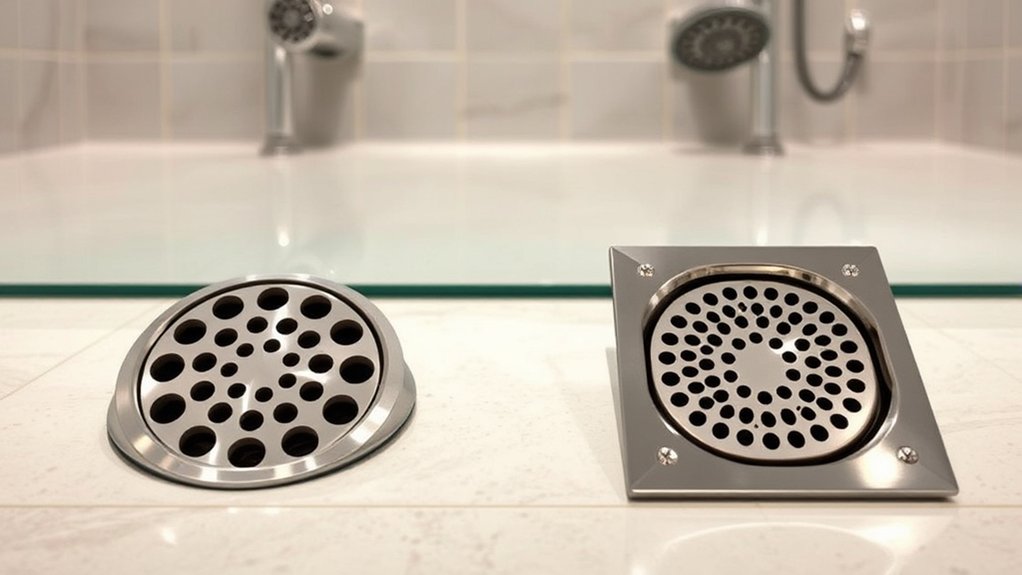
Matching shower drains to your plumbing requires careful attention to pipe diameter, drain type, and installation method. You need to verify the drain sizing matches your existing pipes, typically 1.5 or 2 inches in diameter.
While some shower drains claim universal compatibility, they often require adapters or specific installation setups to fit correctly. Consider if your system uses a standard slip joint, threaded connection, or a unique coupling.
The drain’s outlet size must align precisely with your plumbing to prevent leaks and ensure proper drainage. Selecting a drain that matches both your pipe diameter and installation method reduces costly modifications.
Avoid assuming all shower drains fit universally; instead, confirm compatibility by comparing drain sizing specifications against your plumbing before purchase and installation.
How to Measure and Choose the Right Shower Drain
When selecting the right shower drain, you’ll need to measure both the drain opening and the pipe diameter accurately. Use a tape measure to record the drain opening’s width, typically 2 to 4 inches, and verify the pipe diameter beneath, often 1.5 or 2 inches. These plumbing measurements ensure drain compatibility with your existing system.
Next, confirm the drain style matches your shower type. Center, linear, or corner drains require different sizes. Also, check the flange size and thickness to fit your shower base.
Accurate measurements prevent mismatches that cause installation delays. By focusing on precise plumbing measurements and matching drain compatibility, you’ll select a shower drain that integrates seamlessly with your setup, avoiding unnecessary adjustments or replacements.
How to Avoid Installation Mistakes and Leaks
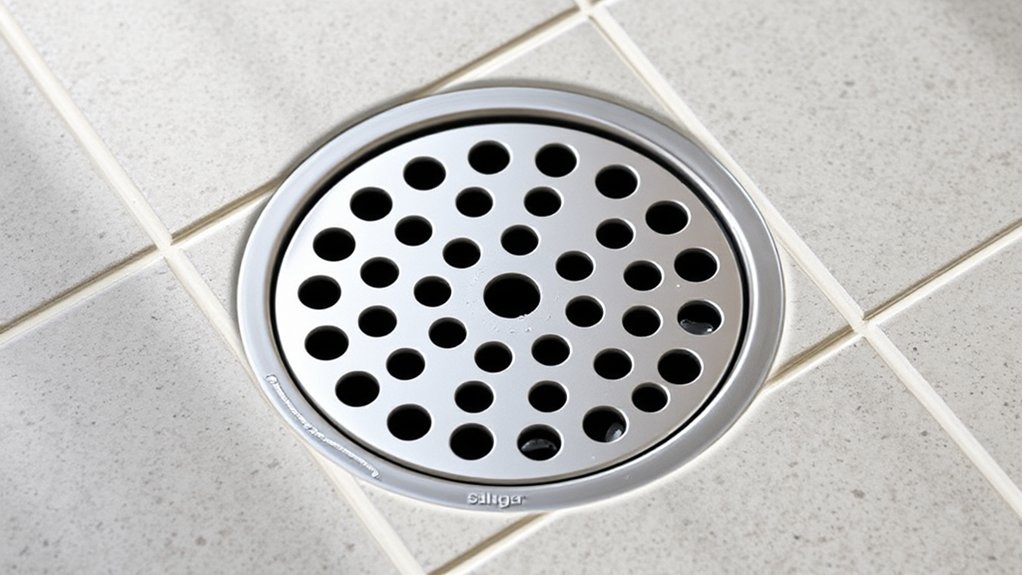
Why do installation mistakes and leaks commonly occur during shower drain setup? They often result from poor sizing compatibility and improper sealing. To avoid these issues, first ensure the drain matches your pipe diameter exactly. Incorrect sizing can cause gaps or stress points, leading to leaks.
Next, apply plumber’s putty or a high-quality gasket evenly under the drain flange to create a watertight seal. Tighten connections carefully. Over-tightening can crack components, while under-tightening leaves them loose. Use thread sealant tape on threaded joints to enhance leaks prevention.
Additionally, verify that the drain sits flush with the shower base to prevent water pooling. By focusing on sizing compatibility and adhering to proper sealing techniques, you’ll significantly reduce installation mistakes and ensure durable, leak-free shower drains.
Frequently Asked Questions
Can I Install a Shower Drain Myself Without Professional Help?
You can handle DIY 설치 가능 여부 for shower drains, but ensure proper sealing and fitting. Compare 비용 carefully; professional help might cost more but reduces risks.
If confident with plumbing basics, installing yourself saves money and effort.
What Materials Are Shower Drains Typically Made From?
Shower drains are typically made from stainless steel, PVC, or brass. You’ll want to contemplate material compatibility to avoid corrosion and installation complexity, ensuring your chosen drain fits your plumbing system seamlessly for a durable, leak-free setup.
How Often Should I Clean or Replace My Shower Drain?
Like clockwork, you should perform drain maintenance every three months to prevent clogs. Assess replacement frequency every 5-7 years or with corrosion.
Regular upkeep keeps water flowing efficiently, avoiding costly repairs or damage.
Do Shower Drains Affect Water Pressure or Drainage Speed?
Shower drains don’t directly affect water pressure but impact drainage speed. Using drains with proper sizing and universal compatibility guarantees efficient water flow, preventing slow drainage or backups caused by mismatched or undersized drain components.
Are There Eco-Friendly Shower Drain Options Available?
You’ll find eco-friendly options that act like guardians of water, minimizing waste and easing drain maintenance. These sustainable drains optimize flow, reduce clogging, and conserve resources, making your shower both green and efficient without sacrificing performance.