Can You Put Furniture Over a Floor Vent
You might not realize that placing furniture over a floor vent can considerably disrupt your home’s airflow and HVAC efficiency. Can you put furniture over a floor vent? While it’s tempting to maximize space by putting a couch or cabinet right on top, doing so without proper precautions can lead to uneven heating or cooling—and even strain your system.
Understanding how to balance comfort and function is key, and there are smart ways to arrange your furniture that keep air moving freely.
Can You Put Furniture Over Floor Vents? Pros and Cons
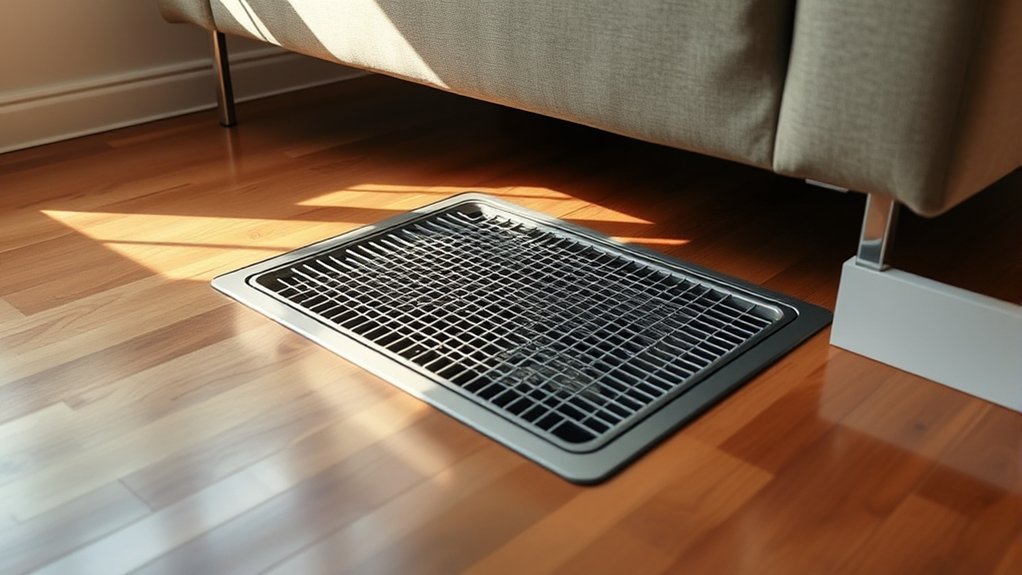
Why would you consider placing furniture over floor vents? Sometimes, a creative layout demands it, especially in rooms where space is limited or design aesthetics call for hidden vents. By strategically positioning furniture, you can maintain a sleek, uncluttered look without sacrificing functionality. However, you should weigh the pros and cons carefully.
On the positive side, hiding vents beneath furniture can enhance your room’s visual flow, making the space feel more polished and refined. It also offers a practical solution when vents are awkwardly placed.
On the downside, covering vents restricts airflow, potentially reducing heating or cooling efficiency. This could cause uneven temperature distribution and put extra strain on your HVAC system.
Ultimately, you can place furniture over floor vents if you incorporate features like adjustable grilles or ventilated bases. This way, your creative layout accommodates hidden vents without compromising comfort or system performance.
Why Floor Vents Matter for Your Home’s Airflow
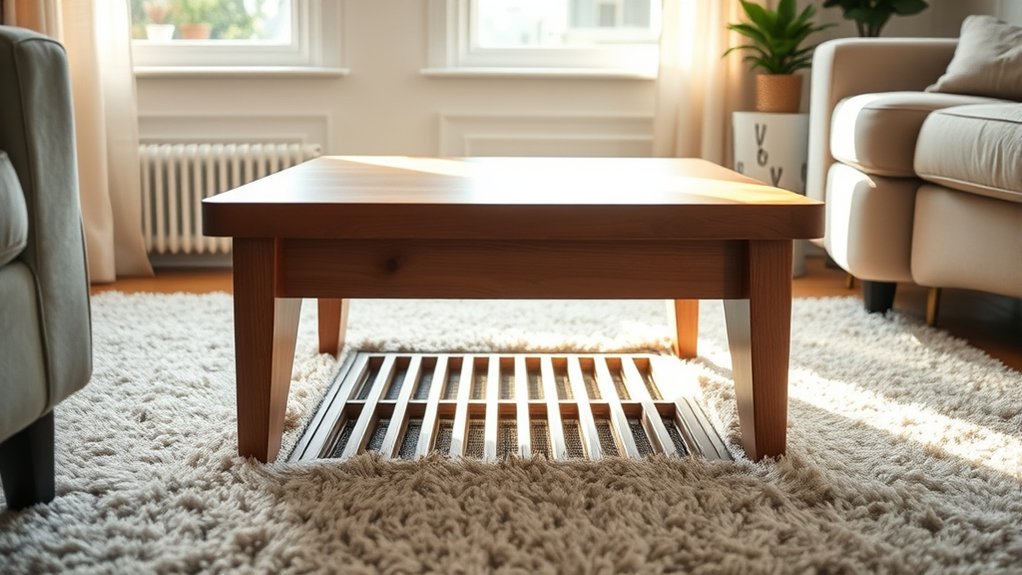
You rely on floor vents to maintain proper ventilation throughout your home, ensuring consistent airflow in every room. Blocking these vents can disrupt the balance, leading to poor indoor air quality and uneven temperatures.
Understanding their role helps you make smarter decisions about furniture placement and overall comfort.
Importance of Proper Ventilation
How does proper ventilation influence your home’s comfort and air quality? It plays a crucial role in preventing stale airflow, which can leave rooms feeling stuffy and uncomfortable. When vents are clear and unobstructed, they ensure a steady exchange of air, maintaining balanced temperatures and efficient heating or cooling.
Ignoring ventilation can lead to hidden hazards, such as moisture buildup that encourages mold growth or even compromises structural integrity. By keeping floor vents free from furniture blockages, you help your HVAC system operate optimally, reducing wear and energy consumption.
Prioritizing proper ventilation safeguards your living environment, supporting both comfort and safety with every breath you take inside your home.
Impact on Indoor Air Quality
Where does the quality of the air you breathe indoors truly begin? It starts with effective airflow through your floor vents. When furniture blocks these vents, you risk disrupting proper air circulation, which directly affects your home’s air quality.
Stagnant air can lead to increased dust, allergens, and moisture buildup, raising ventilation concerns that impact your health and comfort. You want clean, fresh air moving freely, so avoid placing bulky pieces over vents.
Instead, consider alternative furniture arrangements that allow unobstructed airflow. Maintaining open vents ensures your HVAC system works efficiently, reducing strain and promoting balanced temperature control.
Ultimately, protecting your floor vents supports better air quality, helping you create a healthier living environment free from common ventilation concerns.
What Happens When Furniture Blocks Floor Vents (Including HVAC Damage)
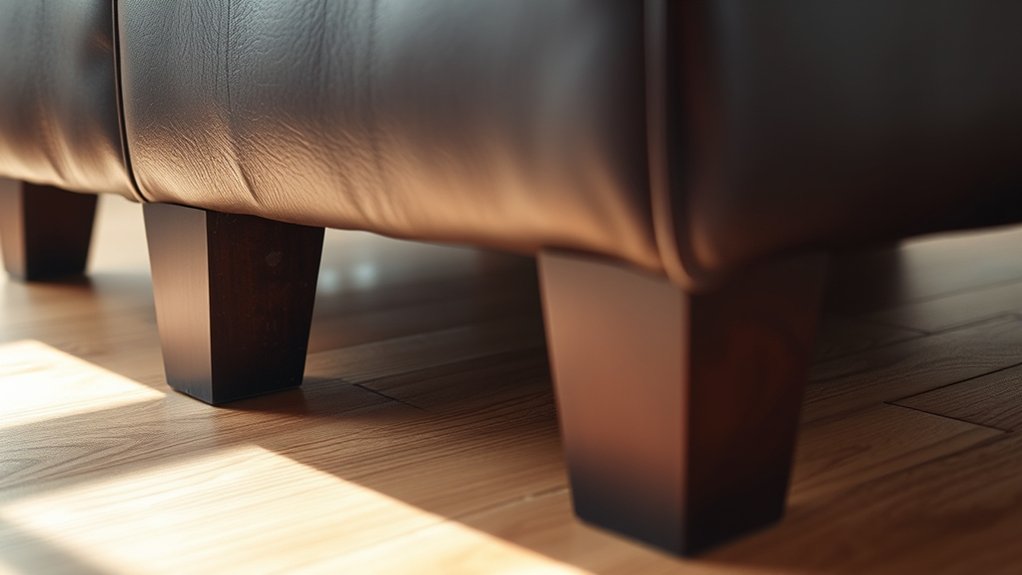
When you place furniture over a floor vent, you restrict the airflow that’s essential for maintaining balanced room temperatures. This blockage forces your HVAC system to work harder, potentially leading to uneven heating or cooling and increased energy consumption.
Over time, the added strain can cause wear and damage to your HVAC components, reducing their efficiency and lifespan.
Airflow Restriction Effects
Why does blocking a floor vent with furniture pose such a problem? When you restrict airflow, the HVAC system can’t distribute air efficiently, leading to uneven temperatures and discomfort. Proper furniture placement ensures vents remain unobstructed, maintaining optimal airflow and room comfort.
Consider the effects of airflow restriction:
| Effect | Description |
|---|---|
| Reduced air circulation | Stagnant air causes hot or cold spots |
| Increased energy use | System works harder, raising utility costs |
| Uneven room temperature | Some areas become stuffy, others too cold or hot |
| Potential mold growth | Moisture buildup under blocked vents |
HVAC System Consequences
Although it might seem harmless to place furniture over a floor vent, doing so can cause serious consequences for your HVAC system. Improper vent placement disrupts designed airflow paths, forcing your system to work harder to maintain temperature balance.
When airflow is obstructed, pressure builds within ducts, potentially leading to leaks or damage over time. This inefficiency increases energy consumption and accelerates wear on key components like the blower motor.
Additionally, blocked vents can cause uneven heating or cooling, creating discomfort in your living space. By thoughtfully considering vent placement and ensuring clear airflow paths, you protect your HVAC system’s longevity and performance.
Avoid covering vents with furniture to maintain optimal function, energy efficiency, and prevent costly repairs stemming from restricted airflow and system strain.
How to Check Floor Vent Airflow
How can you determine if your floor vent maintains proper airflow before placing furniture over it? Conducting a thorough airflow testing ensures your HVAC system operates efficiently and avoids compromising comfort. Begin by observing the vent’s air output; you want a steady, strong flow rather than a weak or patchy one.
Next, use a simple tool to measure airflow velocity or temperature difference, confirming the vent supplies adequate conditioned air.
Use a simple tool to measure airflow speed or temperature difference to ensure your vent supplies sufficient conditioned air.
To accurately check airflow before furniture placement, follow these steps:
- Place your hand or a lightweight tissue near the vent to feel or see the air movement.
- Use an anemometer or airflow meter to quantitatively assess the airspeed.
- Measure the temperature difference between the vent air and room air to ensure proper heating or cooling.
These precise checks help you decide if furniture placement will obstruct airflow, maintaining optimal room comfort and system performance.
Safest Furniture Types for Floor Vents
Which furniture pieces can you confidently place over floor vents without disrupting airflow? Opt for lightweight, elevated furnishings like open-legged chairs, minimalist benches, or small side tables. These allow air to circulate freely, maintaining optimal vent clearance and efficient heating or cooling.
Avoid bulky, solid-bottom furniture that sits flush on the floor, as it restricts airflow and reduces ventilation effectiveness.
When considering furnishings placement, look for pieces with built-in ventilation features, such as slatted bases or raised platforms. These designs minimize obstruction and help preserve the vent’s function.
Additionally, furniture with adjustable legs can maintain proper clearance above vents, preventing heat buildup or cold air blockage.
How to Improve Airflow Under or Around Furniture
Wondering how to keep your floor vents functioning efficiently while still enjoying your furniture layout? Effective airflow optimization is essential, and thoughtful furniture placement plays a crucial role. You can enhance air circulation under or around your furniture without sacrificing style or comfort.
Keep your floor vents efficient with smart furniture placement that boosts airflow without sacrificing style or comfort.
To improve airflow, consider these key strategies:
- Use furniture with raised legs or a platform base to allow air to flow freely beneath.
- Incorporate vent covers designed to redirect airflow around or away from bulky pieces.
- Maintain a small gap between furniture edges and vents to prevent blockage while preserving aesthetic balance.
These techniques ensure your heating and cooling systems work optimally, preventing heat buildup or cold spots near vents. Prioritizing airflow optimization through mindful furniture placement not only sustains comfort but also protects your HVAC system from strain. By integrating these practical steps, you’ll maintain an inviting space without compromising efficiency.
Furniture Arrangement Tips to Avoid Blocking Floor Vents
Optimizing airflow is only part of the solution; arranging your furniture thoughtfully guarantees floor vents remain unobstructed and efficient. Start by identifying vent locations on your floor plan and avoid placing large furniture pieces directly over them.
Many believe that simply raising furniture on legs solves airflow issues, but examples of ventilation myths show that even slight blockage reduces efficiency. Instead, position sofas or chairs adjacent to vents, allowing air to circulate freely.
Balance aesthetic vs. airflow by choosing lower-profile furniture near vents or using open designs that don’t trap air. Keep pathways clear to prevent heat buildup and uneven room temperature.
If you must place furniture near vents, maintain at least a few inches of clearance to promote steady airflow. By integrating these practical tips, you preserve HVAC performance without compromising your room’s style or comfort. Thoughtful arrangement ensures vents function as intended while maintaining a visually appealing space.
Creative Ways to Cover Floor Vents Without Blocking Airflow
How can you enhance your room’s design while keeping floor vents functional? Creative vent styling offers practical solutions that blend aesthetics with airflow efficiency. Instead of simply avoiding vents, you can use furniture camouflage and decorative elements to cover vents without blocking air circulation.
Consider these creative ways to maintain airflow while disguising vents:
Elevated furniture pieces: Opt for furniture with legs or raised bases to allow air to flow freely underneath, integrating the vent into the design subtly.
Decorative vent covers: Replace standard grilles with stylish, perforated covers that add texture and pattern, creating a focal point without sacrificing function.
Custom vent furniture: Incorporate vents into custom-built furniture such as benches or shelving units designed with vent openings, ensuring airflow remains uninterrupted.
Best Alternatives to Placing Furniture Directly Over Floor Vents
While creative vent styling can help disguise floor vents without restricting airflow, placing furniture directly over them often remains problematic. To maintain an airflow friendly environment, consider creative placement strategies that respect the vent’s function. Instead of positioning bulky furniture directly on vents, try floating pieces slightly away from them. This allows air to circulate freely, preserving heating and cooling efficiency.
You can also incorporate low-profile furniture or open-legged designs near vents, which don’t block airflow yet add aesthetic value. Another option is using vent deflectors or redirectors, guiding airflow around furniture without hindrance. If you must place furniture close, elevate it on risers to create a gap that promotes ventilation.
These alternatives balance style and function, ensuring your space stays comfortable while protecting your HVAC system. By adopting airflow friendly arrangements, you enhance both your interior’s look and its climate control effectiveness.
Frequently Asked Questions
How Often Should Floor Vents Be Cleaned?
You should perform floor vent cleaning quarterly, monthly, or seasonally to maintain efficiency, improve air quality, and ensure radiant floor compatibility. Regular cleaning prevents blockages, enhances airflow, and preserves your home’s aesthetic and functional balance.
Can Floor Vents Be Used With Radiant Floor Heating?
Radiant floor heating doesn’t use floor vents, so decking over vents isn’t needed.
When considering furniture placement around vents, focus on maintaining airflow and heat distribution, ensuring your space stays both comfortable and visually balanced.
Are Floor Vents Safe for Pets?
Think of a floor vent as a guarded treasure chest. Floor vent safety matters for pets.
You’ll want to ensure pet stair access avoids vents to prevent burns or injuries, keeping your furry friends safe and comfortable at home.
What Materials Are Floor Vents Typically Made From?
Floor vents typically feature metal accessories for durability and airflow, while wooden finishes add aesthetic warmth to your space. You’ll find these materials combined to balance function with style, enhancing both ventilation and room design.
How Do I Identify the Return Air Vents Versus Supply Vents?
To identify supply vents, feel for warm or cool air blowing out, while return air vents pull air in quietly.
For return air identification, look for larger grilles often near walls or ceilings without airflow direction.