Can a Cold Shower Cause a Heart Attack
You may wonder if a cold shower can cause a heart attack, especially if the sudden chill stresses your cardiovascular system or raises your blood pressure dangerously.
While cold exposure does trigger temporary changes like vasoconstriction and increased heart rate, the real question is how these effects impact your heart health—especially if you have underlying conditions.
Understanding these nuances is essential before you decide how cold showers fit into your routine.
Key Takeaways
- Cold showers cause vasoconstriction and a temporary blood pressure increase, placing extra demands on the heart.
- Healthy individuals rarely experience heart attacks from cold showers due to normal cardiovascular adaptation.
- Those with coronary artery disease or cardiovascular conditions face higher risks during sudden cold exposure.
- Cold showers can transiently affect heart rhythm, especially in people with pre-existing arrhythmias.
- Immediate medical attention is needed if chest pain, dizziness, or irregular heartbeat occur during or after cold showers.
What Cold Showers Do to Your Heart and Blood Pressure
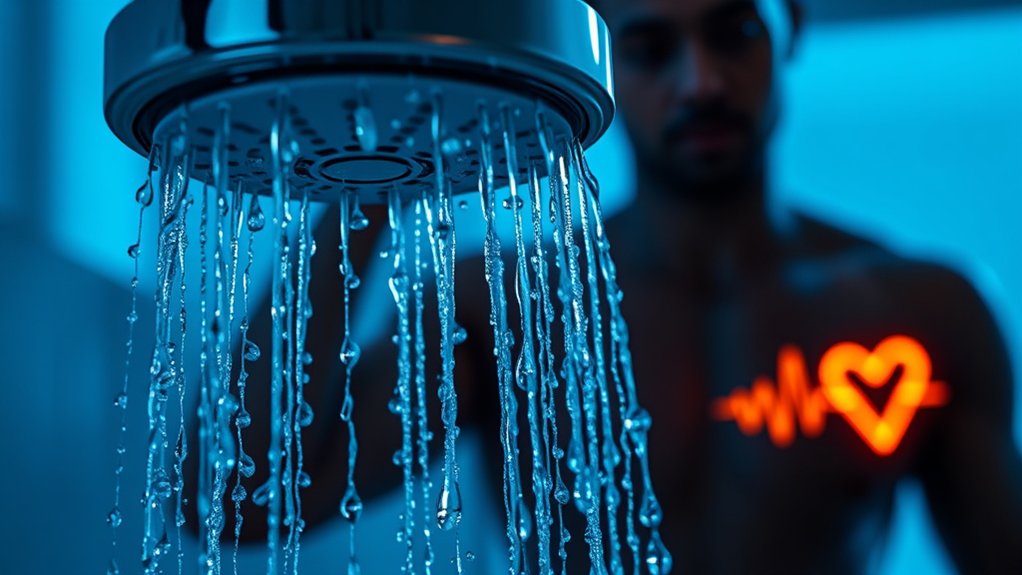
How exactly do cold showers affect your heart and blood pressure? When you expose yourself to cold exposure, your body initiates a distinct cardiovascular response. Blood vessels constrict, a process known as vasoconstriction, which increases your blood pressure temporarily.
Cold exposure triggers vasoconstriction, temporarily raising blood pressure as your body adapts to the cold.
This reaction helps preserve core body temperature by redirecting blood flow from the skin and extremities to vital organs. Your heart rate may initially spike due to sympathetic nervous system activation, enhancing cardiac output.
Over time, regular cold exposure can improve vascular tone and reduce resting heart rate, benefiting cardiovascular health. However, this acute cardiovascular response demands that your heart works harder to maintain circulation under stress.
Understanding these mechanisms clarifies how cold showers impact your heart and blood pressure without implying inherent risk to healthy individuals.
Can Cold Showers Trigger a Heart Attack?
The cardiovascular responses triggered by cold showers, such as vasoconstriction and increased heart rate, place additional demands on your heart. During cold exposure, your body shifts blood flow to essential organs, causing a rapid rise in blood pressure.
This stress can transiently affect your heart rhythm, potentially leading to arrhythmias in susceptible individuals. While a cold shower alone rarely causes a heart attack in healthy people, sudden cold exposure may trigger cardiac events if underlying coronary artery disease exists.
The abrupt increase in cardiac workload combined with altered heart rhythm can precipitate myocardial ischemia, increasing the risk of an acute event. Consequently, understanding how cold exposure impacts your cardiovascular system is critical to assessing the potential risk of cold showers in triggering a heart attack.
Who Should Be Careful With Cold Showers
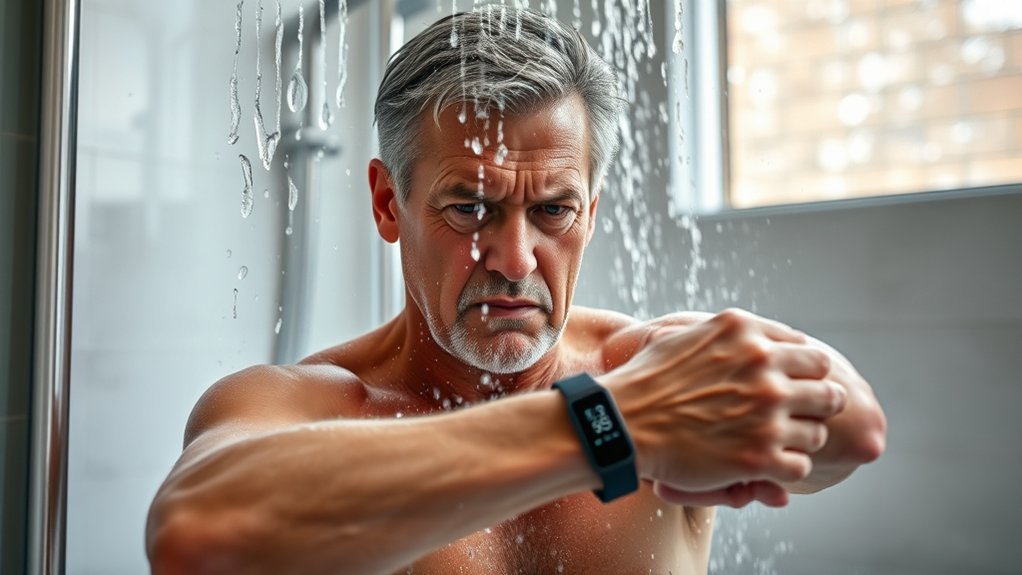
Who needs to exercise caution when considering cold showers? You should be careful if you have pre-existing cardiovascular conditions, such as hypertension, arrhythmias, or coronary artery disease.
Sudden exposure to cold water can trigger vasoconstriction and increase heart rate, potentially stressing a compromised heart. While old wives’ tales often exaggerate risks, the myths vs. scientific evidence debate highlights that cold showers are generally safe for healthy individuals but require prudence in vulnerable populations.
If you’re elderly or have a history of heart issues, consult your healthcare provider before incorporating cold showers into your routine. Avoid abrupt temperature changes, and start with lukewarm water to reduce cardiovascular stress.
Being informed helps you balance benefits with safety effectively.
Warning Signs to Watch If You Have Heart Issues
When should you stop a cold shower if you have heart issues? You must immediately discontinue if you notice any danger signals indicating compromised heart safety. These signs can escalate rapidly, so vigilance is crucial.
| Danger Signal | Description |
|---|---|
| Chest pain | Tightness, pressure, or heaviness |
| Shortness of breath | Difficulty breathing or gasping |
| Dizziness or fainting | Lightheadedness or loss of balance |
| Irregular heartbeat | Palpitations or fluttering sensations |
If you experience any of these symptoms, cease the cold shower promptly and seek medical attention. Monitoring these danger signals helps maintain heart safety and prevents serious cardiac events.
How to Safely Take Cold Showers With Heart Concerns
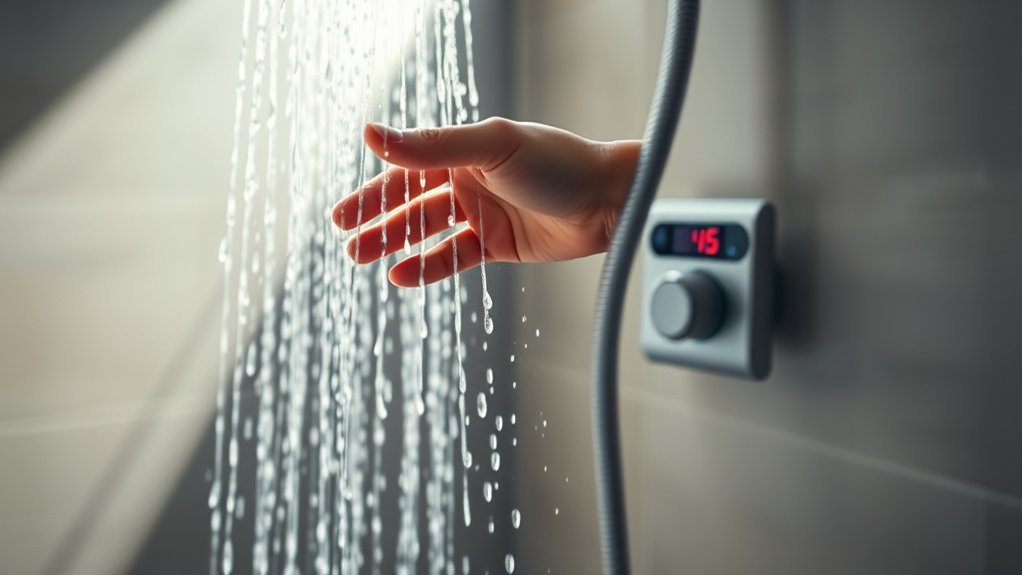
How can you safely incorporate cold showers into your routine if you have heart concerns? First, consult your healthcare provider to evaluate your individual risk related to cold exposure.
Begin with brief, lukewarm showers, gradually lowering the temperature to allow your cardiovascular system to adapt. Use two word discussion ideas like “gradual adaptation” and “symptom monitoring” when planning your approach.
Monitor for warning signs such as chest pain, dizziness, or excessive shortness of breath during and after exposure. Avoid sudden immersion or prolonged cold exposure, which can trigger vasoconstriction and increase cardiac workload.
If you experience adverse symptoms, stop immediately and seek medical advice. By following these clinical guidelines, you can minimize risks and incorporate cold showers safely despite heart concerns.
Frequently Asked Questions
Can Cold Showers Boost Immune System Function?
Imagine your body waking up as icy water cascades over your skin. Cold shower benefits include improved immune function by stimulating white blood cell activity, reducing inflammation, and enhancing circulation. This helps you defend against illnesses more effectively.
Do Cold Showers Improve Mental Health or Mood?
Yes, cold showers can improve your mental health by shifting you from anxious to calm and increasing motivation versus lethargy.
This occurs through cold-induced norepinephrine release, which enhances alertness and mood regulation clinically and effectively.
How Do Cold Showers Affect Skin and Hair Health?
Imagine your skin and hair thanking you. Cold showers boost skin hydration by tightening pores and enhance hair elasticity by sealing cuticles, reducing moisture loss. You’ll notice a healthier, more resilient appearance with consistent cold water exposure.
Are Cold Showers Beneficial for Muscle Recovery?
Yes, cold showers aid muscle recovery by reducing inflammation and soreness. You’ll benefit from cold exposure benefits, including enhanced immune adaptation, which supports faster healing and improved overall resilience after intense physical activity.
Can Cold Showers Help With Weight Loss?
Yes, cold shower benefits include slight weight loss by activating brown fat, which burns calories to generate heat.
While it’s not a major weight loss method, incorporating cold showers can support your overall metabolism.