Are Shower Valves Standard Size
Navigating shower valve sizes is like piecing together a complex puzzle—you might assume shower valves are standard size, but that’s rarely the case.
While 1/2-inch valves dominate residential setups, variations in diameter, depth, and connection type can complicate replacements.
Understanding these nuances is essential before you make a purchase or attempt an installation.
Let’s explore why the so-called “standard” size might not be as standard as you think.
Key Takeaways
- Shower valves have common sizes but are not universally standard due to brand and valve type variations.
- Standard size usually refers to rough-in dimensions and connection diameters, not external trim compatibility.
- Most residential shower valves use 1/2-inch connections, with 3/4-inch and 1-inch sizes less common.
- Precise measurements of valve diameter, depth, and connection type are essential before replacement or installation.
- Assuming universal fit can cause leaks, poor performance, and costly modifications; always verify exact valve specifications.
What ‘Standard Size’ Means and Why It Matters for Shower Valves
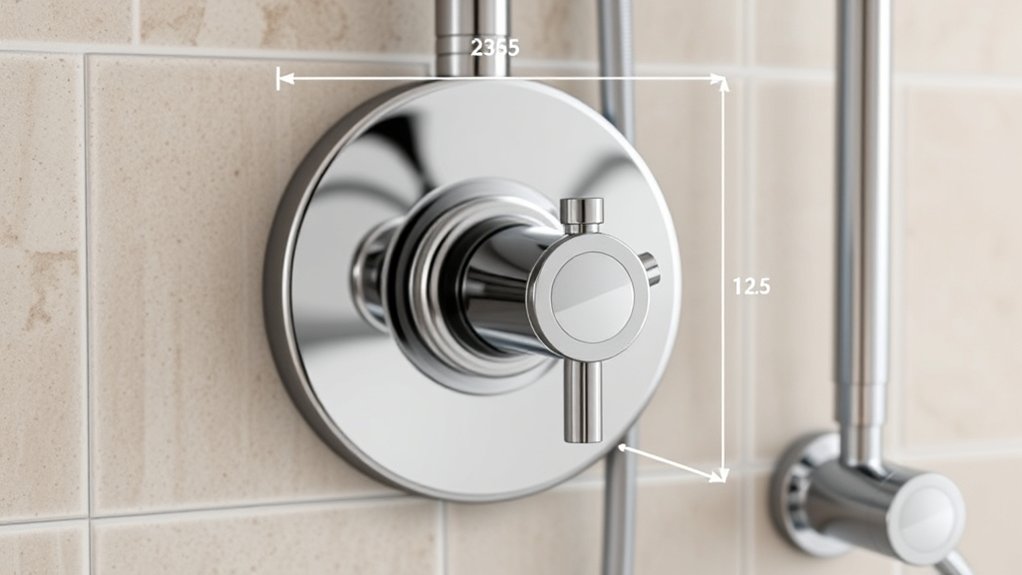
Why does the term “standard size” matter when dealing with shower valves? Understanding this is crucial because shower valve terminology often leads to sizing myths that confuse installers and homeowners alike.
Understanding “standard size” prevents confusion and mistakes for both installers and homeowners dealing with shower valves.
A “standard size” doesn’t imply a universal fit; instead, it refers to common dimensions that manufacturers typically produce. If you assume all valves labeled “standard” will fit your plumbing, you risk mismatches that affect function and installation.
By familiarizing yourself with this terminology, you can avoid costly errors. Standard size relates primarily to rough-in dimensions and connection types, not the valve’s external appearance or trim compatibility.
Grasping these details helps you select valves that meet your system’s requirements accurately, ensuring reliable performance and easier maintenance. Don’t let sizing myths complicate your project—know the facts.
Which Shower Valve Sizes Are Most Common?
When selecting a shower valve, which sizes will you encounter most frequently? Understanding common valve sizes is essential to ensure proper valve compatibility with your shower dimensions.
The most prevalent shower valve sizes include:
- 1/2-inch valves: Standard for residential showers, compatible with typical plumbing setups.
- 3/4-inch valves: Often used in larger shower systems or commercial applications needing higher water flow.
- 1-inch valves: Less common but necessary for custom or high-demand shower dimensions requiring increased water volume.
These sizes correspond to the valve’s inlet and outlet diameters, directly impacting installation ease and system performance. Selecting the right size avoids leaks and ensures efficient water control.
How Do You Measure Shower Valve Size Accurately?
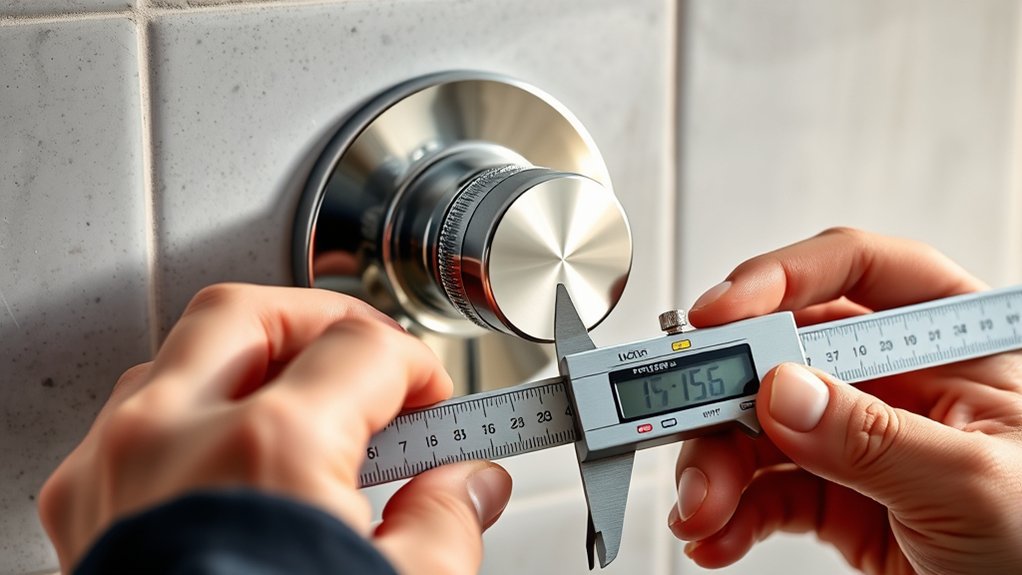
To measure your shower valve size accurately, you’ll need a caliper or measuring tape for precise diameter readings. Start by measuring the valve’s outer diameter, ensuring you capture any threads or fittings.
Then, check the valve depth carefully to confirm compatibility with your plumbing setup.
Tools Needed For Measurement
How do you guarantee an accurate measurement of your shower valve size? Ensuring measurement accuracy is crucial for valve compatibility and a proper fit. To measure precisely, you need the right tools at hand. Essential tools include:
- Calipers: Provide exact dimensional readings, ideal for measuring valve diameter and depth.
- Tape measure or ruler: Useful for quick length and distance checks around the valve body.
- Flashlight: Illuminates hard-to-see areas for better visibility during measurement.
Using these tools helps you avoid guesswork and ensures you capture the valve’s true dimensions. Accurate measurements prevent costly mismatches and simplify installation or replacement, making the process more efficient and reliable.
Measuring Valve Diameter Precisely
Where exactly should you measure to determine your shower valve’s diameter? Focus on the valve body’s widest point, typically where the pipe connects to the valve. Use a caliper or tape measure for valve sizing, ensuring you measure the outer diameter (OD) of the pipe or fitting accurately.
Avoid measuring internal diameters, as they don’t reflect the valve’s true size. For measurement accuracy, take multiple readings around the circumference to detect any irregularities or wear.
Note whether the valve uses copper, PVC, or threaded connections, as these influence sizing standards. Recording these precise measurements helps you select compatible replacement parts or fixtures, preventing leaks or installation issues.
Accurate valve sizing is critical for maintaining plumbing system integrity and performance.
Checking Valve Depth Properly
Measuring the valve diameter accurately sets the foundation, but understanding the valve depth is equally important for proper installation and function. To check the shower valve depth properly, you need precise depth measurement to ensure plumbing compatibility and avoid leaks or improper alignment.
Use a straightedge or depth gauge to measure from the finished wall surface to the front edge of the valve body. Keep in mind:
- Verify the valve’s recommended depth range from the manufacturer’s specifications.
- Check for any obstructions behind the wall that could affect valve placement.
- Confirm that the valve depth aligns with your trim kit requirements for seamless installation.
Accurately measuring depth ensures your shower valve fits perfectly within the plumbing setup and functions without issues.
How Do You Match a Replacement Valve to Your Setup?
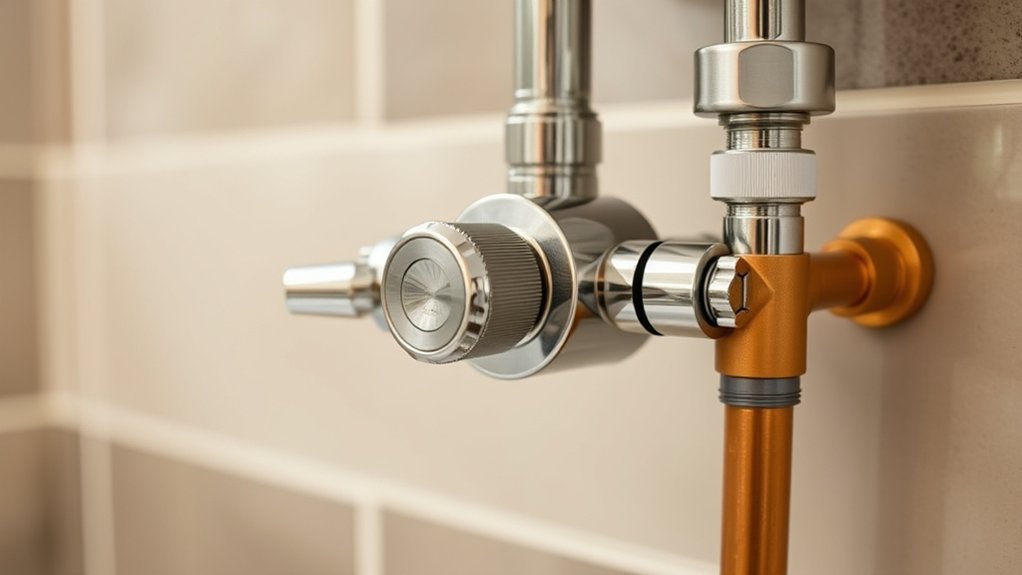
Determining the right replacement valve hinges on understanding your existing plumbing configuration and valve specifications. First, measure your shower sizing, including valve depth and pipe spacing, to assure valve compatibility.
Next, identify the valve type and connection style. These factors directly impact fit and function.
| Parameter | What to Check |
|---|---|
| Valve Size | Diameter and depth |
| Pipe Connections | Copper, PEX, or CPVC |
| Valve Type | Pressure-balancing or thermostatic |
| Installation Style | Wall mount or recessed |
How Do Brand and Valve Type Affect Your Shower Valve Size?
You’ll find that different brands often have unique dimensions and connection standards, which means valve sizes can vary even for similar functions. Additionally, the type of valve, whether pressure-balancing, thermostatic, or diverter, affects both the size and installation requirements.
Understanding these factors is essential to selecting a compatible replacement valve for your shower system.
Brand Variations Impact
How exactly do different brands and valve types influence your shower valve size? Brand variations can subtly affect dimensions, meaning you can’t always rely on a one-size-fits-all approach. While standard sizes exist, some manufacturers tweak measurements for proprietary designs, creating potential mismatches. Avoid subtopic irrelevance by focusing on size impact, not unrelated features.
Key factors to consider include:
- Cartridge dimensions differing slightly between brands
- Mounting flange and rough-in valve depth variations
- Compatibility with specific trim kits and plumbing setups
These differences can cause an otherh2 mismatch if you assume all valves are interchangeable. Understanding brand-specific sizing ensures you select the correct valve, preventing costly adjustments or replacements during installation. Always verify exact measurements rather than assuming universal standards apply.
Valve Type Differences
Why do valve types matter when sizing your shower valve? Different valve types, such as pressure-balance, thermostatic, and diverter valves, impact the valve size and installation requirements. Each type has unique internal components and flow capacities, influencing overall dimensions and plumbing connections.
When selecting a valve, consider valve compatibility with your existing plumbing system and brand specifications. This two word discussion ideas approach focusing on “valve compatibility” helps ensure proper fit and function.
For example, a thermostatic valve typically requires a larger body to house its temperature-sensing cartridge, whereas pressure-balance valves are more compact. Understanding these differences guides you in choosing the correct size, preventing leaks or malfunctions.
Always check manufacturer guidelines to match valve type and size precisely for optimal performance.
How Can Plumbing Setup Change Your Shower Valve Size Needs?
Where your plumbing lines run and how they’re configured directly impact the shower valve size you need. Understanding shower valve basics helps you assess these installation considerations accurately. Your existing plumbing setup dictates valve dimensions, connection types, and flow requirements.
Key factors include:
- Pipe spacing and layout: Determines valve width and inlet alignment.
- Water pressure and flow rate: Influences valve cartridge size and performance.
- Hot and cold water line configuration: Affects valve mixing chamber dimensions.
If your plumbing lines are spaced unusually or use non-standard fittings, you may require a valve with specific measurements or adaptors. Always measure precisely and evaluate your installation constraints before selecting a new valve to ensure compatibility and optimal function.
Tailoring your choice to your unique plumbing setup avoids costly modifications and ensures a seamless shower valve installation.
What Happens If Your New Shower Valve Doesn’t Fit?
What consequences arise if your new shower valve doesn’t fit properly? You’ll face installation challenges that can compromise the valve’s compatibility with existing plumbing.
An ill-fitting valve may cause leaks, reduced water pressure, or improper temperature control, directly impacting the system’s reliability and maintenance needs. You might need to modify or replace pipes, increasing labor and material costs.
Additionally, improper installation could lead to premature wear or failure, demanding frequent repairs. This disrupts your shower’s performance and raises safety concerns.
To avoid these issues, ensure precise measurements and verify that the valve matches your plumbing setup before installation. Addressing compatibility upfront minimizes risks, streamlines installation, and preserves the long-term reliability and ease of maintenance of your shower system.
Tips for Choosing the Right Shower Valve Size
How do you ensure your new shower valve fits perfectly and functions efficiently? Start by measuring the existing valve’s dimensions, including rough-in depth and connection size. Avoid relying on irrelevant topics or unrelated concepts like general plumbing sizes, which won’t guarantee compatibility.
Focus on these key tips:
- Verify the valve’s rough-in dimension matches your wall cavity.
- Check pipe connection types and sizes to match your plumbing setup.
- Consult manufacturer specifications for precise sizing and compatibility.
Frequently Asked Questions
Can I Install a Shower Valve Myself Without Professional Help?
You can install a shower valve yourself if you understand shower valve sizing and plumbing basics. DIY installation feasibility depends on your skills, tools, and local codes.
Always ensure proper fitting to avoid leaks or water pressure issues.
How Long Does a Typical Shower Valve Last?
You can expect a shower valve lifespan of 10 to 20 years, depending on water quality and usage.
Following a valve maintenance schedule, including regular inspections and cleaning, helps extend its functionality and prevents premature failure.
What Maintenance Is Needed for Shower Valves?
You should perform maintenance on shower valves every six months, focusing on valve lubrication to prevent stiffness and leaks. Regularly inspect for mineral buildup and replace worn seals to ensure smooth operation and prolong valve lifespan.
Are There Water-Saving Shower Valves Available?
You can kill two birds with one stone by choosing water-saving shower valves that improve flow control and pressure balance. These valves offer efficient water usage and temperature regulation, making your two word discussion idea one and two word discussion idea two top priorities.
Can Shower Valves Affect Water Pressure?
Yes, shower valve sizing directly affects water pressure impact. If you choose an improperly sized valve, you’ll experience either low pressure or excessive flow. Selecting the right valve ensures ideal water pressure and efficient performance.