What Is the Hcpcs Code for Bathtub Bench
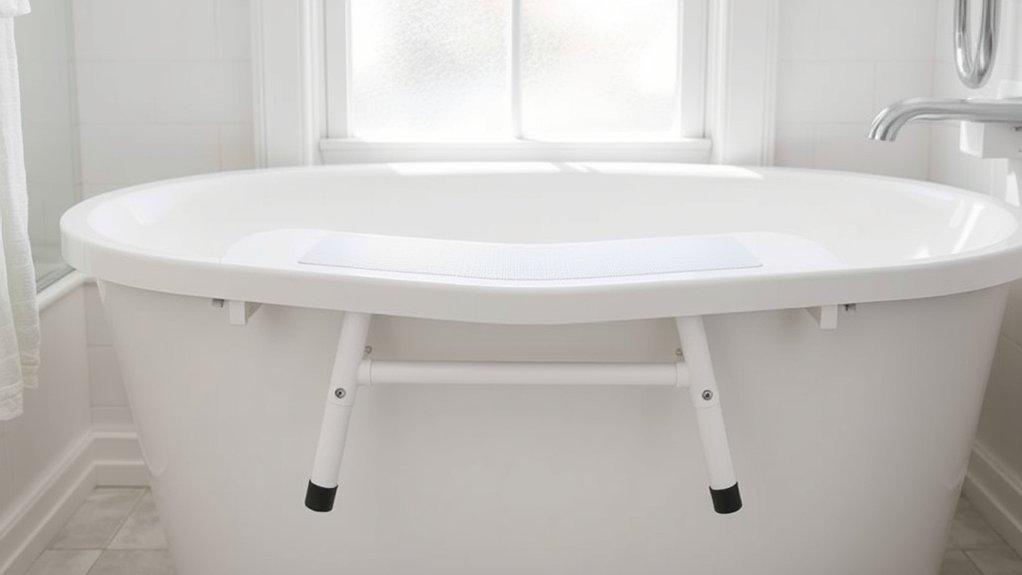
When you need to code for a bathtub bench, accuracy is vital to ensure proper billing and reimbursement. The HCPCS code E0245 specifically identifies adult-use bathtub benches designed with safety features like durable construction and non-slip surfaces.
However, factors such as user age, weight capacity, and special features can affect the appropriate code or modifiers required. Understanding these nuances can help you avoid claim issues and optimize coverage approval.
Key Takeaways
- The HCPCS code for an adult-use bathtub bench is E0245.
- E0245 covers benches with durable construction and non-slip features for bathtub safety.
- Accurate coding requires matching the bench’s specifications and user demographics.
- Pediatric bathtub benches may need modifiers or additional coding guidance.
- Verify with updated payer manuals to ensure correct HCPCS code application.
What Is a Bathtub Bench and Who Uses It?
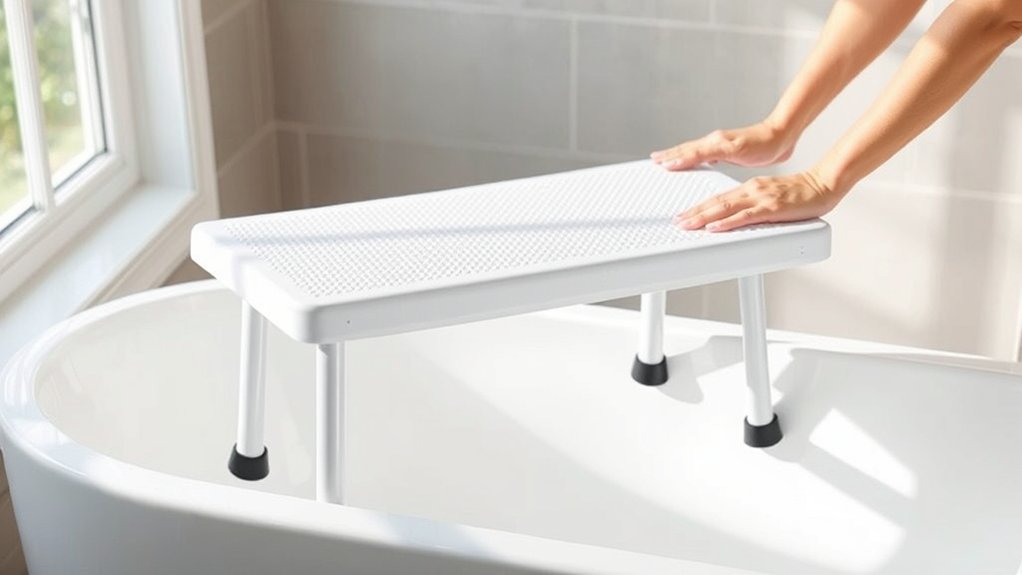
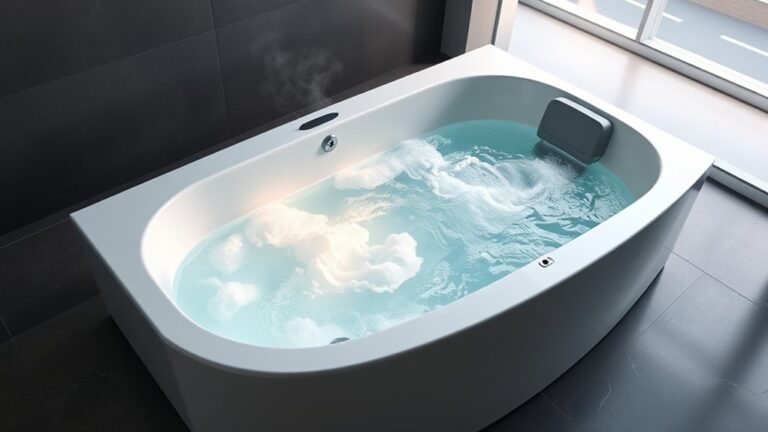
A bathtub bench provides stability and support during bathing, enhancing safety and comfort. You rely on it to reduce the risk of slips and falls, which are common in wet, slippery environments.
Designed for individuals with limited mobility, such as the elderly or those recovering from injury, it promotes bathtub safety by offering a secure seating surface. Using a bathtub bench supports patient independence by allowing you to bathe without assistance, preserving dignity and self-care capabilities.
Its materials resist water damage and ensure durability, while adjustable features accommodate various bathtub sizes and user needs. Incorporating a bathtub bench into your bathing routine minimizes hazards and fosters confidence, making it an essential device in both home and clinical settings focused on safe, autonomous personal hygiene.
The Exact HCPCS Code for Bathtub Benches
Understanding the purpose and design of bathtub benches sets the stage for identifying the correct HCPCS code used in medical billing and insurance claims. Bathtub benches, designed to enhance bathtub safety, provide stable seating for patients with limited mobility.
Bathtub benches improve safety by offering stable seating for individuals with limited mobility.
The precise HCPCS code assigned to standard bathtub benches is E0245. This code covers benches intended for adult use, emphasizing durable construction and non-slip features.
If you require a bathtub bench with pediatric fittings, designed specifically for children’s safety and size, you’ll need to check for any modifier or additional coding guidance, as E0245 primarily addresses adult models.
Accurate coding ensures reimbursement aligns with equipment specifications, including safety features and intended user demographics. Always verify with updated HCPCS manuals or payer policies to confirm the applicability of E0245 for your bathtub bench needs.
Using the Bathtub Bench HCPCS Code to File Claims
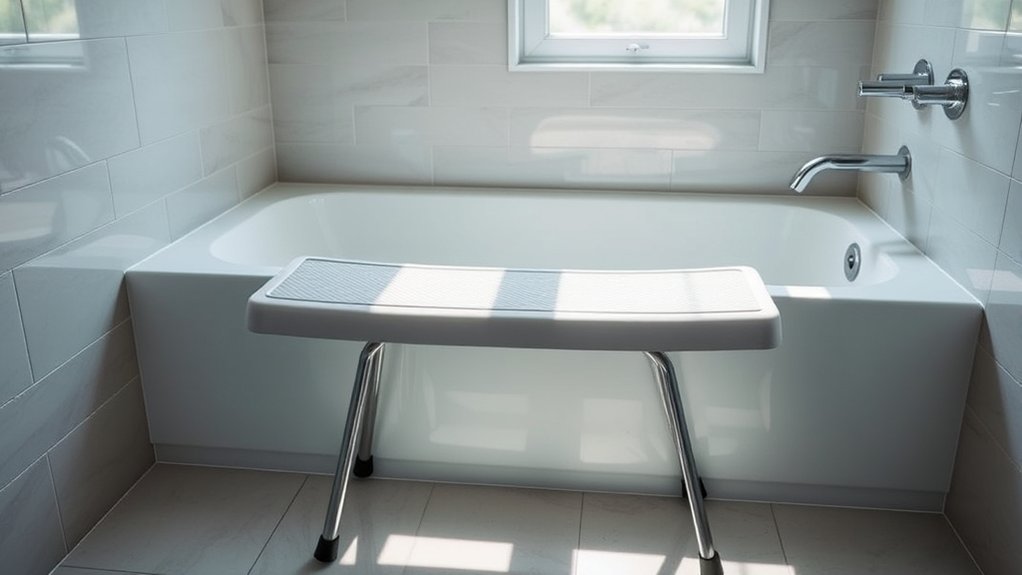
When filing claims using the bathtub bench HCPCS code, you’ll need to follow the standardized claim submission process carefully. Make certain your documentation clearly supports the medical necessity and specifies the product details.
Accurate coding and thorough records are essential to avoid denials and ensure timely reimbursement.
Claim Submission Process
How do you accurately submit a claim using the HCPCS code for a bathtub bench? First, ensure you select the correct HCPCS code that precisely matches the bathtub bench’s specifications. Next, include critical product details to support your claim:
- Verify the bathtub benches’ product dimensions to align with patient needs and coding criteria.
- Confirm the weight capacity, as it affects eligibility and reimbursement.
- Attach any supplier information and purchase date to maintain claim integrity.
Submitting the claim through the appropriate electronic or paper channels follows. Double-check all entries for accuracy, focusing on the HCPCS code and associated product data. Accurate claims reduce denials and speed up reimbursement for bathtub benches, streamlining the approval process and ensuring compliance with payer requirements.
Documentation Requirements
Why does thorough documentation matter when filing claims with the bathtub bench HCPCS code? Accurate, detailed records ensure your claim meets payer requirements and reduces denials.
You must clearly document the patient’s medical necessity for the bathtub bench, linking it to specific functional limitations or safety concerns identified during care planning. Include assessments that justify the equipment, such as mobility impairments or fall risks.
Additionally, document patient education provided regarding proper use and maintenance of the bathtub bench to support its clinical relevance. Precise documentation demonstrates compliance and facilitates claim approval.
Without this, payers may reject or delay reimbursement, complicating your revenue cycle. Always align documentation with payer guidelines and integrate it into the patient’s overall care plan to strengthen your submission when using the bathtub bench HCPCS code.
Insurance Coverage for Bathtub Benches and Medicare
You need to meet Medicare’s eligibility criteria for bathtub bench coverage, which typically requires a medical necessity. Understanding the insurance reimbursement process helps you submit accurate claims using the correct HCPCS code.
Keep in mind coverage limitations and exceptions that may affect your approval and out-of-pocket costs.
Medicare Eligibility Criteria
When does Medicare cover a bathtub bench? Medicare provides coverage only if you meet specific eligibility criteria, focusing on medical necessity rather than convenience. To qualify, you must:
- Have a documented medical condition that impairs your ability to safely use a standard bathtub, such as severe mobility limitations or balance disorders.
- Obtain a prescription from a licensed healthcare provider specifying the bathtub bench as essential durable medical equipment (DME).
- Ensure the bench is deemed medically necessary for your safety and daily living activities, aligning with Medicare’s guidelines.
Unlike fields like disaster recovery or quantum computing, where technology advances rapidly, Medicare’s criteria remain stringent to prevent misuse. Understanding these precise conditions helps you navigate coverage efficiently without unexpected denials.
Insurance Reimbursement Process
How does the insurance reimbursement process work for bathtub benches under Medicare? First, your healthcare provider must prescribe the bathtub bench based on medical necessity.
Medicare then reviews the product design, focusing on adjustability features that ensure user safety and comfort. The bench must meet strict manufacturing standards, confirming durability and compliance with safety regulations.
Once approved, Medicare assigns the appropriate HCPCS code, facilitating claim submission. You’ll need to submit documentation including the prescription, proof of eligibility, and supplier information.
Medicare processes these claims according to coverage policies, reimbursing costs partially or fully depending on your plan. Understanding this process helps you navigate insurance claims efficiently, ensuring you receive the necessary support for bathtub benches that meet technical and safety requirements.
Coverage Limitations and Exceptions
Although Medicare outlines clear steps for reimbursement of bathtub benches, coverage comes with specific limitations and exceptions that affect eligibility and payment. You must understand these constraints to navigate insurance approval successfully. Coverage hinges on demonstrating the device’s necessity for bathroom safety and patient mobility enhancement.
Key limitations include:
- The bathtub bench must be medically necessary, prescribed to improve patient mobility or prevent falls.
- Coverage excludes benches used solely for convenience or comfort without documented mobility impairment.
- Medicare may deny claims if alternative equipment could address the patient’s needs or if the device isn’t classified under the appropriate HCPCS code.
Knowing these factors helps you ensure compliance and maximize reimbursement chances while supporting patient safety in the bathroom environment.
Documentation Needed to Support Bathtub Bench Claims
Why is thorough documentation essential for bathtub bench claims? You need detailed medical records demonstrating the patient’s functional limitations and risk factors to justify the device as a necessary mobility aid. Include physician notes specifying how impaired mobility or balance compromises bedroom safety and daily hygiene routines.
Documentation should link the bathtub bench to a diagnosed condition that impedes safe bathing without the device. You must also provide objective assessments, such as physical therapy evaluations or fall risk analyses, to support the claim’s medical necessity.
Clear records streamline claim approval by verifying the device’s role in preventing injury and enhancing independence. Without precise documentation, payers may question the need, delaying or denying reimbursement for the bathtub bench.
How to Avoid Claim Denials for Bathtub Bench Reimbursement

When submitting claims for bathtub bench reimbursement, what steps can you take to minimize denials? First, familiarize yourself with the new terminology and billing jargon related to HCPCS codes to ensure accurate coding. Second, verify that all documentation precisely supports medical necessity and matches the specific HCPCS code assigned.
Third, confirm that the claim complies with payer-specific guidelines, including prior authorization requirements, to avoid administrative rejections.
- Cross-check codes against updated payer manuals to account for new terminology changes.
- Use clear, consistent billing jargon to describe the bathtub bench’s clinical use.
- Submit complete documentation aligned with code definitions to substantiate the claim.
Differences in HCPCS Codes for Bathtub Benches and Related Equipment
How do HCPCS codes differ between bathtub benches and similar assistive devices? You’ll find that bathtub benches usually fall under a specific code emphasizing bathroom safety, such as the durable medical equipment (DME) category for bathing aids.
Related equipment, like shower chairs or transfer benches, may have distinct codes reflecting variations in design, function, and intended use. These differences account for product aesthetics and features. Some devices prioritize lightweight materials or adjustable components, which impact coding.
When selecting the correct HCPCS code, you must consider whether the device improves stability and accessibility specifically during bathing or serves a broader bathroom safety function. Understanding these nuances ensures accurate coding, which is essential for compliance and reimbursement without confusion between similar but functionally different devices.
Billing Tips for Healthcare Providers on Bathtub Benches
Where do you start to guarantee proper billing for bathtub benches? Focus on these critical steps to ensure compliance and accuracy:
Start with essential steps to ensure accurate and compliant billing for bathtub benches.
- Verify bathtub safety standards with your chosen vendor selection to ensure equipment meets regulatory and patient needs, avoiding claim denials.
- Use the correct HCPCS code associated with bathtub benches, reflecting the precise product type and features for accurate reimbursement.
- Document medical necessity clearly, linking the bathtub bench to patient safety and mobility requirements, supporting the claim’s validity.
Why HCPCS Codes Matter for Bathtub Benches
Why do HCPCS codes play a pivotal role in billing for bathtub benches? You rely on HCPCS codes to accurately identify and classify bathtub benches within the durable medical equipment (DME) category for insurance claims.
Using precise HCPCS codes ensures reimbursement aligns with the equipment provided, reducing claim denials and delays. When you submit claims without the correct HCPCS codes, payers may reject or underpay your requests, complicating your billing process.
Additionally, HCPCS codes facilitate standardized communication between suppliers, healthcare providers, and insurers, promoting compliance with regulatory requirements. By mastering the correct HCPCS codes for bathtub benches, you streamline billing workflows, enhance claim accuracy, and improve revenue cycle efficiency, ultimately supporting better patient access to essential bathroom safety equipment.
Frequently Asked Questions
How Do I Clean and Maintain a Bathtub Bench?
You clean and maintain your bathtub bench by regularly wiping it with mild soap and water, inspecting for damage, and ensuring all components are secure. This preserves bathroom safety and the effectiveness of this essential assistive device.
What Materials Are Bathtub Benches Typically Made From?
Bathtub benches symbolize safety’s foundation. You’ll find materials options like aluminum, plastic, and wood, each balancing durability and weight considerations.
Choose wisely to ensure stability, comfort, and longevity while supporting your weight effectively.
Can Bathtub Benches Be Used Outside the Bathroom?
Yes, you can use bathtub benches outside the bathroom, but ensure they’re designed for outdoor use. Prioritize models that maintain bathroom accessibility features while withstanding weather conditions to ensure durability and safety in outdoor environments.
Are There Weight Limits for Different Bathtub Benches?
Yes, bathtub bench weight limits vary by model, typically ranging from 250 to 400 pounds.
To ensure durability, follow cleaning and maintenance tips like wiping moisture and checking screws regularly for safety and longevity.
How Do I Choose the Right Bathtub Bench for My Needs?
When choosing needs, you evaluate features like weight capacity, seat height, material, and stability. Prioritize safety, comfort, and compatibility with your bathtub to ensure the bench supports your mobility and bathing requirements efficiently and securely.
Conclusion
When coding for a bathtub bench, you’ll want to keep things straightforward by using HCPCS code E0245, designed for adult-use benches with safety features. Proper documentation and clarity on medical necessity will smooth your path to successful claims.
Staying attentive to coding nuances helps you navigate reimbursement gracefully, avoiding common pitfalls. By mastering these details, you ensure both compliance and patient safety.
Turning what could be a complex process into a well-oiled operation ultimately hinges on correctly applying the HCPCS code for bathtub bench.