Are Shower Caddies Bad for Shower Head
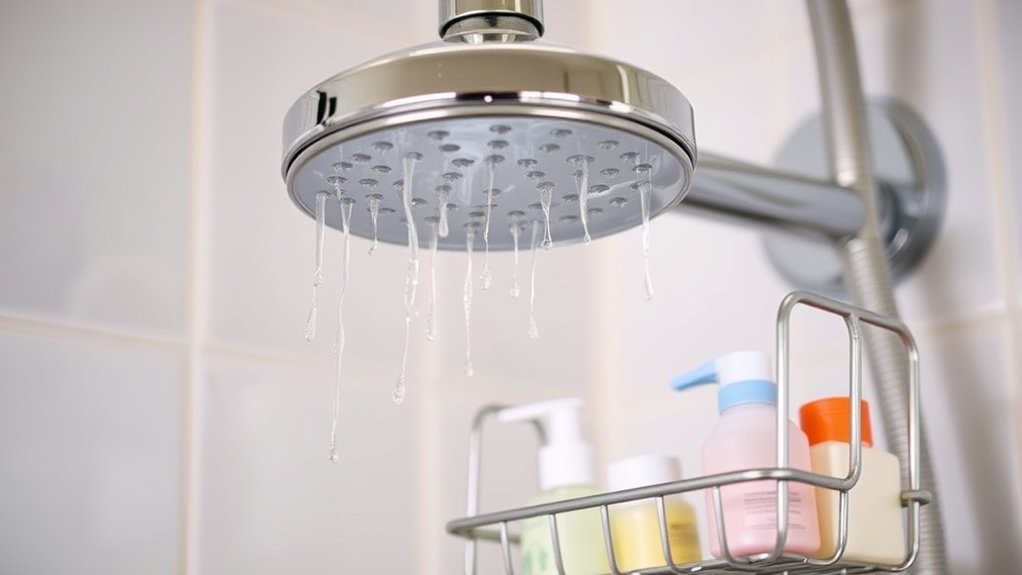
If you think a shower caddy will instantly ruin your shower head, you might be overestimating the risk. Shower caddies can cause problems, but it’s usually related to how much weight you hang on them or where you place them.
Improper installation can lead to misaligned spray or increased wear on the shower head. However, with the right approach, you can avoid these issues. Understanding the specifics can help you protect your fixtures effectively.
Key Takeaways
- Heavy or overloaded shower caddies can strain and damage the shower head connection and internal seals over time.
- Hanging caddies placed close to the shower head may obstruct water flow and disrupt spray patterns.
- Regular inspection and proper installation reduce stress and prevent alignment issues affecting shower head performance.
- Metal caddies prone to rust can transfer corrosion to fixtures, compromising durability and water flow.
- Alternatives like wall-mounted shelves or tension poles minimize load on shower heads and preserve fixture longevity.
Can Hanging Shower Caddies Hurt Your Shower Head?
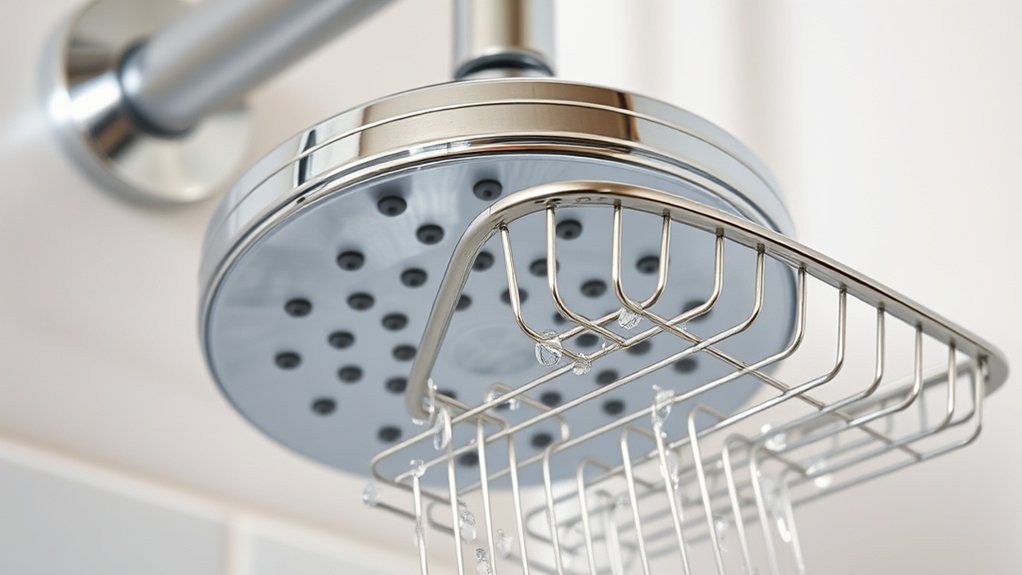
How much weight can your shower head support before it starts to suffer damage? Typically, standard shower heads are designed to handle the water flow and minimal additional load, but hanging caddies can introduce significant stress.
Standard shower heads support minimal extra weight, but hanging caddies can cause damaging stress.
When you attach a hanging caddy to the shower head, the combined weight of the caddy and its contents applies downward force. This force can strain the shower arm connection, especially if the hanging caddy is heavy or overloaded.
Additionally, excessive weight can alter the shower head pressure by causing misalignment or partial blockages. To prevent damage, keep hanging caddies lightweight and avoid overfilling them.
Using wall-mounted or tension-pole caddies can reduce the load on your shower head, preserving its integrity and maintaining optimal shower head pressure.
Common Problems Caused by Shower Caddies
You might notice that shower caddies can obstruct water flow, reducing your shower head’s efficiency. Over time, the extra weight and movement can increase wear and tear on the fixture.
Additionally, metal caddies may cause rust and corrosion, compromising both the caddy and shower head’s durability.
Water Flow Obstruction
Why does water flow slow down when you install a shower caddy? The primary reason lies in the shower caddy design. If the caddy is positioned too close to the shower head or its attachments, it can partially block the water spray path.
This obstruction directly affects water flow impact, reducing pressure and altering spray patterns. Additionally, certain caddies with bulky or solid frames can interfere with water distribution, causing uneven flow or splashing.
When selecting a shower caddy, consider models with minimal structural interference to maintain ideal water flow. Proper installation ensures the caddy doesn’t encroach on the shower head’s output zone.
Increased Wear And Tear
Where does increased wear and tear typically originate when using shower caddies? It usually stems from the additional weight and movement they impose on the shower head and its fittings. When you hang a shower caddy loaded with bottles, the extra stress strains the shower head connection points.
Over time, this pressure can loosen joints, cause cracks, or damage internal seals, reducing the shower’s overall durability. Furthermore, misaligned or sagging caddies may disrupt water flow patterns, negatively impacting water efficiency by causing uneven spray distribution or leaks.
To minimize this wear, choose lightweight caddies designed for secure mounting that evenly distribute weight. Regularly inspect connection points for signs of stress. By managing these factors, you can protect your shower head from premature degradation while maintaining optimal water efficiency.
Rust And Corrosion Risks
Several factors contribute to the increased risk of rust and corrosion when using shower caddies, especially those made from metal or featuring metal components. Constant exposure to moisture and soap residues accelerates rust issues on metal surfaces, which can then transfer to your shower head or plumbing fixtures.
Additionally, poor-quality coatings or finishes on caddies wear off over time, exposing raw metal to water and increasing corrosion concerns. You should also consider that rust buildup not only damages the caddy but can clog shower head nozzles or degrade seals, reducing water flow and causing leaks.
To minimize these risks, opt for rust-resistant materials like stainless steel or plastic, and regularly inspect your caddy for signs of corrosion to prevent damage to your shower head and maintain optimal function.
Choosing Shower Caddies That Protect Your Fixtures
How can you ensure your shower caddy safeguards your fixtures rather than damages them? Start by selecting materials resistant to rust and corrosion, such as stainless steel or high-grade plastic, which won’t degrade with constant water exposure.
Focus on designs that distribute weight evenly to avoid strain on your shower head or wall mounts. Avoid caddies with sharp hooks or clamps that might scratch or loosen fixtures over time.
When evaluating options, steer clear of unrelated topics like aesthetics alone; prioritize structural integrity and compatibility with your shower setup. Two word discussion ideas like “material durability” and “load distribution” help you assess products effectively.
Installing Shower Caddies Without Damaging Your Shower Head
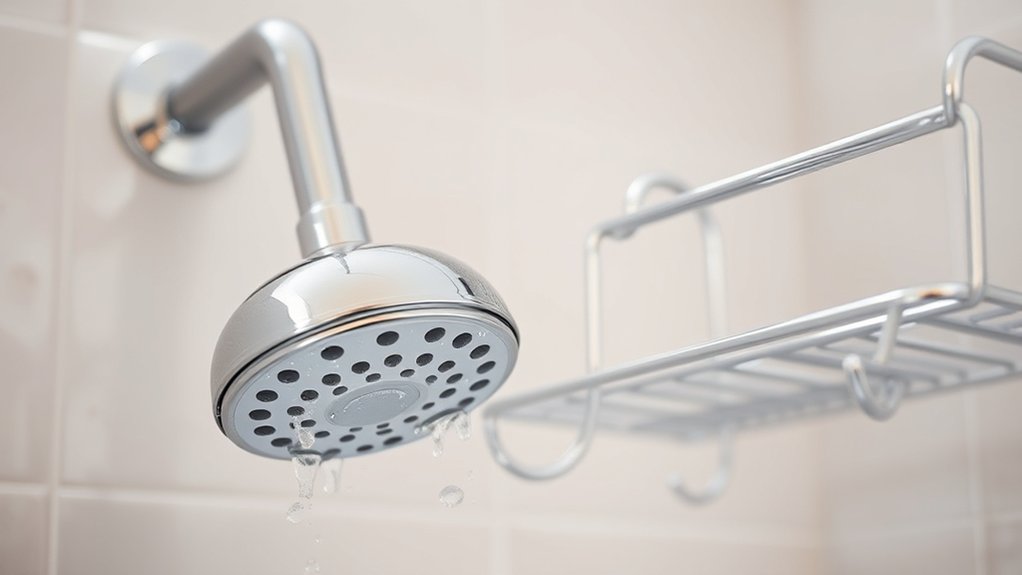
Once you’ve selected a shower caddy that prioritizes material durability and proper load distribution, installing it correctly becomes key to preserving your shower head’s integrity. Choose shower caddy materials that resist corrosion and minimize stress on mounting points.
Before installation, thoroughly clean the area and apply waterproof sealants around fixtures to prevent moisture damage. Use appropriate hardware to avoid over-tightening, which can strain your shower head.
- Position the caddy away from direct shower head contact to prevent mechanical stress
- Secure mounting brackets firmly but avoid excessive torque
- Apply silicone-based waterproof sealants to all attachment points
- Regularly check for loosening or wear in the materials and joints
Following these steps ensures your shower caddy supports your essentials without compromising your shower head’s function or lifespan.
Maintaining Your Shower Head When Using a Caddy
Why should you prioritize shower head maintenance when using a caddy? Proper upkeep ensures optimal water flow and prevents damage caused by added weight or misalignment. Following shower caddy ethics means selecting and positioning caddies that don’t stress your shower head or compromise headlamp compatibility.
Regularly inspect the connection points for corrosion or loosening, especially if your caddy attaches directly to the shower arm. Clean both the shower head and caddy to avoid mineral buildup, which can obstruct water flow and reduce efficiency.
When adjusting your caddy, ensure it doesn’t interfere with the headlamp’s seal or function, preserving both safety and performance. By maintaining your shower head with these practical steps, you extend its lifespan and uphold the integrity of your entire shower setup.
How to Know When It’s Time to Fix or Replace Your Shower Fixtures
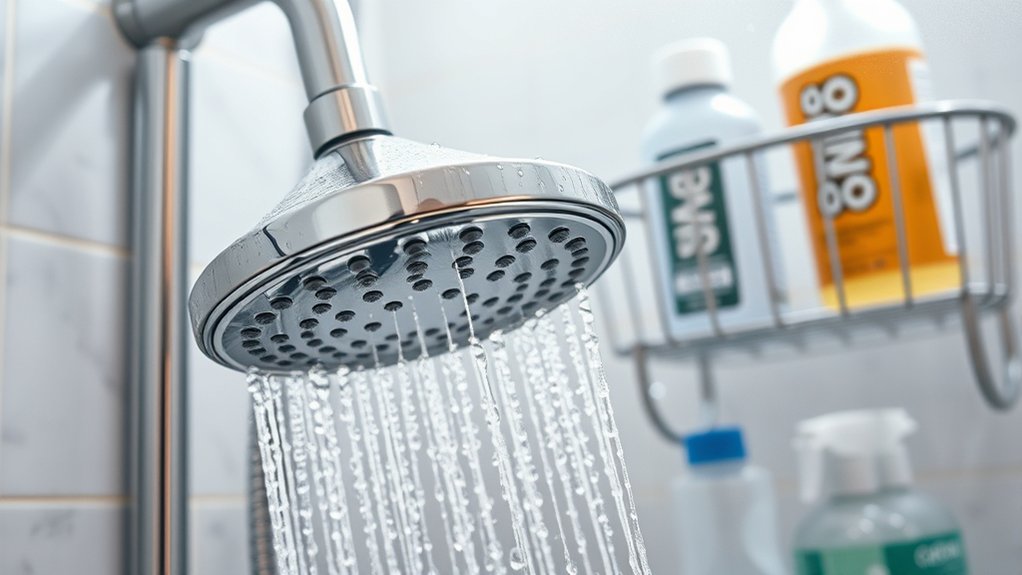
You’ll know it’s time to fix or replace your shower fixtures when you spot visible damage like cracks or corrosion. Pay close attention to changes in water flow or pressure, as these can signal internal blockages or wear.
Addressing these issues promptly ensures optimal performance and prevents further damage.
Signs of Fixture Damage
How can you tell when your shower fixtures need attention? Look for clear signs of damage that affect both function and fixture aesthetics. Damaged fixtures often coincide with increased shelf clutter, as you might compensate for lost storage or compromised hardware.
Watch for these indicators:
- Cracks or corrosion on metal surfaces, which degrade fixture aesthetics and structural integrity
- Loose or wobbly mounts, signaling weakening support that risks fixture failure
- Visible water stains or mineral buildup around joints, indicating leaks and potential damage
- Excessive shelf clutter caused by broken or unstable caddies forcing you to relocate items
If you notice any of these signs, it’s time to evaluate whether repairs or replacements will restore your shower’s reliability and clean look.
Performance and Water Flow
Beyond visible damage, the performance of your shower fixtures reveals much about their condition and when maintenance is necessary. Pay close attention to water flow rate and pressure. Any irregularity may indicate internal blockages or wear.
Assess cadence compatibility; if your showerhead’s spray pattern becomes inconsistent or sluggish, the fixture may struggle to maintain optimal flow. Evaluate fixture ergonomics as well; awkward positioning or instability caused by added weight from shower caddies can affect water distribution and user comfort.
If you notice uneven flow, reduced pressure, or difficulty adjusting the fixture smoothly, it’s time to inspect or replace components. Addressing these issues promptly ensures efficient water delivery and prolongs the lifespan of your shower system, preventing further damage linked to poor cadence compatibility or compromised ergonomics.
Alternatives to Hanging Shower Caddies for Bathroom Storage
What options exist if hanging shower caddies aren’t suitable for your bathroom? You can choose alternative storage solutions that avoid strain on your shower head while keeping essentials accessible. Consider these practical choices:
- Corner shelves: Mounted securely to walls, they provide sturdy storage without interfering with water flow.
- Tension pole organizers: Adjustable height and multiple tiers maximize vertical space without permanent fixtures.
- Built-in niches: Recessed into the shower wall during construction or renovation, offering a seamless, waterproof storage option.
- Decorative organizers: Wall-mounted baskets or racks crafted from rust-resistant materials add style and function without hanging from the showerhead.
These alternatives prevent damage and maintain optimal shower performance, combining durability with aesthetic appeal for effective bathroom storage.
Frequently Asked Questions
What Materials Are Shower Caddies Typically Made From?
When it comes to shower caddies, you’ll find they’re typically made from metal brackets and glass shelving, combining durability with style. This mix lets you kill two birds with one stone: sturdy support and sleek design.
Can Shower Caddies Cause Mold or Mildew Buildup?
Yes, shower caddies can cause mold or mildew buildup if water accumulates and ventilation is poor.
To prevent this, you should regularly clean and dry your caddy, ensuring proper drainage and airflow around it.
Are Suction Cup Caddies Less Damaging Than Hanging Ones?
You’ll find suction cup durability varies, often weakening over time, but they generally cause less hanging caddy damage to shower heads. Hanging caddies exert consistent weight, increasing stress and potential damage, unlike suction-based options.
How Do Shower Caddies Affect Water Pressure?
Shower caddies typically don’t affect water pressure directly. However, two word discussion ideas like “flow restriction” or “pipe blockage” matter.
Ensure your caddy’s placement doesn’t obstruct water flow or damage connections to maintain optimal water pressure.
What Are the Best Brands for Durable Shower Caddies?
You won’t believe how lasting OXO and Simplehuman caddies are! Their durable materials assure brand durability, resisting rust and wear.
You’ll get practical, precise organization with sturdy construction that stands up to daily shower use effortlessly.