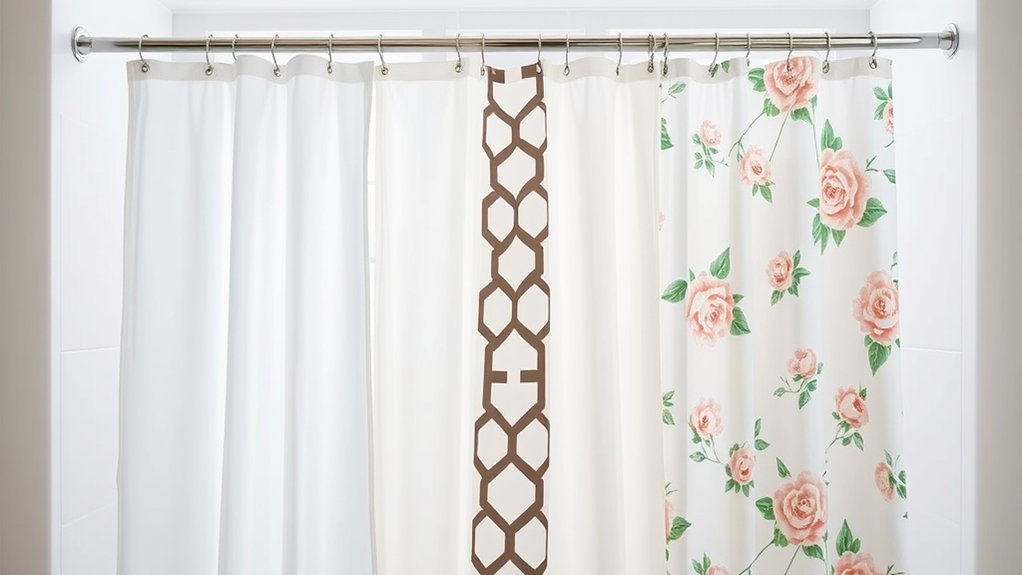
Are All Shower Curtains the Same Size
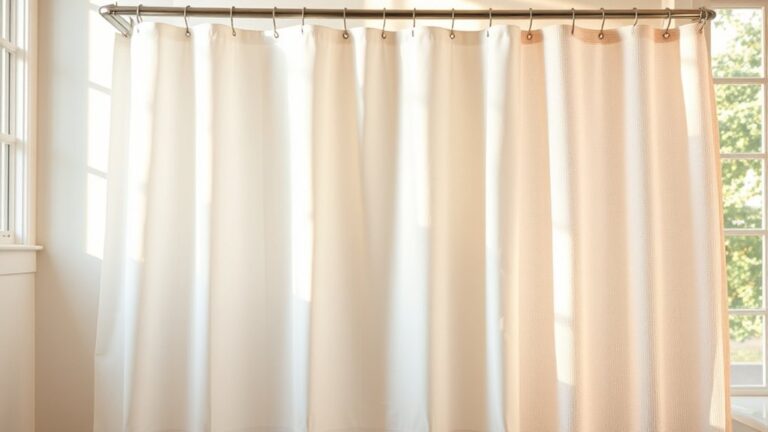
When you’re picking out a shower curtain, it’s important to know that not all shower curtains are the same size. Your shower’s style—whether it’s a standard alcove, a corner, or a curved setup—can affect the size you need.
Choosing the wrong dimensions can lead to water spills or an awkward look. Before you decide, take a moment to measure carefully and consider how the curtain will hang.
There’s more to sizing than you might expect. Taking the time to get the right fit ensures both functionality and style in your bathroom.
Key Takeaways
- Shower curtains come in various widths, commonly between 70 to 78 inches, to fit different shower or tub openings.
- Lengths vary from 70 to 84 inches, accommodating standard to tall rods and floor-to-ceiling designs.
- Custom or specialty curtains are available for non-standard shower styles like corner or curved enclosures.
- Curtain size depends on shower style, requiring precise measurements for proper water containment and fit.
- Materials, rings, and rod compatibility influence curtain size and hanging position, affecting overall functionality and aesthetics.
How Different Shower Styles Affect Shower Curtain Sizes
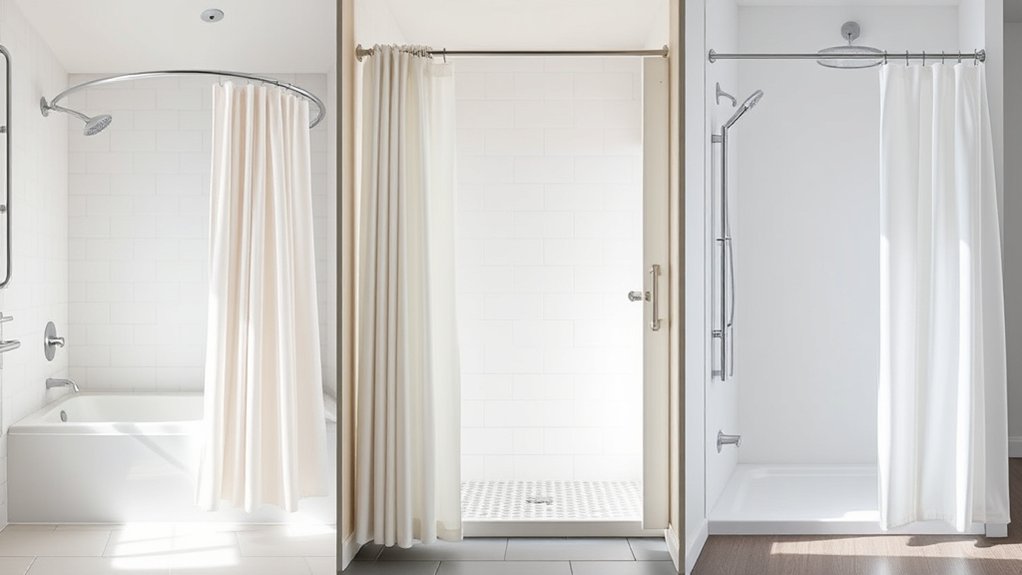
How do different shower styles influence the size of the curtain you need? When you choose a shower curtain, the style of your shower plays a major role in determining the ideal dimensions.
For example, a standard alcove shower typically requires a curtain that’s wider and longer to prevent water from escaping. On the other hand, a corner or curved shower demands a more customized size to fit snugly.
You can also experiment with creative materials like waterproof fabric blends that enhance durability while matching your bathroom’s vibe. Don’t forget color coordination; selecting hues that complement your tiles or walls helps create a cohesive look.
Understanding these factors ensures your curtain fits perfectly, functions well, and adds a stylish touch to your bathroom.
Standard Shower Curtain Sizes You Should Know
You’ll find most shower curtains come in standard widths of 70 to 72 inches, which fit typical shower or tub openings. Length options usually range from 70 to 72 inches, with longer sizes available for taller setups or floor-to-ceiling designs.
Knowing these common measurements helps you pick a curtain that fits well without too much excess fabric or gaps.
Common Width Measurements
Where do you start when choosing the right width for your shower curtain? First, measure your shower dimensions accurately, focusing on the width between the walls or the length of your shower rod.
Most standard shower curtains come in widths of 70 to 72 inches, designed to fit typical shower stalls. However, if your shower is wider or you have unique curtain hardware, you might need a wider curtain, such as 74 or 78 inches.
Remember, your curtain should fully cover the opening and allow for some overlap to prevent water from escaping. Also, consider the type of curtain hardware you use, as some rods curve or extend, affecting the curtain width you need.
Accurate measurements ensure a functional and neat fit.
Typical Length Options
When selecting the right length for your shower curtain, knowing the typical size options can make the process easier and more effective. Standard shower curtains usually come in lengths of 70, 72, and 74 inches, fitting most tubs and shower stalls.
If you have a taller shower rod or want the curtain to just skim the floor, consider longer options like 78 or 84 inches. Remember, the length can affect water containment and the overall look of your bathroom.
While planning your purchase, factor in budget planning. Longer or specialty curtains may cost more. Also, think about color psychology; a longer curtain in a calming hue can create a relaxing ambiance.
Knowing these typical lengths helps you pick a curtain that fits both function and style perfectly.
How to Measure Your Shower or Tub for the Perfect Shower Curtain Size
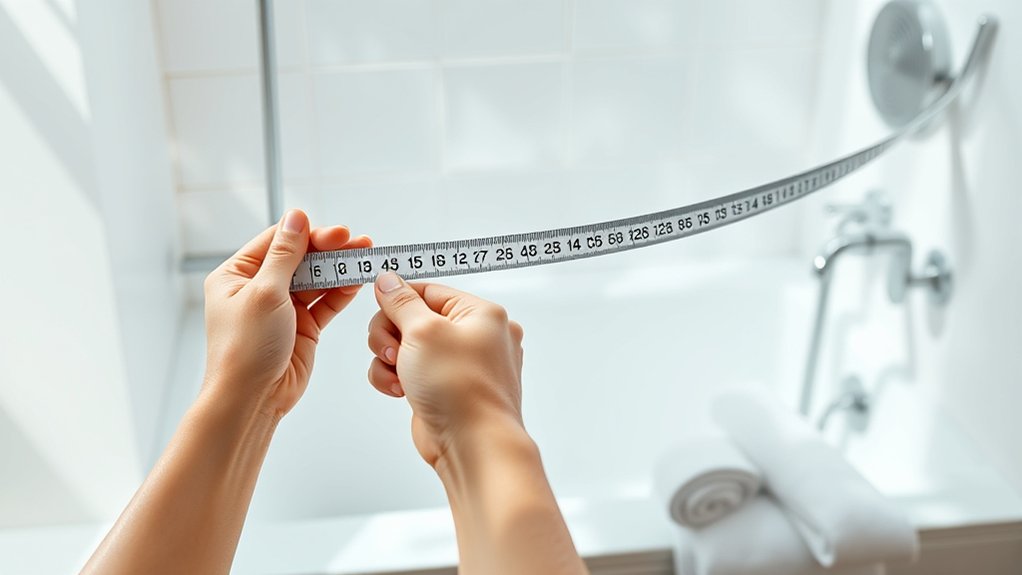
Start by measuring the exact width of your shower or tub to know how wide your curtain needs to be. Next, determine the ideal curtain length by measuring from the rod to just below the tub edge or shower floor.
Don’t forget to add extra length or width if you’re using curtain rings, since they can affect the overall fit.
Measure Shower Width
How do you ensure your shower curtain fits perfectly without gaps or excess fabric? Start by measuring the exact width of your shower or tub opening, avoiding unrelated topic distractions or random measurements. Use a metal tape measure for accuracy.
Measure from wall to wall where the curtain rod will be installed.
| Step | Measurement Tip |
|---|---|
| 1. Prepare | Remove any old curtains first |
| 2. Position Tape | Place tape at one wall edge |
| 3. Extend Tape | Stretch tape to opposite wall |
| 4. Record Width | Note the measurement precisely |
| 5. Double Check | Measure twice to confirm accuracy |
This width helps you select a curtain wide enough to cover the opening fully, ensuring no water escapes and no excessive fabric bunches up.
Determine Curtain Length
After you’ve measured the width of your shower or tub opening to guarantee a proper fit, the next step is to determine the ideal curtain length. Measure from the shower rod down to where you want the curtain to end, usually just inside the tub to prevent water splashes. Consider these factors:
- Height of your shower rod and tub edge to avoid dragging or gaps
- Preference for curtains that skim the tub or hang slightly inside
- Choosing alternative materials or eco friendly options that suit your bathroom’s moisture levels
Selecting the right length ensures functionality and style. Also, keep in mind that some alternative materials, like recycled fabrics or biodegradable plastics, offer eco friendly options without compromising durability. Accurate length measurement is key to a perfect fit and lasting performance.
Account For Curtain Rings
Why does accounting for curtain rings matter when measuring your shower or tub for the perfect curtain size? Because the rings add extra length and affect how your curtain hangs. When measuring, factor in the height of your shower rings to ensure the curtain doesn’t drag on the tub floor or hang too high.
Also, consider shower ring compatibility with your curtain rod diameter. Rings need to slide smoothly without binding. If your curtain rod diameter is larger, you might need bigger rings, which could further influence curtain placement.
Measure from the top of the rod to where you want the curtain’s bottom to fall, then add the height of the rings. This approach guarantees a well-fitted curtain that functions properly and maintains a neat appearance.
Why the Right Shower Curtain Size Matters
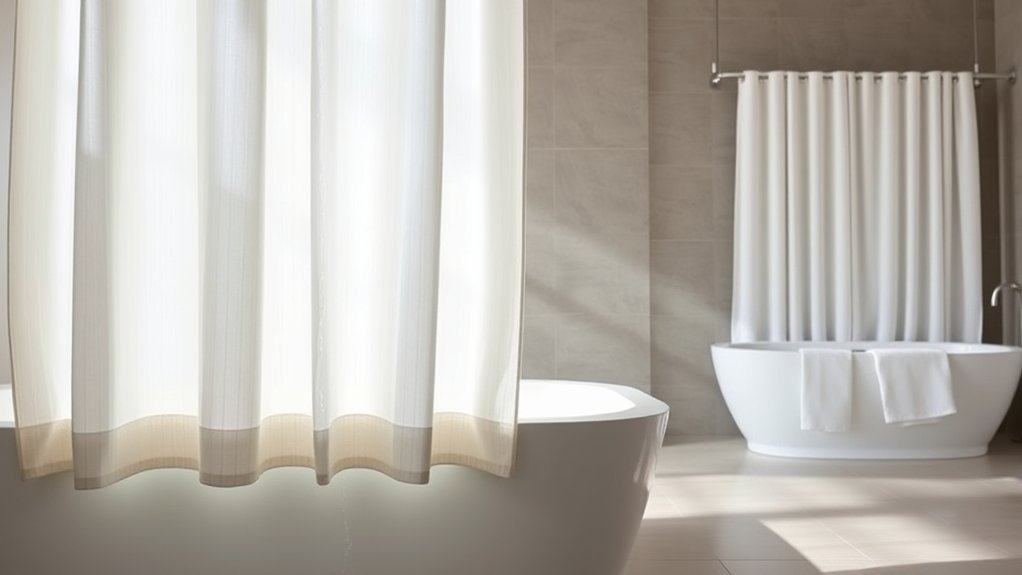
What difference does the right shower curtain size make in your daily routine? Choosing the proper fit matters because size variation directly affects water containment and bathroom cleanliness. A curtain that’s too short or narrow won’t keep water inside, leading to slippery floors and potential damage.
The right shower curtain size keeps water in place, preventing slippery floors and bathroom damage.
Also, the material impact on weight and flexibility interacts with size. Heavier fabrics might sag if oversized, while lighter ones may flutter if too small.
Consider these points:
- Prevent water spillage by matching curtain length and width to your shower
- Ensure durability and ease of use by balancing size with fabric type
- Maintain privacy and aesthetics with a curtain that fits snugly without gaps
Getting the size right ensures efficient function, safety, and a polished look in your bathroom.
Specialty Shower Curtain Sizes and Shapes Explained
How do you find a shower curtain that perfectly fits non-standard shower setups? Specialty shower curtains come in unique sizes and shapes, designed to accommodate corner, curved, or custom enclosures. These options ensure full coverage without awkward gaps.
When selecting one, consider not only measurements but also design aesthetics. Opt for patterns or colors that complement your bathroom’s style. For instance, curtains featuring weathered textures can add a rustic charm while blending with modern fixtures.
Materials vary, so choose one that resists moisture yet enhances your space visually. Don’t forget to check rod compatibility, since curved or L-shaped rods require specific curtain dimensions. By understanding these specialty sizes and shapes, you’ll achieve a functional, stylish barrier tailored to your unique shower space.
Tips for Picking a Shower Curtain That Fits Well and Looks Great
Choosing the right shower curtain involves more than just matching dimensions; it requires balancing fit, function, and style to enhance your bathroom’s overall look. To pick a curtain that fits well and looks great, consider these tips:
- Measure your shower space accurately, including height and width, to ensure proper coverage without excess fabric dragging or gaps.
- Prioritize moisture management by selecting water-resistant materials and liners to prevent mold and keep your bathroom dry.
- Focus on color coordination with your bathroom’s existing palette, choosing patterns or solid colors that complement tiles, towels, and fixtures.
Frequently Asked Questions
What Materials Are Best for Shower Curtains?
You’ll want materials like vinyl or polyester for durability and easy cleaning. They resist mildew, fit most rods, and last longer.
Fabric curtains offer style but need liners for water protection and rod compatibility.
How Do I Clean and Maintain a Shower Curtain?
Don’t let curtain care become a “sizing myth” nightmare. Regularly machine wash your shower curtain with gentle detergent, avoid bleach, and hang it to dry. Spot clean stubborn stains promptly to keep it fresh and long-lasting.
Can Shower Curtains Prevent Mold and Mildew?
Yes, shower curtains help prevent mold and mildew by reducing moisture buildup. Regular cleaning and proper ventilation are key.
Focus on moisture control and curtain care to keep your bathroom fresh and mold-free.
Are There Eco-Friendly Shower Curtain Options?
You’ll find eco-friendly options made from sustainable materials like organic cotton, hemp, or biodegradable PEVA. These choices reduce toxins and waste, so you’re not just protecting your bathroom but also helping the environment practically.
How Often Should I Replace My Shower Curtain?
You should replace your shower curtain every 6 to 12 months, depending on shower curtain durability and mold buildup.
Regularly inspect it to maintain hygiene and prevent mildew, adjusting replacement frequency based on your bathroom’s humidity.