Are All Shower Liners the Same Size
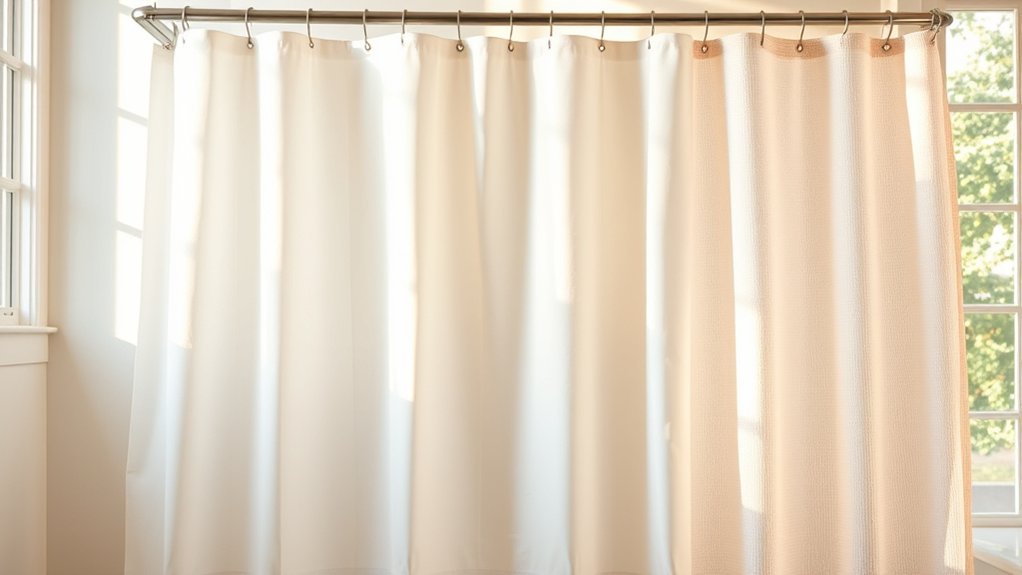
You might assume all shower liners come in a standard size, but that’s not the case. Are all shower liners the same size? The answer is no. Shower dimensions, rod placements, and wall shapes vary, meaning liners must fit precisely to prevent leaks.
Knowing how to measure your space accurately and select the right liner thickness is essential. Before you pick a liner, it’s important to understand these differences and how they impact your bathroom’s waterproofing effectiveness.
Key Takeaways
- Shower liners come in various sizes, with standard dimensions around 70-72 inches square and extra-long versions up to 78 inches.
- No universal size fits all showers due to varying enclosure dimensions and rod placements.
- Liner thickness and material type do not determine size but affect durability and water resistance.
- Proper measurement of shower width, length, and height ensures the liner fits without gaps or excess pooling.
- Custom liners are available when standard sizes do not meet specific shower shape or size requirements.
What Are Standard Shower Liner Sizes?

When choosing a shower liner, you might wonder what sizes are considered standard. Typically, standard shower liners measure 70 by 70 inches or 70 by 72 inches, designed to fit most tub and shower enclosures.
It’s important to dispel size myths suggesting one universal fit; shower dimensions vary, so liners labeled “standard” often accommodate a range rather than a fixed size. Similarly, material myths claim that size correlates directly with liner thickness or durability, but these factors are independent.
Liners come in various materials like PEVA, vinyl, or polyester, each offering different qualities without affecting standard sizing. Understanding these technical distinctions helps you select a liner that fits your space precisely, avoiding unnecessary adjustments or replacements.
Why Do Shower Liner Sizes Vary Between Bathrooms?
Why do shower liner sizes differ from one bathroom to another? The variation arises from multiple factors unique to each space. When you tackle a DIY bathroom project, understanding these differences is essential for effective mold prevention and proper fit.
- Shower enclosure dimensions: Sizes vary widely, from small stalls to large bathtubs.
- Curtain rod placement: The height and width dictate liner length and width.
- Wall irregularities: Uneven or angled walls require custom liner adjustments.
- Ventilation needs: Proper sizing ensures the liner doesn’t cling, reducing mold growth potential.
Types of Shower Liners and Their Standard Sizes

How do you choose the right shower liner for your bathroom? Start by understanding the types and their standard sizes. Most shower liners come in two main forms: standard and extra-long.
Standard liners typically measure 72 x 72 inches, fitting most shower curtains and tubs. If your setup includes a longer shower curtain or an extended tub, an extra-long liner, about 72 x 78 inches, provides better coverage.
For smaller tubs or showers, you can find liners as compact as 54 x 78 inches. Additionally, some liners are designed with weighted hems to prevent billowing.
Don’t forget to coordinate your bath mat size with the liner and curtain to maintain a cohesive look and functionality. Selecting the right liner size ensures water stays contained, protecting your bathroom floor effectively.
How to Measure Your Shower or Tub for a Liner
Start by measuring the height and width of your shower or tub enclosure to determine the liner size you’ll need. Be sure to measure from the edge of the tub to the opposite wall and include any curves or angles if your tub has an irregular shape.
Accurate dimensions ensure your liner fits properly, preventing water leaks and extending its lifespan.
Measure Shower Dimensions
When estimating your shower or tub for a liner, accuracy is essential to guarantee a proper fit and prevent water damage. Precise measurements ensure the liner functions effectively, just like maintaining scented candles or proper plant care requires exact attention to detail.
Follow these steps to measure your shower dimensions:
- Measure the width from wall to wall at the top edge.
- Measure the length from the back wall to the outer edge of the tub or shower base.
- Measure the height from the top edge down to the floor or tub bottom.
- Note any irregularities such as curves or built-in seats that affect liner placement.
Record all measurements in inches. This approach ensures you select a liner that fits snugly, avoiding gaps that could cause leaks or mold growth.
Consider Tub Shape
Why does tub shape matter when measuring for a shower liner? Tub dimensions vary considerably depending on the bath shape. Standard rectangular tubs differ from oval or corner models in width, length, and depth.
When you assess your tub for a liner, you must account for these variations to ensure a proper fit. Start by measuring the width and length at the widest points of the bath shape, then check the height from the tub’s edge to the shower curtain rod or ceiling.
Remember, liners designed for rectangular tubs may not fit curved or uniquely shaped tubs properly. Accurately capturing your tub dimensions helps you select a liner that fully covers the wet area, preventing water leakage and mold buildup.
Don’t overlook bath shape, as it directly impacts liner effectiveness and durability.
How to Choose the Right Shower Liner Size
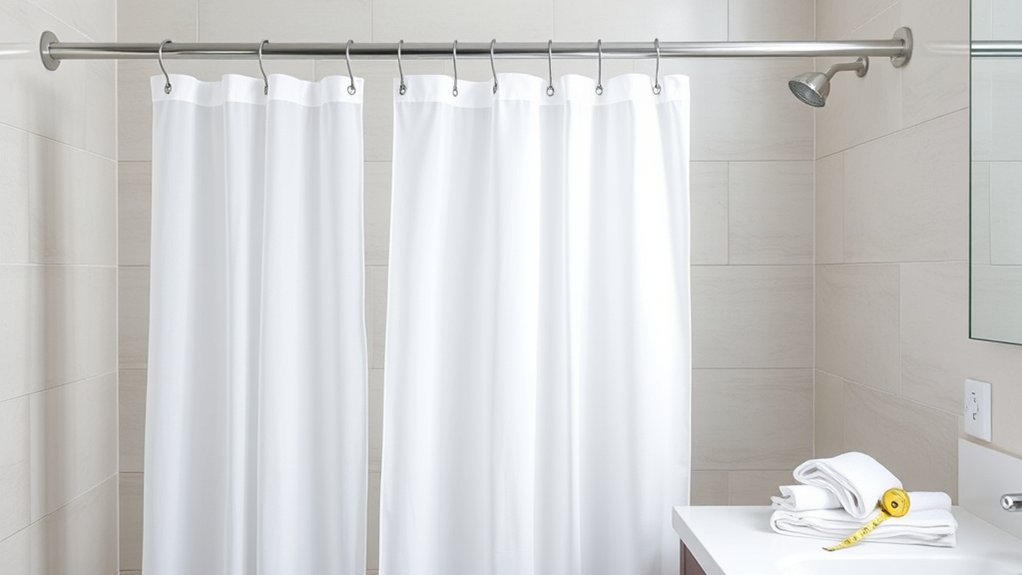
How do you determine the right size for your shower liner? Avoid common sizing myths and focus on liner compatibility with your shower space. Accurate measurements are critical for functional fit and water containment.
Here’s how to choose the right size:
- Measure the width and length of your shower or tub precisely.
- Account for extra liner material, usually 4 to 6 inches longer and wider than the shower dimensions.
- Verify the liner’s fit with your shower curtain rod placement and tub shape.
- Choose a liner thickness compatible with your water exposure and durability needs.
What Happens If Your Shower Liner Is Too Small?
Choosing the right shower liner size directly impacts its performance. If your shower liner is too small, it won’t adequately cover the shower area, increasing the risk of water leakage. This can lead to water damage on walls and floors, especially if the liner doesn’t extend far enough inside the tub or shower base.
Additionally, a smaller liner may bunch up or shift during use, reducing its effectiveness as a water barrier. When using liners made from recycled materials, which are common for both indoor and outdoor use, fit is essential to maintain durability and prevent premature wear.
In outdoor use scenarios, a small liner may expose surfaces to moisture, accelerating deterioration. Always measure accurately to avoid these issues and achieve optimal liner function.
What Happens When Your Shower Liner Is Too Big?
If your shower liner is too big, you risk water pooling on the floor, increasing leakage chances. Excess material can also crowd your shower space, making movement uncomfortable.
Properly sized liners ensure efficient water containment and maintain shower functionality.
Water Leakage Risks
What happens when your shower liner is too big? It can lead to significant water leakage risks, undermining your bathroom’s integrity. When oversized, the liner sags or folds, allowing water to escape the tub or shower base.
This issue isn’t just an unrelated topic to bathroom décor; it directly affects your space’s functionality and longevity. Here’s what you should watch for:
- Water pooling outside the shower, causing floor damage.
- Mold and mildew growth due to persistent moisture.
- Damage to subflooring and walls from repeated exposure.
- Increased risk of slipping hazards from wet floors.
Selecting the correct liner size is critical to prevent these problems and maintain a dry, safe bathroom environment.
Shower Space Constraints
How does an oversized shower liner affect your shower space? When your liner is too large, it bunches up and reduces usable space, making your shower feel cramped and uncomfortable. This excess material can trap moisture, altering shower chemistry by encouraging mold and mildew growth.
From a plumbing maintenance perspective, an ill-fitting liner can interfere with drainage and cause water to pool, increasing the risk of leaks. Two word discussion ideas often focus on “space efficiency” and “material compatibility,” both essential for proper liner function.
Choosing a correctly sized liner ensures that water flows properly, maintains hygiene, and preserves your shower’s structural integrity. Avoid oversized liners to prevent these issues and promote a clean, efficient shower environment that supports long-term plumbing health.
Tips for Installing Shower Liners Without Leaks
Where should you start to guarantee your shower liner installs without leaks? First, avoid irrelevant topics or two word discussion ideas that don’t address sealing techniques or measurements.
Focus on precise steps to ensure a watertight fit:
- Measure carefully, accounting for height and width with some overlap to prevent gaps.
- Choose a liner material resistant to mold and mildew, enhancing durability.
- Secure the liner using corrosion-resistant hooks or clamps, ensuring even tension without tears.
- Seal edges with waterproof caulk, especially around corners and seams.
Where Can You Find Shower Liners in the Right Size?
Finding shower liners that fit correctly can be challenging given the variety of shower dimensions and liner specifications. To avoid irrelevant topics and focus on practical ideas, you should explore specialized retailers, home improvement stores, and online marketplaces, which offer a broad range of sizes.
Custom liners are also an option if standard sizes don’t work.
| Source Type | Size Range Available | Notes |
|---|---|---|
| Home Improvement | Standard to large | Immediate availability |
| Online Retailers | Wide variety, custom options | Compare specs before buying |
| Specialty Stores | Custom sizes | Higher cost, tailored fit |
| Big Box Stores | Common sizes only | Limited selection |
| Manufacturer Sites | Custom and standard | Direct warranties and support |
Use these ideas to find the perfect liner size efficiently.
How to Maintain and Replace Your Shower Liner for the Best Fit
Maintaining a properly fitting shower liner ensures both functionality and hygiene in your bathroom. To keep your liner effective, follow these steps:
- Regularly inspect for tears or mildew, especially if made from recycled materials, which can degrade faster.
- Clean with mild, non-abrasive solutions to preserve material integrity and prevent buildup.
- Replace your liner every 6-12 months or sooner if damage occurs, ensuring the new liner matches your shower’s dimensions precisely.
- Consider liners compatible with smart home integrations, such as humidity sensors that alert you when replacement or cleaning is needed.
Frequently Asked Questions
What Materials Are Shower Liners Typically Made From?
Shower liner materials typically include vinyl, PEVA, and EVA, chosen for durability and water resistance. You’ll want to contemplate mold prevention techniques like antimicrobial coatings and proper ventilation to keep your liner clean and long-lasting.
Can Shower Liners Prevent Mold and Mildew Growth?
Yes, shower liners can help prevent mold and mildew growth when combined with proper shower liner maintenance.
Implement mold prevention strategies like regular cleaning, ventilation, and ensuring the liner dries completely after use to inhibit microbial buildup effectively.
How Often Should You Replace a Shower Liner?
You should replace your shower liner every 6 to 12 months, depending on liner durability and usage. Regularly check for tears, mold, or mildew, as these affect the recommended replacing frequency to maintain hygiene and effectiveness.
Are There Eco-Friendly Shower Liner Options Available?
You know what they say, “Waste not, want not.” Yes, you can find eco-friendly alternatives made from sustainable materials like PEVA or recycled polyester, reducing environmental impact while maintaining durability and water resistance in your shower liner.
Can a Shower Liner Be Customized to Fit Unique Shower Shapes?
Yes, you can get shower liners with custom sizing designed to fit unique shapes. Manufacturers use precise measurements and materials that accommodate irregular shower dimensions, ensuring a proper fit and effective water containment tailored to your specific needs.