Are All Shower Diverters the Same
You might assume all shower diverters perform the same basic function, but shower diverter types and designs vary significantly. Whether it’s a pull-up knob, lever, push-button, or three-way valve, each type interacts differently with your plumbing.
Choosing the wrong diverter can lead to leaks, poor water flow, or compatibility issues. Understanding these differences is essential before making a decision that affects your shower’s performance and durability.
Key Takeaways
- Shower diverters vary in design, including pull-up, rotary knob, lever, and push-button types for different plumbing setups.
- Diverter mechanisms differ, affecting water flow control, installation complexity, and user operation.
- Materials and finishes vary, influencing durability, maintenance, and compatibility with fixtures.
- Installation types differ: inside valve body diverters require valve disassembly; inline diverters need pipe cutting.
- Not all diverters are compatible with every plumbing configuration, impacting performance and potential leaks.
What Is a Shower Diverter and How Does It Work?
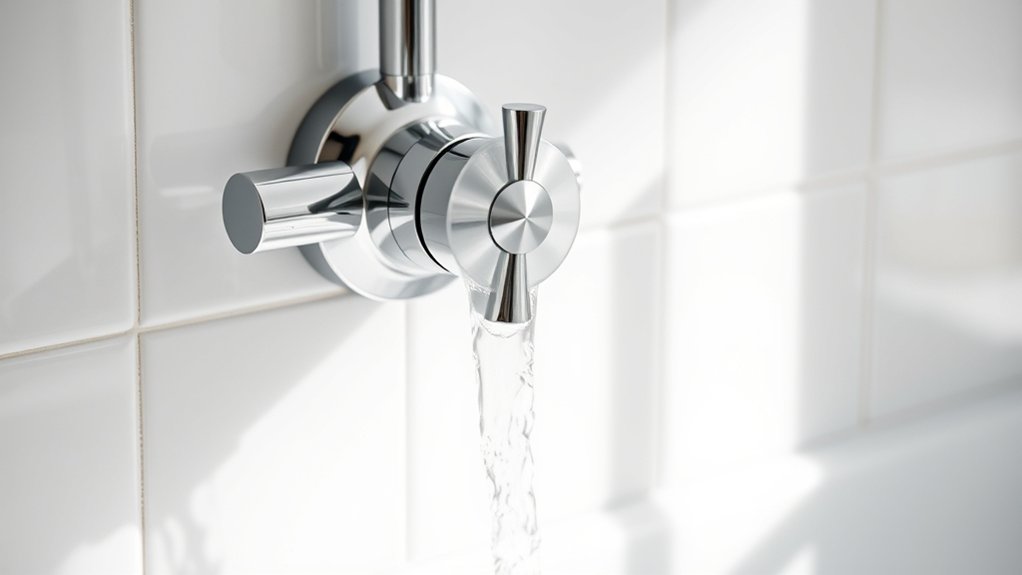
How does a shower diverter function within your bathroom plumbing? A shower diverter directs water flow between the tub faucet and the showerhead, allowing you to switch effortlessly. It operates by redirecting water through an internal valve mechanism when you engage a lever or knob.
You’ll find various designs, but all serve this critical function. When selecting a diverter, consider lightweight alternatives made from durable plastics or composite materials, which reduce strain on your plumbing and are easier to install. Budget friendly options often use these materials without compromising performance or longevity.
Understanding how a diverter works helps you choose the right model, ensuring efficient water flow control and avoiding leaks or pressure issues in your bathroom setup.
Types of Shower Diverters and How They Function
You’ll encounter several common types of shower diverters, each operating through distinct mechanical methods like rotary knobs, pull-up levers, or push buttons. Understanding how these mechanisms control water flow helps you assess their reliability and ease of use.
We’ll also examine the advantages and limitations of each type to help you make an informed choice.
Common Diverter Types
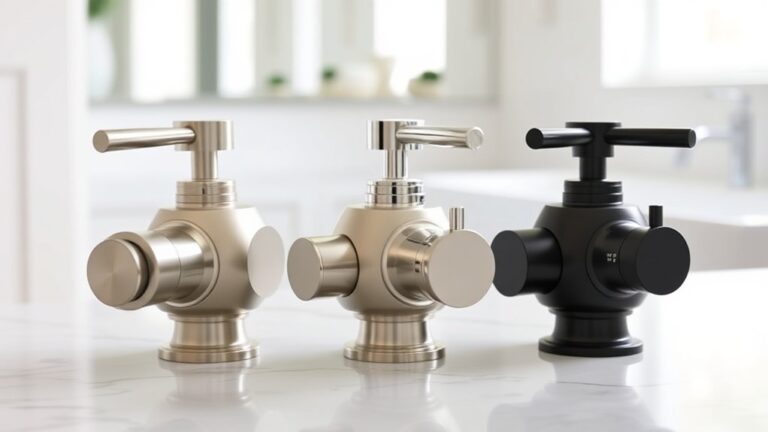
What sets shower diverters apart lies in their design and operation mechanisms. Common diverter types include the three-way valve, the push-button diverter, and the lever or knob diverter.
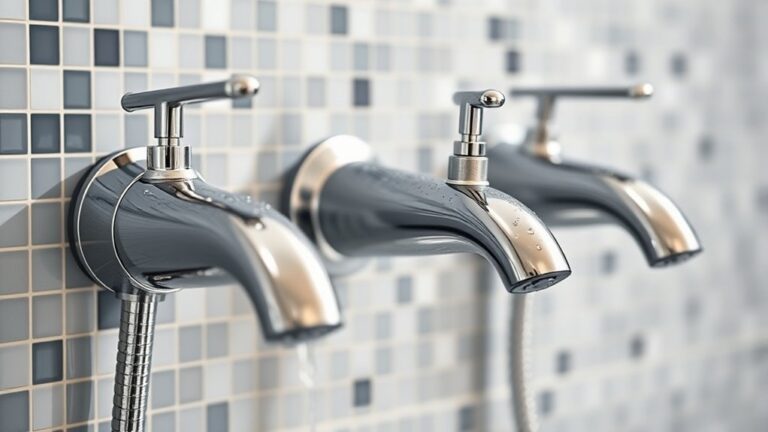
Three-way valves, often integrated into tub spouts, redirect water flow with a simple pull or push motion. Push-button diverters use a spring-loaded mechanism, providing ease of use and durability.
Lever or knob diverters offer precise control and are favored in contemporary design trends for their sleek appearance. When selecting a diverter, budget considerations play a crucial role; simpler models like tub spout diverters tend to be more cost-effective, while multi-function valve assemblies can increase expenses.
Understanding these types helps you balance functionality, aesthetics, and budget for your specific shower setup.
Mechanisms Behind Diverters
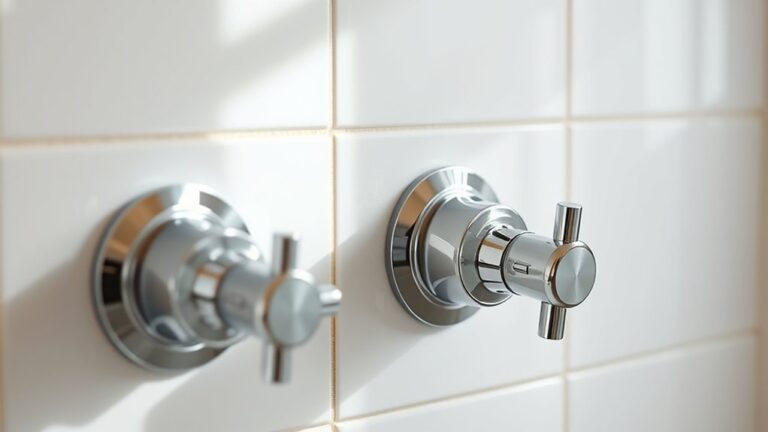
Each diverter type operates through a distinct mechanism that controls the direction of water flow within your shower system. For example, a pull-up diverter uses a valve stem you manually lift to redirect water, while a rotary diverter turns a knob to switch outlets.
Push-button diverters rely on spring-loaded valves that engage with a press. Understanding these mechanisms helps you avoid irrelevant comparison between diverters that look similar but function differently.
Additionally, don’t assume unrelated compatibility; a diverter designed for a tub spout may not work seamlessly with a shower arm setup due to differing internal designs. By focusing on how each mechanism operates rather than superficial features, you can select a diverter that fits your system’s specific plumbing requirements and ensures reliable water flow control.
Pros and Cons
How do different types of shower diverters impact your overall shower experience? Each diverter type, be it a knob, lever, or pull-up valve, offers distinct pros and cons.
Knob diverters provide precise control but often pose installation challenges due to their complex internal mechanisms. Lever diverters are user-friendly and easier to install, though they may wear out faster under heavy use.
Pull-up diverters integrate seamlessly with tub spouts, simplifying installation but sometimes lack durability. You’ll need to weigh factors like ease of operation, maintenance, and compatibility with existing plumbing.
Understanding these diverter types helps you select one that minimizes installation challenges while maximizing functionality, ensuring a smooth transition between tub and shower modes without leaks or pressure loss. Your choice directly affects shower efficiency and user satisfaction.
How to Choose the Right Shower Diverter for Your Setup
When selecting a shower diverter, you’ll need to think about factors like your existing plumbing setup, the type of shower system you have, and the diverter’s compatibility with your fixtures. First, identify whether your system requires a three-way or two-way diverter, as mixing these leads to functionality issues.
Next, check the connection size and type, threaded or slip-fit, to ensure seamless installation. Avoid getting distracted by unrelated topic discussions about diverters that don’t apply to your setup, as off topic discussion can cloud your decision.
Also, consider the diverter’s operation style, lever, knob, or push-button, based on ease of use and space constraints. By aligning these technical details with your system’s requirements, you’ll select a diverter that ensures optimal performance without installation complications.
Materials and Finishes for Shower Diverters: What to Know
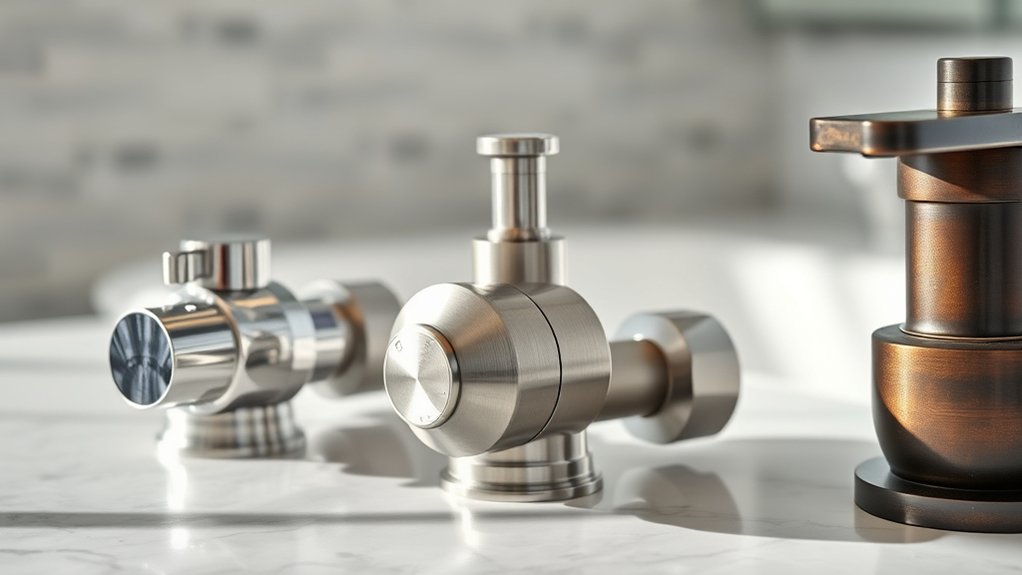
You’ll find shower diverters made from durable materials like brass, stainless steel, and plastic, each offering different levels of corrosion resistance and longevity.
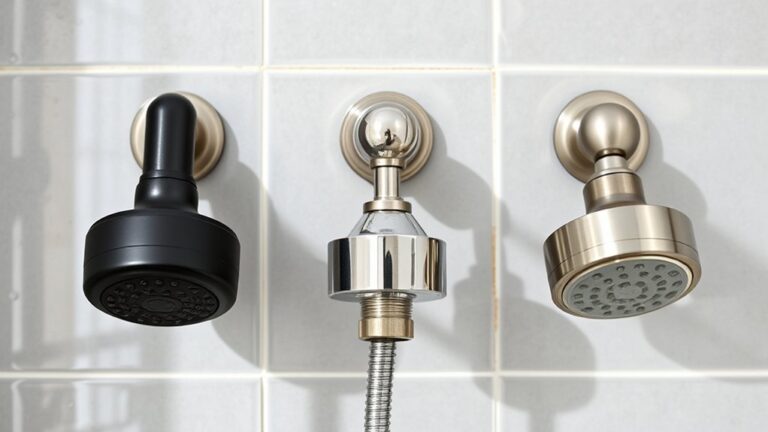
The finish options, such as chrome, brushed nickel, and oil-rubbed bronze, not only affect aesthetics but also impact maintenance and durability. Understanding these material and finish differences helps you select a diverter that suits both your bathroom style and functional needs.
Common Diverter Materials
Why does the material of a shower diverter matter? The material directly impacts durability, corrosion resistance, and ease of diverter maintenance. Common materials include brass, plastic, and stainless steel.
Brass offers excellent longevity and resists mineral buildup, reducing maintenance frequency. Stainless steel is highly durable and resists rust, ideal if you want minimal upkeep.
Plastic diverters, while cost-effective, tend to wear faster and may require more frequent replacement or maintenance. Your choice influences compatibility with alternative shower controls, as some materials better withstand repeated use and water pressure variations.
Selecting the right material ensures reliable performance, minimizes maintenance, and extends the lifespan of your shower system. Understanding these materials helps you make informed decisions tailored to your specific installation and usage needs.
Popular Finish Options
How do finish options affect your shower diverter’s performance and appearance? The right finish not only enhances visual appeal but also provides critical corrosion resistance and durability.
Popular finishes like brushed nickel and chrome offer distinct benefits: brushed nickel resists fingerprints and water spots, maintaining a clean look longer, while chrome provides a sleek, reflective surface that’s easy to clean.
When selecting a finish, consider the two word discussion idea1 of maintenance requirements and longevity. Additionally, the two word discussion idea2 of environmental resistance plays a crucial role, especially in humid bathroom settings.
Matte and oil-rubbed bronze finishes add style but may require more care. Ultimately, match your diverter’s finish to your bathroom fixtures for cohesive aesthetics and optimal performance.
How Installation Varies by Diverter Type
Where you install a shower diverter depends largely on its type and design. Understanding the installation myths is essential to avoid errors. For instance, some believe all diverters fit any shower setup, but installation varies markedly.
You’ll find diverters installed on tub spouts, shower valves, or as separate units, each requiring different tools and plumbing knowledge. Here’s a quick guide to clear two word discussion ideas on installation:
| Diverter Type | Installation Location | Key Consideration |
|---|---|---|
| Tub Spout | End of Tub Spout | Thread compatibility |
| Shower Valve | Inside Valve Body | Valve disassembly needed |
| Inline Diverter | Between Pipes | Pipe cutting required |
Knowing these differences helps ensure a precise, efficient installation tailored to your shower system.
Troubleshooting Common Shower Diverter Problems
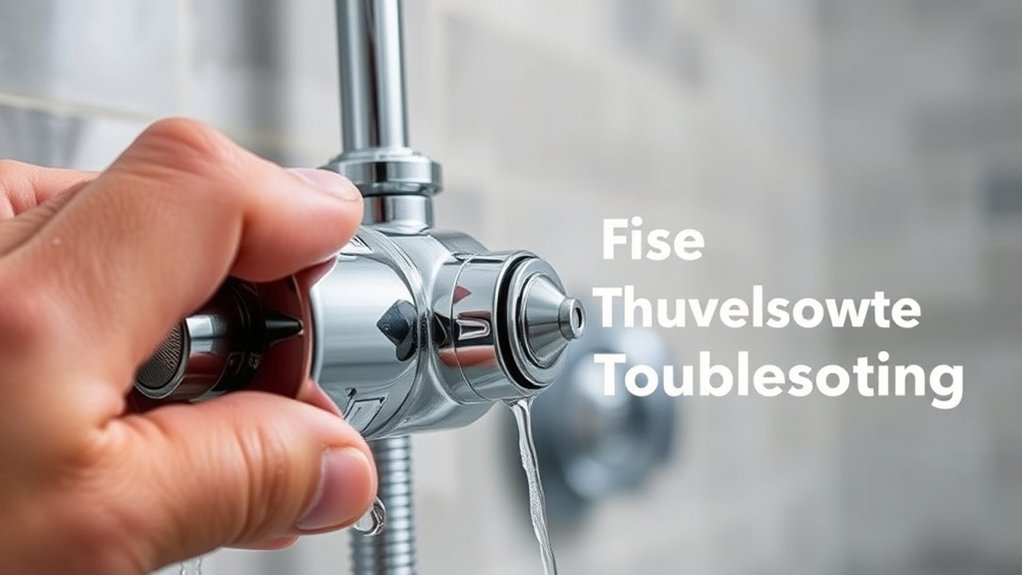
When does your shower diverter fail to direct water properly, and what causes these issues? Common problems include mineral buildup, worn seals, and mechanical wear, which hinder smooth valve operation.
To troubleshoot, first inspect for debris blocking the diverter pathway. Cleaning it can restore flow control. Next, check for damaged washers or seals; replacing these components often resolves leaks and improper water redirection.
While addressing functionality, consider how repairs might affect diverter aesthetics. Opt for parts matching your fixture’s finish to maintain appearance. Proper maintenance supports water saving strategies by ensuring water efficiently routes between tub spout and showerhead without waste.
Regularly flushing valves and lubricating moving parts can prolong diverter life and optimize performance, preventing costly repairs or inefficiencies.
Signs It’s Time to Replace or Upgrade Your Diverter
If cleaning and replacing worn parts no longer restores your diverter’s function, it may be time to contemplate a replacement or upgrade. Consider these signs carefully:
- Persistent leaks or water flow issues despite maintenance indicate internal damage.
- Difficulty in switching water flow, signaling mechanical wear or corrosion.
- Outdated design or finish that clashes with your bathroom’s aesthetics, prompting an upgrade for visual coherence.
- After comparing pricing, you find modern diverters offer better durability and features at competitive costs.
Replacing your diverter not only improves functionality but can enhance your shower experience and bathroom appearance. By evaluating these factors, you make an informed decision that balances performance, style, and budget.
Frequently Asked Questions
Can Shower Diverters Affect Water Pressure?
You might notice a subtle change in flow since diverter water pressure can vary. If your diverter lacks compatibility with showerheads, it may reduce water pressure.
Are Shower Diverters Compatible With Smart Home Systems?
You’ll find most traditional diverters lack smart home compatibility, but newer models integrate seamlessly. Just remember, smart features may influence water pressure effects, so ensure your system balances control and consistent flow for optimal performance.
How Do Shower Diverters Impact Water Conservation?
Think of a shower diverter as a traffic cop guiding water flow; by controlling water usage and integrating leak detection, it helps you minimize waste, optimize efficiency, and maintain precise management of your shower’s water distribution system.
Can Diverters Be Used With Handheld Showerheads?
Yes, you can use diverters with handheld showerheads, but you’ll need to ensure diverter compatibility with your specific model. Proper matching guarantees smooth water flow switching between fixed and handheld showerheads without pressure loss.
Do Shower Diverters Require Regular Maintenance?
You’ll want to perform diverter maintenance regularly, as 60% of pressure impact issues stem from buildup inside. Cleaning guarantees smooth flow and prevents leaks, preserving your shower’s performance and extending the diverter’s lifespan effectively.