Are Shower Curtains Recyclable
Did you know that less than 10% of shower curtains end up being recycled?
When it comes to shower curtains, recyclability can be tricky. You might assume all shower curtains are easy to recycle, but materials like vinyl complicate the process due to chemical additives and contamination risks.
Understanding which types can be recycled and how to prepare them properly is essential.
Before you toss your old curtain, consider what options might actually be available for disposal or reuse.
This approach helps reduce waste and supports environmental sustainability.
Key Takeaways
- Most curbside recycling programs do not accept shower curtains due to mixed materials and contamination risks.
- Vinyl (PVC) shower curtains require specialized facilities for recycling, which are scarce and not widely available.
- Fabric shower curtains made of polyester or cotton are easier to recycle if properly cleaned and prepared.
- Specialized recycling centers and online programs may accept shower curtains, especially vinyl types, though availability varies.
- Donating or creatively repurposing shower curtains can extend their lifecycle and reduce waste when recycling is not feasible.
Can Shower Curtains Be Recycled? What You Need to Know
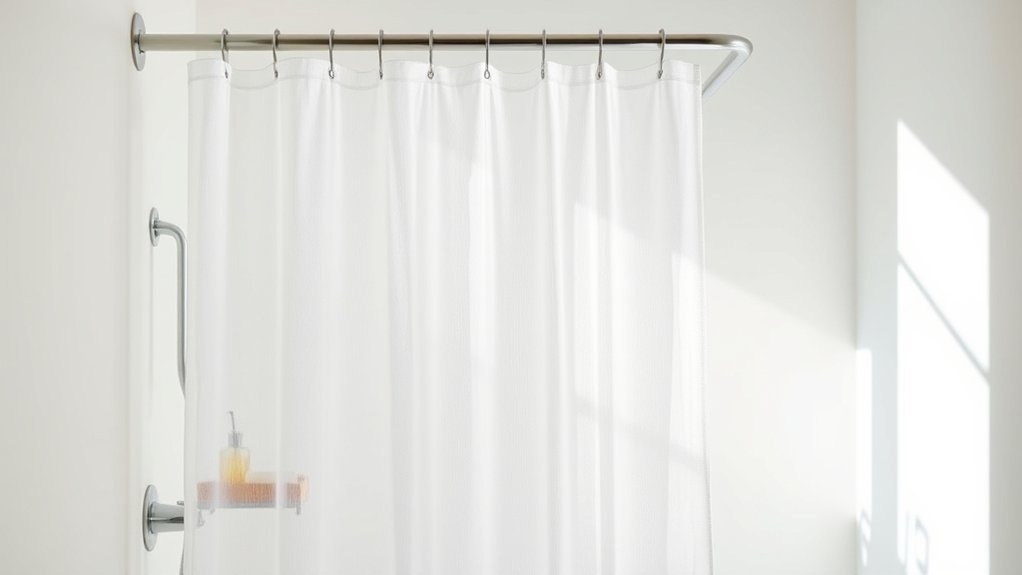
Wondering if you can simply toss your old shower curtain into the recycling bin? It’s a common question often clouded by recycling myths. Most curbside limits don’t accept shower curtains because they’re usually made from mixed materials or types of plastic not compatible with standard recycling processes.
Even if your local program accepts plastics, flexible items like shower curtains can jam sorting machines, leading to contamination. You need to check your municipality’s specific guidelines rather than assuming all plastics are recyclable curbside. Some specialized recycling centers might accept them, but these options aren’t widespread.
Understanding these restrictions helps you avoid improper disposal that undermines recycling efforts and contributes to landfill waste. So, don’t rely on curbside bins for shower curtains without verifying local rules.
Common Materials in Shower Curtains and Their Recycling Potential
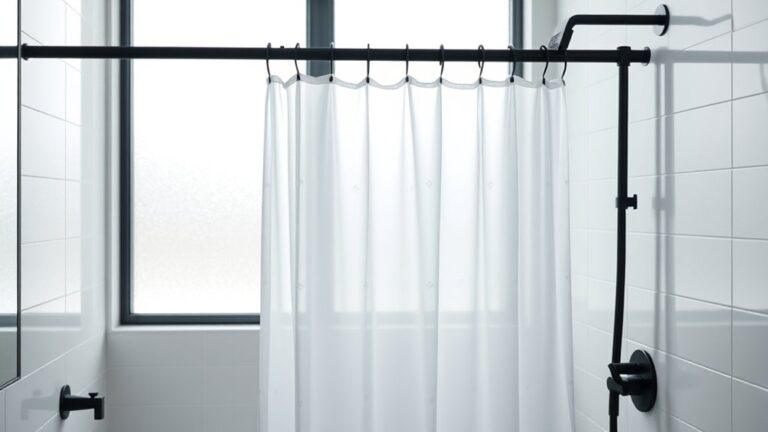
You’ll find most shower curtains made from vinyl or fabric, each with different recycling options. Vinyl curtains often pose challenges due to their chemical makeup, while fabric ones may be easier to recycle or repurpose.
Understanding these materials helps you make informed choices about disposal and sustainability.
Vinyl Shower Curtain Composition
What materials make up a typical vinyl shower curtain, and how does their composition affect recyclability? Most vinyl shower curtains consist primarily of polyvinyl chloride (PVC), a synthetic plastic polymer known for durability and water resistance.
This vinyl composition often includes additives like plasticizers, stabilizers, and pigments to enhance flexibility and color. These additives, however, complicate recycling efforts, creating significant recycling hurdles.
PVC requires specialized processing to separate and neutralize harmful chemicals, limiting the number of facilities equipped to handle it. Additionally, the mixed materials and potential contamination from use further reduce recyclability.
Consequently, while vinyl shower curtains are common, their chemical complexity and the presence of non-recyclable components mean you’ll often find them excluded from standard curbside recycling programs. Understanding this can help you make more informed disposal decisions.
Fabric Shower Curtain Options
While vinyl shower curtains pose challenges for recycling due to their chemical makeup, fabric alternatives offer different options and considerations. Common fabric shower curtains are made from polyester, cotton, or a blend. These materials are generally more biodegradable and easier to recycle, depending on local facilities.
You’ll find that fabric care plays an essential role in extending the lifespan of these curtains. Regular washing with mild detergents helps maintain fabric integrity and aids in scent removal, which is vital to prevent mold and mildew buildup. However, the presence of waterproof coatings or blends with synthetic fibers can complicate recycling.
When selecting a fabric shower curtain, consider the specific material’s recyclability and your ability to maintain it through proper fabric care and effective scent removal techniques.
Recycling Challenges And Solutions
How do common shower curtain materials impact their recyclability? Most shower curtains are made from vinyl (PVC), polyethylene, or fabric blends. Vinyl curtains pose recycling challenges due to harmful additives and difficulty in processing.
Polyethylene ones are more recyclable but often require specialized facilities. Fabric curtains, especially natural fibers, offer better recycling potential but need thorough cleaning methods to remove residues and odors.
Effective odor removal is crucial before recycling, as lingering smells indicate bacterial contamination that complicates processing. You can extend recycling viability by pre-treating curtains with appropriate cleaning methods, including washing with mild detergents and disinfectants.
Understanding these material-specific barriers helps you choose proper disposal routes and supports recycling infrastructure improvements, ultimately reducing landfill waste and promoting sustainable shower curtain management.
Why Vinyl Shower Curtains Are Tough to Recycle
Why do vinyl shower curtains pose such a recycling challenge? Vinyl, or PVC, contains various additives like plasticizers and stabilizers that complicate recycling processes. When you try to recycle vinyl curtains, these additives interfere with standard recycling techniques, making it difficult to break down the material efficiently.
Additionally, vinyl often isn’t accepted by curbside recycling programs, limiting your options for proper disposal. This situation hinders conserving materials and minimizing waste, as the curtains frequently end up in landfills.
To improve material recovery, specialized recycling facilities are required, but they’re scarce and not widely accessible. Consequently, understanding these challenges helps you make informed decisions about managing vinyl shower curtains and highlights the importance of seeking alternatives or recycling programs designed to handle such complex materials.
Preparing Fabric Shower Curtains for Recycling
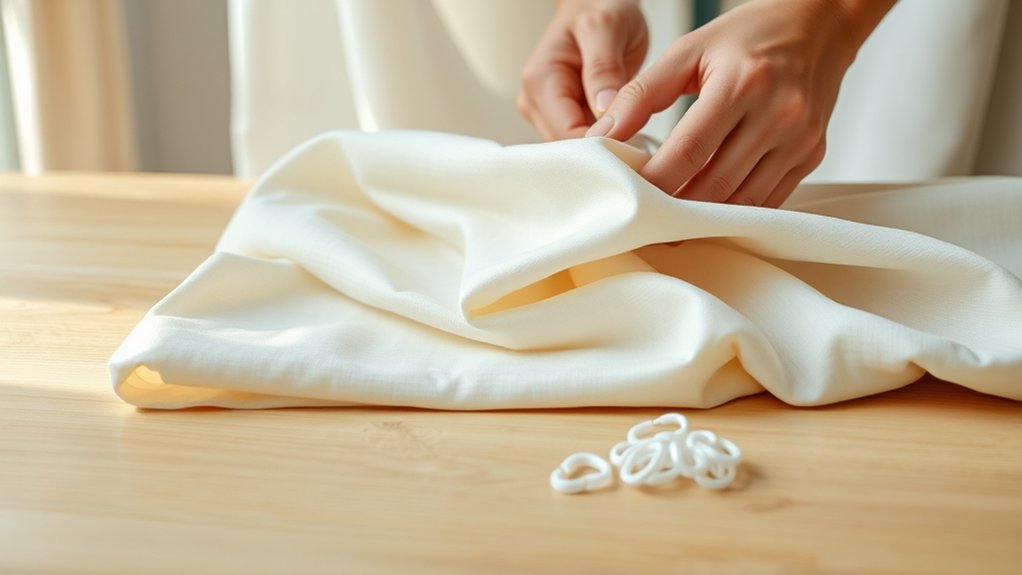
What steps should you take before recycling fabric shower curtains? Proper preparation ensures smooth recycling logistics and verifies material compatibility. First, confirm the curtain is made of recyclable fabric like polyester or cotton.
Proper preparation, including confirming fabric type, ensures smooth recycling and material compatibility for fabric shower curtains.
Then, clean it thoroughly to remove soap scum, mold, or mildew, as contaminants can disrupt processing. Remove non-fabric components such as hooks, rings, or metal grommets to avoid sorting issues.
Next, cut the curtain into manageable pieces to facilitate handling and transport. Finally, check with your local recycling program to ensure they accept fabric shower curtains and understand any specific drop-off or collection requirements.
Following these steps optimizes recycling efficiency and helps prevent contamination in material recovery facilities.
- Confirm fabric type for compatibility
- Clean thoroughly to remove residues
- Remove non-fabric attachments
- Cut into smaller sections
- Verify local recycling acceptance
Where to Donate or Repurpose Old Shower Curtains
You can donate old shower curtains to local centers that accept household textiles for reuse. If donation isn’t an option, consider creative ways to repurpose them, such as making waterproof covers or drop cloths.
Additionally, some online programs specialize in recycling materials that typical facilities won’t handle.
Local Donation Centers
Local donation centers offer practical options for giving your old shower curtains a second life. When considering local donation, focus on centers that accept household donations, ensuring your item can be reused or repurposed effectively.
Not all centers accept shower curtains, so it’s important to verify their policies before donating.
Here are common places to consider:
- Thrift stores accepting household donations
- Community shelters needing waterproof materials
- Animal shelters for bedding or protective coverings
- Art centers or schools for craft supplies
- Local recycling hubs with textile repurposing programs
Creative Repurposing Ideas
Transforming old shower curtains through creative repurposing offers practical and sustainable alternatives to disposal. You can use creative upcycling methods to turn worn curtains into useful items like reusable tote bags, waterproof picnic mats, or protective covers for outdoor furniture.
These budget friendly hacks reduce waste and extend the material’s lifecycle. Additionally, you might donate gently used shower curtains to local animal shelters, where they serve as bedding or protective liners.
Schools and community art programs often welcome materials for crafting projects, offering another avenue for repurposing. By exploring these options, you not only divert waste from landfills but also contribute to resourceful reuse in your community.
Embracing creative repurposing is a smart, eco-conscious choice that maximizes the value of old shower curtains.
Online Recycling Programs
Where can old shower curtains find a new lease on life beyond the trash bin? Online recycling programs offer structured donation options and repurposing pathways for these items. Many platforms specialize in redirecting used shower curtains to organizations or individuals who can reuse or recycle them responsibly.
By engaging with these programs, you reduce landfill waste and support sustainable material cycles.
Consider these online recycling programs and donation options:
- TerraCycle’s Zero Waste Boxes for hard-to-recycle plastics
- Local community groups on platforms like Facebook Marketplace
- Nonprofits accepting waterproof materials for reuse projects
- Websites dedicated to eco-friendly textile recycling
- Online marketplaces for upcycled home goods
Exploring these options ensures your old shower curtains contribute to circular recycling efforts effectively.
Eco-Friendly Shower Curtain Choices
How can you choose a shower curtain that minimizes environmental impact? Focus on eco friendly fabrics like organic cotton, hemp, or recycled polyester, which reduce reliance on virgin plastics.
Consider the recycling logistics of the material; some fabrics are easier to recycle or repurpose than others.
| Material | Environmental Impact | Recycling Logistics |
|---|---|---|
| Organic Cotton | Biodegradable, low impact | Compostable, limited facilities |
| Hemp | Durable, low water use | Recyclable in textile streams |
| Recycled Polyester | Reduces plastic waste | Accepted in specialized programs |
| Vinyl (PVC) | High toxic output | Difficult to recycle |
| PEVA | Non-toxic alternative | Limited recycling options |
Selecting materials with better recycling logistics and eco friendly fabrics helps you reduce your shower curtain’s overall environmental footprint.
Responsible Ways to Dispose of Old Shower Curtains
Why should you carefully consider how to dispose of your old shower curtain? Many recycling myths suggest you can toss them in curbside bins, but these items often cause contamination risks due to mixed materials like PVC.
To dispose of your curtain responsibly, follow these steps:
Check if local recycling centers accept vinyl or plastic curtains.
Avoid placing them with regular recyclables to prevent contamination.
Donate gently used curtains to thrift stores or shelters.
Repurpose old curtains as drop cloths or garden protectors.
Contact specialized recycling programs for vinyl materials.
Frequently Asked Questions
How Long Do Shower Curtains Typically Last?
You can expect your shower curtain longevity to range from six months to three years. Mold risk factors like humidity and poor ventilation shorten its lifespan, so you should replace it promptly to maintain cleanliness and prevent health issues.
Can Shower Curtains Cause Mold or Mildew Buildup?
Yes, shower curtains can cause mold growth and increase mildew risk if they stay damp. You should regularly clean and dry them thoroughly to prevent these issues and maintain a healthy bathroom environment.
Are Biodegradable Shower Curtains Effective?
You can’t judge a book by its cover. Biodegradable alternatives made from compostable materials work well if maintained properly. They break down naturally, reducing waste, but you’ll need to replace them more often than traditional curtains.
How Do Shower Curtains Impact Indoor Air Quality?
You should know that shower curtains’ materials can emit volatile organic compounds indoors air, affecting quality. Choosing non-toxic, low-VOC curtains reduces harmful emissions, improving your bathroom’s air quality and minimizing respiratory irritation or allergic reactions.
What Are Alternatives to Traditional Shower Curtains?
Like swapping plastic bags for cloth, you can choose shower curtain alternatives like biodegradable, scent-free fabrics or PEVA materials. They improve air quality, prevent mold, address microbial concerns, and offer durability while easing recycling options for eco-friendly showering.