Why Is My Bathtub Draining When Closed
Imagine filling your bathtub only to watch the water slowly drain away even though the stopper is closed. Why is my bathtub draining when closed? This common issue can be quite frustrating and usually indicates a problem with the stopper mechanism.
Worn seals, misaligned components, or hidden debris often interfere with a proper seal, causing water to leak out. Understanding the mechanical parts involved and recognizing common problem areas can help you identify why your tub won’t hold water.
By pinpointing the cause early, you can take steps to fix leaks before they worsen, saving both water and potential repair costs.
Key Takeaways
- Loose or misaligned linkage between the lift rod and stopper prevents a full seal, causing the tub to drain when closed.
- Debris buildup on the stopper or drain area hinders proper sealing, allowing water to escape.
- Worn seals, gaskets, or corrosion in stopper components reduce their ability to hold water effectively.
- Disconnected or damaged overflow assemblies can cause water to drain despite the stopper being closed.
- Loose or degraded drain gaskets and flange connections create leaks that appear as drainage when closed.
Why Is My Bathtub Draining When the Stopper Is Closed?
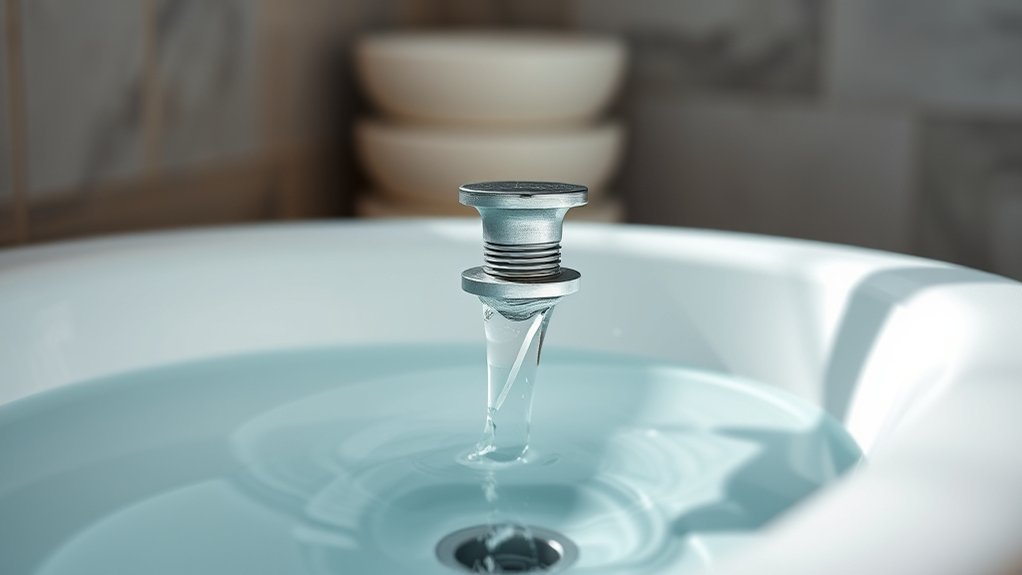
If your bathtub is draining even when the stopper is closed, it usually means the stopper isn’t sealing properly. This can happen if the stopper mechanism has a loose linkage, preventing it from fully engaging the drain. Check the linkage connecting the lift rod to the stopper; tighten or realign it to restore proper function.
Another common issue is a disconnected overflow. The overflow pipe channels excess water away and, if disconnected or damaged, can allow water to escape, causing drainage despite the stopper being closed. Inspect the overflow assembly for any disconnections or cracks.
Addressing these mechanical issues ensures the stopper seals correctly, preventing unwanted drainage and maintaining your bathtub’s water retention.
Common Causes of Water Leaks in Bathtub Drains
Where do water leaks in bathtub drains typically originate? Most leaks stem from worn-out or improperly sealed drain gaskets and loose drain flange connections. Corroded or cracked pipes beneath the tub also cause leaks, allowing water to escape unnoticed.
You should dismiss common drainage myths that blame leaks solely on the stopper’s efficiency; while a faulty stopper can affect water retention, leaks usually involve plumbing hardware. Additionally, degraded plumber’s putty or silicone seals around the drain opening can create pathways for water to seep through.
To prevent leaks, regularly inspect these components and ensure all connections are tight and seals intact. Understanding these causes helps you target the real problem rather than relying on misconceptions about stopper efficiency or drainage myths.
Checking for Drain Stopper Problems
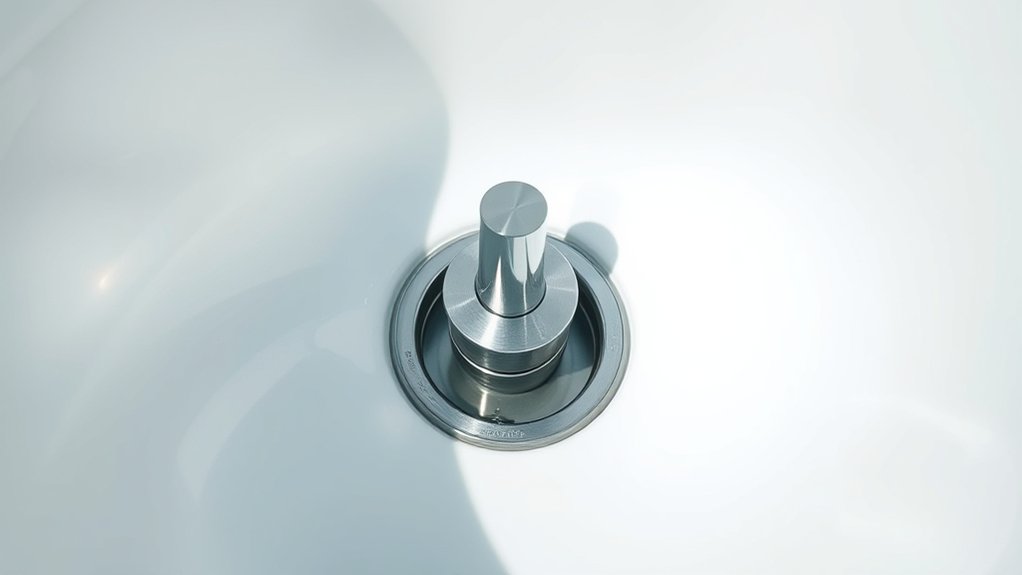
You should first identify the type of drain stopper in your bathtub, as different models have unique mechanisms. Common issues include misalignment, worn seals, or debris buildup that prevents a proper seal.
Adjusting or repairing the stopper often restores a tight closure and stops unwanted drainage.
Types Of Drain Stoppers
How do different types of drain stoppers impact your bathtub’s ability to hold water? Common drain stopper types include lift-and-turn, push-and-pull, toe-touch, and trip lever models. Each design uses unique mechanisms to seal the drain, affecting water retention.
For example, lift-and-turn stoppers require precise alignment to create a watertight seal, while toe-touch stoppers rely on spring-loaded action. Understanding these differences helps you identify potential issues.
Proper maintenance tips include regularly cleaning debris from the stopper and inspecting seals or gaskets for wear. Lubricate moving parts to guarantee smooth operation and prevent leaks.
Common Stopper Malfunctions
Understanding the type and maintenance of your drain stopper sets the stage for identifying common malfunctions that cause drainage issues. Whether your stopper is metal or plastic affects its durability and cleaning vs. replacement needs.
Here are the four frequent problems to check:
1. Debris buildup
Hair and soap scum often clog the stopper, requiring thorough cleaning rather than replacement.
2. Worn seals
Rubber gaskets degrade over time, especially in plastic stoppers, causing leaks and necessitating replacement.
3. Corrosion
Metal stoppers corrode, impairing their ability to seal properly; replacement is usually the best solution.
4. Misalignment
Improper seating due to linkage issues can cause slow drainage even if the stopper looks closed.
How To Adjust Stopper
Why isn’t your bathtub stopper sealing tightly even when it looks closed? The issue often lies in improper stopper adjustments or worn adjuster maintenance.
First, check the linkage connecting the stopper to the lever or lift rod. If it’s loose or misaligned, the stopper won’t fully engage. Tighten or reposition the adjuster to ensure the stopper seats correctly.
Next, inspect the stopper itself for debris or corrosion that may prevent a proper seal. Clean or replace as needed.
Some stoppers have adjustable height screws. Turn these to improve the seal.
Regular adjuster maintenance, including lubricating moving parts and verifying alignment, prevents drainage issues.
Identifying Bathtub Drain Pipe Clogs
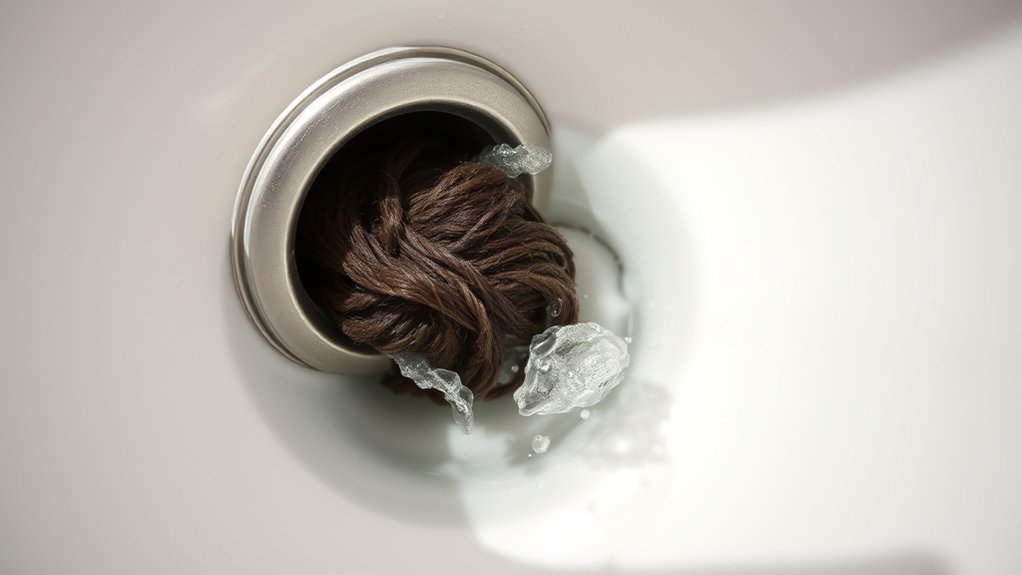
Where exactly does water go when your bathtub drains slowly or not at all? It often gets trapped by clogs inside the drain pipes, causing poor bathtub drainage.
To identify these blockages, focus on these two word discussion ideas:
- Hair buildup: Hair strands combine with soap scum, creating dense clumps obstructing flow.
- Soap residue: Solidified soap can coat pipe interiors, narrowing the drainage path.
- Foreign objects: Small items accidentally dropped can lodge in pipes, restricting water movement.
- Mineral deposits: Hard water minerals accumulate, reducing pipe diameter and impeding drainage.
You can detect clogs by observing slow water exit, gurgling sounds, or water backing up. Diagnosing these common issues helps you plan effective cleaning or maintenance to restore proper bathtub drainage.
When to Repair or Replace Your Bathtub Drain Stopper
How do you know when it’s time to repair or replace your bathtub drain stopper? Start by examining its sealing effectiveness. If water consistently drains despite the stopper being closed, worn-out seals or broken components are likely culprits.
Check the seal—if water drains when closed, it’s time to repair or replace your drain stopper.
Frequent use of unclogging techniques without improvement signals deeper mechanical failure. Inspect for corrosion, cracks, or misalignment that maintenance routines can’t fix. If cleaning and minor adjustments don’t restore proper function, replacement becomes necessary.
Repair may suit minor issues like debris buildup or loose fittings, but persistent leaks or damaged parts require new hardware. Prioritize timely intervention to prevent water damage or costly plumbing repairs.
Regular maintenance routines can extend the stopper’s lifespan, but don’t hesitate to upgrade when performance declines beyond simple fixes.
Tips to Prevent Your Bathtub From Draining Unexpectedly
Preventing your bathtub from draining unexpectedly requires a proactive approach to maintenance and inspection. You should regularly check the drain stopper for proper sealing to avoid inadvertent water leaks.
Here are four practical tips to keep your bathtub functioning correctly:
- Inspect the drain stopper mechanism monthly for signs of wear or misalignment.
- Clean debris around the drain stopper to ensure it closes fully and forms a watertight seal.
- Tighten or replace any loose or damaged components in the drain assembly promptly.
- Monitor for slow drainage or seepage, addressing water leaks immediately to prevent damage.
Frequently Asked Questions
Can Water Damage Occur From a Leaking Bathtub Drain?
Yes, water damage can occur from a leaking bathtub drain. You’ll want to address plumbing leaks promptly to prevent structural issues, mold growth, and costly repairs.
Regular inspections help you catch leaks early and protect your home.
How Do Plumbers Diagnose Bathtub Drain Issues?
Plumbers use diagnostic imaging to inspect hidden pipes and employ leak tracing techniques to pinpoint leaks or blockages.
You’ll benefit from their expertise in accurately identifying issues without unnecessary damage or guesswork.
Are Certain Bathtub Materials More Prone to Drainage Problems?
Yes, certain bathtub materials like acrylic can warp, causing drainage problems. You’ll want to check the overflow valve and seal integrity since drainage when closed often results from material issues affecting these components.
Can a Faulty Overflow Valve Cause Drainage When Closed?
Yes, a faulty overflow valve can cause the drainage mystery by allowing water to leak through when closed. You should inspect and replace the valve to stop unwanted drainage and guarantee your bathtub seals properly.
What Tools Are Needed to Fix a Leaking Bathtub Drain?
To tackle a leak inspection, you’ll need a wrench, plumber’s putty, drain snake, and screwdriver. Tool selection matters. These essentials help you efficiently remove, repair, and reseal the bathtub drain for a lasting fix.
Conclusion
So, your bathtub drains even when the stopper’s closed—how convenient, right? While it might feel like you’re getting a free drain-cleaning service, it’s really just worn seals, misaligned parts, or debris causing leaks.
Instead of enjoying your unintended spa session, take some time to inspect and maintain your stopper and seals. Fixing these small issues now will save you from bigger headaches later.
Because who really wants a bathtub that refuses to hold water? Understanding why your bathtub is draining when closed can help you address the problem quickly and keep your tub functioning properly.