How to Clean Bathtub Spout Diverter
If your bathtub spout diverter isn’t switching smoothly between tub and shower, it’s likely time for a thorough cleaning of the bathtub spout diverter. Mineral buildup and debris can cause it to stick or leak, affecting water flow and function.
You’ll need a few basic tools and some patience to safely remove and clean the spout. Understanding the process ensures you avoid damage and restore proper operation.
Let’s start with identifying the signs that your diverter needs attention.
Key Takeaways
- Turn off water and remove the bathtub spout carefully, noting if it’s slip-on or threaded.
- Soak the diverter and spout in white vinegar or a mild descaling solution to dissolve mineral buildup.
- Use a nylon brush or toothbrush to scrub away soap scum and mineral deposits from the diverter mechanism.
- Inspect O-rings and internal parts for wear or corrosion, replacing any damaged components before reassembly.
- Reassemble the spout securely, test the diverter function for smooth water flow and no leaks, and clean monthly.
Signs Your Bathtub Spout Diverter Needs Cleaning
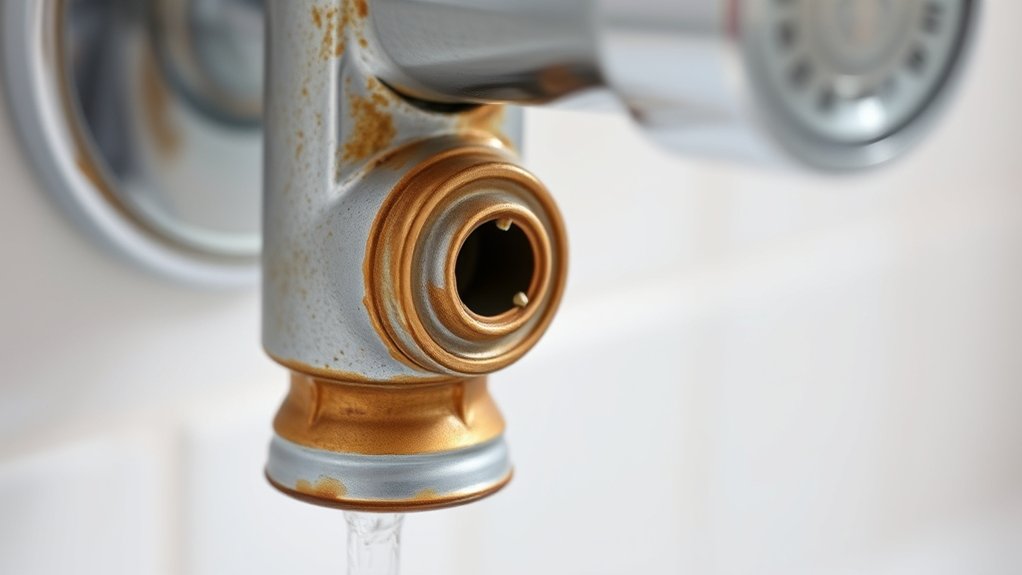
How can you tell when your bathtub spout diverter needs cleaning? First, notice if water fails to switch properly between the tub faucet and showerhead. Reduced water flow or irregular spray patterns also signal buildup.
Watch for water that won’t switch well between faucet and showerhead or shows reduced flow—signs your diverter needs cleaning.
Another common mishap is a diverter that sticks or requires excessive force to engage. These issues often indicate mineral deposits or debris obstructing the diverter mechanism.
For practical tips for cleaners, regularly inspect the spout for visible grime or corrosion. Test the diverter’s operation monthly to catch problems early.
Avoid ignoring these signs, as delayed cleaning can worsen function and damage components. Staying attentive and addressing issues promptly keeps your bathtub spout diverter working smoothly and extends its lifespan.
Why Bathtub Spout Diverters Get Clogged or Dirty
You’ll find that mineral buildup from hard water and soap scum accumulation are the main reasons your bathtub spout diverter gets clogged or dirty. These deposits restrict water flow and reduce the diverter’s effectiveness.
Understanding these causes helps you target the right cleaning methods for optimal performance.
Mineral Buildup Effects
Why does your bathtub spout diverter often get clogged or dirty? The primary culprit is mineral buildup from hard water. Over time, minerals like calcium and magnesium accumulate inside the diverter, restricting water flow and impairing function. Regular diverter maintenance helps prevent these issues.
You’ll notice mineral buildup effects such as:
- Reduced water pressure from partial blockages
- Difficulty switching water flow between tub and shower
- Stiff or stuck diverter handles
- Corrosion or discoloration on metal components
- Increased wear leading to premature diverter failure
Addressing mineral buildup promptly through cleaning extends your diverter’s lifespan, improves water flow, and reduces repair costs. Incorporate periodic inspections and use descaling agents as part of your diverter maintenance routine to keep it operating smoothly.
Soap Scum Accumulation
When does soap scum start to interfere with your bathtub spout diverter’s function? Soap scum forms as a residue from soap and hard water minerals, accumulating inside and around the diverter mechanism. This buildup restricts water flow and impedes the diverter’s movement, causing clogging or incomplete switching between tub and shower modes.
To prevent scum accumulation, establish a consistent cleaning schedule, ideally weekly or biweekly, using mild descaling agents or vinegar solutions. Maintenance tips include regularly wiping the spout exterior and running water through the diverter to flush debris. Avoid harsh chemicals that could damage seals.
Following these practical steps helps maintain optimal diverter performance, reduces the risk of blockages, and prolongs the lifespan of your bathtub fixtures. Consistent upkeep is key to preventing soap scum-related issues effectively.
Tools and Supplies Needed to Clean Your Diverter
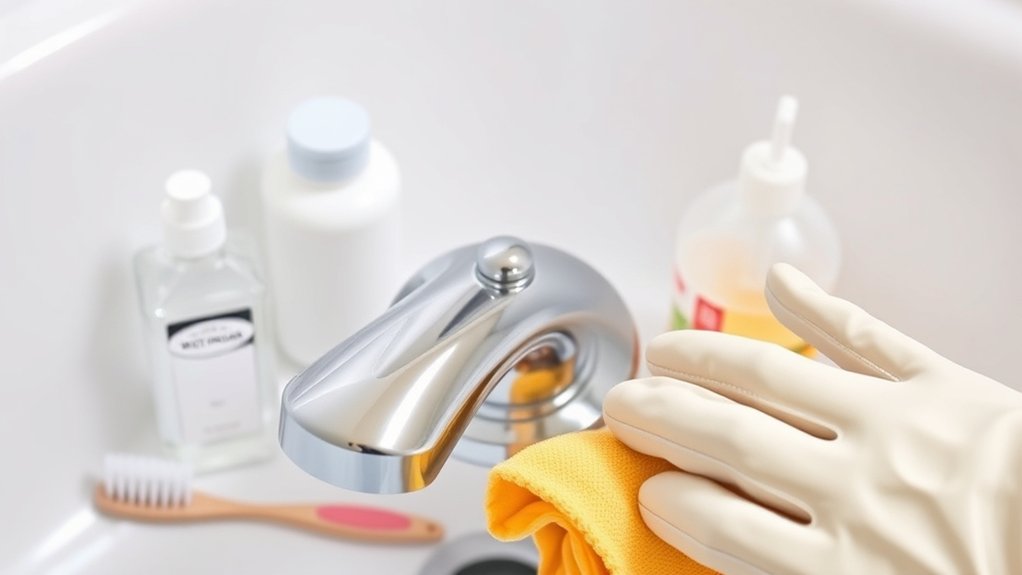
You’ll need a few essential tools like a screwdriver, an adjustable wrench, and a soft brush to access and clean the diverter properly. For cleaning supplies, gather white vinegar, baking soda, and a microfiber cloth to remove mineral buildup effectively.
Having these ready assures you can tackle the job efficiently without interruptions.
Essential Cleaning Tools
What tools do you need to effectively clean a bathtub spout diverter? Having the right essential cleaning tools ensures a smooth process and prevents damage. Focus on two word discussion idea1 like “scrubbing brush” and two word discussion idea2 such as “grip pliers” to tackle grime and loosen stuck parts.
Here’s a practical checklist:
- Adjustable wrench: for loosening and tightening fittings
- Nylon brush: to scrub without scratching surfaces
- Toothbrush: reaches tight crevices
- Grip pliers: provides firm hold on slippery components
- Cleaning cloths: for wiping and drying after cleaning
These tools help you maintain control and precision while cleaning, making your bathtub spout diverter function properly again without risking damage.
Recommended Cleaning Supplies
Having the right tools like grip pliers and scrubbing brushes prepares you to handle the physical aspects of cleaning your bathtub spout diverter. Alongside these, essential cleaning supplies include white vinegar or a commercial lime remover to dissolve mineral buildup effectively.
Use a soft cloth or old toothbrush for detailed scrubbing without damaging surfaces. Rubber gloves protect your hands from harsh chemicals, while a small container helps soak removable parts. For maintenance tips, keep a bottle brush handy to reach inside narrow passages and use a toothpick or needle to clear clog-prone areas.
With these supplies, you’ll guarantee thorough cleaning and prolong the diverter’s functionality. Selecting proper cleaning supplies tailored to your diverter’s material prevents corrosion and wear, optimizing your maintenance routine.
Removing Your Bathtub Spout Safely for Cleaning
How do you safely remove your bathtub spout without damaging plumbing or fixtures? Follow a precise cleaning sequence and observe safety precautions to protect your plumbing and avoid injury. Start by shutting off the water supply to prevent leaks.
Then, gather necessary tools like an adjustable wrench and cloth. Loosen the spout’s set screw or unscrew it counterclockwise, depending on the model. Handle components gently to avoid stripping threads or cracking pipes.
- Turn off water supply before starting.
- Identify spout type (slip-on or threaded).
- Use proper tools to avoid damage.
- Protect fixtures with a cloth during removal.
- Work slowly to prevent stripping screws or fittings.
This method ensures a safe, efficient removal, preparing you for thorough cleaning.
Cleaning Mineral Deposits and Grime From Your Diverter
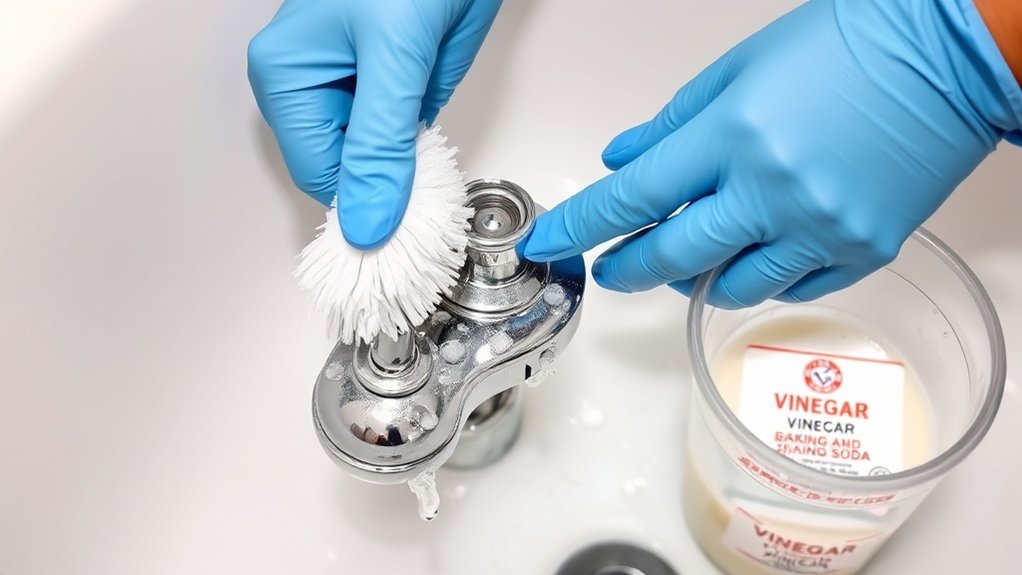
Why do mineral deposits and grime build up inside your bathtub spout diverter? Hard water contains minerals like calcium and magnesium that accumulate over time, restricting water flow and impairing diverter function.
Grime from soap scum and residual dirt worsens the buildup, increasing allergen exposure risk. To clean, soak the diverter in a vinegar solution or use a commercial descaling agent approved under your diverter warranties.
Avoid harsh chemicals that may void warranties or damage components. After soaking, scrub gently with a soft brush to remove deposits without scratching. Rinse thoroughly and dry before reinstallation.
Regular cleaning minimizes allergen buildup and maintains water quality. Maintaining a clean diverter ensures reliable operation and extends its lifespan while protecting your health.
Clearing Clogs in Your Bathtub Spout Diverter
When water flow slows or stops, your bathtub spout diverter is likely clogged with debris or mineral buildup. Clearing these clogs efficiently prevents you from resorting to uninspired alternatives or unrelated maintenance tasks that don’t address the root issue.
Start by removing the diverter to gain access. Use these steps:
- Inspect the diverter for visible blockages.
- Soak the parts in vinegar to dissolve mineral deposits.
- Employ a small brush or pipe cleaner to dislodge stubborn debris.
- Flush the diverter with water to remove loosened particles.
- Test the mechanism for smooth operation before reinstallation.
This targeted approach restores proper function without wasting time on unrelated maintenance or ineffective fixes.
Reassembling and Reinstalling Your Bathtub Spout
Where do you begin once your bathtub spout diverter is clean and clear? Start by following these reassembly tips and reinstallation steps carefully to ensure a secure fit and proper function.
| Step | Action | Tip |
|---|---|---|
| 1. Align spout | Position spout over pipe | Ensure O-ring is intact |
| 2. Slide into place | Push spout firmly onto pipe | Avoid forcing to prevent damage |
| 3. Secure spout | Tighten set screw or twist spout | Use appropriate tool |
| 4. Check fit | Confirm spout is snug and stable | Adjust if loose or uneven |
Following this methodical approach prevents leaks and prolongs the diverter’s lifespan during reinstallation.
Testing Your Diverter to Ensure Proper Function
How can you confirm your bathtub spout diverter is working correctly after reassembly? Proper diverter troubleshooting helps you avoid common cleaning myths, like assuming water flow issues mean you need a full replacement. Instead, follow these practical steps to test functionality:
Turn on the faucet and observe water flow through the spout without engaging the diverter. Pull or push the diverter lever to redirect water to the showerhead.
Check for a smooth transition with no leaks or drips from the spout. Monitor water pressure consistency in both spout and shower modes.
Repeat the process several times to ensure reliability and detect intermittent issues.
If the diverter doesn’t switch water flow properly, revisit cleaning or consider minor repairs before concluding it’s defective.
Maintaining Your Bathtub Spout Diverter to Prevent Build-Up
Regular maintenance of your bathtub spout diverter markedly reduces mineral deposits and soap scum buildup that impair its function. To prevent accumulation, clean the diverter monthly using a vinegar solution or a commercial descaler.
Monthly cleaning with vinegar or descaler prevents mineral and soap scum buildup, ensuring your bathtub diverter functions smoothly.
Remove the spout if possible, and soak it to dissolve hard water deposits effectively. Inspect the internal mechanism for wear or damage, replacing parts as needed to maintain smooth operation.
Keeping the diverter free of buildup not only enhances bathroom aesthetics by preventing unsightly stains but also supports water conservation by ensuring efficient water flow. Addressing minor issues early avoids costly repairs and maintains optimal performance.
Consistent care preserves your fixture’s longevity and functionality, contributing to a cleaner, more efficient bathroom environment.
Frequently Asked Questions
Can a Bathtub Spout Diverter Be Replaced Without Professional Help?
Yes, you can replace a bathtub spout diverter yourself using DIY installation techniques. Just make certain you get the correct replacement parts, follow instructions carefully, and use proper tools to guarantee a secure, leak-free fit.
What Types of Bathtub Spout Diverters Are Best for Hard Water Areas?
You’ll want a brass or stainless steel bathtub spout diverter for hard water areas, as they resist mineral buildup better than plastic. Choose models with smooth finishes to minimize deposits and ensure easier cleaning in tough conditions.
How Long Does It Typically Take to Clean a Bathtub Spout Diverter?
If you spend about 20 minutes on cleaning timing, like Jane who tackled stubborn buildup, you’ll restore function efficiently. Sometimes, replacement options are quicker and more cost-effective than deep cleaning, especially with persistent hard water damage.
Are There Eco-Friendly Cleaning Products Safe for Bathtub Spout Diverters?
You can use eco friendly, non toxic cleaners like vinegar or baking soda solutions to safely clean your bathtub spout diverter. These products effectively remove buildup without damaging plumbing or harming your health.
Can a Faulty Diverter Cause Water Damage in the Bathroom?
Yes, a faulty diverter can cause water damage by leaking like a broken faucet. It may also contribute to a slow drain if water flow is obstructed, increasing moisture and potential mold growth in your bathroom.
Conclusion
Think of your bathtub spout diverter as the gateway for water’s smooth journey. Keeping it clean ensures that flow remains uninterrupted, like a well-tuned instrument producing flawless notes. By regularly removing mineral buildup and grime, you prevent clogs that disrupt function and wear down components.
With simple tools and routine care, you maintain its precision, safeguarding both performance and longevity. This way, every bath feels effortless and refreshing—just as it should be.
Regular cleaning of your bathtub spout diverter is essential to keep it working efficiently and extend its lifespan.