Can a Weak Pelvic Floor Cause Hemorrhoids
If you’re dealing with hemorrhoids, you might not immediately consider whether a weak pelvic floor can cause hemorrhoids as a factor. However, a weak pelvic floor can undermine the support your rectum and anal canal need, increasing pressure during bowel movements and disrupting normal function.
This added pressure can contribute to hemorrhoid formation in ways you may not expect. Understanding this connection is key to addressing symptoms effectively and preventing further issues.
Key Takeaways
- A weak pelvic floor reduces rectal and anal canal support, disrupting normal venous return and causing blood pooling in hemorrhoidal vessels.
- Pelvic floor weakness increases straining and intra-abdominal pressure during bowel movements, exacerbating hemorrhoidal vessel engorgement.
- Slack puborectalis muscle from pelvic floor dysfunction impairs anorectal angle maintenance, worsening hemorrhoid symptoms and continence.
- Weak pelvic floor causes ineffective contraction, leading to compensatory straining that elevates rectal pressure and hemorrhoid development.
- Strengthening pelvic floor muscles can improve venous return, reduce straining, and help prevent or manage hemorrhoids.
What the Pelvic Floor Is and Why It Matters for Hemorrhoids
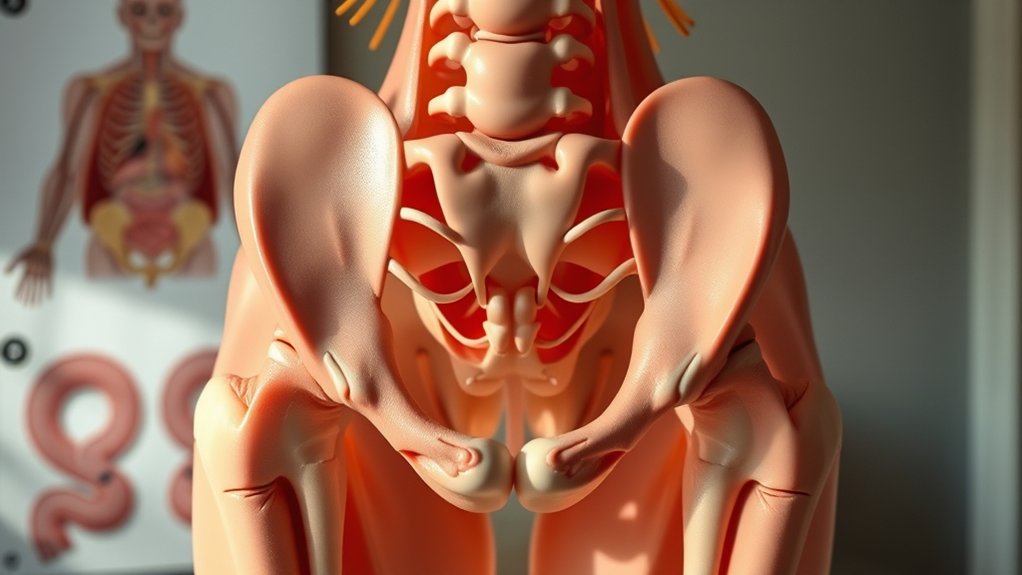
Anyone dealing with hemorrhoids should understand the role of the pelvic floor. The pelvic floor is a complex structure composed of muscles, ligaments, and connective tissue that supports pelvic organs. In terms of pelvic anatomy, it forms the base of the pelvis, providing essential support to the rectum and anal canal.
The pelvic floor fascia, a strong connective tissue layer, integrates with these muscles to maintain structural integrity and facilitate continence. Proper function of this fascia and musculature helps regulate intra-abdominal pressure and supports venous return in the anorectal region.
When the pelvic floor is compromised, the support to the hemorrhoidal vessels diminishes, potentially exacerbating symptoms. Understanding this anatomical foundation is crucial for addressing hemorrhoid-related issues effectively.
How Pelvic Floor Weakness Increases Pressure During Bowel Movements
A weakened pelvic floor cannot provide adequate support to the anorectal structures during bowel movements, leading to increased intra-abdominal and rectal pressure. When your pelvic floor muscles fail to contract effectively, you compensate by straining more, which elevates pressure within the rectum.
This physiological response is critical to understand, as ignoring it is not an empty topic or unrelated concept but central to bowel function. You might assume other factors play a larger role, but pelvic floor integrity directly influences the mechanics of defecation.
Without proper muscular support, the coordination needed to regulate pressure and stool passage is compromised, forcing your body to exert excessive force. Recognizing this mechanism helps you address symptoms and avoid complications linked to abnormal pressure during bowel movements.
How Pelvic Floor Weakness Leads to Hemorrhoids
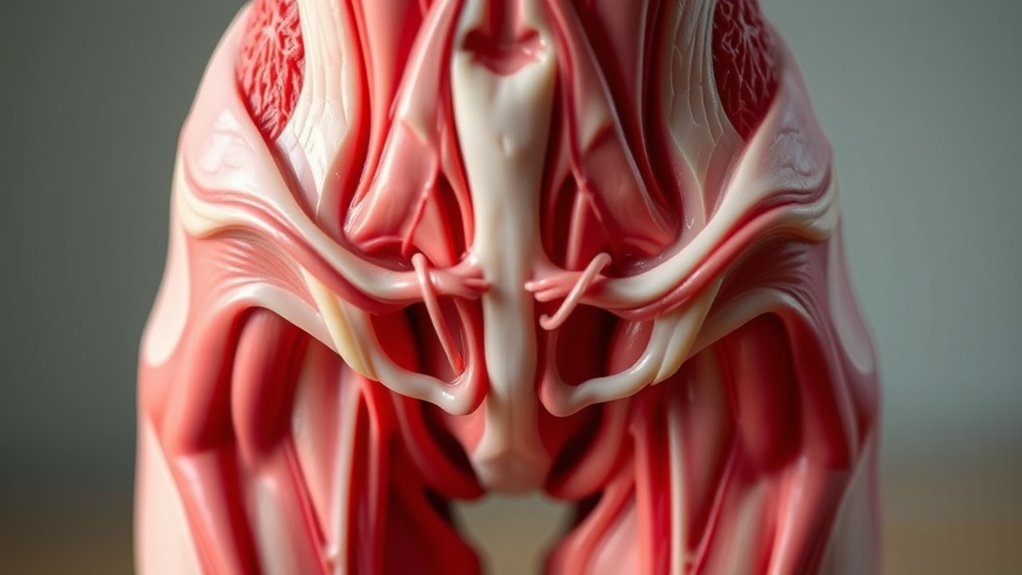
Your pelvic floor supports key structures and helps regulate pressure in the rectal area. When it weakens, you experience increased strain that disrupts normal blood flow to the hemorrhoidal veins.
This disruption contributes directly to the formation and worsening of hemorrhoids.
Pelvic Floor Role
How exactly does pelvic floor weakness contribute to the development of hemorrhoids? When your pelvic floor muscles weaken, they fail to adequately support the rectum and anal canal. This compromised support disrupts normal venous return, leading to blood pooling in the hemorrhoidal plexus.
Unlike an unrelated topic or off topic discussion that diverts focus, this anatomical interplay directly influences hemorrhoid formation. Weak pelvic muscles reduce the efficiency of venous drainage, increasing the likelihood of vascular engorgement and subsequent hemorrhoidal swelling.
Additionally, pelvic floor dysfunction can impair your ability to maintain proper anorectal angle and continence, further stressing the hemorrhoidal vessels. Understanding this specific role clarifies why pelvic floor health is essential in preventing and managing hemorrhoids, emphasizing targeted therapeutic interventions over unrelated or off topic solutions.
Increased Pressure Effects
Weak pelvic floor muscles not only compromise rectal support but also increase intra-abdominal and anorectal pressure during activities like straining or prolonged sitting. When your pelvic floor is weak, the puborectalis muscle becomes slack, reducing its ability to maintain the anorectal angle effectively.
This slack allows for a weak strain response, forcing you to exert more pressure during bowel movements. The increased pressure directly impacts the anal cushions, contributing to their engorgement and displacement, which can lead to hemorrhoid formation.
You’ll notice that without adequate pelvic floor tone, the normal mechanisms that regulate pressure during defecation fail, exacerbating stress on hemorrhoidal vessels. Understanding this pressure dynamic clarifies how pelvic floor weakness directly promotes hemorrhoidal pathology through mechanical overload rather than vascular compromise.
Blood Flow Disruption
Several vital factors contribute to blood flow disruption in the anorectal region when pelvic floor muscles lose their tone. As your pelvic floor weakens, venous return slows, causing blood pooling in hemorrhoidal veins.
This stagnation increases venous pressure, promoting hemorrhoid formation. Ignoring this mechanism is an irrelevant topic or off topic discussion in hemorrhoid pathophysiology. Understanding this connection helps you address the root cause effectively.
| Factor | Effect on Blood Flow |
|---|---|
| Pelvic Floor Weakness | Reduced venous return |
| Venous Pooling | Increased venous pressure |
| Venous Valve Dysfunction | Impaired blood flow direction |
| Tissue Support Loss | Vessel dilation |
| Increased Pressure | Vessel wall stress |
This table clarifies how pelvic floor dysfunction directly disrupts anorectal blood flow, contributing to hemorrhoids.
Signs Your Pelvic Floor Weakness Is Causing Hemorrhoids
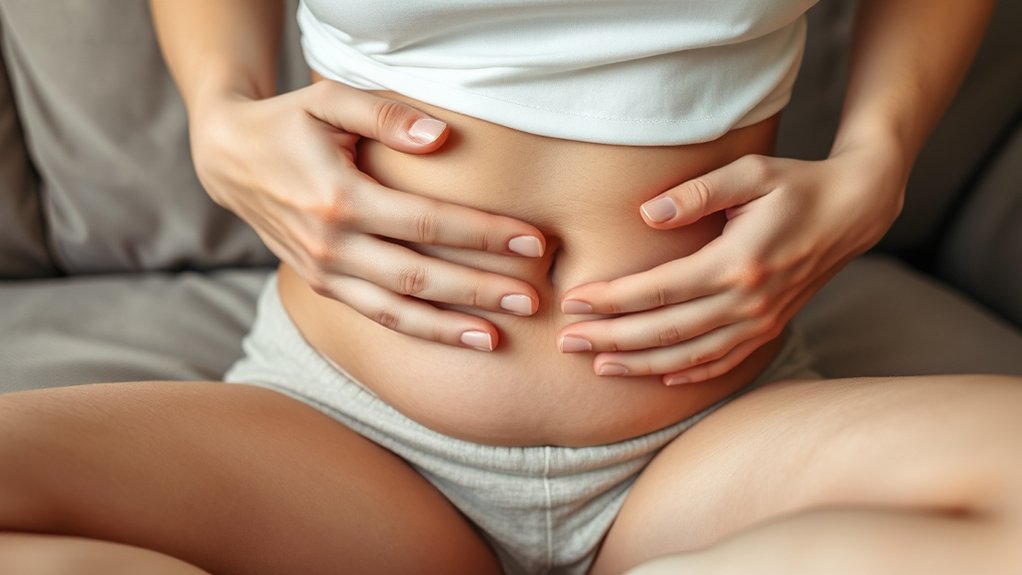
Why does a compromised pelvic floor lead to hemorrhoids? When your pelvic floor muscles weaken, they fail to support the rectal veins adequately, causing increased pressure and vein distension.
You might notice persistent anal discomfort, itching, or visible swelling around the anus. Additionally, you could experience bleeding during bowel movements, a clear indicator that pelvic floor weakness is contributing to hemorrhoid formation.
It’s important to distinguish these signs from an irrelevant topic like unrelated digestive issues, which do not directly correlate with pelvic floor function. If you’re facing chronic constipation or difficulty controlling bowel movements alongside these symptoms, it further suggests pelvic floor dysfunction is influencing your hemorrhoids.
Recognizing these signs early allows you to address the underlying cause rather than treating isolated symptoms.
Pelvic Floor Exercises to Prevent or Ease Hemorrhoids
How can targeted pelvic floor exercises help prevent or alleviate hemorrhoids? Strengthening your pelvic floor muscles improves venous return and supports rectal tissues, reducing hemorrhoidal vein engorgement.
Regularly performing controlled contractions, such as Kegel exercises, enhances sphincter tone and prevents straining, a key factor in hemorrhoid development. It’s important to dispel pelvic floor myths suggesting that only women or postpartum individuals benefit—everyone can gain from these exercises.
Consistency is crucial; avoid overexertion, which can worsen symptoms. Additionally, maintaining skin integrity around the anus is essential, as hemorrhoids can be complicated by irritations resembling diaper rash.
Incorporating pelvic floor exercises into your routine not only eases existing discomfort but also serves as a preventative measure against hemorrhoids linked to pelvic floor weakness.
Other Treatments for Pelvic Floor-Related Hemorrhoids
You can address pelvic floor-related hemorrhoids through targeted physical therapy to strengthen muscles and improve function.
Adjusting your diet and lifestyle reduces strain and supports overall pelvic health. In some cases, minimally invasive medical procedures may be necessary to alleviate persistent symptoms.
Pelvic Floor Physical Therapy
Where can targeted intervention make a significant difference in managing pelvic floor-related hemorrhoids? Pelvic floor physical therapy offers precise, evidence-based strategies to strengthen and coordinate your pelvic muscles, directly addressing dysfunction often overlooked by treatments focused on irrelevant topics or unrelated focuses.
You should consider these key benefits of pelvic floor physical therapy:
- Enhanced muscle strength and endurance, reducing venous pressure in the anorectal region.
- Improved neuromuscular control that normalizes bowel movements, preventing straining.
- Tailored biofeedback techniques to correct pelvic floor coordination, minimizing hemorrhoid aggravation.
Dietary And Lifestyle Changes
Beyond targeted pelvic floor therapy, managing pelvic floor-related hemorrhoids also involves strategic dietary and lifestyle modifications. You should prioritize a high-fiber diet, which promotes regular bowel movements and reduces straining that exacerbates hemorrhoids. Adequate hydration complements fiber intake by softening stools.
Weight loss is essential if you’re overweight, as excess weight increases intra-abdominal pressure, worsening pelvic floor dysfunction and hemorrhoidal symptoms. Additionally, improving your sleep quality supports tissue repair and reduces systemic inflammation, enhancing overall pelvic health.
Avoid prolonged sitting and incorporate regular physical activity to stimulate circulation and prevent venous congestion. By adopting these dietary and lifestyle changes, you can effectively reduce symptoms and support pelvic floor integrity, minimizing hemorrhoid recurrence without invasive interventions.
Minimally Invasive Medical Procedures
How can minimally invasive medical procedures complement dietary and lifestyle changes in treating pelvic floor-related hemorrhoids? These procedures address underlying issues that diet and exercise alone may not resolve, especially when pelvic floor myths and incontinence myths hinder effective treatment. You can consider these options:
- Rubber Band Ligation: This technique cuts off blood flow to hemorrhoids, causing them to shrink without surgery.
- Sclerotherapy: Involves injecting a solution to shrink hemorrhoidal tissue, providing symptom relief.
- Infrared Coagulation: Uses infrared light to coagulate hemorrhoidal tissue, reducing swelling and bleeding.
These methods are precise, outpatient-friendly, and minimize recovery time, effectively complementing lifestyle interventions while dispelling misconceptions about pelvic floor weakness and incontinence.
Lifestyle Changes to Strengthen Your Pelvic Floor and Relieve Hemorrhoids
Although a weak pelvic floor can contribute to hemorrhoid development, implementing targeted lifestyle changes can effectively strengthen these muscles and alleviate symptoms. Focus on pelvic floor exercises, such as Kegels, to enhance muscle tone and control.
Avoid prolonged straining during bowel movements by maintaining a high-fiber diet and adequate hydration, reducing pressure on your anorectal region. Regular physical activity supports overall musculoskeletal health but avoid unrelated topics like miscellaneous musculoskeletal exercises that do not engage pelvic muscles specifically, as they target irrelevant subjects or unrelated domains.
Additionally, practice proper posture and avoid excessive sitting to prevent added pelvic stress. These lifestyle modifications provide a clinically sound approach to fortifying your pelvic floor and minimizing hemorrhoid discomfort without addressing unrelated or extraneous factors.
When to See a Specialist for Pelvic Floor and Hemorrhoid Issues
Implementing lifestyle changes can markedly improve pelvic floor strength and reduce hemorrhoid symptoms, but some cases require professional evaluation. You should see a specialist if you experience:
- Persistent pain, bleeding, or swelling despite home interventions.
- Difficulty controlling bowel movements or a sensation of incomplete evacuation.
- Recurring hemorrhoids or pelvic floor dysfunction affecting daily activities.
Don’t let an unrelated topic or random thought delay your care; early assessment prevents complications. Specialists use targeted diagnostics beyond general advice, unlike a marketing strategy or social media trend.
Timely consultation ensures precise treatment tailored to your condition, avoiding misinformation common online. Prioritize professional guidance to address pelvic floor and hemorrhoid issues effectively and prevent chronic problems.
Frequently Asked Questions
Can Diet Alone Prevent Hemorrhoids Related to Pelvic Floor Weakness?
Diet alone can’t prevent hemorrhoids related to pelvic floor weakness; focusing solely on diet is an irrelevant topic and unrelated discussion.
You need targeted pelvic floor exercises and medical interventions for effective management and prevention.
Are Pelvic Floor Issues Hereditary or Caused by Lifestyle?
Pelvic floor origin involves both hereditary and lifestyle factors. You can inherit connective tissue weaknesses, but lifestyle choices like poor posture, obesity, or chronic straining often exacerbate pelvic floor dysfunction, influencing its severity and progression.
How Long Does It Take to See Improvement With Pelvic Floor Exercises?
Right off the bat, you’ll generally see improvement in pelvic floor mechanics within 6 to 8 weeks of consistent exercises. This helps reduce hemorrhoid triggers by strengthening support and improving circulation, but persistence is key for lasting results.
Can Men and Women Experience Pelvic Floor-Related Hemorrhoids Differently?
Yes, you’ll experience pelvic floor-related hemorrhoids differently because pelvic floor anatomy varies by sex, influencing hemorrhoid mechanisms.
Men and women’s muscle support and pressure dynamics affect symptom severity and treatment effectiveness distinctly.
Are There Any Risks Associated With Pelvic Floor Physical Therapy?
You’ll find pelvic floor physical therapy generally safe, but weakness risks like muscle strain or soreness can arise.
Following a qualified therapist’s guidance minimizes these risks, ensuring therapy safety and effective rehabilitation without complications.
Conclusion
If you’re facing frequent flare-ups, a weak pelvic floor might be fueling your hemorrhoid hassle. Strengthening your support system through targeted exercises and sensible lifestyle shifts can substantially soothe symptoms and stop strain. Don’t dismiss discomfort—dedicated diligence and timely treatment can transform your troubles.
Restoring rectal resilience and reducing risk are key goals in managing hemorrhoids. Take control now; proactive pelvic care prevents painful progression and promotes powerful, lasting relief.
In conclusion, addressing a weak pelvic floor is essential because it can contribute to the development and worsening of hemorrhoids.