Can a Bad Shower Cartridge Cause No Hot Water
You might wonder if a bad shower cartridge can actually cause no hot water at all. The truth is, a bad shower cartridge plays a critical role in mixing and regulating water temperature, so any malfunction could disrupt hot water flow.
Understanding how this component works and identifying its failure signs can save you time and money. But what exactly happens inside the cartridge when it goes bad?
Key Takeaways
- A faulty shower cartridge can improperly blend water, resulting in no hot water output at the showerhead.
- Mineral buildup or scaling inside the cartridge can block hot water flow completely.
- Worn seals or debris in the cartridge reduce or stop hot water delivery to the shower.
- Cartridge issues often mimic water heater or plumbing failures, causing confusion about the root cause.
- Replacing a compromised cartridge usually restores proper hot water flow without needing water heater replacement.
Why Your Shower Has No Hot Water: The Role of the Cartridge
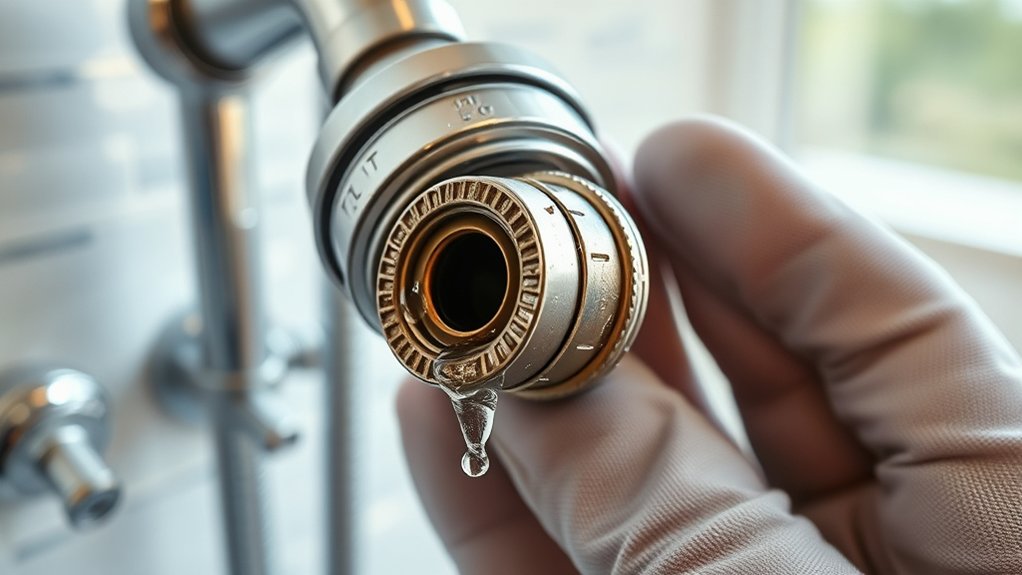
Why isn’t your shower delivering hot water? One common culprit is the shower cartridge, which controls water mixing. If the cartridge malfunctions, it may incorrectly blend hot and cold water, leaving you with cold water despite a working water heater.
A faulty shower cartridge can mix water improperly, causing cold water even when your heater works fine.
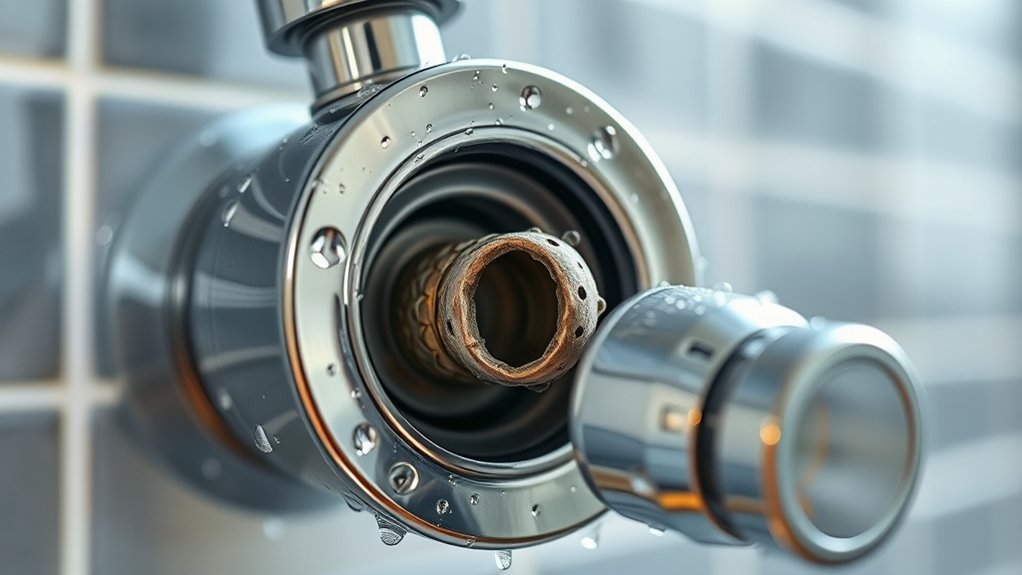
Over time, irreversible scaling can build up inside the cartridge, restricting hot water flow. This mineral deposit damage is often permanent and impairs the cartridge’s ability to regulate temperature.
Although your water heater might be fully operational, the cartridge acts as a gatekeeper; if it’s blocked or broken, hot water won’t reach your showerhead. Inspecting and replacing a faulty cartridge is crucial since scaling frequently prevents repairs.
Addressing cartridge issues promptly ensures you restore hot water without unnecessary replacements of the water heater itself.
What Does a Shower Cartridge Do in Your Shower?
Your shower cartridge regulates water flow and mixes hot and cold water to achieve your desired temperature. It controls how much hot water enters the system, ensuring consistent temperature output.
Understanding this mechanism helps you pinpoint issues when your shower lacks hot water.
Cartridge Function Overview
How does a shower cartridge regulate the water flow and temperature in your shower? The cartridge acts as the internal valve, moderating the mix of hot and cold water and directing flow to the showerhead.
By adjusting its position, it opens or restricts water pathways, balancing pressure precisely. Proper cartridge maintenance ensures smooth operation and prevents leaks or blockages that could disrupt water delivery.
Additionally, compatibility with your water heater is essential; the cartridge must handle the temperature range your heater produces to function correctly. If it’s incompatible, you risk uneven flow or no hot water.
Understanding this mechanism helps you troubleshoot issues and maintain consistent performance in your shower system without immediately assuming heater failure or plumbing problems elsewhere.
Temperature Control Mechanism
Where does the temperature control actually happen within your shower system? It occurs right inside the shower cartridge, a crucial component blending hot and cold water to your desired temperature.
Unlike an irrelevant topic or a random concept unrelated to plumbing, the cartridge precisely modulates water flow from both supply lines. When you adjust the handle, the cartridge shifts internally, varying the mix ratio.
This mechanism ensures steady temperature output, preventing scalding or chilling. If the cartridge malfunctions, temperature control fails, often causing no hot water or inconsistent heat.
Understanding this precise control helps you diagnose issues efficiently, avoiding distractions by irrelevant topics or random concepts that don’t affect shower performance. So, the cartridge isn’t just a valve—it’s your shower’s temperature regulator in action.
What Are the Signs of a Faulty Shower Cartridge?
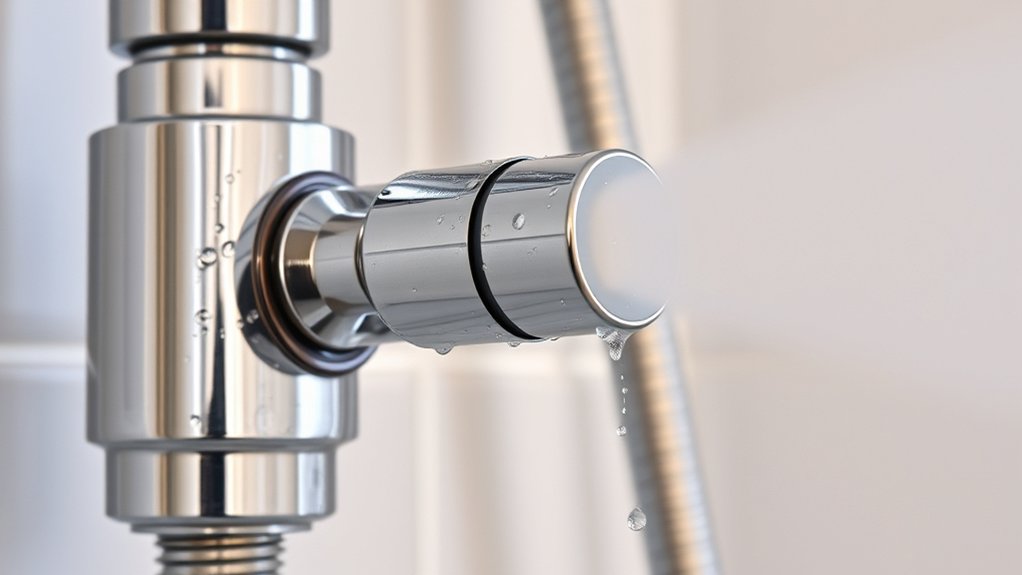
You’ll notice a faulty shower cartridge if your water temperature fluctuates unexpectedly during use. It can also cause reduced water pressure, impacting your overall shower experience.
Identifying these signs early helps prevent complete hot water loss.
Temperature Fluctuations
Why does your shower suddenly switch between hot and cold water? This temperature fluctuation often points to a faulty shower cartridge. The cartridge controls water mixing; if it wears out, it can cause inconsistent water flow, leading to abrupt temperature changes.
You might assume unrelated subjects like your water heater or plumbing pressure cause this, but those are irrelevant topics when diagnosing this issue. A malfunctioning cartridge fails to maintain a stable blend of hot and cold water, resulting in uncomfortable temperature swings.
To confirm, you can test by observing if fluctuations occur only in that shower or throughout the house. If isolated, replacing the cartridge is the practical solution to restore steady temperature control and eliminate these frustrating fluctuations.
Reduced Water Pressure
How can you tell if a faulty shower cartridge is causing reduced water pressure? First, rule out unrelated issues like municipal supply problems or clogged pipes. These are irrelevant topics when diagnosing cartridge faults.
A defective cartridge often restricts water flow internally due to worn seals or debris buildup, leading to noticeably lower pressure at your showerhead. You might experience weak spray even when the rest of your plumbing maintains normal flow.
To confirm, remove and inspect the cartridge for mineral deposits or damage. Replacing a compromised cartridge typically restores proper pressure.
Don’t confuse reduced water pressure from a bad cartridge with unrelated issues such as valve malfunctions or aerator blockages. Focus your troubleshooting on the cartridge itself to avoid misdiagnosis and unnecessary repairs.
What Happens When a Shower Cartridge Goes Bad?
What signs indicate that your shower cartridge has gone bad? When it fails, you’ll notice clear symptoms affecting performance. Here’s what happens:
- Temperature fluctuations occur, causing inconsistent hot water delivery.
- Water pressure drops noticeably, impacting flow strength.
- Leaks develop around the handle or valve assembly.
- The handle feels stiff or difficult to turn, signaling internal wear.
These issues stem from worn seals or mineral buildup inside the cartridge. Ignoring them can lead to unrelated topics such as plumbing backflow or water heater failure, which are off topic discussions here. Focus on these specific signs to isolate cartridge problems early.
Addressing this promptly prevents total hot water loss and avoids unnecessary repairs elsewhere in your system.
How to Test Your Shower Cartridge for Problems
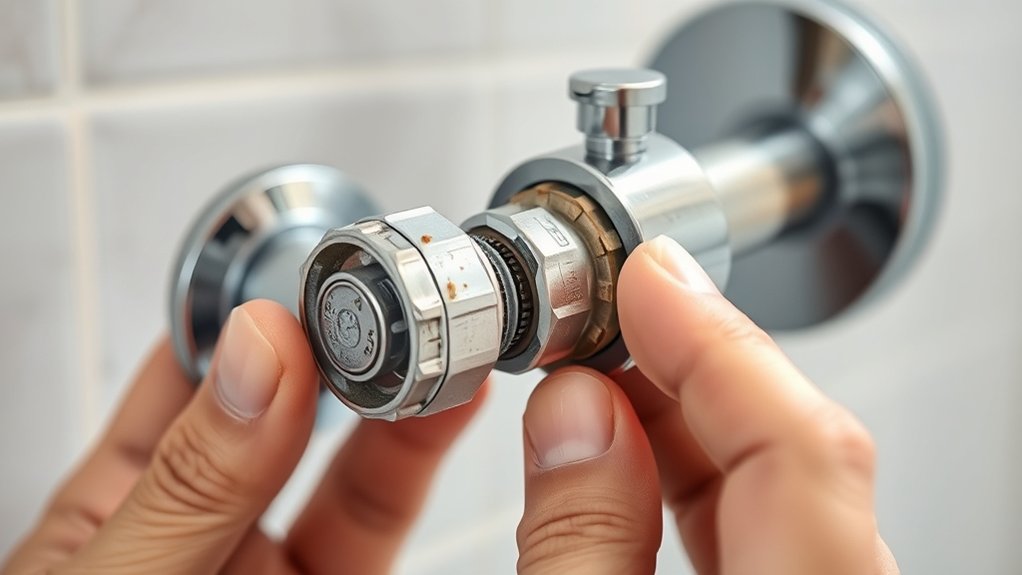
You’ll start by identifying common cartridge issues like leaks, temperature fluctuations, or reduced water flow. Next, follow a step-by-step testing process that includes shutting off water, removing the cartridge, and inspecting it for damage or blockages.
This methodical approach helps pinpoint whether the cartridge is causing your no hot water problem.
Identifying Common Cartridge Issues
Where should you start when diagnosing a faulty shower cartridge? First, eliminate irrelevant topics or unrelated issues like water heater problems or plumbing leaks. Focus on the cartridge itself by inspecting these common problems:
- Mineral buildup or debris obstructing valve movement
- Worn or damaged O-rings causing leaks or pressure loss
- Corrosion or cracks in the cartridge housing
- Malfunctioning temperature control mechanism
Identifying these issues helps you pinpoint the root cause of no hot water. Avoid distractions from external factors until you’ve ruled out cartridge-specific problems. This practical approach ensures you don’t waste time on irrelevant topics and accelerates effective troubleshooting.
Understanding these common defects prepares you for the next step: a detailed testing process to confirm the cartridge’s condition.
Step-by-Step Testing Process
How can you accurately determine if your shower cartridge is causing no hot water? First, turn off the water supply and remove the handle and trim to expose the cartridge. Inspect the cartridge visually for signs of irreversible corrosion, which often indicates failure.
Next, test the cartridge’s function by turning the valve while observing water temperature. If no hot water flows, the cartridge may be faulty. To further confirm, check for leakage risk by closely examining seals and O-rings for damage or wear.
Use a multimeter to test for continuity if it’s an electronic cartridge. Finally, reinstall the cartridge and slowly turn the water supply back on to monitor for leaks. If problems persist, replacement is likely necessary to restore proper hot water flow.
Tips for Choosing the Right Replacement Cartridge
When selecting a replacement shower cartridge, what key factors should you prioritize to guarantee compatibility and performance? Avoid mixing discussions of unrelated topics or random concepts, and focus strictly on technical details. Consider these four critical points:
- Model Compatibility: Verify the cartridge matches your shower valve brand and model number exactly.
- Material Quality: Choose durable materials like brass or stainless steel to prevent corrosion and extend lifespan.
- Functionality Type: Identify if you need a pressure-balancing or thermostatic cartridge based on your system’s design.
- Seal Integrity: Ensure replacement cartridges come with high-quality seals to prevent leaks and maintain water temperature control.
Paying attention to these factors ensures you avoid common pitfalls and secure a reliable, efficient replacement cartridge.
How to Remove Your Shower Cartridge Step-by-Step
Selecting the right replacement cartridge is only the first step; next, you’ll need to carefully remove the old cartridge to avoid damaging your valve assembly. Start by shutting off your water supply, ideally powered by solar power systems to minimize environmental impact.
Begin by selecting the correct cartridge and shutting off your water supply, preferably using solar-powered systems for eco-friendliness.
Remove the handle using a screwdriver, then detach the trim plate to expose the cartridge. Use pliers or a cartridge puller tool to grip and gently pull out the cartridge. If it resists, apply penetrating oil and wait.
Dispose of the old cartridge responsibly; many manufacturers now produce cartridges from recycled materials, so consider recycling options. Keep the valve body clean and inspect for debris or corrosion before proceeding.
Proper removal ensures your shower runs efficiently and supports eco-friendly maintenance practices.
How to Replace Your Shower Cartridge
Why does proper installation matter when replacing your shower cartridge? Incorrect installation can cause leaks, temperature inconsistencies, or no hot water, undermining your repair efforts and leading to costly damage. This is unlike an unrelated topic such as kitchen renovation, where errors don’t affect plumbing function directly.
To replace your shower cartridge correctly, follow these steps:
- Align the new cartridge with the valve body, ensuring the tabs match precisely.
- Insert the cartridge fully to prevent water bypass and secure it with the retaining clip or nut.
- Reassemble the handle and trim, verifying they fit without forcing to avoid damage.
- Turn on water supply and test for leaks and proper hot water flow before finalizing.
This method ensures reliable operation and prevents issues caused by improper cartridge placement.
When to Call a Professional Plumber
How can you tell if a shower cartridge issue requires a professional plumber? If you’ve already completed basic troubleshooting and the problem persists, like no hot water despite cartridge replacement, it’s time to call an expert.
Complex plumbing systems involve valve assemblies and water heater connections that go beyond typical DIY skills. Avoid unrelated topic distractions such as general bathroom repairs when diagnosing; focus strictly on the cartridge and hot water system.
Two word discussion ideas like “water pressure” or “temperature control” can help you communicate effectively with your plumber. If you notice leaks, corrosion, or inconsistent water temperature after your attempt, don’t hesitate.
A professional plumber can accurately diagnose hidden issues, ensuring your system operates safely and efficiently without unnecessary trial and error.
How to Prevent Future Shower Cartridge Issues
When should you perform maintenance to extend the life of your shower cartridge? Regular maintenance every six months helps prevent buildup and wear. Just like home lighting and kitchen faucets require routine checks, your shower cartridge needs consistent care for peak performance.
Follow these steps to prevent future issues:
- Inspect and clean the cartridge to remove mineral deposits.
- Replace worn washers and seals promptly to avoid leaks.
- Flush your water system periodically to reduce sediment buildup.
- Monitor water pressure; avoid extremes that strain the cartridge.
Frequently Asked Questions
Can a Bad Shower Cartridge Affect Water Pressure?
Yes, a bad cartridge can reduce water pressure by restricting flow or causing leaks.
If you notice a leaky shower or weak pressure, cartridge replacement is necessary to restore proper function and water efficiency.
Does a Faulty Cartridge Cause Leaks Outside the Shower?
Yes, a faulty cartridge can cause leakage concerns outside the shower. You should address it promptly to prevent water damage.
Regular maintenance timing is crucial to ensure seals stay intact and avoid external leaks.
How Long Does a Shower Cartridge Typically Last?
You’ll find a shower cartridge typically lasts 10 to 15 years. A bad cartridge can cause hot water issues and leaks, so timely leak repair is essential to maintain proper function and avoid water damage.
Are There Different Types of Shower Cartridges for Various Brands?
Yes, you’ll find different shower cartridges designed for specific brands. Ensuring shower cartridge compatibility is vital, so always choose brand specific replacements to guarantee proper fit, function, and avoid leaks or temperature control issues.
Can Hard Water Damage a Shower Cartridge?
Yes, hard water causes mineral buildup that damages shower cartridges. Over 85% of U.S. homes face hard water issues, which clog cartridges, reduce flow, and impair temperature control. You’ll need regular maintenance or replacement to avoid problems.