Can a Bad Shower Cartridge Cause Low Water Pressure
You expect steady water flow, consistent temperature, and easy control when you use your shower. A bad shower cartridge can cause low water pressure, disrupting all three by restricting water flow and causing pressure drops.
If your shower feels weak or uneven, the cartridge might be the culprit—but it’s not the only possibility. Understanding how the cartridge affects pressure and when to inspect or replace it can save you time and frustration.
Key Takeaways
- A worn or corroded shower cartridge can restrict water flow, causing noticeable low water pressure.
- Mineral buildup inside the cartridge can block water passage, worsening pressure loss.
- Mechanical wear in the cartridge reduces control over flow and temperature, leading to pressure issues.
- Leaks from damaged cartridge seals contribute to pressure drops and water wastage.
- Replacing a failing cartridge is essential to restore proper water pressure and avoid further damage.
What a Shower Cartridge Does
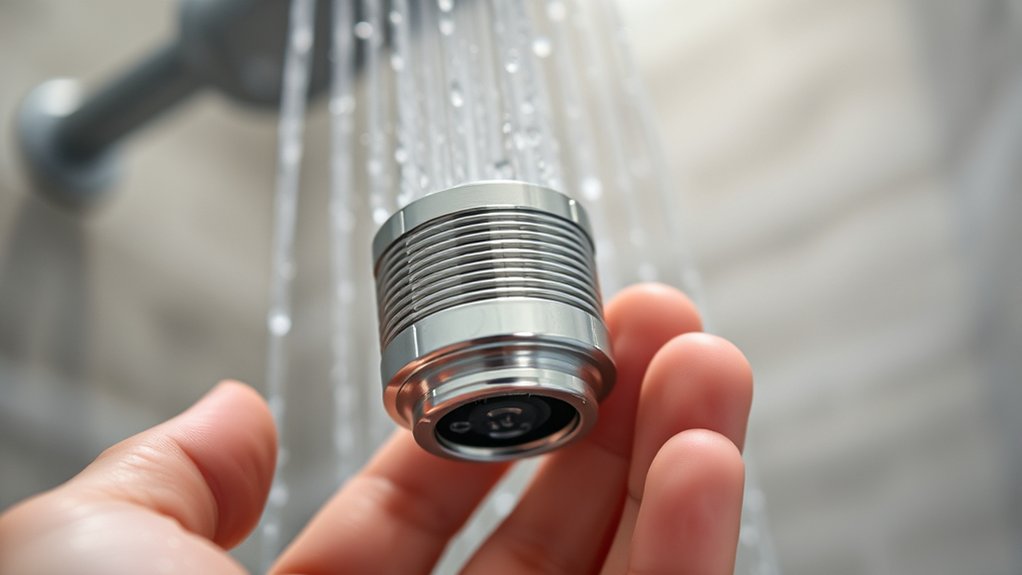
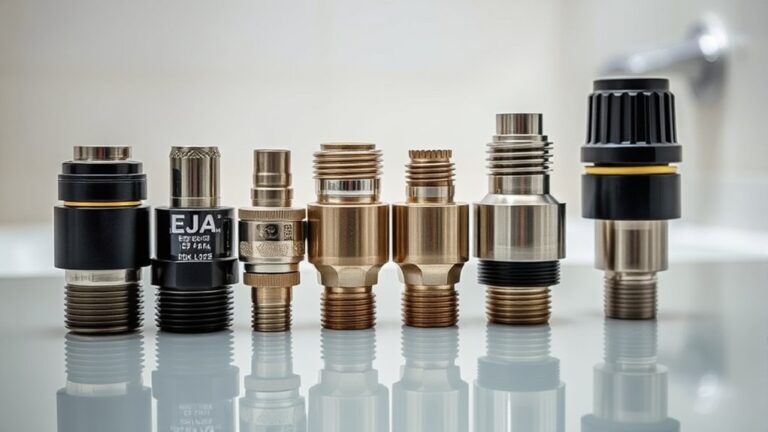
How does a shower cartridge actually work? It controls the flow and mix of hot and cold water to deliver your desired temperature. Inside the cartridge, a spindle rotates to align internal openings, regulating water pressure and temperature precisely.
Many cartridges include roller cleaning components that help prevent mineral buildup, ensuring smooth operation. When you have hard water, water softening becomes crucial; some cartridges are designed to handle softened water better, reducing scale formation.
Common Signs Your Shower Cartridge Is Faulty
Why might your shower suddenly deliver weak water flow or inconsistent temperature? These are common signs your shower cartridge is faulty. A worn cartridge often restricts water flow, causing low pressure.
You might notice difficulty adjusting between hot and cold water, leading to hot water issues. If you have old plumbing, mineral buildup inside the cartridge can worsen these symptoms by blocking water passage.
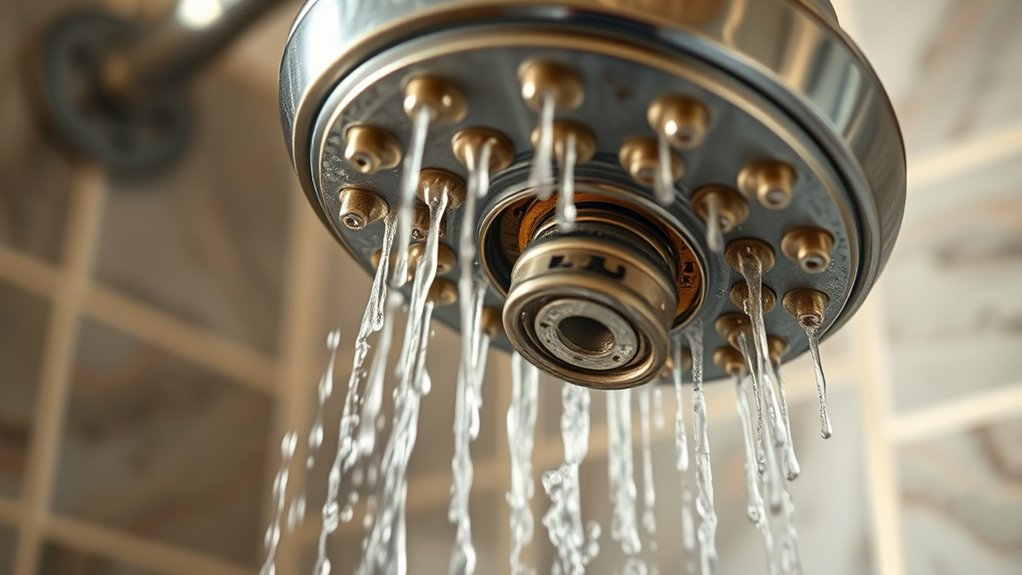
Another indicator is a dripping showerhead even when the valve is off, signaling the cartridge’s seals are compromised. Additionally, if the temperature fluctuates unexpectedly during use, the cartridge’s internal mechanism could be malfunctioning.
Addressing these signs promptly ensures your shower operates efficiently and prevents further damage to your plumbing system.
Other Causes of Low Shower Pressure Besides the Cartridge
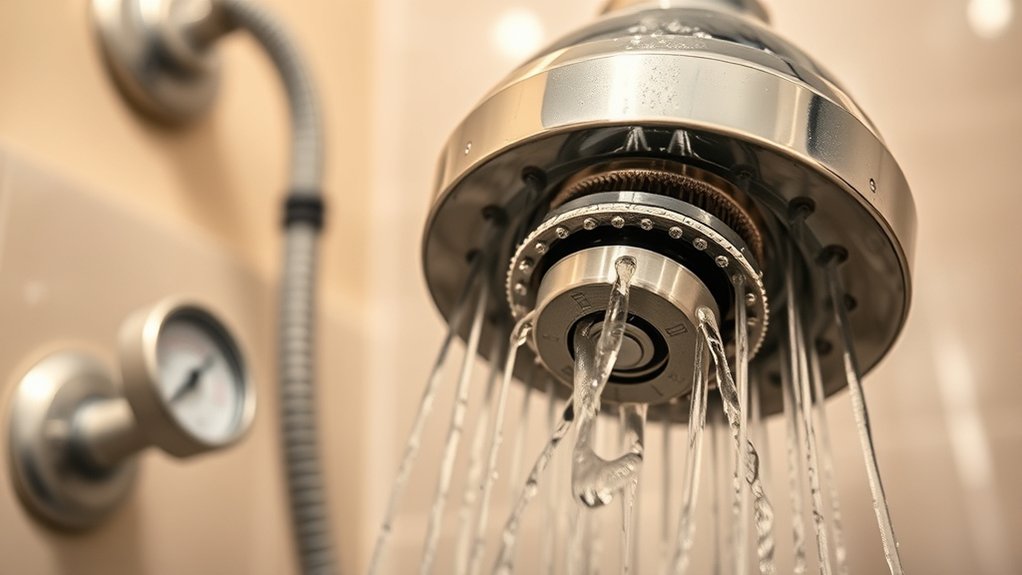
If your shower pressure is low, don’t just blame the cartridge. Mineral buildup inside pipes or showerheads can restrict water flow, and issues within your plumbing system, like leaks or corroded pipes, can also reduce pressure. You’ll need to inspect these areas to identify the real cause.
Mineral Buildup Effects
Where does mineral buildup typically occur to reduce your shower’s water pressure? It most often accumulates inside the showerhead nozzles and the cartridge housing.
Hard water contains minerals like calcium and magnesium that gradually deposit, narrowing the water flow path. This buildup restricts flow, causing noticeably lower pressure.
You can address this by regularly removing and soaking the showerhead in a vinegar solution to dissolve deposits. Installing a water filtration system also helps by reducing mineral content before water reaches your fixtures.
Keep in mind, mineral buildup affects not just the showerhead but also the cartridge and connecting pipes. Routine maintenance and water filtration are practical steps to prevent these deposits from compromising your shower performance and ensure consistent water pressure over time.
Plumbing System Issues
How can problems within your plumbing system affect shower pressure beyond the cartridge? Several issues can reduce water flow, debunking common plumbing myths that blame the cartridge alone.
For example, sediment buildup in pipes or a malfunctioning water heater can restrict pressure. Corroded pipes, clogged valves, or faulty pressure regulators also play roles.
| Issue | Cause | Effect on Pressure |
|---|---|---|
| Corroded Pipes | Age, mineral deposits | Narrowed flow path |
| Sediment Buildup | Hard water, lack of filter | Blocked pipes and valves |
| Faulty Valves | Wear, improper installation | Partial or full blockage |
| Pressure Regulator | Malfunction or misadjusted | Inconsistent pressure |
| Water Heater | Scale buildup, malfunction | Reduced hot water pressure |
Check these components before replacing the cartridge to ensure accurate diagnosis.
How to Test Your Shower Cartridge for Low Pressure
To test your shower cartridge for low pressure, start by inspecting its internal components for wear or buildup.
Next, measure the water flow rate to determine if the cartridge is restricting water passage. These steps will help you pinpoint whether the cartridge is the cause of the pressure issue.
Inspect Cartridge Components
Why might your shower deliver weak water flow even after checking the main supply? One common cause is worn or damaged cartridge components. Start by inspecting seals inside the cartridge; damaged seals can restrict water flow or cause leaks, reducing pressure.
Remove the cartridge carefully and examine the rubber or silicone seals for cracks, deformation, or mineral buildup. Next, check the aerator attached to the showerhead. Mineral deposits or debris can clog the aerator, limiting flow rate.
Clean the aerator by soaking it in vinegar and scrubbing gently with a brush. Also, inspect the cartridge’s internal moving parts for corrosion or wear, which can impede water movement. By thoroughly inspecting seals and checking the aerator, you can identify and address issues that cause low pressure without replacing the entire cartridge.
Measure Water Flow Rate
When should you measure the water flow rate to determine if your shower cartridge is causing low pressure? You should test it after inspecting the cartridge components and ruling out external plumbing issues.
To measure flow rate, use a container with a known volume and a stopwatch. Turn the shower on full and time how long it takes to fill the container. Calculate the flow rate by dividing the volume by the time in seconds, then convert to gallons or liters per minute.
Compare this rate to your shower’s standard flow rate, typically around 2.5 GPM. A significantly lower rate indicates a cartridge problem affecting water conservation and potentially increasing noise pollution due to irregular water flow. Accurate measurement helps you decide if cartridge replacement is necessary.
Why Shower Cartridges Wear Out or Get Clogged
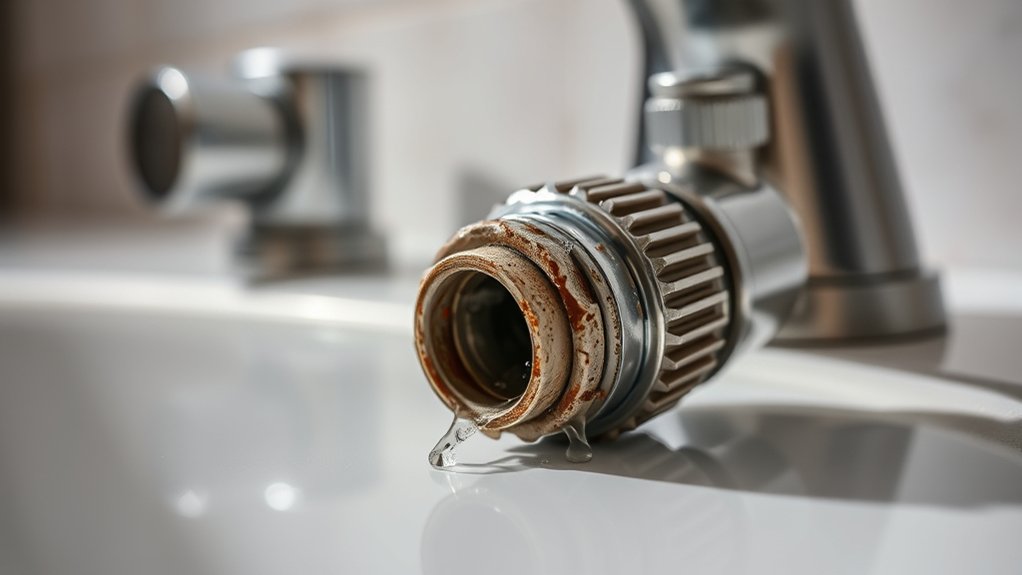
How do shower cartridges end up wearing out or getting clogged? Over time, mineral deposits from hard water accumulate inside the cartridge, restricting water flow and causing low pressure.
Sediment and debris can also build up, especially if your home’s plumbing has issues, leading to blockages. Mechanical wear occurs as seals and moving parts degrade from frequent use, which impairs the cartridge’s function.
It’s important to stay focused on these factors since discussing irrelevant topics like water heater problems or unrelated plumbing fixtures would be an off topic idea when diagnosing cartridge issues. By understanding these practical causes, you can pinpoint whether your cartridge needs cleaning or replacement without getting sidetracked by irrelevant troubleshooting steps.
How to Replace a Shower Cartridge
Knowing the common causes of cartridge wear and clogging helps you determine when it’s time to replace the shower cartridge. Start by shutting off the main water supply or the hot water heaters to prevent water flow. Then, follow these steps:
Remove the handle and escutcheon plate to access the cartridge. Use pliers or a cartridge puller to extract the old cartridge carefully. Insert the new cartridge, ensuring it aligns with the irrigation systems’ water flow direction, then reassemble the components.
Replacing the cartridge restores proper water pressure and flow control. Make sure to double-check for leaks after reinstallation. This straightforward procedure prevents damage to your shower valve and maintains efficient water delivery, similar to regular maintenance in irrigation systems.
When to Clean vs. Replace Your Shower Cartridge
Why might you choose to clean your shower cartridge instead of replacing it? Cleaning is practical when mineral buildup or debris causes low water pressure but the cartridge remains structurally sound. It saves you time and money, especially if your shower aesthetics are in good shape and don’t require updates during bathroom remodeling.
Use vinegar or a descaling solution to remove deposits without damaging the cartridge.
However, replace the cartridge if cleaning doesn’t restore pressure or if you notice leaks, corrosion, or mechanical wear. Replacement is essential to maintain peak function and avoid further damage that compromises shower aesthetics.
During bathroom remodeling, consider upgrading the cartridge to match new fixtures and improve durability, ensuring a longer-lasting, efficient system.
How to Prevent Shower Cartridge Problems
To prevent shower cartridge problems, you should perform regular maintenance and clean buildup before it causes issues. Always use high-quality replacement parts to guarantee durability and proper function.
Additionally, monitor your water pressure levels to avoid stressing the cartridge and reducing its lifespan.
Regular Cartridge Maintenance
How often do you check your shower cartridge for buildup or wear? Regular maintenance is key to preventing low water pressure and ensuring optimal performance. Build-up from minerals or debris can obstruct water flow, affecting both your showerhead design and water heater efficiency.
To keep your cartridge functioning well, follow these steps:
- Inspect the cartridge every 6 months for signs of corrosion or mineral deposits.
- Clean the cartridge with a vinegar solution to dissolve scale and buildup.
- Lubricate moving parts with a silicone-based grease to maintain smooth operation.
Consistent upkeep prevents damage and maintains water flow, preserving your shower’s pressure and temperature control. Neglecting maintenance can reduce the lifespan of your cartridge and compromise the entire shower system’s performance.
Use Quality Replacement Parts
Keeping your shower cartridge well-maintained helps extend its life, but when replacement becomes necessary, using quality parts makes all the difference. Cheap or incompatible cartridges can cause leaks, poor water flow, or even damage your plumbing.
Always choose parts that match your shower model specifications and come from reputable manufacturers. Avoid settling for generic replacements, as they often lead to more issues and are an unrelated topic to proper maintenance.
Don’t engage in off topic discussion about price over performance; investing in quality ensures durability and consistent water pressure. Installing substandard cartridges wastes time and money, creating problems you’d rather avoid.
Monitor Water Pressure Levels
Why does monitoring your water pressure matter for your shower cartridge’s health? Consistent pressure ensures the valve design operates efficiently, preventing premature wear or malfunction. Without monitoring pressure, you risk damaging the cartridge or experiencing low water flow.
To keep your shower cartridge functioning optimally, focus on these key points:
- Regularly check water pressure using a gauge to detect abnormal fluctuations.
- Understand your valve design specifications to maintain pressure within recommended limits.
- Address pressure issues promptly to avoid stress on the cartridge and other plumbing components.
Tools and Parts Needed for Shower Cartridge Repairs
What tools and parts do you need to fix a shower cartridge effectively? First, gather an adjustable wrench, screwdrivers (flat and Phillips), pliers, and a cartridge puller if needed. You’ll also want plumber’s grease and a replacement cartridge that matches your shower model.
Avoid bringing up irrelevant topics or discussion ideas unrelated to the repair process. Focus strictly on parts and tools designed for cartridge replacement. Having a flashlight and a bucket helps manage water spills.
Ensure you turn off the water supply before starting. Using the right tools prevents damage to fittings and trims. Skipping any essential tool or part can prolong the repair or cause further issues.
Prepare everything beforehand to work efficiently and restore proper water pressure.
Troubleshooting Low Shower Pressure: Beyond the Cartridge
Once you’ve replaced the shower cartridge and still face low water pressure, the issue might lie elsewhere in your plumbing system. Before considering costly bathroom remodels, check other potential causes that impact flow rates.
Inspect these areas carefully:
Inspect these key areas thoroughly to identify and fix common causes of low water pressure.
- Showerhead upgrades: Mineral buildup or clogged nozzles can reduce pressure. Clean or replace your showerhead to restore flow.
- Main water supply valves: Ensure valves are fully open; partial closures limit water volume.
- Piping issues: Corrosion, leaks, or pipe diameter restrictions decrease pressure. Have a professional assess your plumbing if you suspect damage.
Addressing these factors often resolves low pressure without major renovations. Prioritize targeted troubleshooting over broad changes to avoid unnecessary expense and effort.
Frequently Asked Questions
Can Hard Water Damage Other Shower Components Besides the Cartridge?
You might find hard water isn’t the gentlest guest. It can quietly wear down shower components like valves, pipes, and nozzles. Over time, mineral buildup reduces efficiency, so you’ll want to address it to keep everything flowing smoothly.
Does Water Temperature Affect Shower Cartridge Lifespan?
Yes, water temperature impacts shower cartridge lifespan. High temperatures accelerate wear and degrade seals faster, reducing functionality.
To extend your shower cartridge lifespan, avoid consistently using extremely hot water and perform regular maintenance to prevent premature failure.
Are There Eco-Friendly Shower Cartridges Available?
Yes, you can find eco-friendly shower cartridges made from sustainable cartridge materials like recycled brass or biodegradable plastics. These reduce environmental impact while maintaining durability and water efficiency, helping you conserve water without sacrificing performance.
How Often Should Shower Cartridges Be Professionally Inspected?
Like clockwork, you should have your shower cartridge professionally inspected every 1-2 years, especially if hard water shortens its lifespan.
Regular checks prevent buildup and ensure optimal water flow and cartridge performance.
Can Low Water Pressure Affect Water Heater Performance?
Yes, low water pressure can reduce your water heater’s efficiency by limiting flow rate, causing inconsistent temperature.
Ensure cartridge quality remains high to avoid pressure drops that strain your system and compromise performance over time.