Are Shower Panels Waterproof
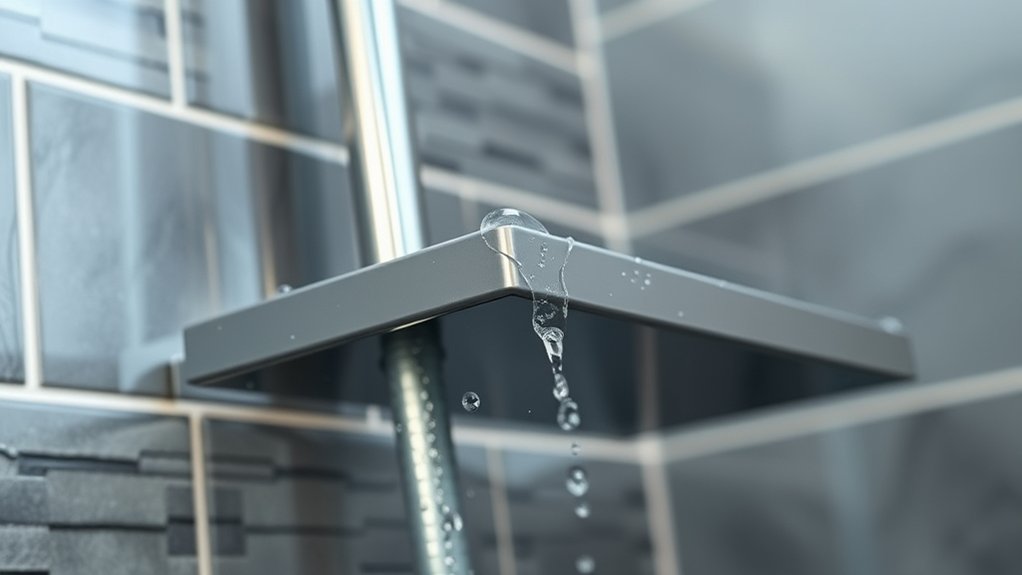
Think of shower panels as a fortress against water—but are shower panels truly waterproof? While they’re made from materials designed to resist moisture, no panel is completely waterproof on its own.
The real question lies in how these panels manage water exposure through installation techniques, material choices, and sealing methods. Understanding this distinction is crucial if you want to avoid costly damage and maintain your bathroom’s integrity.
Key Takeaways
- Shower panels are water-resistant but not completely waterproof, requiring proper sealing to prevent water seepage behind them.
- Materials like acrylic, PVC, and tempered glass provide strong moisture resistance and reduce mold growth.
- High-quality silicone sealant along joints and edges is essential to maintain waterproof integrity.
- Correct installation with secure mounting and waterproof backing boards prevents water damage behind panels.
- Waterproof coatings and drainage features enhance protection by directing water away and minimizing infiltration risks.
Are Shower Panels Really Waterproof?
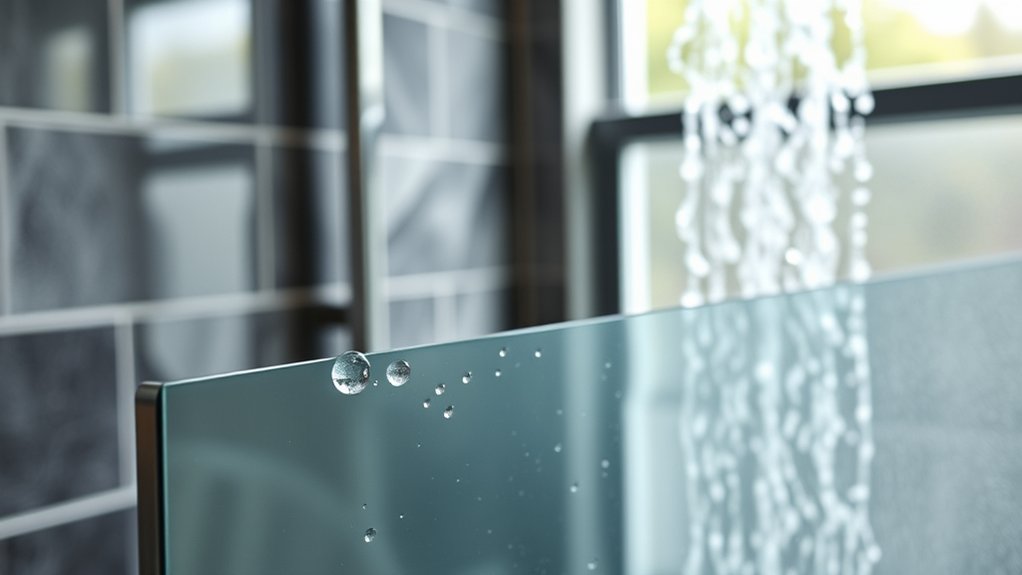
How waterproof are shower panels in reality? You’ll find that while panels are designed to resist water, inconsistent expectations often lead to misunderstandings about their actual performance.
Shower panels are water-resistant rather than completely waterproof, meaning they can handle direct water exposure but may fail if water seeps behind them. Installation myths contribute significantly to these misconceptions; some believe a quick fit guarantees total waterproofing, which isn’t true.
Proper sealing at joints and edges, along with correct mounting, is essential to prevent water infiltration. If you overlook these technical details, you risk water damage behind the panel.
Waterproof Materials Used in Shower Panels
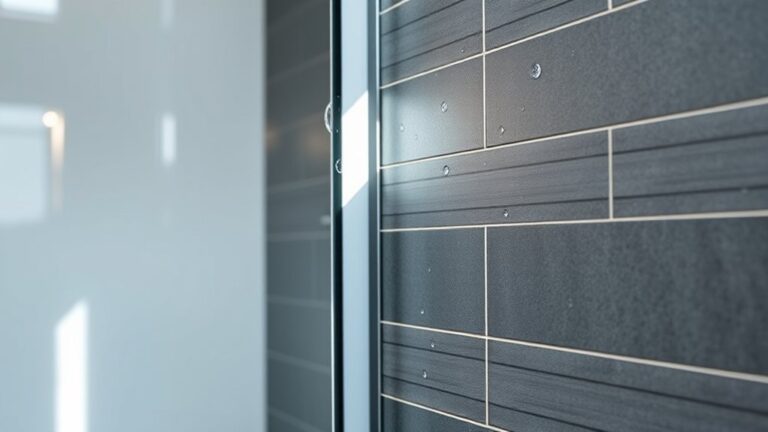
You’ll find shower panels made from materials like acrylic, PVC, and tempered glass, all chosen for their waterproof properties. These surfaces resist moisture penetration, reducing mold growth and maintenance needs.
Understanding each material’s durability helps you select a panel that withstands constant wet conditions effectively.
Common Waterproof Materials
Which materials guarantee that shower panels remain fully waterproof under constant exposure to moisture? Common choices include acrylic, PVC, tempered glass, and aluminum. Acrylic and PVC resist water infiltration effectively, making them ideal for wet environments.
Tempered glass offers a non-porous, durable surface that prevents water penetration while enhancing electrical safety by reducing moisture contact near wiring. Aluminum panels, often anodized or powder-coated, provide corrosion resistance essential for longevity.
Proper framing techniques are crucial to support these materials and ensure tight seals that block water ingress. You must ensure all joints and edges are sealed with waterproof adhesives or gaskets.
This approach minimizes risks of water damage and maintains electrical safety by protecting wiring and components from moisture exposure, which is vital for both functionality and user safety in shower installations.
Benefits of Waterproof Surfaces
Selecting materials like acrylic, PVC, tempered glass, and aluminum ensure your shower panels stay fully waterproof, but understanding the benefits these surfaces provide goes beyond just preventing water penetration. Waterproof coatings applied to these materials create effective moisture barriers, which protect the underlying structure from mold, mildew, and water damage.
These barriers also simplify maintenance by resisting stains and reducing the need for frequent sealing or repairs. Moreover, waterproof surfaces improve hygiene by preventing bacterial growth in wet environments. You’ll also find that these materials enhance safety by minimizing slippery buildup caused by water absorption.
Ultimately, investing in shower panels with reliable waterproof coatings and moisture barriers guarantees long-term performance, preserves the integrity of your bathroom, and delivers a clean, practical solution tailored for wet areas.
Material Durability in Wet Areas
How do shower panels maintain their integrity in constantly wet environments? They rely on materials specifically engineered for durability and waterproofing. Common materials include tempered glass, acrylic, aluminum, and PVC composites. These are chosen for their resistance to moisture, corrosion, and mold growth.
These materials not only ensure long-term durability but also allow you to maintain the panel’s aesthetics without warping or discoloration. When selecting a shower panel, consider installation compatibility with your existing plumbing and wall structure to avoid leaks and ensure a secure fit.
Proper sealing and the use of water-resistant adhesives further enhance durability. By focusing on these material properties and installation factors, you can ensure your shower panel withstands wet conditions while providing a visually appealing, low-maintenance solution.
How Shower Panels Keep Water Out
You rely on waterproof materials to create a solid barrier against moisture. Proper sealing and precise installation are critical to prevent water from seeping behind the panels.
Additionally, an effective water drainage design channels excess water away, ensuring your shower stays dry and damage-free.
Waterproof Materials Used
What materials guarantee shower panels remain impervious to water? You’ll find that high-quality shower materials like acrylic, PVC, and tempered glass are standard due to their inherent water resistance. Acrylic offers a smooth, non-porous surface that prevents water absorption, while PVC is durable and impervious to moisture.
Tempered glass adds both strength and a waterproof barrier. Additionally, manufacturers apply specialized waterproof coatings to enhance protection. These coatings form a seamless layer that repels water and prevents penetration, especially at joints and edges.
You should also note that these materials resist mold and mildew growth, which is critical for maintaining hygiene and longevity. By combining these shower materials with waterproof coatings, shower panels effectively keep water out, ensuring durability and reliable waterproof performance.
Sealing and Installation Techniques
While selecting waterproof materials forms the foundation for shower panel durability, proper sealing and installation techniques play a key role in preventing water infiltration. You must apply high-quality silicone sealant meticulously along all panel edges and joints to create an impenetrable barrier.
Avoid common sealing mistakes like uneven bead application or gaps, which can lead to leaks. Secure panels firmly to the wall structure, ensuring no movement that may compromise seals over time.
Use waterproof backing boards and maintain tight, flush connections between panels and fixtures. These steps minimize moisture intrusion and are critical for mold prevention.
Regularly inspect seals to detect early deterioration, replacing sealant as needed. By mastering these installation details, you ensure your shower panels remain waterproof and durable.
Water Drainage Design
How exactly do shower panels manage to keep water from seeping behind walls? They rely on a carefully engineered water drainage design that handles water pressure effectively and protects the timber framing beneath.
Shower panels incorporate sloped surfaces and integrated channels to direct water downward, preventing buildup or leaks. The panels’ tight seals and waterproof membranes enhance this by blocking moisture from penetrating the substrate.
| Feature | Function | Benefit |
|---|---|---|
| Sloped surfaces | Direct water flow downward | Prevents pooling and seepage |
| Integrated channels | Guide excess water away | Reduces pressure on seals |
| Sealed joints | Block water entry at seams | Protects timber framing |
This system ensures water pressure doesn’t compromise structural integrity or cause mold growth behind panels.
Shower Panel Types With the Best Waterproofing
Since effective waterproofing is essential for maintaining your shower panel’s durability, choosing the right material is essential. You’ll want to avoid waterproofing misconceptions that can lead to premature damage or costly repairs. Focus on panel aesthetics that also deliver superior protection.
Here are the top shower panel types offering the best waterproofing:
- Acrylic Panels: Non-porous and resistant to water absorption, acrylic delivers a smooth finish without compromising waterproofing.
- Tempered Glass Panels: Highly durable, these panels resist water penetration and provide a sleek, modern look.
- PVC Panels: Lightweight and affordable, PVC is inherently waterproof and easy to install, ideal for moisture-prone environments.
Common Shower Panel Waterproofing Issues to Spot
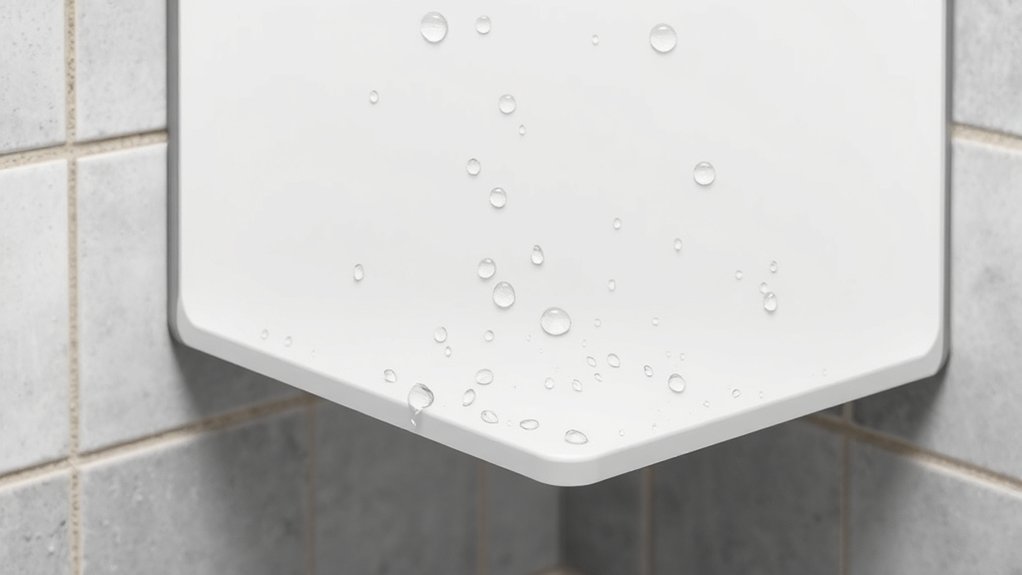
What signs should you watch for that indicate your shower panel’s waterproofing is failing? Look for water seepage at the edges, discoloration, or warping of the panel surface.
Mold or mildew growth between joints often signals moisture infiltration. If you notice peeling paint or bubbling beneath the finish, act promptly.
These issues resemble the precision needed in an art gallery’s climate control. Any lapse leads to damage. Similarly, waterproofing flaws in your shower panel can escalate like a malfunction during space travel, where small breaches cause critical failure.
Check seals and caulking regularly; cracks or gaps compromise waterproof integrity. Early detection prevents water damage behind the panel, which can cause structural issues and costly repairs.
Stay vigilant to maintain a dry, secure shower environment.
Maintaining and Replacing Your Shower Panel
When should you perform maintenance or consider replacing your shower panel to ensure lasting waterproof protection? Regularly inspect and maintain your panel to prevent water ingress and structural damage. Prioritize durability testing results from manufacturers to assess longevity and waterproof integrity.
You should maintain replacement schedules based on visible wear or performance decline. Key actions include:
- Check seals and joints for cracks or gaps that compromise waterproofing.
- Clean and remove mineral buildup to avoid corrosion and maintain functionality.
- Monitor panel surface for warping or delamination indicating urgent replacement.
Frequently Asked Questions
Can Shower Panels Be Installed Over Existing Tiles?
You can install shower panels over existing tiles, ensuring proper tiling compatibility. This installation method saves time and allows customization, but you must securely prep the surface and use waterproof adhesives for a durable, watertight finish.
Do Shower Panels Require Professional Installation?
You don’t always need professional installation for shower panels, but it’s recommended to ensure proper tile compatibility and waterproof sealing.
Skilled installers help prevent leaks, maintaining durability and guaranteeing a precise, secure fit in your bathroom.
How Long Do Shower Panels Typically Last?
You know what they say: “Measure twice, cut once.” With proper installation timing, shower panels offer lasting durability, typically lasting 10-20 years.
Your care during setup and maintenance directly impacts their performance and lifespan.
Are Shower Panels Eco-Friendly or Recyclable?
You’ll find many shower panels eco friendly and recyclable, especially those made from sustainable materials. They maintain the integrity of materials during manufacturing, ensuring durability while minimizing environmental impact through responsible sourcing and end-of-life recycling options.
Can Shower Panels Be Customized to Fit Irregular Shower Spaces?
Think of your shower as a canvas, where customization options transform irregular spaces into a tailored masterpiece. You can precisely adapt panels to fit unique dimensions, ensuring a seamless, functional, and visually appealing shower enclosure every time.