Are All Pfister Shower Valves the Same
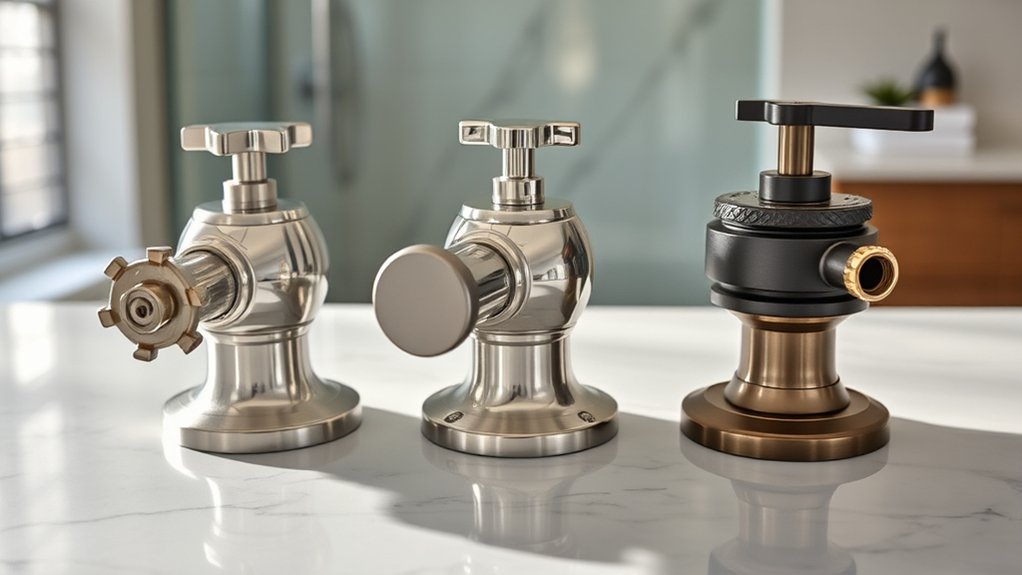
You might assume all Pfister shower valves are the same, but they actually differ in design, material, and control mechanisms.
Whether you need pressure-balancing or thermostatic control, compatibility with your plumbing, or specific installation features, these variations impact performance and safety.
Understanding these distinctions is essential before choosing the right valve for your setup—especially when water pressure and temperature regulation come into play.
Taking time to select the appropriate Pfister shower valve ensures both comfort and reliability in your bathroom.
Key Takeaways
- Pfister offers different types of shower valves, including pressure-balancing, thermostatic, and diverter valves, each serving distinct water control needs.
- Valve designs vary in temperature regulation features, materials, and compatibility with plumbing systems and fixtures.
- Pfister valves differ in installation requirements, pipe compatibility, and mounting depth based on model and plumbing setup.
- Performance varies among valves, with pressure-balancing controlling pressure fluctuations and thermostatic providing precise temperature control.
- Aesthetics and finishes differ to match bathroom styles, balancing visual appeal with robust internal mechanisms and durability.
What Types of Pfister Shower Valves Are Available
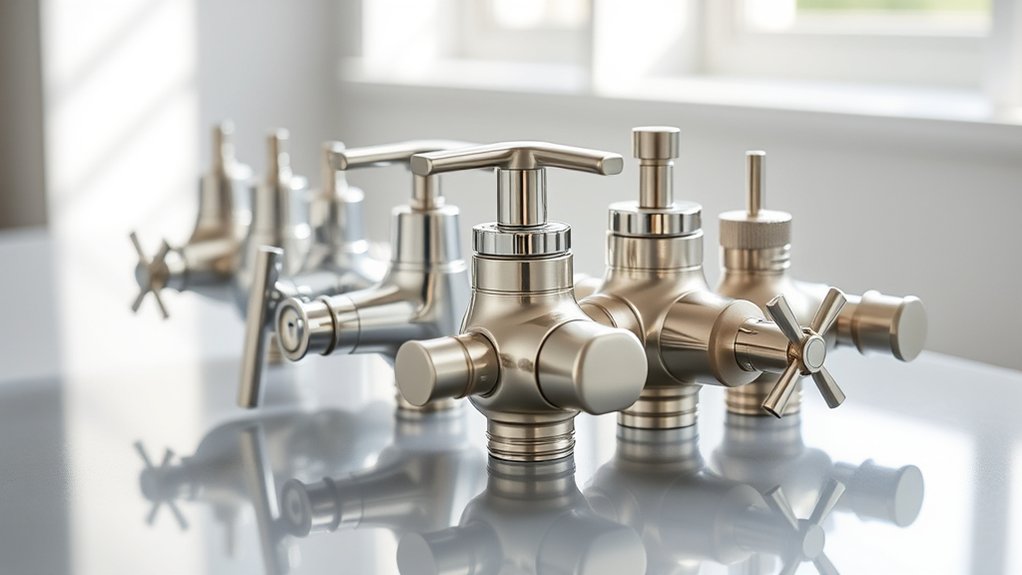
What types of Pfister shower valves can you choose from? Pfister offers several valve types, including pressure-balancing, thermostatic, and diverter valves, each designed for specific control over water temperature and flow.
When selecting a valve, consider install compatibility with your existing plumbing system to ensure seamless integration. Pfister valves feature durable ceramic disc cartridges, reducing maintenance needs and enhancing longevity.
Additionally, they come with comprehensive warranty coverage that safeguards against defects and performance issues, providing peace of mind. Knowing the exact valve type helps you optimize your shower system’s efficiency and safety.
Pfister Valves for Different Plumbing Setups
You’ll find Pfister offers various valve types designed to fit different plumbing setups. Each valve has specific compatibility requirements with fixtures, so choosing the right one is essential.
Installation procedures also vary, depending on your plumbing configuration and valve model.
Valve Types Overview
How do different Pfister shower valves accommodate various plumbing setups? Pfister offers several valve types tailored to distinct system requirements, including pressure-balancing, thermostatic, and diverter valves.
Each valve type is engineered with specific valve materials, such as brass or durable plastic composites, to ensure corrosion resistance and longevity under varying water pressures. Their design aesthetics also complement different bathroom styles, allowing you to maintain visual coherence while upgrading functionality.
Pressure-balancing valves regulate water temperature by adjusting pressure fluctuations, ideal for standard setups. Thermostatic valves provide precise temperature control, suitable for complex plumbing systems. Diverter valves enable multiple water outlets, enhancing versatility.
Understanding these valve types helps you select the right Pfister valve that matches your plumbing configuration, ensuring optimal performance without compromising design quality.
Compatibility With Fixtures
When selecting a Pfister shower valve, compatibility with your existing fixtures and plumbing setup is critical to guarantee seamless installation and optimal performance. Pfister valve compatibility depends on factors like pipe size, connection type, and pressure requirements.
You need to ensure the valve matches your plumbing layout, whether copper, PEX, or CPVC. Additionally, Pfister offers valves designed for both single-handle and multi-handle systems, so pick one that aligns with your control style.
Beyond mechanical fit, consider shower valve aesthetics, as Pfister designs integrate with various trim kits and finishes. This ensures your new valve complements your bathroom’s look without compromising function.
Properly matching Pfister valves to your fixtures prevents leaks, uneven water flow, and installation complications.
Installation Requirements Differences
Why do installation requirements vary among Pfister shower valves for different plumbing setups? The primary reason lies in the valve’s design compatibility with your water supply system, pipe material, and wall structure.
When you consider discussion ideas around installation differences, you’ll find that some valves are designed specifically for copper pipes, while others accommodate PEX or CPVC. Additionally, trim compatibility and rough-in dimensions impact your installation approach.
For example, pressure-balancing valves may require different mounting depths compared to thermostatic valves. You must also account for local plumbing codes and water pressure variations.
Understanding these installation differences ensures you select the proper Pfister valve model and avoid costly adjustments. By addressing these factors, you streamline your plumbing setup and achieve reliable performance tailored to your specific configuration.
How to Choose the Right Pfister Shower Valve for Your Bathroom
Where do you start when selecting a Pfister shower valve that fits your bathroom’s specific needs? Begin by assessing the valve’s compatibility with your existing plumbing and desired control type.
Choosing finishes is crucial. Not only should the finish complement your bathroom’s design, but it must also resist corrosion and wear. Next, conduct price comparisons across models with similar features to ensure you get value without compromising quality.
Consider factors such as valve durability, warranty, and ease of maintenance. Pay attention to whether the valve supports single or multiple outlets, as this affects functionality.
How Water Pressure Affects Your Pfister Shower Valve Choice
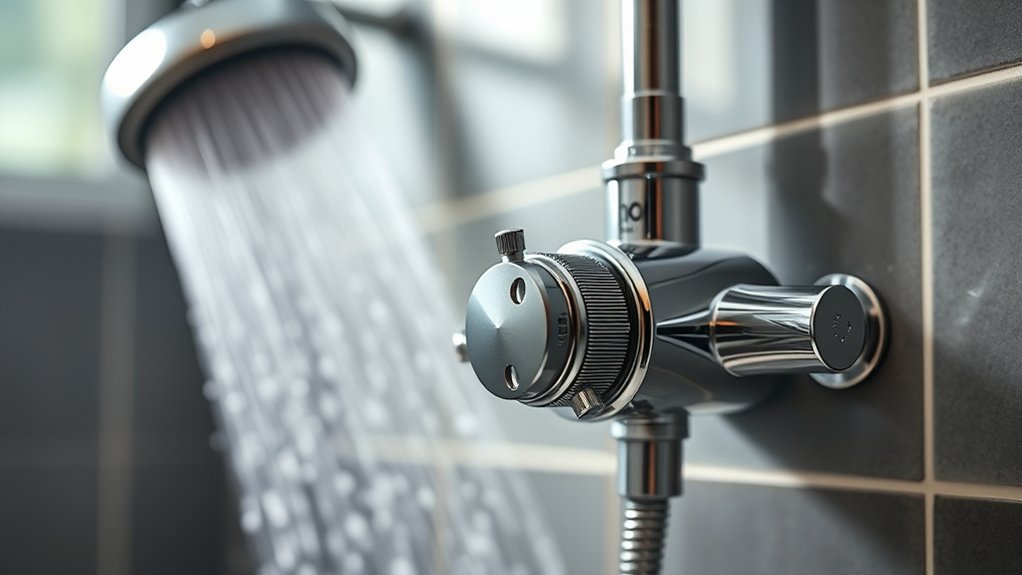
Selecting the right Pfister shower valve goes beyond finish and functionality; water pressure plays a key role in valve performance and user experience. When choosing your valve, you need to consider the water flow rate your plumbing system can sustain.
Low water pressure can reduce flow, causing inconsistent temperature or weak spray, while excessively high pressure may strain the valve components. Proper pipe sizing directly influences water flow and pressure stability at the valve.
Undersized pipes limit flow, impairing valve efficiency, whereas correctly sized pipes ensure optimal pressure and consistent delivery. Understanding your home’s water pressure and matching it with a Pfister valve designed to operate within that range ensures reliable performance, durability, and a satisfying shower experience.
How Pfister Pressure-Balancing Valves Work
How does a Pfister pressure-balancing valve maintain your shower’s temperature despite sudden changes in water pressure? It uses a mechanical piston or diaphragm that senses shifts in hot and cold water pressures.
When you flush a toilet or run a faucet, these pressure changes could cause a temperature spike or drop. The valve instantly adjusts, balancing the pressure to keep the temperature steady.
This precise mechanism prevents scalding or chilling without requiring complex electronics or unrelated topics like digital controls. Understanding these ideas helps you see why pressure-balancing valves are reliable for protecting your comfort and safety.
Unlike thermostatic valves, pressure-balancing valves respond directly to pressure fluctuations, not temperature sensors, ensuring consistent water temperature during your shower.
How Pfister Thermostatic Shower Valves Work
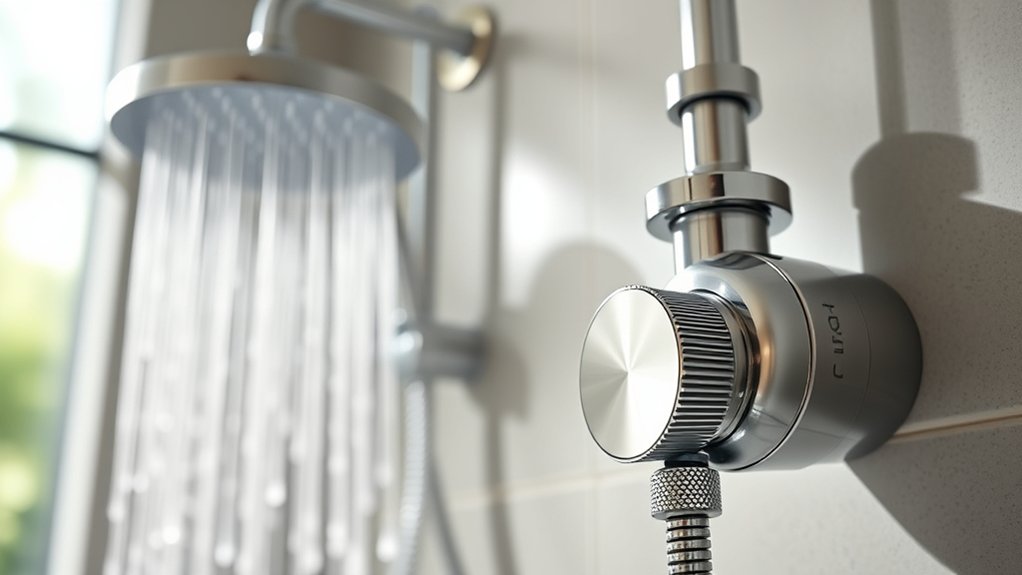
While pressure-balancing valves adjust to changes in water pressure to keep your shower temperature steady, thermostatic shower valves operate differently by actively monitoring and regulating water temperature. You’ll find a thermostatic element inside the valve that senses the water temperature and adjusts the mix of hot and cold water accordingly.
This precise control prevents sudden temperature fluctuations, enhancing safety and comfort. Pfister designs their thermostatic valves with valve durability in mind, using corrosion-resistant materials to ensure long-term performance.
Additionally, by maintaining a consistent temperature without the need for manual adjustments, these valves contribute to water conservation by reducing unnecessary water waste during temperature tuning. Understanding this mechanism helps you appreciate the technical advantages Pfister thermostatic valves offer in modern shower systems.
Comparing Temperature Control Features of Pfister Valves
What sets Pfister valves apart in temperature control? Their advanced thermostatic technology maintains water temperature within a narrow margin, preventing spikes or drops even when water pressure fluctuates.
You’ll find that some models offer precise digital temperature displays, while others rely on ergonomic, tactile controls for intuitive adjustments.
When comparing temperature control features, consider how valve aesthetics align with your bathroom design without compromising functionality. Pfister’s range balances sleek finishes with robust internal mechanisms.
Price comparisons reveal that enhanced temperature regulation features typically come at a premium, but the investment pays off through increased safety and comfort.
Ultimately, you can select a Pfister valve that matches your performance needs and budget while ensuring consistent, reliable temperature control.
Pfister Shower Valve Installation Differences
Beyond temperature control, Pfister shower valves differ considerably in their installation requirements. When selecting a valve, you need to consider the specific model’s compatibility with your existing plumbing setup.
Some valves require standard ½-inch or ¾-inch connections, while others need specialized fittings or adapters. This variation often becomes a focal point in discussion ideas among professionals and DIYers, especially when addressing installation challenges such as wall depth and rough-in measurements.
Additionally, certain Pfister valves demand precise alignment and secure mounting to ensure optimal function and prevent leaks. Understanding these differences ahead of time helps you avoid costly adjustments during installation.
Maintaining Your Pfister Shower Valve
Since Pfister shower valves regulate water flow and temperature daily, proper maintenance is essential to sustain their performance and extend their lifespan. Start with a maintenance checklist that includes inspecting for leaks, cleaning valve cartridges, and checking for mineral buildup.
Regularly lubricate O-rings and seals to prevent wear and ensure smooth operation. If you notice inconsistent water pressure or temperature fluctuations, common repair tips involve replacing worn cartridges or tightening connections.
Always shut off water supply before performing any repairs to avoid damage. Using manufacturer-approved parts ensures compatibility and durability.
Frequently Asked Questions
Are Pfister Shower Valves Compatible With All Pfister Faucet Models?
You shouldn’t assume Pfister shower valves fit all faucet models. Valve compatibility varies due to design specifications and installation requirements.
Always verify model numbers and consult technical documentation to ensure proper valve-faucet integration and avoid compatibility issues.
Do Pfister Shower Valves Come With a Warranty?
Think of Pfister’s warranty coverage like a safety net beneath a trapeze artist, reliable but specific. You’ll want to check compatibility considerations carefully, as warranty terms often depend on correct installation and matching Pfister components for full protection.
Can Pfister Valves Be Used in Commercial Buildings?
You can use Pfister valves in commercial buildings, but ensure Pfister compatibility with local codes and water pressure requirements.
Pay close attention to installation considerations like durability and flow rates to guarantee optimal performance and compliance.
Are Replacement Parts for Pfister Shower Valves Readily Available?
You won’t find replacement parts hiding in a secret vault. Pfister’s availability questions are easily answered: replacement parts are widely accessible through authorized dealers and online, ensuring you can maintain your shower valve without hassle or delay.
Do Pfister Shower Valves Support Eco-Friendly Water-Saving Features?
Yes, Pfister shower valves support eco-friendly, water-saving features by integrating flow restrictors and pressure-balancing technology. You’ll reduce water usage without sacrificing performance, making your shower more efficient and environmentally responsible.