Are You a Floor Person
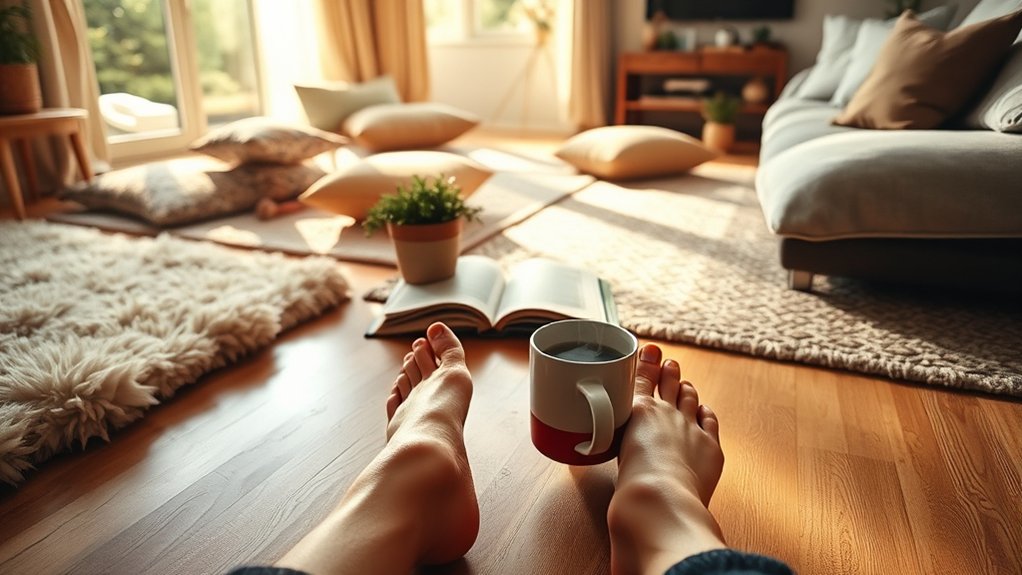
Do you find yourself naturally drawn to sitting or reclining close to the ground? If so, you might be a floor person. This subtle preference often brings a calming effect as you settle into the space around you.
Embracing floor living isn’t just about personal preference—it’s a mindful shift. It invites you to slow down, listen to your body, and create an environment that honors both comfort and presence.
But what does it truly mean to be a floor person? How might this practice influence your daily rhythm and overall well-being? Exploring these questions can reveal new insights into how you connect with your surroundings and yourself.
Key Takeaways
- Being a floor person means feeling grounded and comfortable sitting or reclining directly on the floor.
- Floor sitting encourages mindfulness, presence, and a slower, more connected pace with your environment.
- It promotes better hip flexibility, upright posture, and natural body alignment when practiced mindfully.
- Many people prefer floor sitting due to cultural norms, freedom from chairs, and enhanced community awareness.
- Creating a floor-friendly space with cushions, rugs, and soft lighting supports comfort and long-term floor living.
What Being a Floor Person Really Means
What does it truly mean to be a floor person? It means you’re attuned to the subtle invitation of the ground beneath you, embracing flexibility in your posture and mindset. You’re being mindful of how your body interacts with space, finding comfort in the simplicity of sitting or reclining on the floor.
This practice invites a sense of groundedness and presence, allowing you to connect deeply with your surroundings. You adapt effortlessly, whether cross-legged or stretched out, letting go of rigid routines.
Being a floor person isn’t just about preference. It’s about cultivating awareness and ease in your body’s relationship to the environment, savoring moments where the floor becomes your most natural, supportive place to rest and reflect.
Why Some People Prefer Sitting on the Floor
Why do some people naturally gravitate toward sitting on the floor? You might find it grounding, a way to connect more intimately with your space. Sitting on the floor invites a slower pace, encouraging mindfulness and presence.
It can feel freeing, a break from the confines of chairs and tables. Cultural norms play a big role. If you’ve grown up in environments where floor etiquette is respected, sitting low feels natural and respectful.
You learn the subtle dance of positioning yourself to honor others, embracing humility and community. This practice isn’t just physical; it’s a graceful ritual steeped in tradition.
When you sit on the floor, you tap into a shared history, blending comfort with an unspoken cultural language that few chairs can offer.
Is Sitting on the Floor Good for Your Posture and Health?
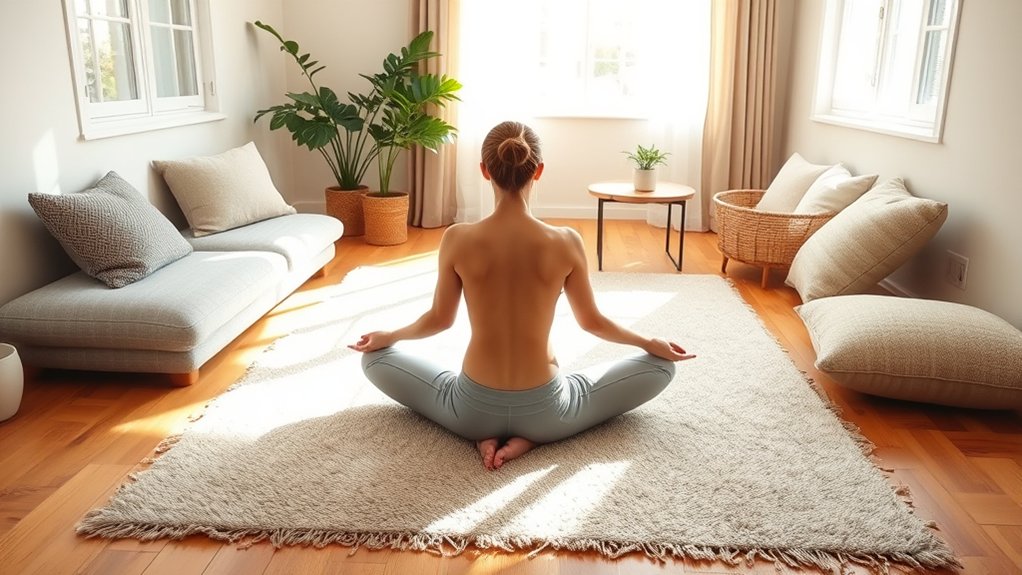
How does sitting on the floor influence your posture and overall health? Embracing floor sitting can enhance comfort ergonomics by encouraging natural spinal alignment and promoting hip flexibility.
Yet, cultural norms often shape your perception of this practice, affecting how comfortably you adopt it. The key lies in mindful positioning to avoid strain.
| Aspect | Benefit | Consideration |
|---|---|---|
| Posture | Encourages upright spine | Risk of slouching if careless |
| Flexibility | Improves hip and leg mobility | May be difficult initially |
| Circulation | Enhances blood flow | Prolonged sitting can numb |
| Comfort Ergonomics | Supports natural body curves | Requires adaptation over time |
How Sitting on the Floor Can Boost Your Mood and Mindset
Where you choose to sit can deeply influence your emotional state and mental clarity. Sitting on the floor invites a grounded connection to your environment, enhancing your mood and sharpening your mindset rituals.
Adopting a floor positive mindset encourages a subtle shift in perspective, calming your mind and fostering presence. Here’s how:
- Encourages mindfulness The simple act of sitting low helps center your thoughts, reducing anxiety.
- Promotes openness Being physically grounded fosters emotional openness and receptiveness.
- Invokes calmness Connecting with the floor’s stability soothes your nervous system.
- Enhances gratitude This humble posture cultivates appreciation for simplicity, uplifting your mood.
Common Challenges Floor People Face (And How to Fix Them)
You’ll notice that managing high stress while staying grounded on the floor requires intentional breath and mindset shifts.
Communicating your needs clearly becomes essential when you embrace this unconventional space.
Let’s explore practical ways to overcome these common hurdles and keep your floor practice thriving.
Managing High Stress
Why does managing high stress feel like an uphill battle when you’re on the floor? The fast pace, constant demands, and unpredictable moments can fray your nerves. To regain control, you need deliberate strategies that honor your body and mind’s limits.
Here’s how to integrate calm into chaos:
1. Anchor to daily rhythms
Align breaks and tasks with your natural energy peaks to maintain balance.
2. Practice quick relaxation techniques
Deep breaths or brief mindfulness pauses reset your focus instantly.
3. Create mini sanctuaries
Find or designate calm spots to retreat for a moment’s peace amid the storm.
4. Set clear micro-goals
Breaking tasks into small steps reduces overwhelm and sharpens your purpose.
Effective Communication Skills
Maintaining calm under pressure often hinges on how well you communicate in the moment. As a floor person, you face constant communication barriers: noise, distractions, and high stakes that can cloud your message.
To cut through the chaos, you need active listening. Focus fully on what others say, catching subtle cues and emotions beneath words. This sharp awareness helps you respond thoughtfully rather than react impulsively.
Clear, concise language paired with steady eye contact dismantles confusion before it starts. When you speak with intention and listen with empathy, you build trust, easing tension and accelerating solutions.
Mastering these skills transforms communication from a hurdle into a bridge, allowing you to navigate the floor’s unpredictable rhythm gracefully and confidently.
Tips to Sit Comfortably on the Floor All Day
How can you transform a hard, cold floor into a comfortable seat that supports you throughout the day? By mastering comfortable seating and respecting floor etiquette, you create a space that feels both inviting and practical. Here’s how:
- Use layered cushions: Combine soft pillows with firm ones to balance support and coziness.
- Mind your posture: Sit with a straight back to avoid strain, switching positions every hour.
- Incorporate a low backrest: Lean against a sturdy surface or a rolled blanket for added stability.
- Respect shared spaces: Keep your area tidy and avoid sprawling to honor floor etiquette.
How to Create a Floor-Friendly Living Space
Where should you start when transforming your living space into a floor-friendly haven? Begin with calm decor that invites relaxation and grounding. Thoughtful rug placement is essential: choose soft, textured rugs that define zones and cushion your seating areas.
Keep the floor clutter-free, and add low seating like floor cushions or poufs for versatility.
| Element | Purpose | Tip |
|---|---|---|
| Rug | Comfort & Zoning | Layer rugs for warmth |
| Cushions | Support & Style | Mix sizes and textures |
| Lighting | Ambiance | Use soft, warm bulbs |
| Storage | Declutter | Opt for low-profile options |
| Plants | Freshness & Calm Decor | Choose air-purifying types |
When to Pick a Chair Instead of the Floor
Why choose a chair over the floor when designing your living space? While floor fashion offers cozy, grounded vibes, there are moments when chair etiquette calls for a shift. Here’s when you should pick a chair instead:
- Formal gatherings: Chairs provide structure and respect, essential for maintaining social grace.
- Extended sitting: Your back will thank you; chairs offer better support than most floor setups.
- Dining experiences: Elevate mealtime with proper seating, blending comfort and style effortlessly.
- Avoiding cold or hard surfaces: Chairs shield you from discomfort and preserve your outfit’s polish.
Balancing floor fashion with the right moments for chair use creates a harmonious living space that’s both chic and considerate. You’ll master the art of comfort and etiquette without sacrificing style.
Frequently Asked Questions
What Cultural Traditions Involve Sitting on the Floor?
You’ll find cultural etiquette in many floor seating traditions like Japanese tea ceremonies, Indian dining, and Middle Eastern gatherings. These practices emphasize respect, mindfulness, and connection, inviting you to engage deeply with tradition and community on the floor.
Are There Specific Floor Types Better for Sitting?
You’ll want to choose comfortable flooring that gently supports your seating posture, like plush carpets or soft tatami mats. These surfaces cradle you subtly, enhancing comfort while encouraging graceful, mindful sitting experiences that soothe body and mind.
How Do Children Benefit From Sitting on the Floor?
You encourage children to adopt beneficial postures that strengthen their core and flexibility while sitting on the floor. This setting fosters mindful play, letting them explore textures and movements with grounded awareness and creative ease.
Can Sitting on the Floor Help With Meditation Practices?
Like a tree rooted deeply, sitting on the floor enhances your sitting posture, grounding you. This stability helps regulate your breathing rhythm, making meditation clearer and more profound, connecting your mind and body seamlessly in stillness.
What Clothing Is Best for Comfortable Floor Sitting?
You’ll want soft, breathable fabrics like cotton or bamboo that move with you. Choose loose, comfortable fabrics that don’t restrict your flow or pinch your skin, creating a calm, serene atmosphere for relaxed floor sitting.
Conclusion
Imagine sinking into a cozy nest of cushions, warm light casting gentle shadows as your body stretches freely, grounded and serene. Embracing floor living invites you to slow down, listen deeply to your body, and find calm in simplicity.
Whether you choose the floor as your daily sanctuary or a momentary retreat, this mindful practice nurtures presence and gratitude—reminding you that sometimes, the soft earth beneath you holds the most comfort and clarity.
If you resonate with this peaceful grounding, perhaps you are a floor person, finding joy and calm in the simple act of connecting with the floor.