Are Shower Poufs Bad
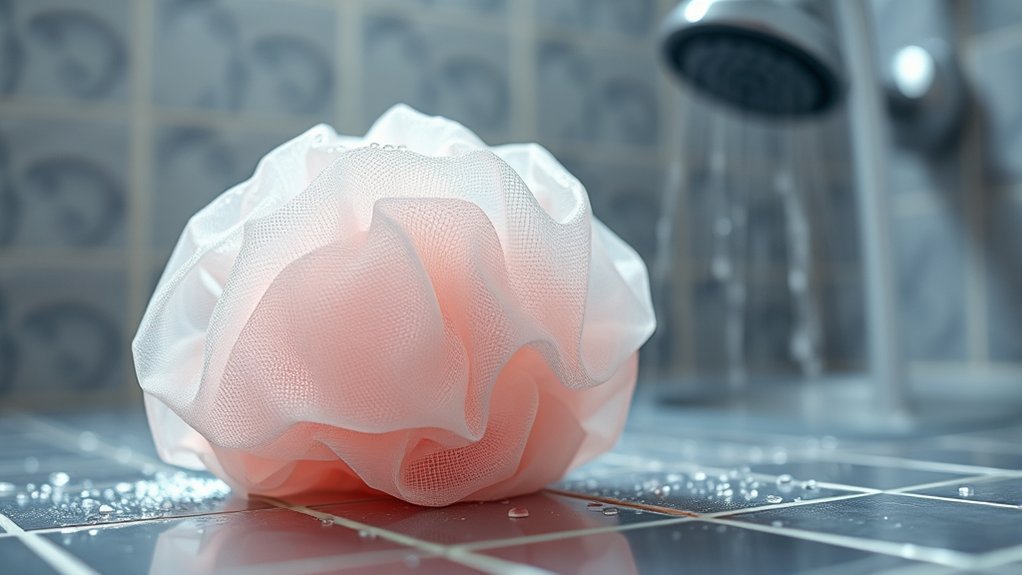
You might wonder if shower poufs are bad for your skin. While they effectively exfoliate and cleanse, their damp, porous nature can create a breeding ground for bacteria and fungi. This risk increases especially if they’re shared or not replaced regularly.
Understanding how shower poufs impact your skin’s health is important. Learning proper maintenance can help you decide if they belong in your shower routine. With the right care, you can enjoy their benefits while minimizing potential harm.
Key Takeaways
- Shower poufs can harbor bacteria due to their warm, moist, and porous environment promoting microbial growth.
- Sharing poufs increases the risk of transferring harmful bacteria and infections.
- Regular cleaning, thorough rinsing, and proper drying reduce but do not eliminate bacterial contamination.
- Replacing poufs every 3-4 weeks is essential to minimize microbial buildup and health risks.
- Non-porous alternatives like silicone scrubbers offer safer, more hygienic exfoliation options.
What Are Shower Poufs and How Do They Clean Your Skin
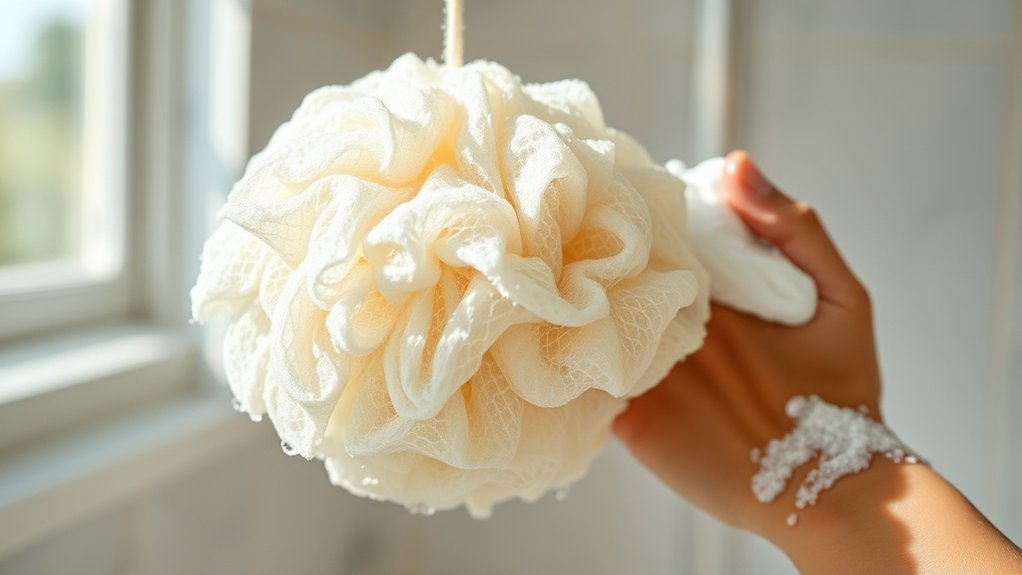
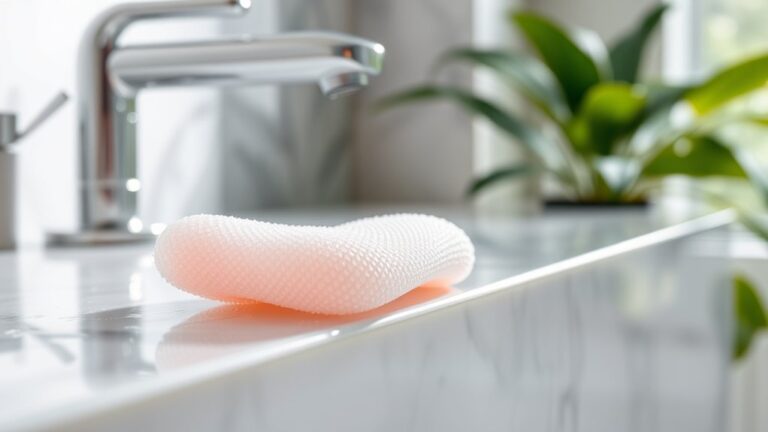
How exactly do shower poufs work to clean your skin? Shower poufs employ mechanical exfoliation by increasing friction, which helps remove dead skin cells and dirt. When you apply soap or body wash, the pouf creates a rich lather that facilitates cleansing.
The effectiveness depends on pouf materials; synthetic fibers like nylon offer durability and optimal lather generation. Choosing fragrance free options minimizes potential skin irritation, especially for sensitive skin types.
The pouf’s textured surface enhances the distribution of cleansing agents, improving overall hygiene. By gently scrubbing, you stimulate circulation and promote smoother skin. However, the primary cleaning action remains the soap, while the pouf aids in spreading and exfoliating, not replacing the chemical cleansing process.
Understanding these functions clarifies why poufs serve as adjunct tools in personal hygiene.
Do Shower Poufs Harbor Harmful Bacteria?
You should know that shower poufs provide a warm, moist environment ideal for bacterial growth. Sharing poufs increases the risk of transferring harmful microbes between users.
Regular cleaning and proper drying are essential to minimize these risks.
Bacteria Growth Conditions
Where do harmful bacteria thrive in your shower environment? Shower poufs create ideal conditions for bacterial growth due to moisture retention and warmth. Despite marketing claims promoting their cleanliness, these items can harbor microbes if not properly maintained.
You should consider these factors influencing bacterial proliferation:
- Constant dampness provides a breeding ground for bacteria and fungi
- Porous materials trap soap residue, feeding microorganisms
- Limited airflow hinders drying, prolonging moisture exposure
- Frequent handling introduces skin flora and potential pathogens
While subscription benefits might encourage regular replacement, understanding these growth conditions helps you mitigate contamination risks. Proper drying and routine sanitation are essential to minimize bacterial colonization on shower poufs.
Clinically, avoiding prolonged moisture exposure is crucial to reduce microbial load effectively.
Risks of Shared Poufs
Why does sharing shower poufs increase the risk of harmful bacterial transmission? When multiple people use the same pouf, they introduce diverse microbial populations, including potentially pathogenic bacteria. The moist, warm environment of the pouf fosters bacterial survival and proliferation.
Studies show that shared poufs can harbor Staphylococcus aureus and other opportunistic pathogens, increasing infection risk, especially for individuals with compromised skin barriers. This subtopic relevance highlights the importance of understanding microbial transmission via shared personal hygiene items.
These discussion ideas emphasize that sharing poufs is not merely a hygiene concern but a potential vector for disease. Recognizing these risks informs safer personal care practices. Consequently, avoiding shared poufs reduces exposure to harmful bacteria, supporting better skin health and lowering infection likelihood.
Cleaning and Maintenance
How often do shower poufs become breeding grounds for harmful bacteria? Studies show that the warm, damp environment of your bathroom can promote bacterial growth on poufs, especially if they’re not cleaned properly. Despite common cleaning myths, simply rinsing your pouf isn’t enough to eliminate microbes.
To maintain hygiene and reduce bacterial buildup, you should:
- Rinse thoroughly with hot water after each use
- Hang your pouf in a dry, well-ventilated area
- Replace the pouf every 3-4 weeks to prevent microbial colonization
- Avoid sharing poufs to reduce cross-contamination risks
Dispelling hygiene myths, effective cleaning requires deliberate actions rather than occasional rinses. By adopting these evidence-based practices, you can minimize bacterial presence and maintain a safer shower pouf environment.
How Shower Poufs Impact Your Skin’s Health
What effects do shower poufs have on your skin’s health? Shower poufs provide mechanical exfoliation, removing dead skin cells and promoting skin renewal. However, this scrubbing action can aggravate skin sensitivity, especially if you have conditions like eczema or rosacea.
Shower poufs exfoliate and renew skin but may irritate sensitive conditions like eczema or rosacea.
Overuse or vigorous scrubbing with shower poufs can disrupt your skin barrier, leading to irritation, redness, or microtears. Additionally, synthetic materials in some poufs may cause mild allergic reactions in sensitive individuals.
While shower poufs effectively enhance lather and cleanse, it’s crucial to adjust your technique and frequency according to your skin’s tolerance. Using gentle pressure and avoiding daily exfoliation can help prevent damage.
Ultimately, shower poufs impact your skin’s health based on your skin type and usage habits, so monitor your skin’s response carefully.
How to Keep Your Shower Pouf Clean and Safe
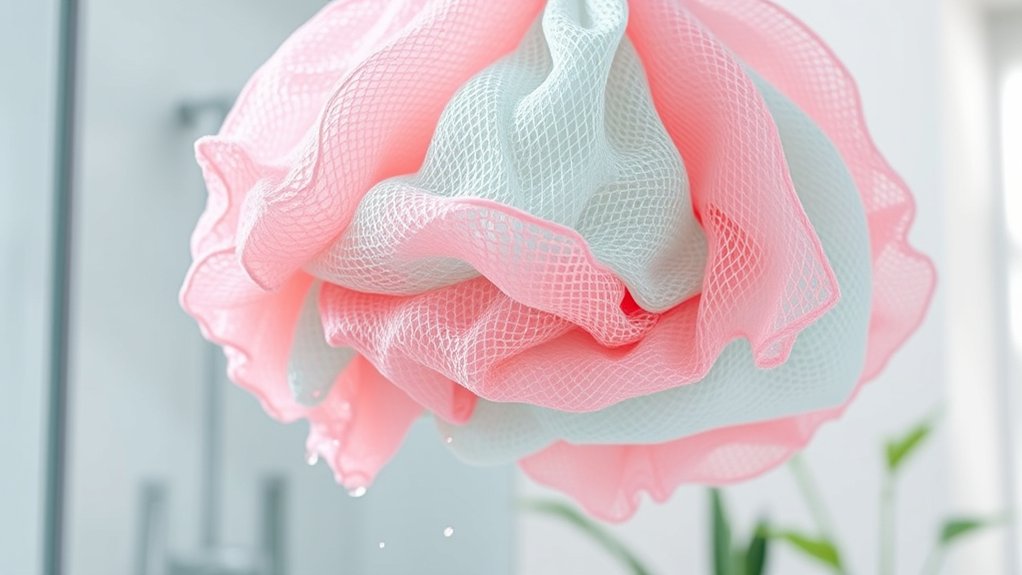
When did you last replace or thoroughly clean your shower pouf? Maintaining its cleanliness is essential to prevent bacterial growth and skin irritation. To keep your pouf safe and hygienic, follow these evidence-based steps:
Rinse thoroughly after each use to remove soap residue and reduce microbial buildup. Squeeze out excess water and hang in a well-ventilated area to dry quickly, minimizing dampness prone to bacteria.
Regularly disinfect with a diluted bleach solution or soak in white vinegar to eliminate pathogens effectively. Dispose of worn-out poufs responsibly, considering recycling concerns due to synthetic materials often used in spa packaging that are not biodegradable.
Adhering to these practices ensures your shower pouf remains a safe part of your skincare routine without contributing unnecessarily to environmental waste.
When Should You Replace Your Shower Pouf?
Why should you pay close attention to the lifespan of your shower pouf? Buildup of bacteria and mold can occur over time, posing risks to your skin health. Experts recommend replacing your pouf every three to four weeks to minimize microbial contamination.
This timeframe balances hygiene concerns with practical use. From a marketing ethics standpoint, companies should provide clear guidance on product lifespan to support consumer safety rather than promoting frequent replacements solely for profit.
Transparent tips for product pricing that reflect product durability can help consumers make informed decisions without unnecessary expenses. By adhering to evidence-based replacement intervals, you protect your skin from potential irritants and infections while encouraging responsible marketing practices that prioritize health over sales.
Gentle Alternatives to Shower Poufs for Exfoliation
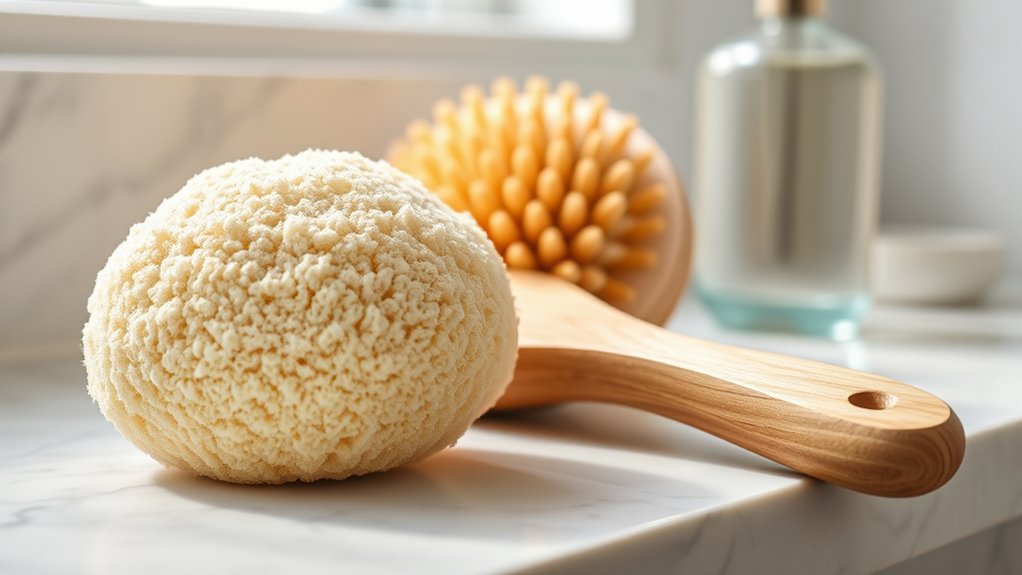
You can choose natural exfoliating tools like loofahs or konjac sponges to reduce skin irritation while effectively removing dead cells.
Soft bristle brushes provide controlled exfoliation and improve circulation without damaging the skin barrier.
Silicone scrubbers offer a hygienic alternative, as their non-porous surface resists bacterial buildup and is gentle on sensitive skin.
Natural Exfoliating Tools
Natural exfoliating tools offer a gentler, more skin-friendly alternative to traditional shower poufs. By promoting natural exfoliation, these tools help remove dead skin cells without causing microtears or irritation.
You’ll also reduce your environmental impact by choosing biodegradable or sustainably sourced materials. Consider these clinically supported options for effective yet mild exfoliation:
- Konjac sponges: Made from natural plant fibers, they gently cleanse and exfoliate.
- Loofahs: Derived from the fibrous interior of the loofah plant, offering moderate exfoliation.
- Walnut shell scrubs: Use finely ground walnut shells in scrubs for natural abrasion but avoid overuse due to potential irritation.
- Cotton washcloths: Soft, reusable, and effective for mild exfoliation.
Selecting these tools ensures you exfoliate responsibly, protecting both your skin’s integrity and the environment.
Soft Bristle Brushes
How do soft bristle brushes compare to traditional shower poufs in exfoliation? Soft bristle brushes offer a gentler mechanical exfoliation method, reducing the risk of microtears and skin irritation often associated with the coarser texture of shower poufs.
Clinical studies indicate that soft bristle brushes effectively remove dead skin cells while preserving the skin’s barrier function. As gentle exfoliants, they stimulate circulation without causing excessive abrasion, making them suitable for sensitive or compromised skin.
When you choose a soft bristle brush, you benefit from controlled exfoliation that promotes skin renewal with minimal inflammation. Unlike shower poufs, which can harbor bacteria due to their dense mesh, soft bristle brushes are easier to clean and dry, reducing microbial contamination.
Thus, they serve as a precise, evidence-based alternative for safe exfoliation.
Silicone Scrubber Benefits
Silicone scrubbers offer several advantages over traditional shower poufs, particularly in their gentle yet effective exfoliation. When you choose a silicone scrubber, you benefit from a design that minimizes skin irritation while enhancing cleansing efficiency.
The silicone benefits include hypoallergenic properties and resistance to bacterial growth, making them more hygienic than conventional poufs. Additionally, scrubber design featuring soft, flexible bristles provides consistent exfoliation without damaging your skin’s natural barrier.
Consider these key silicone benefits:
- Easy to clean and quick-drying, reducing microbial buildup
- Durable, maintaining integrity longer than loofahs or poufs
- Non-porous surface prevents mold and mildew accumulation
- Soft bristles stimulate circulation while being gentle on sensitive skin
Using silicone scrubbers ensures effective exfoliation with improved skin health and hygiene.
Should You Use Shower Poufs in Your Routine?
When considering whether to include shower poufs in your routine, you should evaluate their impact on skin health and hygiene. Clinical studies indicate that shower poufs, due to their porous structure, can harbor bacteria if not cleaned and replaced regularly.
While celebrity endorsements often promote their exfoliating benefits, these claims lack robust scientific validation. Taste testing of skin responses reveals that sensitive skin may experience irritation or microtears from aggressive scrubbing with poufs.
If you choose to use one, ensure you dry it thoroughly between uses and replace it frequently to minimize microbial growth. Alternatively, silicone scrubbers offer a more hygienic option with easier maintenance.
Ultimately, your decision should weigh the potential hygiene risks against the exfoliation benefits, prioritizing skin safety and evidence-based practices.
Frequently Asked Questions
Can Shower Poufs Cause Allergies or Skin Irritation?
You might suddenly feel itching, redness, or bumps, classic irritation symptoms linked to bacteria-laden shower poufs. Their allergy risk rises if you don’t clean them regularly, so replace or sanitize often to protect your skin health.
Are Natural Fiber Poufs Better Than Synthetic Ones?
Yes, natural fiber poufs offer natural fiber benefits like breathability and biodegradability, reducing microbial growth. In contrast, synthetic fiber drawbacks include potential chemical exposure and slower drying, increasing bacteria risk.
Choose based on hygiene and environmental priorities.
How Do Shower Poufs Affect Sensitive or Acne-Prone Skin?
“Better safe than sorry.” If you have sensitive skin or acne-prone concerns, shower poufs can aggravate irritation and clog pores.
Using gentle, non-abrasive cleansing tools helps minimize inflammation and protects your skin’s barrier effectively.
Can Shower Poufs Be Used With Bar Soap?
Yes, you can lather bar soap with a shower pouf. It effectively creates soap suds that feel rich, enhancing cleansing.
However, ensure you rinse and dry the pouf thoroughly to prevent bacterial buildup and maintain hygiene.
Do Shower Poufs Contribute to Environmental Waste?
Like a small pebble causing ripples, shower poufs contribute to environmental waste due to synthetic materials. If you prioritize eco conscious choices, opt for poufs made from biodegradable or recycled materials to improve material sustainability effectively.