Are Shower Mixers Universal
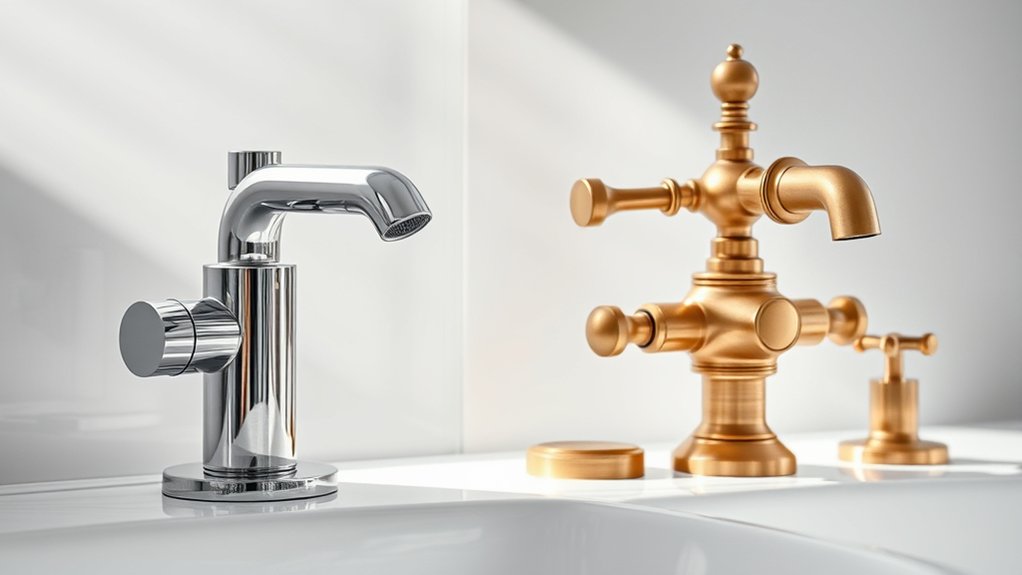
Shower mixers aren’t exactly a one-size-fits-all solution. While shower mixers may look similar at a glance, subtle differences in thread types, cartridge designs, and mounting setups can cause real headaches if you assume they’ll fit seamlessly.
Understanding these nuances is crucial before you swap out your old unit—otherwise, you could face leaks, poor performance, or costly plumbing changes. Let’s explore what you need to check to avoid those pitfalls.
Key Takeaways
- Shower mixers are not universally interchangeable due to variations in thread types, sizes, and regional standards.
- Compatibility depends on matching inlet size, thread type, valve depth, and handle mechanism.
- Manufacturers often use proprietary connections, limiting cross-brand mixer replacements without adapters or modifications.
- Adapters may help minor mismatches but can cause leaks or performance issues if improperly installed.
- Always verify your plumbing’s standards, pipe sizing, and valve specifications before selecting a shower mixer.
Are Shower Mixers Truly Universal? What It Means
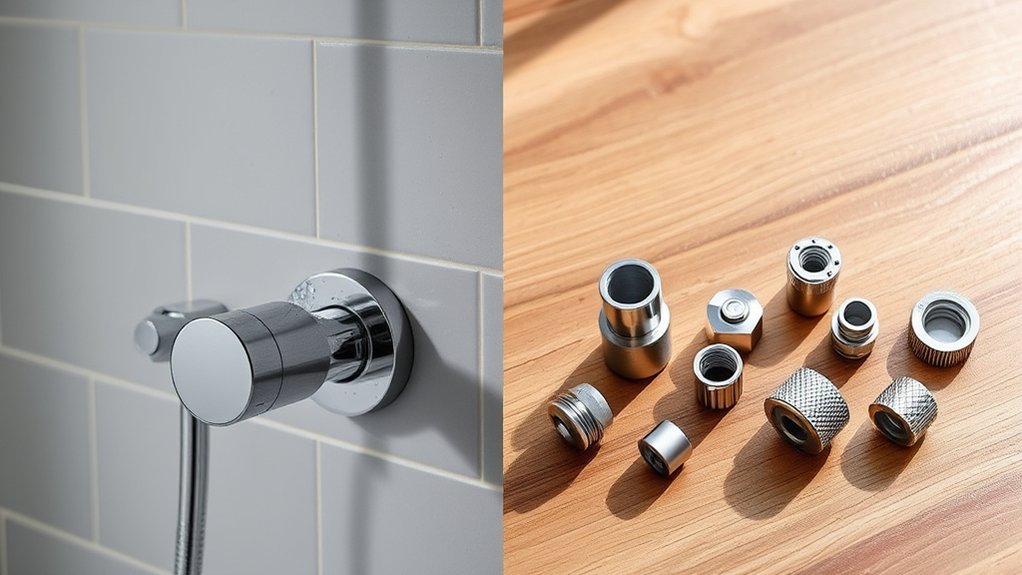
How universal are shower mixers, really? While the term suggests interchangeability, true universality is limited.
Despite their name, shower mixers are rarely fully interchangeable across all systems.
You might expect universal standards to govern all shower mixer connections, but in practice, variations in thread types, sizes, and installation requirements exist. These differences debunk common compatibility myths that imply any mixer fits any system.
Manufacturers often adhere to regional or proprietary standards rather than a single universal protocol, affecting compatibility. When selecting or replacing a shower mixer, you need to verify the specific standards applicable to your plumbing setup.
Relying on the assumption of universality can lead to installation difficulties or performance issues. Understanding these technical constraints ensures you choose components that align precisely with your system’s specifications.
Shower Mixer Types and Their Compatibility Differences
You’ll find several common shower mixer designs, such as thermostatic and manual mixers, each with distinct connection standards. Compatibility often varies between brands due to differences in inlet sizes, thread types, and mounting systems.
Understanding these variations is key to selecting a mixer that fits your existing plumbing without extensive modifications.
Common Shower Mixer Designs
Shower mixers come in several common designs, each with distinct mechanisms that affect compatibility with different plumbing setups. You’ll encounter single-handle mixers, which control temperature and flow with one lever, and dual-handle mixers, offering separate controls for hot and cold water.
Thermostatic mixers maintain a set temperature automatically, while manual mixers require constant adjustment. These design variations influence whether a mixer fits your existing plumbing without modification.
Universal compatibility is rare; each design demands specific inlet sizes and connection types. For example, thermostatic mixers typically need precise plumbing alignment to function correctly.
When choosing a shower mixer, consider how its design aligns with your system’s configuration. Understanding these common designs helps you avoid installation issues and select a mixer that integrates seamlessly.
Compatibility Across Brands
Understanding the variety of shower mixer designs is only part of the equation when selecting the right unit for your plumbing system. You must also consider compatibility across brands. Universal compatibility is rare because manufacturers often use proprietary connections and cartridge designs.
This lack of brand interoperability means you can’t simply swap mixers without verifying fitting standards. When replacing or upgrading, check if the mixer’s inlet size, thread type, and cartridge model match your existing plumbing.
Adapters might resolve minor mismatches but can lead to leaks or reduced performance if not properly installed. To ensure a seamless fit, consult technical specifications or seek mixers explicitly labeled as universal or multi-brand compatible.
Prioritize precision in matching components to avoid costly modifications or system failures.
Why Shower Mixer Connection Sizes and Standards Matter
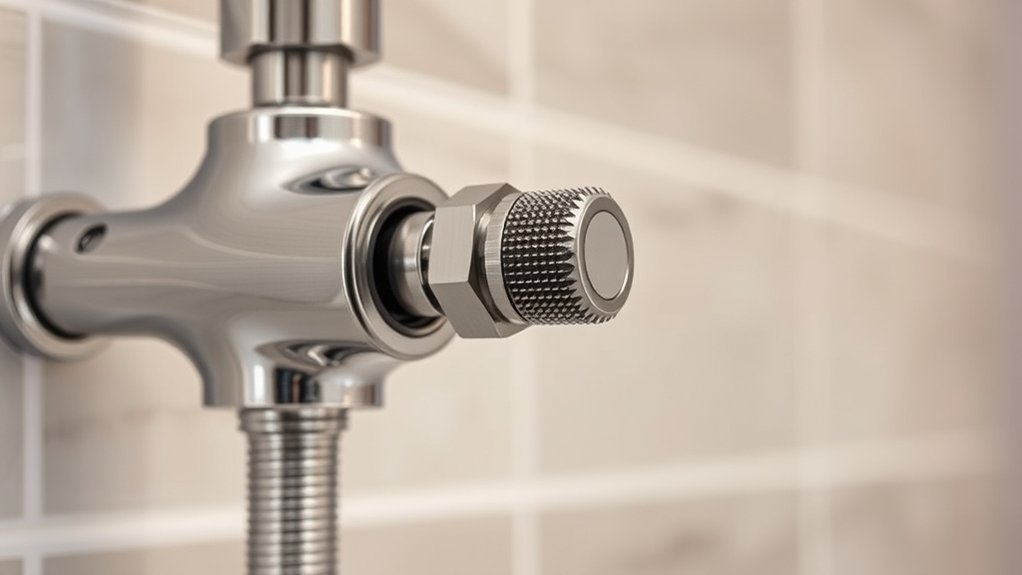
Why do connection sizes and standards play an essential role in selecting a shower mixer? Because they ensure universal compatibility and proper pipe sizing, which prevents leaks and installation issues. If your mixer’s connections don’t match your plumbing, you’ll face costly modifications or replacements.
Here’s a quick reference table to clarify common standards:
| Standard Type | Connection Size | Typical Use |
|---|---|---|
| BSP (British) | 1/2″ | Residential plumbing |
| NPT (American) | 3/4″ | Commercial installations |
| Metric | 20mm | European fixtures |
Understanding these standards helps you pick a shower mixer that fits seamlessly, saving time and money during installation. Always verify your pipe sizing and local standards before purchasing.
How Wall Plumbing Setup Affects Shower Mixer Compatibility
Matching your shower mixer to the wall plumbing setup goes beyond connection sizes and standards. You need to consider pipe location and water pressure, two key factors influencing compatibility.
The exact positioning of hot and cold water outlets affects whether a mixer fits seamlessly or requires adjustments. Inconsistent spacing between inlets can prevent a direct swap, demanding modifications to the existing setup.
Additionally, the two pipe idea, ensuring separate hot and cold water feeds, must align with the mixer’s design. Water pressure variation impacts mixer performance, so verifying your system’s pressure range is essential.
Swapping Shower Mixers Without Changing Pipes
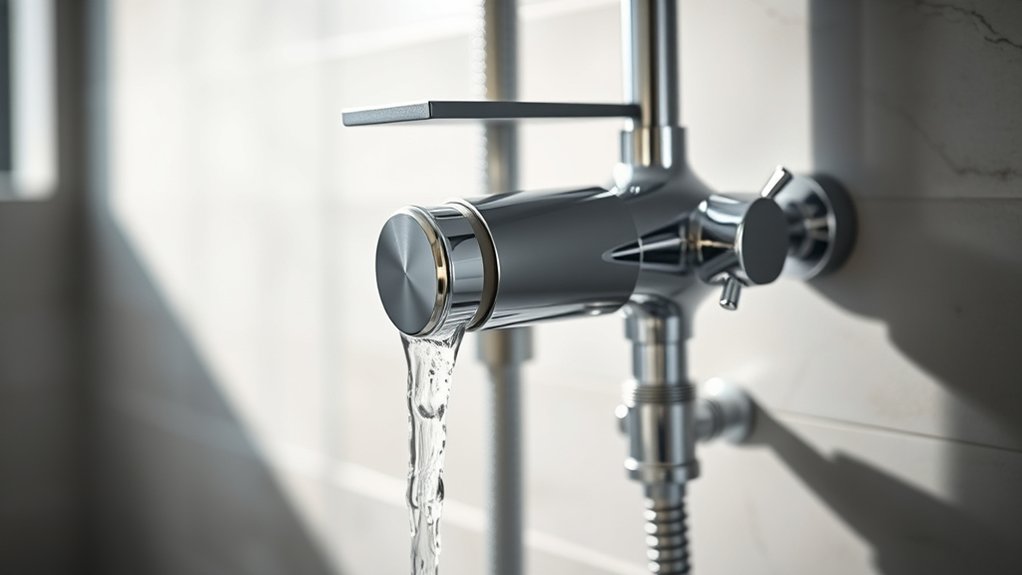
Even if your existing pipes are perfectly positioned, swapping shower mixers without changing pipes requires careful attention to inlet alignment and connection types. You need to verify shift compatibility to ensure the new mixer’s hot and cold inlets match your current plumbing layout.
If the inlets don’t align, modifications may be necessary, which defeats the purpose of avoiding pipe changes. Next, confirm pipe sizing matches the new mixer’s specifications. Incorrect sizing can cause leaks or reduced water flow.
Adapters may help adjust connections but can complicate the setup and impact durability. By focusing on inlet spacing, connection type, and pipe sizing, you can replace your shower mixer efficiently without reworking plumbing, saving time and minimizing installation complexity.
How to Measure Your Shower Mixer Before Buying
Before buying a shower mixer, measure the distance between your wall pipes accurately. Check the type of connections on your current mixer to ensure compatibility.
Also, verify the size of the shower valve to avoid installation issues.
Measure Wall Pipe Distance
Accurately measuring the wall pipe distance is essential when selecting a shower mixer to guarantee proper fit and function. Start by removing the existing mixer and measuring the center-to-center distance between the hot and cold water pipes protruding from the wall.
Use a calibrated tape measure or ruler, ensuring precision to the nearest millimeter, as many shower mixers adhere to metric standards. Keep in mind that older homes may have nonstandard plumbing configurations, so double-check your measurements.
If the pipes aren’t parallel or have irregular spacing, note these discrepancies carefully. Accurate measurement prevents leaks and installation issues, so record your findings before shopping.
This step ensures you avoid buying a mixer incompatible with your wall pipe distance, saving time and avoiding costly modifications later.
Check Mixer Connection Type
How do you determine if a shower mixer’s connection type suits your plumbing setup? First, identify whether your system uses threaded, compression, or push-fit connections by inspecting existing fittings.
Accurate measurement of inlet diameters is crucial, as mismatched sizes cause leaks or pressure loss. Pay close attention to disassembly considerations; some mixers require specific tools or methods to avoid damaging seals or threads during removal.
Understanding water pressure dynamics is essential. Connection types influence flow rates and system stability. For example, threaded connections provide secure seals under high pressure but may need more maintenance.
Verify Shower Valve Size
Once you’ve identified the correct connection type for your shower mixer, the next step is to verify the valve size to guarantee a proper fit. To do this effectively, you need to:
- Remove the existing trim to access the valve and verify valve accessibility.
- Measure the valve’s diameter and depth accurately using a caliper or ruler.
- Check pressure balance settings to ensure compatibility with your new mixer, as mismatched valves can cause inconsistent water temperature.
- Compare these dimensions and specifications to the manufacturer’s guidelines for your chosen shower mixer.
Which Shower Mixer Brands Fit Best (And Which Don’t)
Which shower mixer brands fit best depends largely on the compatibility of their connection standards and design specifications. You’ll find that brands like Grohe, Hansgrohe, and Moen often maintain consistent sizing and threading, making their mixers relatively easy to fit when replacing or upgrading.
However, are compatibility and brand interoperability always guaranteed? Not necessarily. Some budget or niche brands use proprietary connections or non-standard dimensions, complicating cross-brand replacements.
To ensure proper fit, you must verify inlet and outlet sizes, mounting depths, and handle mechanisms. Mixing brands without confirming these factors risks leaks, poor performance, or costly adjustments.
Accordingly, when selecting a shower mixer, prioritize brands with documented interoperability or standardized connections to streamline installation and guarantee a secure, functional fit.
When to Call a Pro for Shower Mixer Replacement
Knowing when to call a professional for your shower mixer replacement can save you time, money, and frustration. While some tasks are manageable, certain issues demand expert intervention. Consider these factors before attempting a DIY fix:
- Complex valve or cartridge issues where no repair is feasible.
- Older plumbing systems that don’t align with current plumbing trends.
- Persistent leaks despite multiple repair attempts.
- Installation involving concealed plumbing requiring specialized tools.
If you encounter any of these, it’s best to engage a licensed plumber. They’ll ensure compatibility with existing systems and follow updated plumbing standards. Attempting replacements without proper expertise can lead to further damage or costly repairs.
Frequently Asked Questions
Can Shower Mixers Help Save Water?
Yes, shower mixers can help you save water by controlling flow and temperature efficiently. Choose eco-friendly models and follow precise installation tips to minimize leaks and optimize performance, ensuring water conservation without compromising comfort.
Are Thermostatic Mixers Safer for Children?
Yes, thermostatic mixers enhance thermostatic safety by maintaining water temperature consistency, preventing sudden scalds or cold shocks.
You’ll protect children effectively since these mixers automatically adjust to stable, safe temperatures during use.
How Do Shower Mixers Affect Water Pressure?
Wondering how shower mixers affect water pressure? They regulate flow based on shower compatibility, so the pressure impact depends on your mixer type and plumbing setup.
Choosing the right mixer guarantees balanced water pressure during use.
Can I Install a Shower Mixer Myself?
You can install a shower mixer yourself, but be aware of DIY installation challenges like ensuring universal compatibility with your plumbing system.
Precise measurements and proper sealing are essential to avoid leaks and maintain water pressure.
Do Shower Mixers Require Regular Maintenance?
Yes, shower mixers require regular maintenance to ensure universal compatibility with plumbing systems and avoid renovation challenges.
You should clean components, check seals, and replace worn parts to maintain optimal performance and prevent leaks.