Are Shower Curtains Supposed to Be Inside or Outside
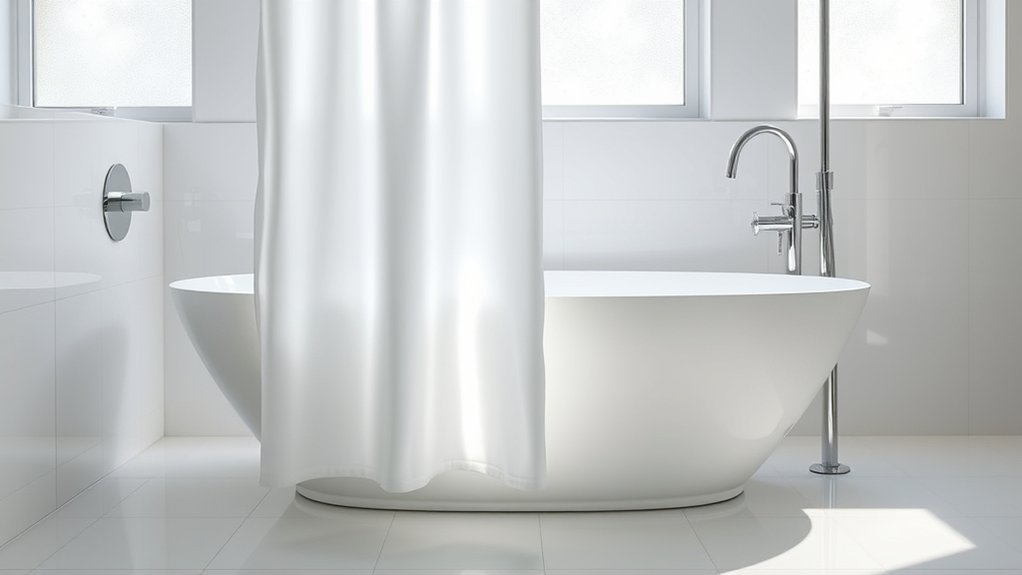
Did you know that nearly 60% of bathroom water damage stems from improper shower curtain placement? Are shower curtains supposed to be inside or outside the tub? You might think the choice is purely aesthetic, but it actually plays a pivotal role in water containment and maintenance.
Understanding how placement affects both function and style can transform your bathroom experience. It’s worth considering which option truly suits your needs before making your next move. Proper placement helps prevent water spills and keeps your bathroom cleaner and safer.
Key Takeaways
- Shower curtains are typically placed inside the tub to prevent water from escaping onto the bathroom floor.
- Inside placement minimizes slip hazards and water damage by containing splashes within the tub.
- Outside placement allows better air circulation, reducing mildew risk but may increase water spills.
- Vinyl or plastic curtains can be placed outside due to their water-resistant properties.
- Double rods enable flexible setups with liners inside for water control and decorative curtains outside for style.
Why Shower Curtain Placement Matters for Your Bathroom
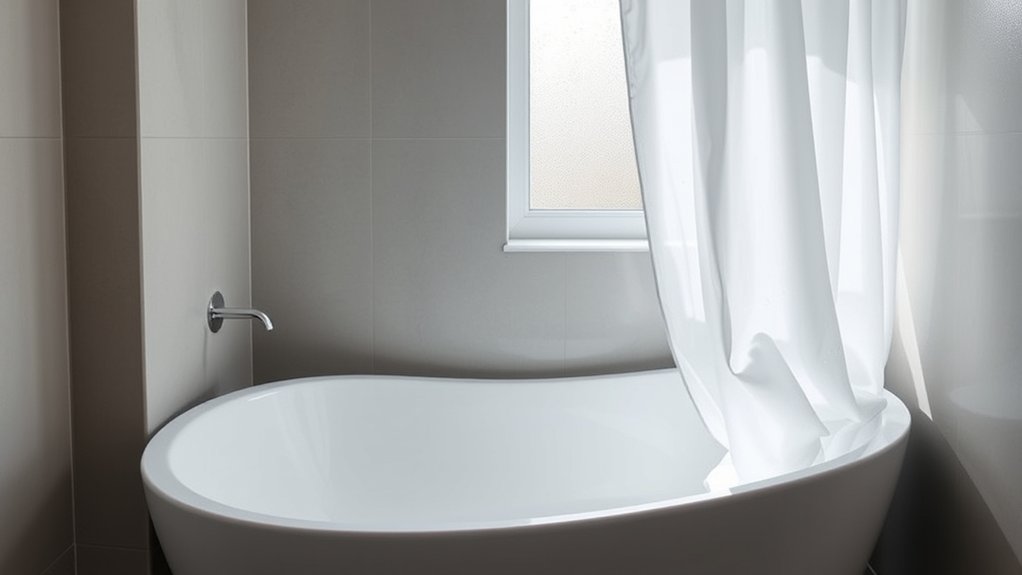
Why does the placement of your shower curtain matter so much? It directly impacts your bathroom’s functionality and appearance. When you position the curtain inside tub edges, you prevent water from escaping onto the floor, reducing slip hazards and potential water damage.
Proper shower curtain placement enhances bathroom safety by keeping water inside the tub and preventing slips.
Conversely, hanging it outside tub edges can cause water to drip onto the bathroom floor if not handled properly. Beyond practicality, placement influences your bathroom’s aesthetic balance.
A curtain inside tub lines offers a sleek, contained look, while outside tub placement can create a more open feeling but risks clutter if water splashes out. Understanding these distinctions helps you maintain a clean, safe space that complements your bathroom’s design.
Your choice plays a pivotal role in both safety and style.
Should You Hang Your Shower Curtain Inside or Outside the Tub?
Choosing whether to hang your shower curtain inside or outside the tub affects both function and style in distinct ways. The inside/outside debate hinges on practical concerns and aesthetic preferences, influenced by curtain height differences.
When deciding, consider:
- Water control: Hanging the curtain inside the tub minimizes splashes and keeps your bathroom floor dry.
- Maintenance: Outside placement reduces mildew risk by allowing better air circulation, but may cause water to drip externally.
- Visual impact: Curtains outside the tub often create an illusion of space, while inside placement emphasizes a clean, minimal look.
Ultimately, you’ll weigh these factors against your bathroom’s design and your daily routine. Understanding curtain height differences will help you achieve an optimal fit, ensuring your curtain hangs correctly whether inside or outside.
How Your Bathroom Layout Influences Curtain Placement
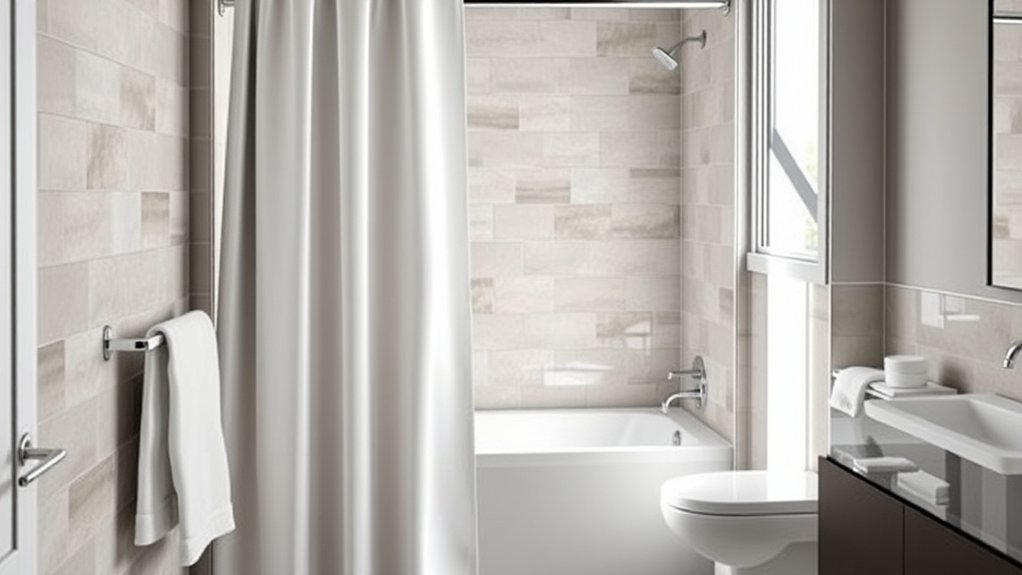
Where you place your shower curtain often depends on the specific layout of your bathroom. If your bathroom has limited space or a narrow tub surround, hanging the curtain inside the tub helps prevent water from splashing onto the floor.
Conversely, if you have a wider ledge or an alcove-style setup, placing the curtain outside might enhance accessibility and aesthetic appeal. Avoid topic mismatch by focusing on spatial factors rather than unrelated concerns like curtain material or color, which don’t influence placement.
Consider how door swings, vanity proximity, and floor drainage affect your decision, ensuring the curtain effectively contains water without obstructing movement. Understanding these layout elements helps you choose the optimal curtain position, marrying function with your bathroom’s design seamlessly.
Pros and Cons of Hanging the Shower Curtain Inside the Tub
Understanding how your bathroom layout influences curtain placement naturally leads to weighing the advantages and disadvantages of hanging the shower curtain inside the tub. When you place the curtain inside tub, you prevent water from splashing out, maintaining a dry floor and reducing slip hazards.
However, this placement can sometimes make the tub feel smaller or cause the curtain to cling uncomfortably to you.
Consider these pros and cons:
- Water containment: Hanging inside tub minimizes water escape.
- Space perception: Inside placement may visually reduce tub space.
- Curtain behavior: Inside tub curtains tend to cling due to water and air pressure.
While inside tub placement excels at water control, it might compromise comfort and spatial feel compared to outside tub options. You’ll need to balance these factors based on your preferences and bathroom design.
Pros and Cons of Hanging the Shower Curtain Outside the Tub
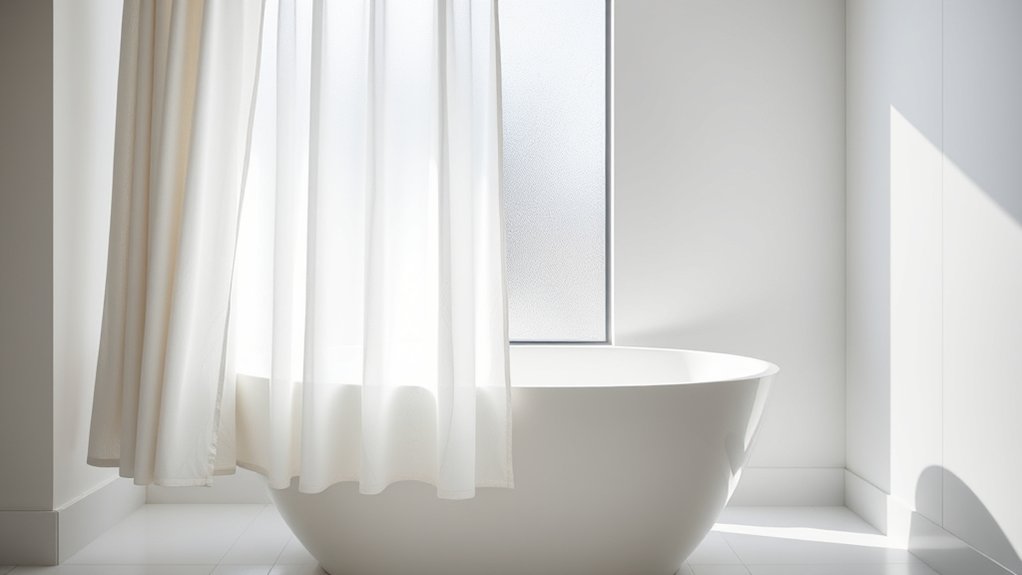
When you hang the shower curtain outside the tub, you gain easier access and a more open feel in your bathroom. However, this position can lead to water escaping the tub area, increasing the risk of spills and slips.
Balancing space and water containment becomes key to making this setup work effectively.
Space and Accessibility
How does hanging your shower curtain outside the tub impact the space and accessibility in your bathroom? Positioning the curtain outside can enhance space efficiency by freeing up the tub edge, making it easier to enter and exit. It also accommodates accessibility devices more effectively, providing extra room for grab bars or shower seats. Consider these factors:
- Increased clearance around the tub edge improves maneuverability.
- Easier installation and use of accessibility devices without curtain interference.
- Expanded visual space, making smaller bathrooms feel less cramped.
However, keep in mind that while space efficiency may improve, the curtain’s placement must still allow comfortable access without obstructing pathways. By thoughtfully hanging the curtain outside, you create a more functional and accessible shower environment tailored to your needs.
Water Containment Issues
Why does the placement of your shower curtain matter for water containment? Hanging the curtain outside the tub can cause water to drip on the bathroom floor, increasing the risk of slips and water damage. While it may seem convenient, this setup challenges effective water containment, demanding extra vigilance.
However, some prefer this arrangement for improved bathroom fengshui, as it visually expands the space and promotes airflow, reducing mold growth. To balance aesthetics with function, ensure the curtain is long enough to direct water away from the floor.
Ultimately, if water containment is your priority, keeping the curtain inside the tub is more practical. But if you emphasize bathroom fengshui and don’t mind occasional splashes, outside placement may suit your style better.
Which Shower Curtain Types Work Best Inside or Outside the Tub?
When choosing a shower curtain, consider how fabric and vinyl materials perform differently inside or outside the tub. You’ll want to look for weighted edges that keep the curtain stable and prevent water from escaping.
Also, think about liner compatibility and the best placement to maintain both function and style.
Fabric Curtains Versus Vinyl
Although both fabric and vinyl shower curtains serve the essential purpose of keeping water inside the tub, choosing the right material can substantially affect their placement and functionality. Fabric curtains, often made of polyester or cotton blends, offer a luxurious feel and are best hung outside the tub to avoid water saturation and mildew.
Vinyl curtains, on the other hand, are waterproof and ideal for inside placement, directly shielding the bathroom floor from splashes.
Consider these points when deciding:
- Fabric curtains provide elegant aesthetics but require proper drying space.
- Vinyl curtains are durable, water-resistant, and easy to clean.
- Vinyl’s flexibility makes it perfect for inside the tub, while fabric’s absorbency suits outside placement.
This understanding ensures your shower curtain complements both style and function effectively.
Weighted Edges For Stability
How do weighted edges enhance the stability of your shower curtain and determine its ideal placement? Weighted edges provide a practical solution to stability issues, ensuring your curtain stays firmly in place during use.
When your curtain has weighted edges, it resists billowing and clinging caused by air currents inside the bathroom. This feature is particularly beneficial for curtains placed inside the tub, where water containment is critical.
Weighted edges help the curtain hang straight and prevent water from escaping the shower area. Conversely, curtains without weighted edges often struggle with stability, especially when positioned outside the tub, as they’re more prone to movement and gaps.
Liner Compatibility And Placement
Which shower curtain types work best inside or outside the tub largely depends on their compatibility with liners and the specific placement needs of your bathroom. When choosing, consider how the shower liner interacts with the curtain and the rod placement:
- Fabric curtains paired with a waterproof shower liner work best inside the tub to prevent water from escaping and protect the fabric.
- Vinyl or plastic curtains can be placed outside the tub, especially with a sturdy rod placement, as they’re naturally water-resistant.
- Double rods allow you to hang a liner inside the tub and a decorative curtain outside, offering flexibility and enhanced water control.
Assess your bathroom’s layout and rod placement to ensure optimal liner compatibility, keeping your space both stylish and functional.
How to Prevent Water Leaks With Your Shower Curtain Setup
Where should you position your shower curtain to keep water from escaping? The key is placing it inside the bathtub or shower base, ensuring the curtain overlaps the tub’s edge completely. This simple step prevents water from dripping onto your bathroom floor, avoiding potential slips or water damage.
Avoid treating curtain placement as an irrelevant topic or unrelated concept; it directly impacts your bathroom’s cleanliness and safety. Additionally, make sure the curtain is long enough to reach the tub’s bottom without pooling excessively.
Securely fastening the curtain at both ends of the rod reduces gaps where water can leak out. Finally, regularly check for tears and replace liners promptly to maintain a watertight barrier. These measures together keep your shower area dry and well-maintained.
Choosing the Right Shower Curtain Rod for Your Bathroom
Ensuring your shower curtain stays securely in place starts with selecting the right shower curtain rod for your bathroom. The ideal rod not only supports your curtain but also complements your bathroom décor and window treatments seamlessly.
To choose wisely, consider:
- Material & Finish: Opt for corrosion-resistant metals like stainless steel or brushed nickel to match other fixtures.
- Rod Type: Decide between tension rods for easy installation, fixed rods for stability, or curved rods to add extra space inside your shower.
- Length & Placement: Measure your shower width accurately and install the rod at a height that prevents water leakage while aligning with window treatments and overall design.
Common Mistakes to Avoid When Hanging a Shower Curtain
How can you make certain your shower curtain functions perfectly without causing water messes or wear issues? First, avoid hanging the curtain too high or too low; improper height compromises water containment and disrupts curtain aesthetics. Make certain the curtain fully covers the tub’s edge to prevent splashes.
Don’t neglect rod maintenance. Regularly check for rust or looseness to ensure stability. Using the wrong type of hooks or rings can cause snagging and premature wear, so select smooth, sturdy options.
Also, avoid mixing liners with heavy decorative curtains without proper support, as this strains the rod and distorts the curtain’s appearance. By addressing these common mistakes, you’ll enhance both the functionality and visual appeal of your shower setup, creating a polished, water-tight bathroom environment.
Frequently Asked Questions
How Often Should I Wash My Shower Curtain?
You should wash your shower curtain every month, especially if it’s placed inside where water accumulates more. Use mold removal techniques like vinegar or baking soda to keep it fresh and prevent mildew buildup effectively.
What Materials Are Best for Shower Curtain Liners?
You’ll want material choices like PEVA or vinyl for shower curtain liners, as they resist water and mold effectively. These materials guarantee durability and mold prevention, keeping your bathroom fresh and hygienic while maintaining a sleek, aesthetic look.
Can I Use a Shower Curtain With a Glass Door?
You can use a shower curtain with a glass door, but ensure shower curtain compatibility by selecting water-resistant materials.
For a seamless glass door pairing, choose a curtain that complements your bathroom’s style while preventing water leaks and mold buildup effectively.
How Do I Remove Mold From a Shower Curtain?
To remove mold, soak your shower curtain in a mixture of vinegar and baking soda, then wash it on a gentle cycle.
Regular curtain maintenance like drying thoroughly prevents mold’s return and keeps your bathroom fresh and clean.
Are There Eco-Friendly Shower Curtain Options?
You’ll find eco-friendly options like organic cotton and PEVA curtains, which reduce plastic waste by 30%. With proper washing frequency every two weeks, you’ll maintain hygiene while embracing sustainable, stylish choices that enhance your bathroom’s aesthetic.