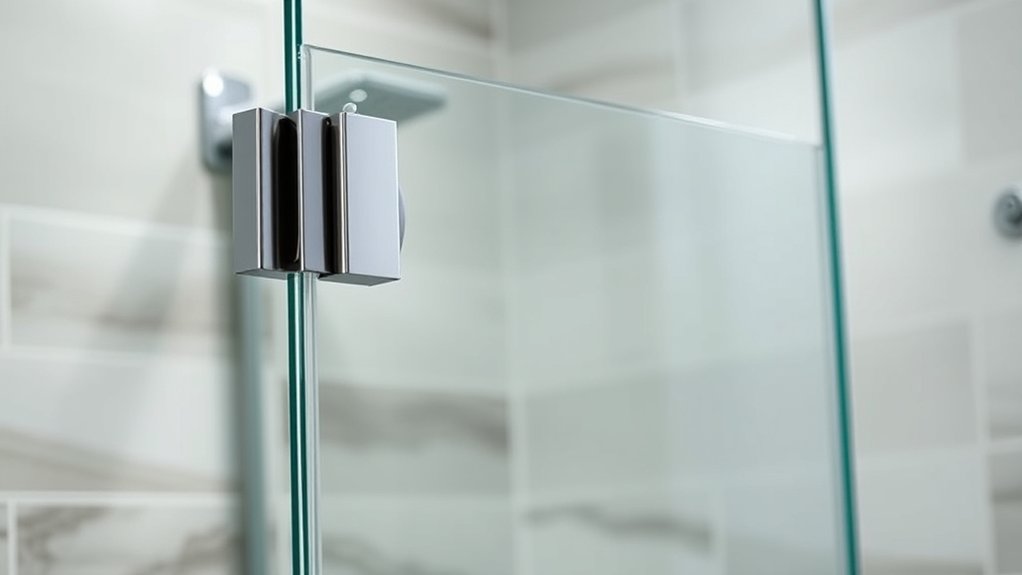
Are Shower Doors Tempered Glass
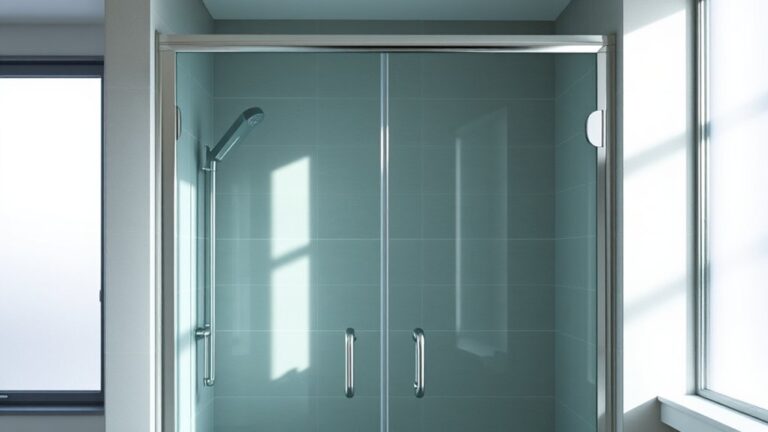
When you consider shower doors tempered glass is often assumed because of safety concerns. Tempered glass undergoes a controlled heating process that makes it stronger and guarantees it breaks into small, blunt pieces rather than sharp shards.
But not every shower door meets these standards—some use annealed glass, which poses greater risks. Understanding how to identify tempered glass and why it matters can help you make a safer, more informed choice.
Key Takeaways
- Many shower doors use tempered glass for enhanced strength and safety, but some budget models may still use standard annealed glass.
- Tempered glass in shower doors breaks into small, blunt granules, reducing injury risk compared to regular glass shards.
- Certified tempered glass shower doors comply with safety standards like ANSI Z97.1 or CPSC 16 CFR 1201 for impact resistance.
- Proper edge treatment (polished or beveled) in tempered glass doors decreases stress points, improving durability and safety.
- Always verify certification labels to ensure a shower door is tempered glass and meets local building codes and safety requirements.
What Is Tempered Glass and Why Is It Safer for Shower Doors
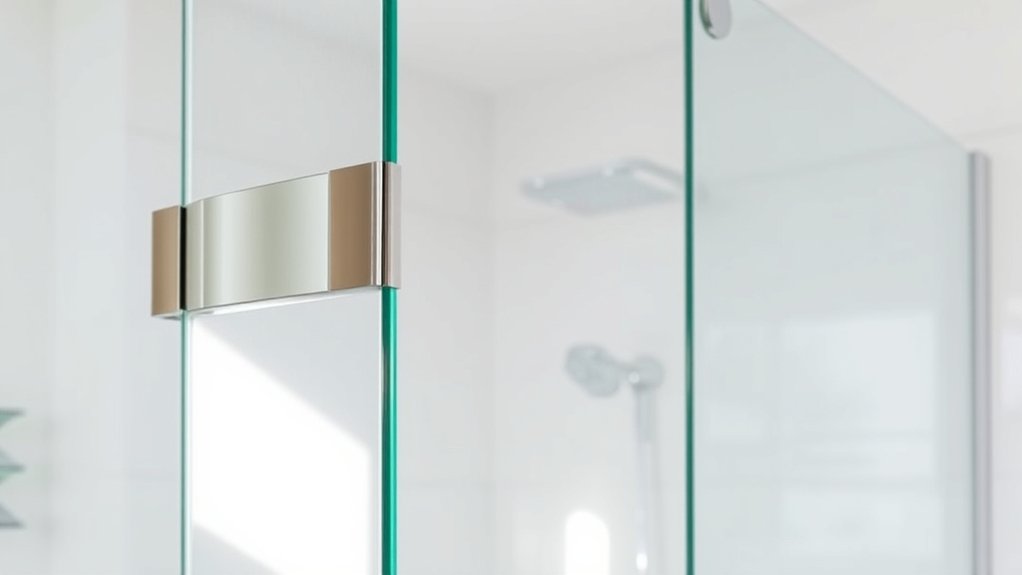
What makes tempered glass the preferred choice for shower doors? Tempered glass undergoes a controlled thermal or chemical treatment, increasing its strength compared to standard glass. This process compresses the outer surfaces while the interior remains under tension, enhancing its durability and resistance to impact.
When you install shower doors made from tempered glass, you benefit from inherent safety features: if the glass breaks, it shatters into small, blunt granules rather than sharp shards, significantly reducing injury risk. Additionally, tempered glass withstands temperature fluctuations and mechanical stress common in bathroom environments.
Are All Shower Doors Made From Tempered Glass?
How can you be sure that your shower door is made from tempered glass? Not all shower doors use tempered glass, despite common assumptions. Manufacturers often emphasize tempered glass benefits through informal marketing, but some budget models still use annealed glass, which lacks the strength and safety of tempered glass.
It’s crucial to verify the glass type since unrelated safety claims can mislead consumers. Look for a small etched label in a corner of the glass, indicating compliance with safety standards like ANSI Z97.1 or CPSC 16 CFR 1201. Without this certification, the glass might not be tempered.
If you want reliable protection from impact and breakage, insist on tempered glass when selecting or replacing shower doors, ensuring compliance rather than relying solely on marketing claims.
How Tempered Glass Breaks Differently From Regular Glass

When glass breaks, the way it shatters depends substantially on its manufacturing process. Tempered glass undergoes controlled thermal or chemical treatments, creating balanced internal stresses. This process causes it to break into small, blunt granules rather than sharp shards, reducing injury risk, a key point in shower door safety.
In contrast, regular annealed glass fractures into large, jagged pieces, posing a greater hazard. Addressing tempered glass myths, some believe it’s unbreakable; however, it does break but in a safer manner.
Understanding these differences clarifies why tempered glass is preferred for shower doors. Its unique fracture pattern enhances safety by minimizing sharp edges, making it a critical component in modern bathroom designs. This knowledge is essential when evaluating shower door materials.
Benefits of Tempered Glass Shower Doors
Why choose tempered glass for your shower doors? Tempered glass offers superior strength and safety compared to regular glass, making it ideal for wet environments where sudden impacts can occur.
It resists the effects of shower chemistry, such as mineral deposits and cleaning agents, better, maintaining clarity and durability over time. You can also enhance privacy without sacrificing light by applying specialized privacy coatings designed for tempered glass.
These coatings reduce transparency while preserving resistance to moisture and chemical wear. Additionally, tempered glass’s thermal stability minimizes the risk of cracking due to temperature fluctuations common in bathrooms.
What Bathroom Codes Say About Tempered Glass
You need to ensure your shower doors meet specific safety requirements outlined in bathroom codes. These codes mandate the use of tempered glass to minimize injury risks from breakage.
Understanding the relevant code compliance standards will help you choose the right glass for your installation.
Safety Requirements Overview
How do building codes guarantee your safety with shower doors? They mandate the use of tempered glass to minimize injury risk. Tempered glass is specially treated to withstand impact and, if broken, shatters into small, blunt pieces instead of sharp shards. This safety requirement ensures you’re protected during everyday use.
Key safety requirements include:
- Tempered glass thickness typically ranges from 1/4″ to 3/8″ for durability.
- Glass must comply with impact resistance tests.
- Installation height and placement must prevent accidental collisions.
- Frames and mounting hardware should securely support tempered panels.
While exploring topic ideas unrelated to other sections, it’s clear these rules prioritize user safety without compromising design. Understanding these safety measures helps you evaluate whether your shower door truly meets code requirements.
Code Compliance Standards
Where do bathroom codes draw the line on tempered glass specifications for shower doors? Building codes, such as the International Residential Code (IRC) and the International Building Code (IBC), mandate tempered glass for shower enclosures within hazardous locations to enhance safety.
You must use tempered glass that meets ASTM C1048 standards, ensuring it can withstand impact and thermal stress without shattering dangerously. Code compliance requires that the glass thickness and edge treatment adhere to specific criteria, typically a minimum thickness of 1/4 inch for residential applications.
Additionally, local amendments may impose stricter requirements, so you should verify with your jurisdiction. By following these code compliance standards, you ensure your shower doors provide maximum safety while meeting legal obligations, reducing liability risks and enhancing occupant protection.
How to Check If Your Shower Door Is Tempered Glass
Wondering whether your shower door is made from tempered glass? Verifying this ensures safety and addresses privacy concerns effectively. Start by looking for an etched label or stamp, typically found in a corner, indicating “Tempered” or “Safety Glass.”
If the marking’s absent, carefully tap the glass with a metal object. Tempered glass produces a distinct, sharp sound compared to regular glass. You can also perform the polarized lens test: hold polarized sunglasses against the glass; tempering creates visible dark spots or patterns.
Finally, review any documentation or receipts from installation for specifications. When verifying tempered glass, consider privacy concerns and maintenance tips, as tempered glass resists fogging and is easier to clean, making it ideal for shower doors.
When to Replace Your Shower Door With Tempered Glass
When should you replace your shower door with tempered glass? If your current door is made from fake glass or exhibits cracks, chips, or clouding, it’s time to upgrade. Fake glass lacks the structural integrity and safety features of tempered glass, increasing the risk of shattering.
Additionally, if you’ve applied privacy film that’s peeling or deteriorating, it may compromise visibility and aesthetics, signaling the need for a replacement. Tempered glass offers enhanced durability, safety, and clarity, resisting impact and thermal stress better than standard glass.
Replacing your shower door with tempered glass ensures compliance with safety standards and improves longevity. Prioritize professional installation to maintain the glass’s tempered properties and avoid future safety hazards or damage.
What People Get Wrong About Shower Door Glass
You might assume all shower doors use the same type of glass, but there are key differences between tempered and laminated options. Understanding the specific safety features built into tempered glass can clarify why it’s often preferred.
Let’s clear up common misconceptions about the durability and performance of shower door glass.
Glass Types Commonly Used
How do you distinguish between the different glass types used in shower doors? In the glass trade, understanding product labeling is essential to identify glass varieties accurately.
Shower doors commonly feature these glass types:
- Tempered Glass: Heat-treated for strength and safety, breaks into small granular pieces.
- Laminated Glass: Consists of two glass layers bonded with a plastic interlayer, holds shards together upon breakage.
- Annealed Glass: Standard glass without heat treatment, breaks into large sharp shards; rarely used due to safety concerns.
- Frosted or Textured Glass: Can be tempered or laminated but altered for privacy with surface treatments.
Recognizing these types through product labeling ensures you select the right glass for durability and safety, avoiding common misconceptions about shower door glass.
Safety Features Explained
Why do so many misunderstand the safety features of shower door glass? It boils down to common safety myths that cloud these topics. You might think shower doors simply block water, but tempered glass used here is engineered to enhance safety.
This glass undergoes controlled thermal or chemical treatments, increasing its strength and changing its breakage pattern. When tempered glass breaks, it shatters into small, blunt granules rather than sharp shards, reducing injury risk.
You should know that this is a deliberate safety feature, not a flaw. Understanding these precise safety mechanisms clears up misconceptions and informs better choices. So, don’t fall for myths suggesting ordinary glass or untreated glass is just as safe.
It’s not. The safety design behind tempered glass is crucial for your protection.
Misconceptions About Durability
Beyond understanding the safety features of tempered glass, many people hold inaccurate beliefs about its durability. Misleading myths often exaggerate its resistance or underestimate potential vulnerabilities. You should know tempered glass is engineered for strength but isn’t indestructible.
Durability myths include assumptions that it’s scratch-proof or immune to stress fractures, which isn’t true. Instead, tempered glass offers enhanced thermal and mechanical resistance compared to standard glass, but it can still break under sharp impacts or improper installation.
Consider these points to clear up common misconceptions:
- Tempered glass resists heat better but can suffer from edge damage.
- It’s more impact-resistant but not unbreakable.
- Scratches weaken its structural integrity over time.
- Improper handling during installation often causes premature failure.
Understanding these facts helps you make informed decisions about shower door glass.
Tips for Choosing the Right Tempered Glass Shower Door
When selecting tempered glass for your shower door, you’ll want to contemplate factors such as thickness, safety standards, and edge treatment. Start by choosing tempered glass with a minimum thickness of 3/8 inch (10mm) to ensure structural integrity and resistance to impact.
Verify that the glass meets recognized safety glazing standards, like ANSI Z97.1 or CPSC 16 CFR 1201, which certify its ability to shatter into small, blunt pieces rather than sharp shards. Additionally, examine the edge treatment. Polished or beveled edges reduce stress points that could cause premature failure.
Consider coatings or finishes that enhance water repellency and ease of maintenance without compromising safety. Finally, consult with certified installers to ensure proper fitting and compliance with local building codes, guaranteeing both durability and safety in your shower enclosure.
Frequently Asked Questions
Can Tempered Glass Shower Doors Be Customized With Designs?
Yes, you can customize tempered glass shower doors with custom designs and decorative patterns. Techniques like sandblasting, etching, or applying vinyl films allow you to create precise, durable, and visually appealing designs tailored to your preferences.
How Do I Clean and Maintain Tempered Glass Shower Doors?
You’ll appreciate that 80% of glass damage stems from improper cleaning. Use non-abrasive cleaners and soft cloths for cleaning tips, and avoid harsh scrubbing to ensure scratch prevention, maintaining your tempered glass shower door’s clarity and durability.
Are Tempered Glass Shower Doors More Expensive Than Regular Glass?
Yes, tempered glass cost is higher than regular glass due to safety benefits and durability. However, with advanced glass door customization options, you can tailor designs efficiently, balancing cost and aesthetics to fit your specific shower requirements precisely.
Can Tempered Glass Shower Doors Be Repaired if Scratched?
When your tempered glass shower door wears a scratched scar, you can’t fully repair it, but minor scratches may be buffed out carefully.
For lasting beauty, consider decorative customization to mask blemishes and enhance durability.
Do Tempered Glass Shower Doors Affect Bathroom Lighting?
Tempered glass shower doors minimally affect bathroom lighting due to their clarity and strength. You’ll notice enhanced shower door aesthetics without significant lighting impact, as tempered glass maintains transparency while providing safety and durability in your bathroom design.