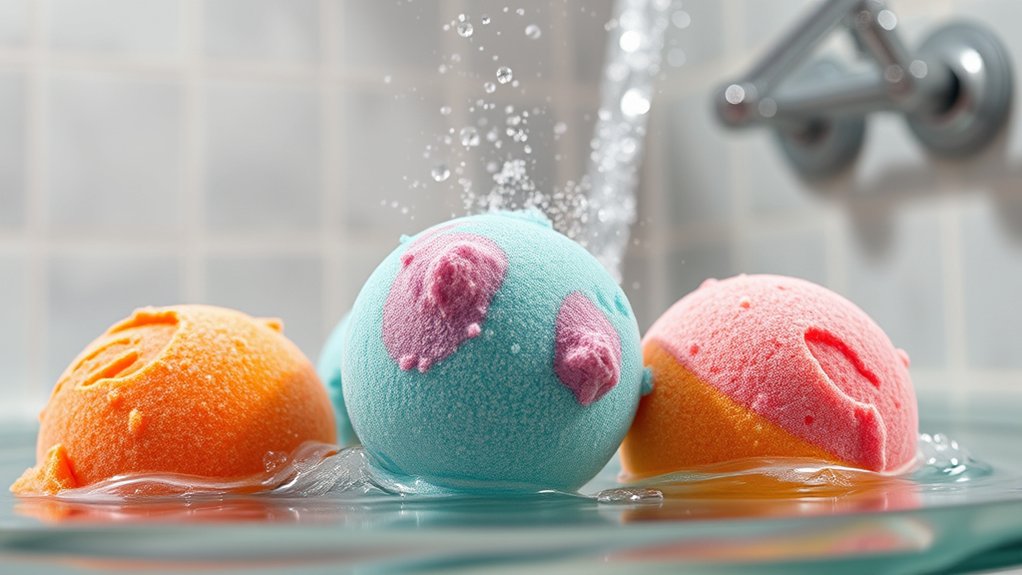
Are Shower Bombs Safe
When you use shower bombs, you’re exposing your skin and respiratory system to a mix of ingredients that can be both beneficial and potentially irritating.
Shower bombs often rely on effervescent reactions and fragrant compounds to create their effects.
These ingredients may cause reactions if you have sensitive skin or allergies.
Understanding what’s inside and how these substances interact with your body is crucial before making shower bombs a regular part of your routine.
Key Takeaways
- Shower bombs contain ingredients like sodium bicarbonate and essential oils, which are generally safe but can cause skin or respiratory irritation in sensitive individuals.
- Fragrances and preservatives in shower bombs may trigger allergic reactions or skin irritation, especially in those with sensitive skin or allergies.
- Inhalation of vapors from shower bombs can irritate the respiratory tract, particularly for people with asthma or chronic bronchitis.
- Choosing hypoallergenic, dermatologically tested, and fragrance-free shower bombs reduces the risk of adverse reactions.
- Use shower bombs in well-ventilated areas, avoid direct prolonged skin contact, and discontinue use if irritation or respiratory symptoms occur.
What Are Shower Bombs Made Of?
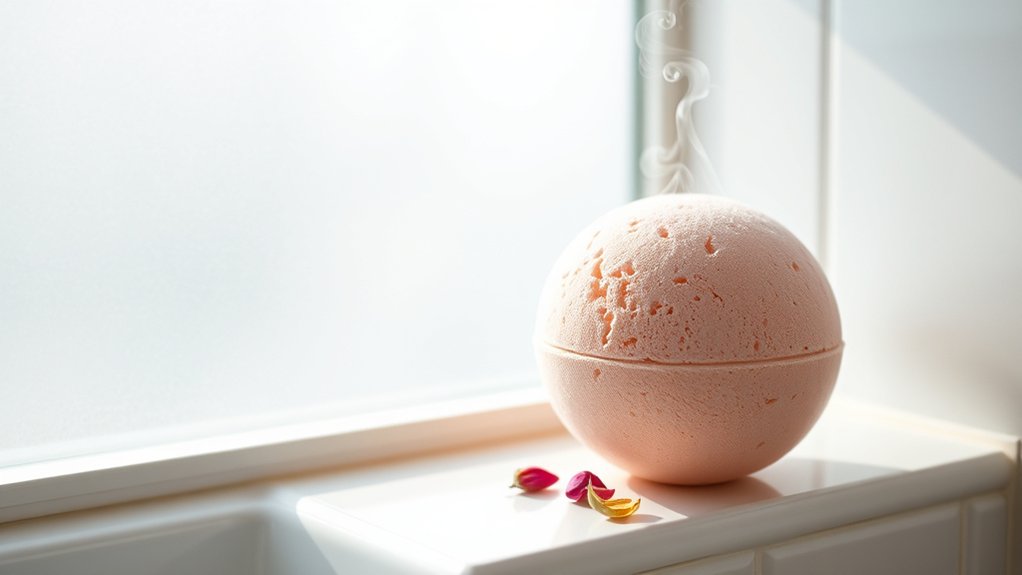
What ingredients do shower bombs typically contain? They usually comprise a combination of sodium bicarbonate, citric acid, essential oils, and carrier agents like cornstarch. These ingredients sources vary; essential oils often come from plant extracts, ensuring natural fragrance profiles.
Fragrance safety is critical, so reputable manufacturers adhere to IFRA standards, minimizing allergic or irritant risks. You should note that most shower bombs avoid synthetic dyes and harsh chemicals, aiming for skin compatibility.
The effervescent reaction occurs when sodium bicarbonate and citric acid interact with water vapor, releasing aromatic compounds. This precise formulation balances effectiveness, user safety, and sensory experience.
Understanding these components helps you make informed choices regarding product quality and potential skin reactions related to fragrance safety.
Ingredients to Watch Out For in Shower Bombs
Which ingredients should you be cautious about when selecting shower bombs? Primarily, focus on fragrance safety, as many products contain synthetic fragrances linked to respiratory irritation and endocrine disruption.
Look for clear ingredient labeling that lists all components, including preservatives such as parabens or formaldehyde releasers, which may pose health risks.
Some shower bombs include sodium lauryl sulfate (SLS), a surfactant known to cause irritation in sensitive individuals.
Additionally, artificial dyes and colorants might introduce unnecessary chemicals with limited safety data.
Since regulations on cosmetic ingredient disclosure vary, always verify if the product provides comprehensive ingredient labeling.
Skin Irritation and Allergies From Shower Bombs
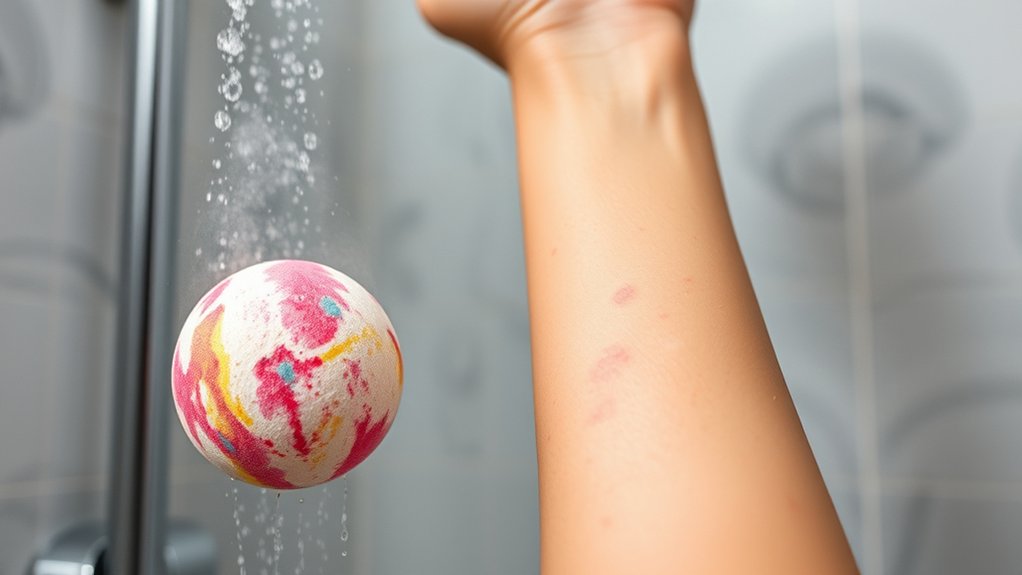
You may experience skin irritation or allergic reactions from common shower bomb ingredients like fragrances, preservatives, and essential oils. It’s important to identify these irritants and monitor your skin’s response during use.
If you notice redness, itching, or swelling, stop using the product and consult a healthcare professional for proper management.
Common Irritants in Shower Bombs
How do shower bombs trigger skin irritation and allergic reactions? Primarily, they contain chemical agents like fragrances, preservatives, and surfactants that can provoke hypersensitivity. Fragrances, although appealing, are common allergens causing contact dermatitis.
Preservatives such as parabens or formaldehyde releasers prevent microbial growth but may irritate sensitive skin. Surfactants, included to enhance foaming, can disrupt the skin barrier, increasing vulnerability.
It’s crucial to avoid unrelated topic or irrelevant discussion regarding natural versus synthetic ingredients here; the focus remains on known irritants substantiated by dermatological studies. Additionally, essential oils, despite being natural, can cause allergic responses in some users.
Understanding these components helps you identify potential triggers and avoid adverse reactions when selecting shower bombs.
Managing Allergic Reactions
When should you take action upon noticing skin irritation or allergic reactions from shower bombs? You should immediately discontinue use if you experience redness, itching, or swelling. These symptoms may result from allergens or irritants, often linked to fragrance compounds regulated under strict fragrance regulations to limit sensitizing agents.
Rinse the affected area with cool water and avoid scratching. If symptoms persist or worsen, seek medical advice promptly.
For disposal considerations, do not flush shower bombs or their residues down drains, as they may contain compounds harmful to the environment or sewage systems. Instead, follow local hazardous waste guidelines to prevent contamination.
Being vigilant about ingredient lists and adhering to fragrance regulations reduces your risk of adverse reactions, ensuring safer usage and proper management of allergic responses.
Respiratory Risks of Shower Bombs
What happens to your lungs when you inhale the vapors released by shower bombs? These vapors contain volatile compounds that can irritate your respiratory tract.
While most ingredients are generally recognized as safe, their concentrated inhalation may pose inhalation risks, especially if you have pre-existing respiratory conditions such as asthma or chronic bronchitis. Ensuring breathing safety means limiting exposure time and ventilating your bathroom adequately.
Studies indicate that certain essential oils and synthetic fragrances can trigger bronchoconstriction or inflammation in sensitive individuals. You should be cautious if you notice coughing, wheezing, or shortness of breath after use.
How Shower Bombs Release Their Scents
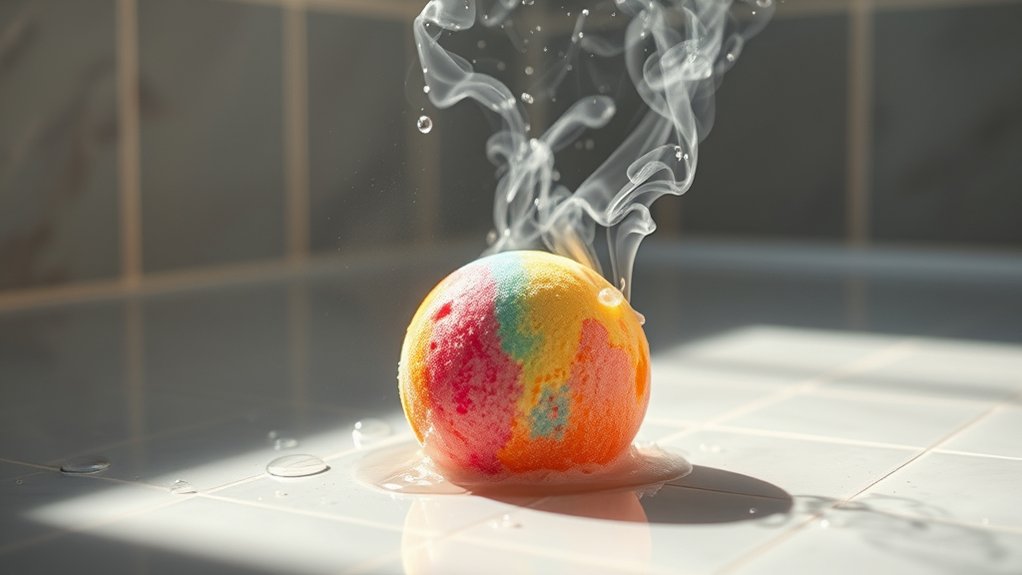
Why do shower bombs emit such strong fragrances during use? The scent diffusion occurs as the bomb dissolves in water, releasing volatile aromatic compounds. These compounds are carefully formulated and encapsulated to maximize release without overwhelming your senses.
Packaging materials also play a role in preserving scent integrity until use, preventing premature evaporation. Rigorous safety testing ensures that the fragrances are safe for inhalation in a confined space.
Consumer education informs you on proper usage to minimize risks and optimize scent experience.
| Factor | Role | Impact on Scent Diffusion |
|---|---|---|
| Formulation | Encapsulates aromatic compounds | Controlled, sustained release |
| Packaging Materials | Prevents premature evaporation | Maintains scent potency |
| Safety Testing | Assesses inhalation safety | Ensures non-toxic diffusion |
| Consumer Education | Guides proper use | Enhances safe, effective release |
How to Choose Safe and Skin-Friendly Shower Bombs
How can you ensure the shower bomb you select supports both safety and skin health? Begin by examining ingredient lists for hypoallergenic and dermatologically tested components. Avoid products containing synthetic fragrances and harsh chemicals, as these increase irritation risk.
Confirm whether the shower bomb has safety certifications, such as those from recognized dermatology or cosmetic regulatory bodies, which validate product safety claims. Additionally, consider if the product is cruelty-free and eco certified, addressing the question: are shower bombs eco friendly?
Eco certifications indicate sustainable sourcing and minimal environmental impact, indirectly reflecting product quality. Choosing shower bombs with transparent labeling and third-party testing results ensures reliability. By prioritizing these criteria, you reduce potential adverse skin reactions and support environmentally responsible products.
Tips for Using Shower Bombs Safely
When using shower bombs, you should follow specific safety practices to minimize skin irritation and guarantee effective use. First, ensure the product has undergone rigorous safety testing, confirming it’s free from harmful contaminants and allergens.
Follow safety guidelines and choose tested shower bombs free from contaminants to minimize skin irritation.
Avoid placing the bomb directly on your skin; instead, position it on the shower floor to allow gradual dispersion of active ingredients. Pay attention to fragrance sourcing. Opt for bombs with natural, hypoallergenic essential oils rather than synthetic fragrances, which can increase irritation risk.
Limit exposure time to prevent over-sensitization, especially if you have sensitive skin or respiratory conditions. Finally, store shower bombs in a cool, dry place to maintain their integrity and efficacy.
Following these evidence-based steps will help you enjoy shower bombs safely and effectively.
Frequently Asked Questions
Can Shower Bombs Be Used in Bathtubs?
You can use shower bombs in bathtubs if they’re compatible with water and skin. Ensure their ingredients suit bathtub usage safety, avoiding irritants or residues that may harm surfaces or cause allergic reactions.
Do Shower Bombs Stain Bathroom Tiles or Surfaces?
You won’t find shower bombs staining tiles faster than a cheetah chasing prey. To minimize scent and color impact, store them airtight, away from moisture.
Proper storage also preserves their longevity, ensuring safe, vibrant use.
Are Shower Bombs Safe for Children to Use?
You should ensure shower bombs contain safe ingredients and check for allergy considerations before letting children use them. Always supervise use and select products tested for skin sensitivity to minimize risks.
This helps ensure safety effectively.
How Long Do Shower Bombs Typically Last Once Opened?
Shower bomb longevity typically spans 6 to 12 months once opened. To maximize effectiveness, you should store them in a cool, dry place, away from humidity and direct sunlight.
Follow proper storage tips to ensure they maintain their quality for as long as possible.
Can Shower Bombs Be Used With Essential Oil Allergies?
Imagine a Victorian apothecary analyzing compounds: you shouldn’t use shower bombs if you have essential oil allergies. For shower bomb safety, always check ingredient lists and perform patch tests to prevent allergic reactions and skin irritation.