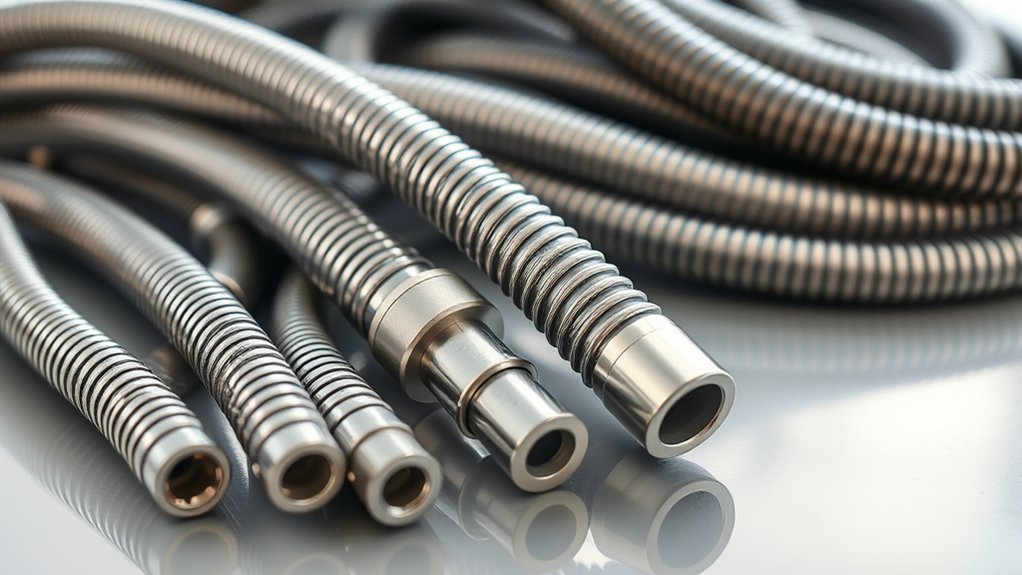
Are All Shower Hoses the Same
You might think all shower hoses are the same, but their differences go beyond appearance. Materials, length, flexibility, and construction all affect how well they perform and how long they last. Choosing the wrong hose could result in frequent replacements or poor water flow.
Understanding these factors helps you pick one that suits your needs and bathroom setup. But what exactly sets one hose apart from another? And which features really matter?
Key Takeaways
- Shower hoses differ in materials, affecting flexibility, durability, and environmental impact, such as PVC, thermoplastic, and silicone options.
- Metal hoses resist kinks, corrosion, and high pressure but are less flexible than plastic hoses.
- Hose length influences water pressure and maneuverability, with longer hoses reducing flow rate.
- Design features like anti-kink coils, double-layer tubing, and swivel connectors improve durability and usability.
- Hose color and finish affect UV resistance, bathroom design compatibility, and overall performance.
What Factors Differentiate Shower Hoses?

What makes one shower hose different from another? You’ll notice key factors like hose color and anti kink features. Hose color isn’t merely aesthetic; it can indicate material type and UV resistance, which affects durability.
When selecting a hose, consider if the color suits your bathroom’s design but also check specification sheets for performance data linked to color coding. Anti kink functionality is essential for preventing bends that restrict water flow or cause damage.
Hoses designed with internal reinforcements or flexible materials reduce the risk of kinking, ensuring consistent water pressure and longer lifespan. Understanding these factors helps you choose a hose that fits both your practical needs and design preferences, avoiding common issues like leaks or blockages caused by poor flexibility or unsuitable finishes.
Which Materials Are Used for Shower Hoses and Why It Matters
Beyond color and anti-kink features, the material composition of a shower hose profoundly influences its performance and durability. When selecting a hose, consider the quality of material sourcing, as it affects both longevity and environmental impact. Eco friendly materials are gaining traction, offering sustainable alternatives without compromising strength.
| Material Type | Durability | Flexibility | Eco Friendliness | Cost |
|---|---|---|---|---|
| PVC | Medium | High | Low | Low |
| Thermoplastic | High | High | Medium | Medium |
| Silicone | High | Very High | High | High |
| Rubber | Medium | Medium | Low | Medium |
| Stainless Steel | Very High | Medium | Medium | High |
Choosing the right material ensures optimal function and aligns with your sustainability goals.
Metal vs. Plastic Shower Hoses: Which Is Better?
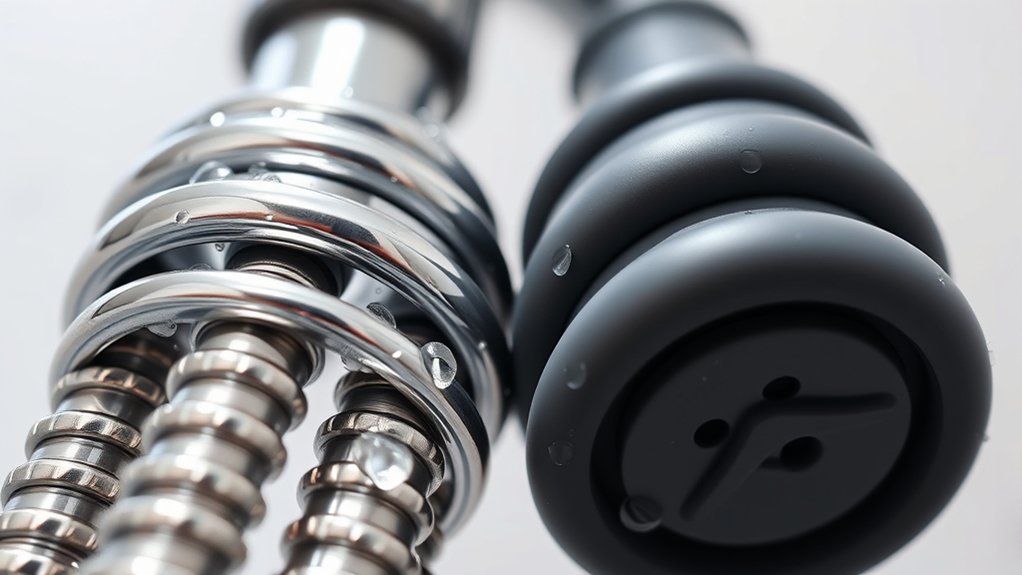
When deciding between metal and plastic shower hoses, you need to evaluate factors like durability, flexibility, maintenance, and cost-effectiveness. Metal hoses excel in metal durability, resisting kinks, punctures, and corrosion, making them suitable for long-term use. Their robust construction withstands high water pressure and frequent handling.
However, metal hoses can be less flexible, sometimes causing stiffness during movement. Plastic hoses offer superior plastic flexibility, allowing easier maneuvering and installation in tight spaces. They are lightweight and generally more affordable but may wear out faster due to susceptibility to cracking and damage from UV exposure or chemicals.
Maintenance-wise, metal hoses require occasional cleaning to prevent mineral buildup, while plastic hoses often need replacement sooner. Your choice depends on whether you prioritize durability or flexible handling in your shower setup.
How Hose Length Affects Your Shower Experience
Choosing the right shower hose length directly impacts your water flow and maneuverability. If the hose is too long, you may experience reduced pressure and excess slack. A shorter hose limits your reach.
Understanding these factors helps you select a hose that balances flexibility with optimal performance.
Optimal Hose Length Choices
How does the length of your shower hose impact your daily routine? Choosing the optimal hose length directly affects your comfort and maneuverability. A hose that’s too short restricts movement, making tasks like rinsing hair or cleaning the shower cumbersome.
Conversely, an excessively long hose can tangle or kink, complicating use. When selecting length, ensure shower hose compatibility with your existing setup; this includes confirming spray head compatibility to avoid installation issues.
Standard lengths typically range from 59 to 79 inches, balancing flexibility and control. Assess your shower space and intended use. Longer hoses suit handheld showers or flexible setups, while shorter hoses fit fixed or compact designs.
Prioritize precise measurements and compatibility to optimize both function and convenience in your daily shower experience.
Impact On Water Flow
Why does the length of your shower hose matter for water flow? Longer hoses increase friction, reducing water pressure and flow rate. You’ll notice this as a weaker spray, which may impact your shower experience.
Conversely, shorter hoses maintain higher pressure, delivering consistent flow. Keep in mind, extended hoses can develop discoloration patterns due to mineral buildup and material stress, signaling potential deterioration.
This often affects warranty coverage, as manufacturers may void it if discoloration or damage results from inappropriate hose length or installation. To optimize water flow and maintain warranty validity, choose a hose length that balances reach with minimal pressure loss.
Understanding these technical factors helps you avoid flow issues and ensures your shower hose performs reliably over time.
Flexibility And Reach
Where exactly do you need your shower hose to reach? The length and flexibility directly impact your shower experience. If the hose is too short, you’ll struggle to maneuver it comfortably, limiting access to certain areas.
Conversely, an excessively long hose can kink, reducing water pressure and disrupting flow. Choose a hose that balances length with flexibility. Materials like stainless steel or reinforced polymers enhance movement without compromising durability.
This balance also supports consistent water pressure, ensuring efficient spray patterns. Additionally, consider how the hose’s design complements your shower aesthetics; a sleek, flexible hose blends functionality with visual appeal.
Why Flexibility and Durability Vary Between Shower Hose Types
What factors cause shower hoses to differ in flexibility and durability? Primarily, material composition and construction techniques influence these traits. Stainless steel hoses offer high durability but can be less flexible, while reinforced plastic hoses provide excellent flexibility but may wear out faster.
The inner lining material also impacts longevity and resistance to kinks. When selecting a hose, consider care tips such as regularly cleaning and avoiding sharp bends to extend lifespan. Budget planning is equally important; investing slightly more in quality materials can reduce replacement frequency and maintenance costs.
Understanding these factors helps you choose a shower hose that balances flexibility with durability, matching your specific usage needs and ensuring reliable performance over time.
Shower Hose Designs That Stop Kinks and Leaks
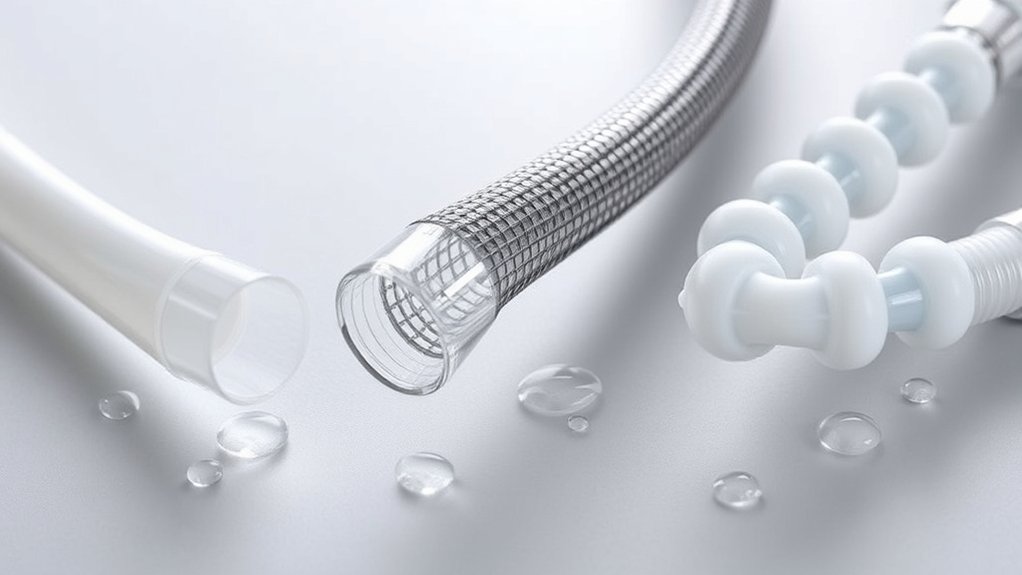
How do modern shower hose designs effectively prevent kinks and leaks? They use advanced materials and engineering to enhance hose longevity and corrosion resistance. Reinforced inner tubes resist collapsing under pressure, while flexible outer layers reduce stress points that cause kinks. Swivel connectors minimize twisting, limiting wear and leaks.
| Design Feature | Function | Benefit |
|---|---|---|
| Double-layer tubing | Prevents collapsing | Enhances hose longevity |
| Anti-kink coil | Maintains shape | Reduces kinking |
| Swivel connectors | Rotates freely | Limits twisting damage |
| Corrosion-resistant materials | Resists rust | Extends lifespan |
| Smooth inner lining | Ensures water flow | Minimizes leak risk |
Selecting hoses with these features ensures durability and consistent performance, saving you from frequent replacements and maintenance.
How to Choose a Shower Hose That Matches Your Bathroom Style
When selecting a shower hose, matching it to your bathroom’s overall style enhances both function and aesthetics. Avoid disposable plastics, which look cheap and degrade quickly. Instead, focus on durable materials with finishes that complement your fixtures.
Consider these factors to choose the right shower hose:
- Match metal finishes like chrome, brushed nickel, or matte black to existing hardware for a cohesive look.
- Select hose length and flexibility based on your shower layout and user needs.
- Opt for corrosion-resistant materials to ensure longevity in humid environments.
- Choose textures, smooth or coiled, that align with your bathroom’s design theme.
- Prioritize hoses with reinforced inner linings to prevent kinks and leaks while maintaining style.
This approach ensures your shower hose blends seamlessly with your bathroom’s design.
How to Install and Maintain Your Shower Hose
You’ll need a few basic tools like an adjustable wrench and plumber’s tape for installation. Follow a clear step-by-step process to ensure a secure, leak-free connection.
Regular cleaning and proper maintenance will extend your shower hose’s lifespan and performance.
Tools Needed
What tools do you need to install and maintain your shower hose efficiently? Proper tools ensure you handle various hose materials, whether stainless steel or reinforced plastic, and maintain your shower’s versatility without damage. You’ll want equipment that fits snugly to avoid stripping connections or causing leaks.
Here’s a concise list of essential tools:
- Adjustable wrench: for tightening and loosening fittings
- Teflon tape: to seal threaded connections and prevent leaks
- Screwdriver: useful for securing mounting brackets or clamps
- Pliers: for gripping and adjusting small parts carefully
- Soft cloth or gloves: to protect hose surfaces from scratches during installation
Using these tools lets you work precisely, ensuring durability and optimal performance of your shower hose system.
Step-by-Step Installation
How do you guarantee a secure and leak-free connection when installing your shower hose? First, inspect the hose and fittings for defects. Avoid common installation misconceptions, such as overtightening, which can damage washers or threads.
Begin by hand-tightening the hose onto the showerhead and water outlet fittings to ensure proper alignment. Use a wrench only if necessary, applying gentle pressure. Confirm that rubber washers are correctly seated inside connectors to prevent leaks.
During installation, avoid twisting the hose excessively to reduce stress and extend hose life. Finally, test the assembly by running water at full pressure to identify any leaks immediately.
These two word discussion ideas, “washer placement” and “tightening technique,” are key to mastering installation and ensuring a durable, functional shower hose connection.
Cleaning and Maintenance Tips
Why does regular cleaning matter for your shower hose? Over time, mineral deposits and soap scum build up, compromising water flow and damaging the hose material. Understanding material science helps you choose care tips tailored to your hose’s composition: metal, plastic, or reinforced rubber.
To maintain optimal performance and extend lifespan, follow these care tips:
- Detach the hose periodically to flush out internal debris with vinegar or a descaling solution.
- Wipe the exterior with a soft cloth and mild detergent to prevent buildup.
- Avoid harsh chemicals that degrade flexible materials or cause corrosion.
- Inspect connection points for leaks and tighten fittings as needed.
- Store the hose loosely coiled to prevent kinks and stress on the material.
Implementing these steps ensures your shower hose remains functional and durable.
When to Replace Your Shower Hose and What to Look For
When should you replace your shower hose to maintain peak performance? Inspect your hose regularly for signs of wear like cracks, leaks, or kinks, as these indicate compromised integrity due to material fatigue.
Material science shows that even high-grade hoses degrade over time from constant water pressure and temperature changes. Follow care tips such as avoiding sharp bends and cleaning your hose to prolong its life.
Replace your hose immediately if you notice reduced water flow or persistent leaks, as these can lead to water damage or inefficient operation. Also, consider upgrading if your hose’s material no longer meets your durability or flexibility needs.
Choosing a hose with corrosion-resistant fittings and reinforced layers ensures longer service life and consistent performance.
Frequently Asked Questions
Are Shower Hoses Universally Compatible With All Showerheads?
You won’t find universal compatibility in all shower hoses; thread size and connection type vary. Prioritize material durability to ensure a secure fit and longevity, especially when your showerhead demands specific hose standards.
Can Shower Hoses Affect Water Pressure Significantly?
Yes, you can experience discrepant pressure if your shower hose deteriorates due to material aging. Over time, internal buildup or damage restricts flow, so choosing high-quality, durable hoses helps maintain consistent water pressure.
Do Shower Hoses Impact Water Temperature Consistency?
Think of your shower hose as a thermal bridge; its materials directly influence temperature stability. Choosing high-quality, insulated shower hose materials helps maintain consistent warmth, preventing sudden chills and ensuring your water temperature stays steady throughout your shower.
Are There Eco-Friendly Shower Hose Options Available?
Yes, you’ll find eco-friendly shower hoses made from sustainable materials like recycled stainless steel or biodegradable polymers. These options offer durability without compromising performance, helping you reduce environmental impact while maintaining reliable water flow and temperature control.
How Do Warranty Terms Vary Among Shower Hose Brands?
Warranty terms vary substantially across brands; some offer limited lifetime coverage, while others provide one to five years. You’ll want to compare brand differences carefully to ensure the warranty aligns with your expected usage and durability needs.