Are All Shower Drains the Same Size
You can’t assume all shower drains are the same size, nor can you ignore the variations in pipe diameters, outlet fittings, and local codes. Choosing the wrong size can lead to poor drainage, clogs, or costly modifications.
Understanding the standard sizes, different types, and how your specific plumbing setup influences the drain size is essential before making a decision. Let’s explore what factors determine the right fit for your shower drain.
Key Takeaways
- Shower drains vary in size to accommodate different water flow rates and plumbing configurations.
- Common residential drain diameters include 2, 3, and 4 inches, matching standard pipe sizes.
- Drain size depends on shower base outlet dimensions and local plumbing codes.
- Different drain types, such as point and linear drains, have distinct size and shape requirements.
- Proper sizing ensures compatibility with pipes, prevents clogs, and meets regulatory standards.
Why Do Shower Drain Sizes Vary?
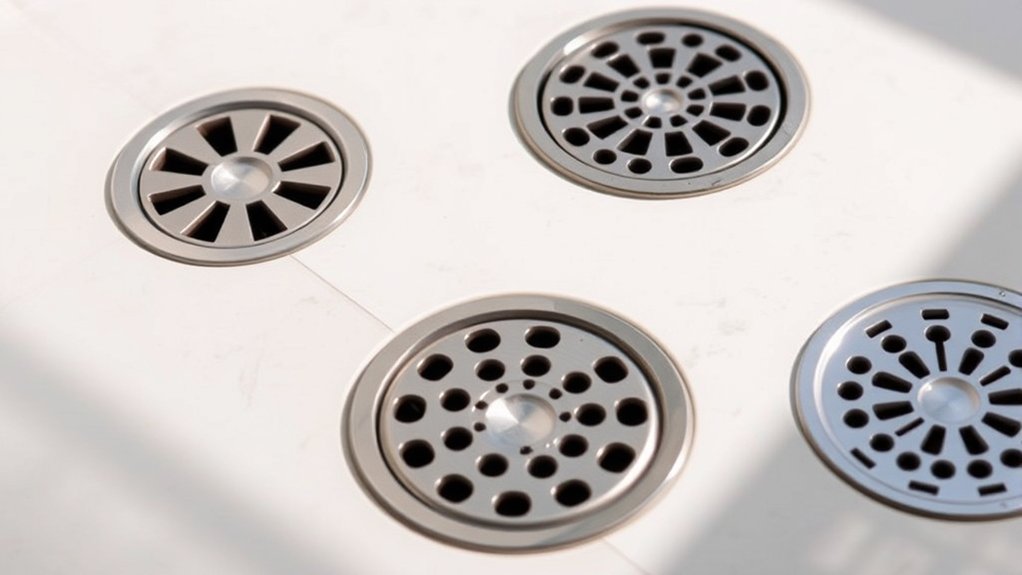
Why do shower drain sizes vary so much? When you select a drain, you must consider the tile pattern and drain color to ensure seamless integration with your shower floor. Variations in drain size accommodate different water flow rates and plumbing configurations.
For example, larger drains handle high water volumes efficiently, while smaller drains suit compact showers with less water output. The tile pattern influences the drain’s shape and dimensions, as it needs to align with grout lines and maintain aesthetic consistency.
Additionally, drain color options, ranging from chrome to matte black, serve both functional and design purposes, affecting material compatibility and corrosion resistance. Understanding these factors helps you choose a shower drain that matches both your technical needs and visual preferences.
What Are the Standard Shower Drain Sizes?
How do you determine the right size for a shower drain? Understanding standard shower drain sizes is essential for ensuring installation compatibility and minimizing issues caused by standardization variance.
Most residential shower drains come in a few standardized diameters, which align with plumbing codes and manufacturers’ specifications.
| Drain Size (Diameter) | Typical Pipe Connection Size |
|---|---|
| 2 inches | 1.5 inches |
| 3 inches | 2 inches |
| 4 inches | 3 inches |
This table highlights the common drain diameters you’ll encounter. Choosing the correct size guarantees a secure fit with existing plumbing components, reducing leaks and improving drainage efficiency.
Always verify local plumbing codes and measure your pipe dimensions before selecting a shower drain to account for any variance in standardization.
What Are the Different Types of Shower Drains and Their Sizes?
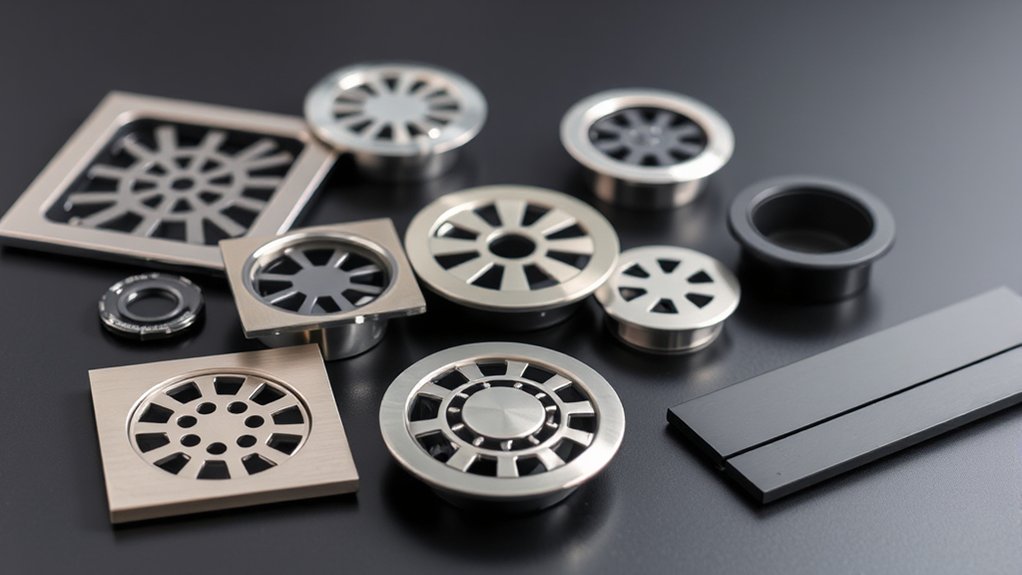
You’ll encounter several common shower drain types, including point drains, linear drains, and center drains. Each type typically comes in standard sizes, such as 2-inch or 3-inch outlet diameters, to fit common plumbing connections.
Understanding these variations helps you select the right drain for your shower’s design and plumbing setup.
Common Shower Drain Types
What types of shower drains are commonly used, and how do their sizes vary? You’ll encounter several main types: point drains, linear drains, and center drains. Point drains are the traditional circular drains, typically 2 to 4 inches in diameter.
Linear drains, often rectangular, range widely in length but usually maintain a standard width around 2 to 3 inches. Center drains are positioned centrally and resemble point drains in size but differ in placement and style.
Each type influences bathroom aesthetics differently. Linear drains offer a sleek, modern look, while point drains are more conventional. For maintenance tips, linear drains can be easier to clean due to their accessible grates, whereas point drains might require more frequent clearing.
Understanding these types helps you choose the right drain for functionality and design synergy.
Standard Drain Size Measurements
Choosing the right shower drain involves understanding the standard size measurements associated with each type. Shower drains come in various sizes to accommodate different plumbing setups and shower tile patterns.
Here are common standard drain sizes you should know:
- 2-inch drains Typically used for smaller shower bases or custom tile patterns requiring compact drainage.
- 3-inch drains The most common size, suitable for standard shower installations and easy to maintain per typical maintenance schedules.
- 4-inch drains Found in larger showers or those with multiple shower heads, ensuring efficient water flow.
- Linear drains Length varies (typically 24 to 60 inches), designed for contemporary shower tile patterns and optimal water drainage.
How Does Your Plumbing Setup Affect Shower Drain Size?
You’ll need to match your shower drain size to the existing pipe diameter to guarantee proper flow and prevent backups. The drain’s location also affects sizing because longer or more complex runs require larger drains to maintain efficiency.
Additionally, consider your water pressure, as higher pressure systems may demand drains that can handle increased flow rates.
Pipe Diameter Impact
How much does your existing plumbing setup influence the size of your shower drain? The pipe diameter directly affects water flow rate and drainage efficiency, so you can’t ignore it when selecting a drain size.
Here’s what you need to consider:
- Measure the current pipe diameter to match the drain size accurately.
- Larger pipes require drains with wider diameters to prevent backups.
- Smaller pipes limit you to standard 2-inch or 3-inch drains, common in residential setups.
- Upgrading pipe diameter may necessitate changing the drain size, ensuring optimal flow.
Avoid unrelated plumbing concerns or aesthetic optimization when focusing on pipe diameter impact. Your goal is practical compatibility between drain and pipe to maintain efficient water evacuation and prevent clogs.
Understanding this technical connection helps you choose the right shower drain size for your plumbing system.
Drain Location Factors
Where you position your shower drain plays a pivotal role in determining the appropriate drain size for your plumbing system. Drain placement affects water flow efficiency and must accommodate the shower slope to avoid pooling or slow drainage.
For example, a center drain generally requires different sizing and slope considerations than a corner drain due to gravity and pipe alignment.
| Drain Placement | Shower Slope Requirement | Recommended Drain Size |
|---|---|---|
| Center | Uniform slope to drain | 2 inches |
| Corner | Steeper slope toward corner | 2 to 2.5 inches |
| Linear | Consistent slope along length | 2 to 3 inches |
| Offset | Customized slope | 2 to 2.5 inches |
| Multiple drains | Balanced slope to drains | Varies |
Adjust your drain size based on layout to ensure optimal drainage and system compatibility.
Water Pressure Considerations
Once you’ve determined the ideal drain location and size based on slope and layout, the next factor to examine is your plumbing system’s water pressure. Water pressure directly impacts shower efficiency and influences the required drain size to prevent overflow or slow drainage.
Consider these points:
- High water pressure increases flow rate, demanding a larger drain diameter to handle excess water quickly.
- Low water pressure reduces flow, allowing for smaller drains but potentially causing slower drainage.
- Inconsistent pressure can cause backflow or pooling, requiring a drain system designed for variable flow rates.
- Pressure regulators or booster pumps in your setup alter water pressure, so adjust drain size accordingly to maintain shower efficiency.
Accurately ensuring your water pressure ensures your shower drain size complements your plumbing setup for optimal performance.
How Do Local Building Codes Impact Shower Drain Size?
Why do shower drain sizes vary across different locations? It’s primarily due to local code nuances that dictate specific plumbing standards. These regulations ensure proper drainage performance and prevent issues like water backup or slow flow.
When you work with your local building authority, you’ll notice that codes often specify minimum drain pipe diameters and installation methods tailored to local infrastructure conditions. Understanding these nuances helps you avoid costly rework or permit delays.
Speaking of permits, timing matters. You must secure approvals before installation, as inspections verify compliance with local standards. If you overlook these requirements, you risk project hold-ups or fines.
How Do You Measure and Choose the Right Shower Drain Size?
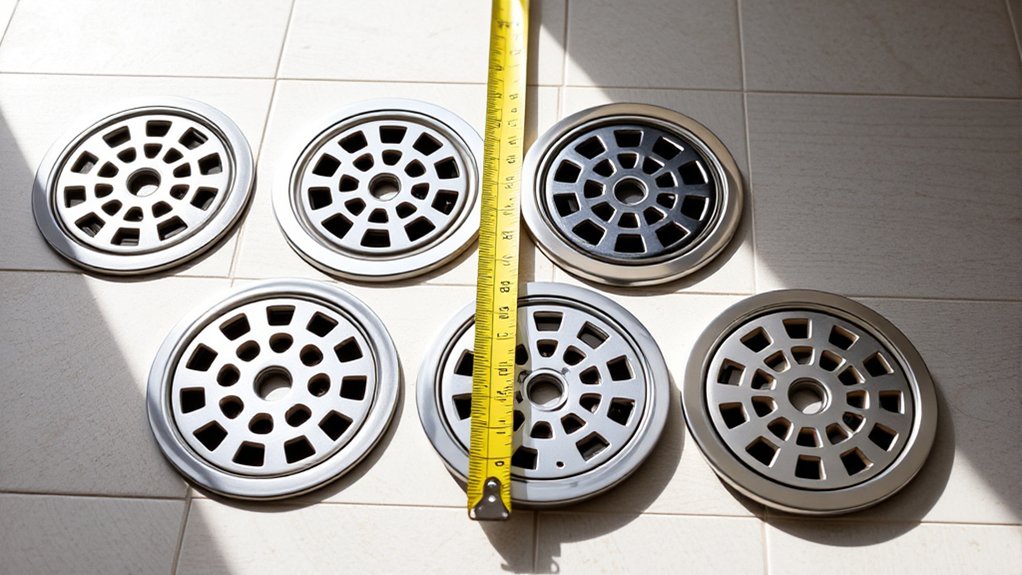
How do you determine the correct shower drain size for your project? Accurate drain sizing starts with precise measurements and understanding your shower’s drainage requirements. Use proper measurement tools like a tape measure and calipers to ensure accuracy. Follow these steps:
- Measure the diameter of the existing drain pipe or opening.
- Check the flow rate requirements based on your local plumbing codes.
- Match the drain size to the shower base’s outlet specifications.
- Confirm compatibility with available drain covers and strainers.
Frequently Asked Questions
Can I Install a Shower Drain Myself Without Professional Help?
You can handle DIY installation if you understand drain sizing and plumbing codes. Ensure your shower drain fits standard dimensions, use proper sealants, and verify connections to avoid leaks.
Precision and patience are essential for success.
How Often Should Shower Drains Be Cleaned to Prevent Clogs?
Think of shower maintenance as tuning an instrument; you should clean your shower drains every one to two months. Regular attention to drain sizing and debris buildup prevents clogs, ensuring efficient water flow and prolonging your plumbing’s lifespan.
What Materials Are Shower Drains Typically Made From?
Shower drain materials typically include stainless steel, PVC, brass, and cast iron. You’ll consider corrosion resistance, durability, and compatibility with your plumbing system during installation to ensure optimal performance and longevity.
Are There Eco-Friendly Shower Drain Options Available?
You’ll find eco-friendly shower drains reduce water waste by up to 30%. For installation tips, ensure proper sealing and slope to optimize drainage while minimizing environmental impact.
Choose materials like recycled stainless steel for durability and sustainability.
Can Shower Drains Cause Bad Odors if Not Maintained Properly?
Yes, shower drains can cause drain odor if you neglect maintenance frequency. Regular cleaning prevents buildup of hair, soap scum, and bacteria, which are primary sources of unpleasant smells in your shower drain system.