Can You Paint Linoleum Floor
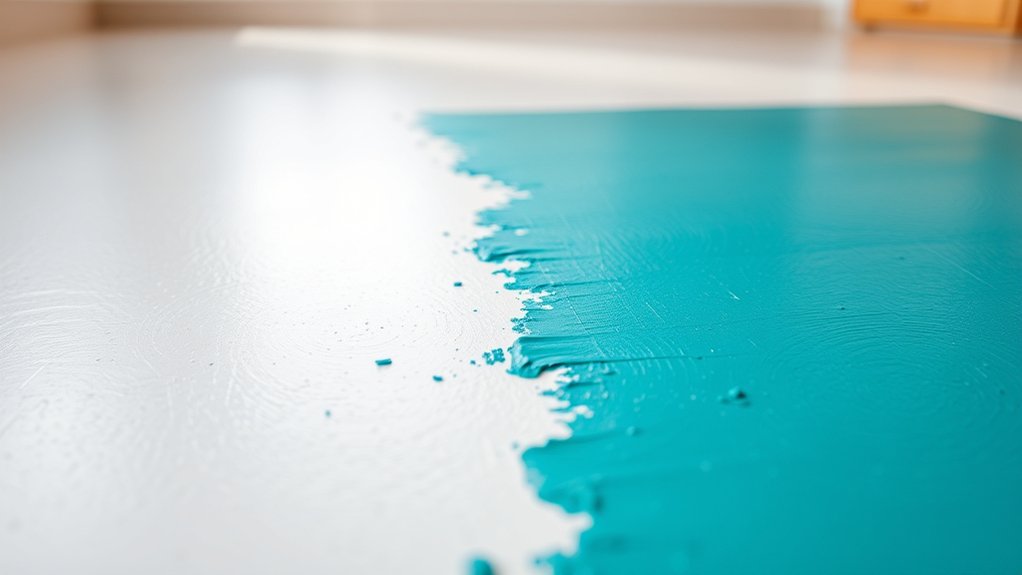
It’s no coincidence that many homeowners wonder, “Can you paint linoleum floor?” It’s a common question with a surprisingly straightforward answer. You can paint linoleum, but doing it right requires specific preparation and the correct materials to ensure durability and adhesion.
Before you start, you’ll need to understand which paints work best and how to properly prep the surface to avoid peeling or wear. Here’s what you need to know to achieve lasting results.
Key Takeaways
- Linoleum floors can be painted with proper surface preparation and suitable paint for durable adhesion.
- Thorough cleaning and light sanding are essential to ensure paint sticks and prevents peeling.
- Use a primer designed for smooth surfaces before applying water-based epoxy or acrylic latex paint.
- Apply two thin coats of paint with adequate drying time, then seal with a compatible clear polyurethane.
- Regular maintenance and touch-ups with matching paint and sealer extend the floor’s finish and durability.
Can You Paint Linoleum Floors?
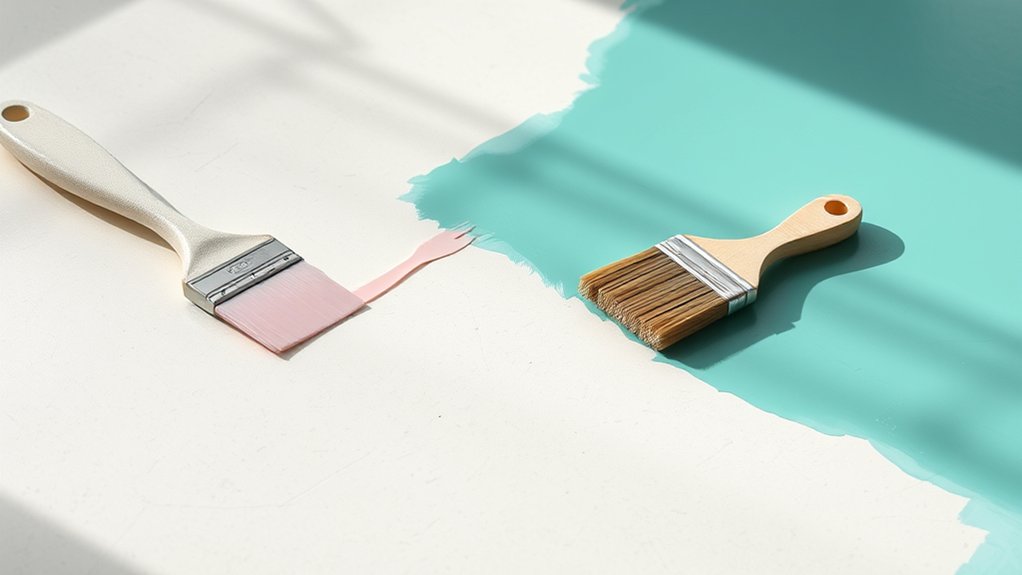
How feasible is it to paint linoleum floors? You can definitely paint them, but achieving long-lasting results depends on meticulous surface preparation and choosing the right materials.
Linoleum has a smooth, non-porous surface, so paint durability can be a challenge without proper priming and sealing. If you don’t prep thoroughly, the paint may peel or wear quickly under foot traffic.
Additionally, you’ll want to consider current color trends to ensure your newly painted floor complements your space effectively. While linoleum floors provide a cost-effective canvas, the paint’s resilience against scuffs and stains will ultimately determine the success of your project.
What Types of Paint Work Best on Linoleum Floors
Which types of paint will give you the best results on linoleum floors? For durability and adhesion, water-based epoxy or urethane paints are ideal. These coatings resist wear, moisture, and foot traffic, ensuring long-lasting results.
Water-based epoxy or urethane paints provide durable, long-lasting adhesion and resist wear on linoleum floors.
Acrylic latex paint is another budget friendly alternative, though it may require a protective sealant for durability. Avoid oil-based paints, as they often fail to adhere properly.
If you’re considering ways to remove linoleum instead, be aware that peeling up old flooring can be labor-intensive and costly. Painting offers a cost-effective solution, but selecting the right paint is essential to success.
Choose paints formulated for floors or high-traffic surfaces, and always verify compatibility with linoleum to prevent peeling or cracking over time.
How to Prepare Linoleum Floors for Painting
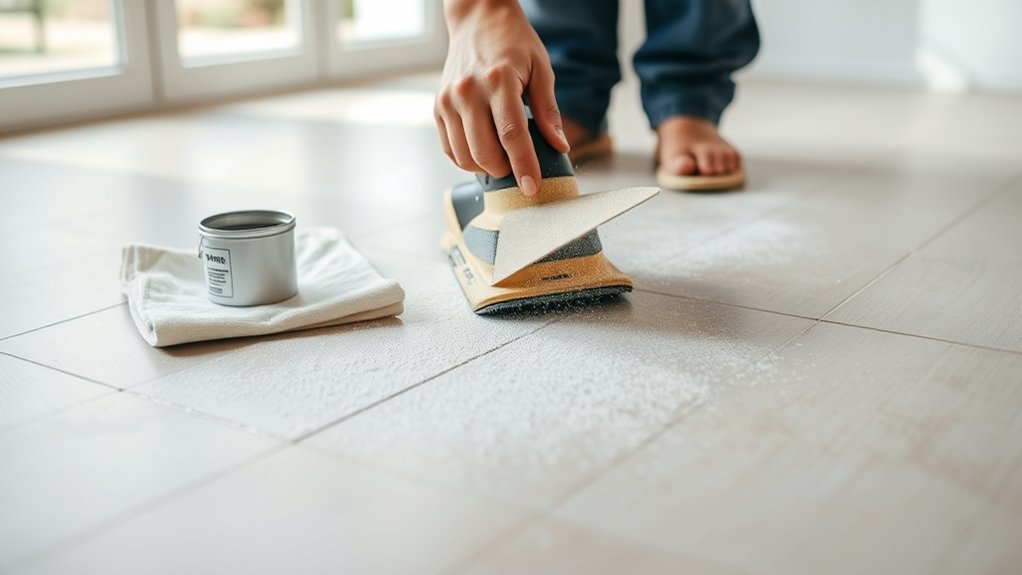
Preparing linoleum floors properly is essential to guarantee paint adheres well and lasts. Start by thoroughly cleaning the surface with a degreasing detergent to remove dirt, oils, and wax, which can compromise paint durability. Rinse and let it dry completely.
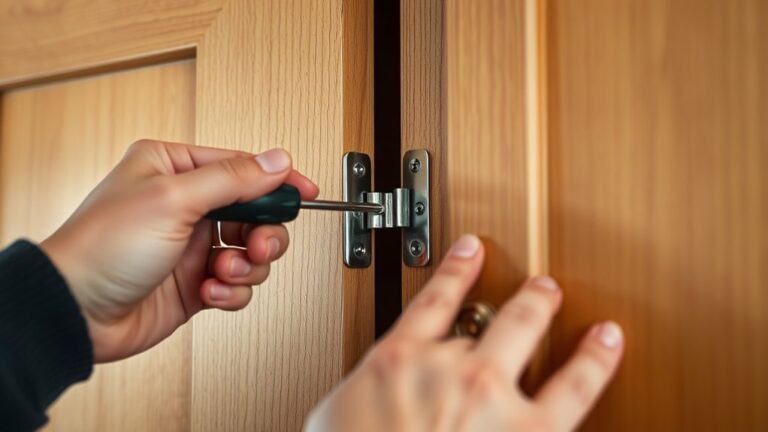
Next, lightly sand the floor with fine-grit sandpaper to create a rough texture that enhances adhesion. Vacuum and wipe away dust to prevent imperfections.
Apply a high-quality primer designed for smooth surfaces; this step is critical for ensuring color permanence and preventing peeling. Avoid skipping primer, as it directly impacts paint longevity.
Ensuring the floor is dry, clean, and properly sanded before priming sets the foundation for a durable, long-lasting finish on your linoleum floor.
How to Paint Your Linoleum Floor Step-by-Step
Now that your linoleum floor is fully prepped, you’ll focus on essential painting steps to ensure durability and even coverage. You’ll need to apply primer correctly, choose appropriate paint, and use precise techniques for smooth application.
Following these guidelines will help you achieve a professional-looking finish that lasts.
Floor Preparation Essentials
Before you apply any paint, you’ll need to thoroughly clean and sand the linoleum surface to guarantee proper adhesion. Start by removing all dirt, grease, and wax with a heavy-duty cleaner or degreaser. Once dry, lightly sand the floor using fine-grit sandpaper to create a slightly rough texture for the paint to grip.
After sanding, vacuum and wipe the floor with a damp cloth to eliminate dust. When selecting paint, consider the paint finish. Opt for a durable, water-resistant type designed for flooring. Also, pay close attention to color matching, ensuring the paint complements existing room elements.
Proper preparation directly impacts the longevity and appearance of your painted linoleum floor, so don’t skip these crucial steps before moving to painting.
Painting Techniques And Tips
With a clean, sanded surface ready, you can move on to applying the paint to your linoleum floor. Begin by selecting a primer designed for smooth surfaces to ensure proper adhesion. Apply it evenly with a high-quality roller, avoiding thick coats that may cause bubbling.
Once dry, choose a durable floor paint, preferably epoxy or latex-based, to withstand foot traffic. Follow current color trends by opting for neutral tones or subtle patterns to enhance your space’s aesthetic.
Use a roller for large areas and a brush for edges and corners, applying two thin coats for even coverage. Allow sufficient drying time between coats.
Finish with a clear polyurethane sealer to protect the paint and extend its longevity. These painting techniques guarantee a professional, lasting result.
How to Seal and Protect Painted Linoleum Floors
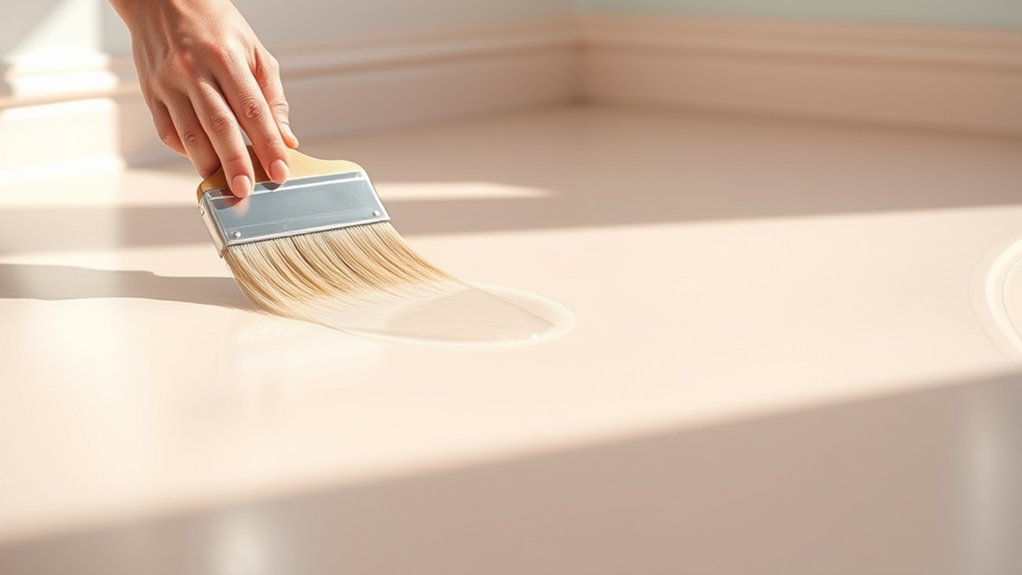
To ensure your painted linoleum floor lasts, you need to select a sealer designed for high-traffic areas and flexible surfaces. Apply the sealer evenly in thin coats, allowing proper drying time between layers to maximize durability.
Following these steps will protect your floor from wear and maintain its finish over time.
Choosing The Right Sealer
How do you guarantee your painted linoleum floor stays durable and vibrant? Selecting the right sealer is critical. Opt for a clear, water-based polyurethane sealer to protect your creative color palettes and pattern variations without yellowing or clouding.
This type of sealer offers excellent adhesion to painted linoleum and resists scuffing, moisture, and wear. Avoid oil-based sealers, as they can discolor your design over time.
A matte or satin finish sealer preserves the floor’s aesthetic while providing robust protection. Ensure the sealer is compatible with your paint type. Acrylic latex paints work best with water-based sealers.
Application Tips For Durability
Selecting the right sealer sets the foundation for protecting your painted linoleum floor, but proper application techniques guarantee that protection lasts. To enhance durability factors, apply thin, even coats of a polyurethane or epoxy-based sealer using a high-quality brush or roller.
Avoid pooling or thick layers, which can cause peeling or uneven curing. Allow each coat to dry fully, typically 24 hours, before applying the next. Lightly sand between coats with fine-grit sandpaper to improve adhesion and smoothness.
Maintain adequate ventilation and consistent temperature during application to optimize curing. Regularly inspect your floor for wear and reapply the sealer as needed. By following these steps, you’ll address common concerns related to “can you paint” linoleum and achieve a durable, long-lasting finish.
How to Maintain and Touch Up Painted Linoleum Floors
When should you perform maintenance on your painted linoleum floor to guarantee its longevity? Regularly inspect your floor for chips, scratches, or wear, ideally every three to six months. Use a mild cleaner compatible with your paint type, acrylic or epoxy, to avoid damage.
For touch-ups, match the original paint color precisely, considering current color trends if you plan to refresh the entire floor. Lightly sand the affected area to ensure adhesion, then apply a thin, even coat with a fine brush.
Seal the touch-up with a clear polyurethane layer designed for linoleum surfaces to protect the finish. By following these steps, you’ll maintain durability and aesthetic appeal, preventing premature wear and extending your floor’s lifespan effectively.
Frequently Asked Questions
Can Painted Linoleum Floors Withstand Heavy Furniture Without Damage?
Painted linoleum can wear under heavy furniture, so you should use protective pads to prevent damage.
Choose durable, non-toxic linoleum paints for pet safety, ensuring the floor remains intact and safe despite daily wear and pressure.
Is Painting Linoleum Floors Safe for Pets and Children?
Safety first: you can ensure paint safety by choosing low-VOC, pet friendly coatings specifically designed for floors. Proper ventilation and curing time keep pets and children safe, preventing harmful fumes or toxic residue exposure during and after application.
How Long Does the Paint on Linoleum Floors Typically Last?
You’ll find paint on linoleum floors lasts 3-5 years under durability testing, but long term maintenance like proper cleaning and occasional touch-ups is essential to preserve the finish and extend its lifespan effectively.
Can You Change the Paint Color on Linoleum Floors Later?
You can change paint color on linoleum floors, but consider color permanence and primer compatibility first.
Like repainting a canvas, proper surface prep ensures adhesion and durability, preventing peeling and maintaining a flawless finish over time.
Are There Eco-Friendly Paint Options for Linoleum Floors?
Yes, you’ll find eco-friendly options like water-based acrylic paints designed for linoleum that offer long-lasting finishes. These low-VOC paints minimize environmental impact while ensuring durability and adhesion on your floor’s surface.
Conclusion
You can confidently coat your linoleum floor with careful cleaning, sanding, and the correct coatings. Choosing compatible paints, like water-based epoxy or latex, creates a consistent, durable canvas. Sealing with a clear polyurethane prevents peeling and preserves pristine performance.
Stay sharp by regularly scanning for chips and swiftly sealing surfaces to sustain strength. With steady steps and smart supplies, you’ll transform tired tiles into a terrific, tenaciously tough treasure.
By following these steps, you can successfully paint linoleum floor and enjoy a refreshed, lasting finish.