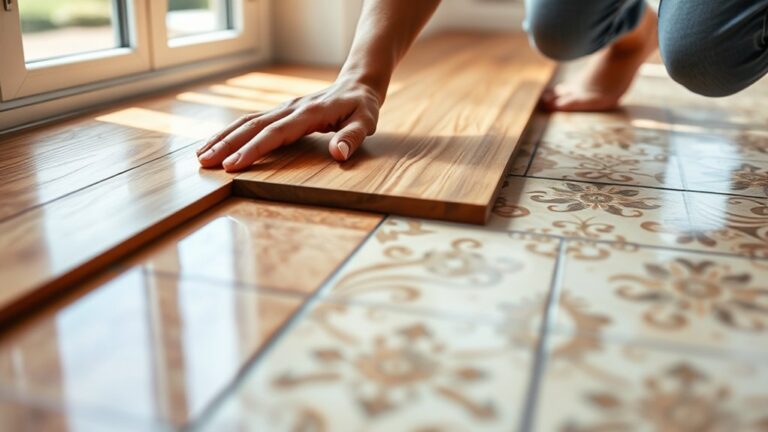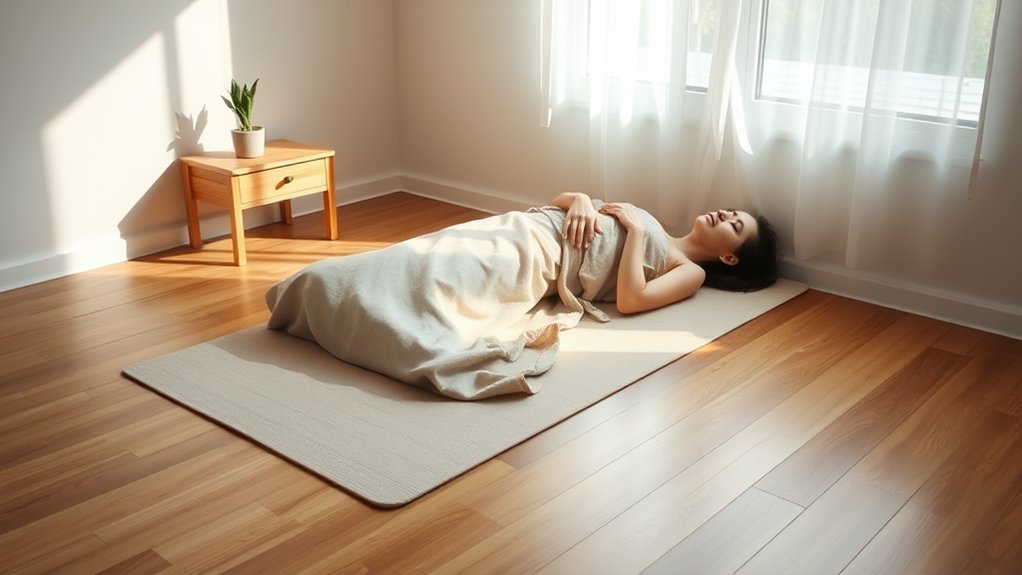
Can Sleeping on the Floor Be Good for You
You might wonder if sleeping on the floor could improve your sleep quality or posture. Sleeping on the floor can offer benefits such as promoting better spinal alignment and reducing pressure points due to the firmer surface.
However, it’s not without potential downsides like discomfort or cold exposure. Before making the switch, it’s important to weigh these factors carefully. Consider how your body might adapt to this unconventional choice.
Key Takeaways
- Sleeping on a firm floor surface can improve spinal alignment and reduce joint or muscle pressure.
- It may enhance sleep quality by promoting deeper, more restful rest through better support.
- Cultural and minimalist lifestyle trends are increasing acceptance of floor sleeping.
- Common drawbacks include potential joint discomfort, cold exposure, and hygiene concerns.
- Experts recommend gradual transition and proper padding to safely adapt to floor sleeping benefits.
Why More People Are Choosing to Sleep on the Floor?
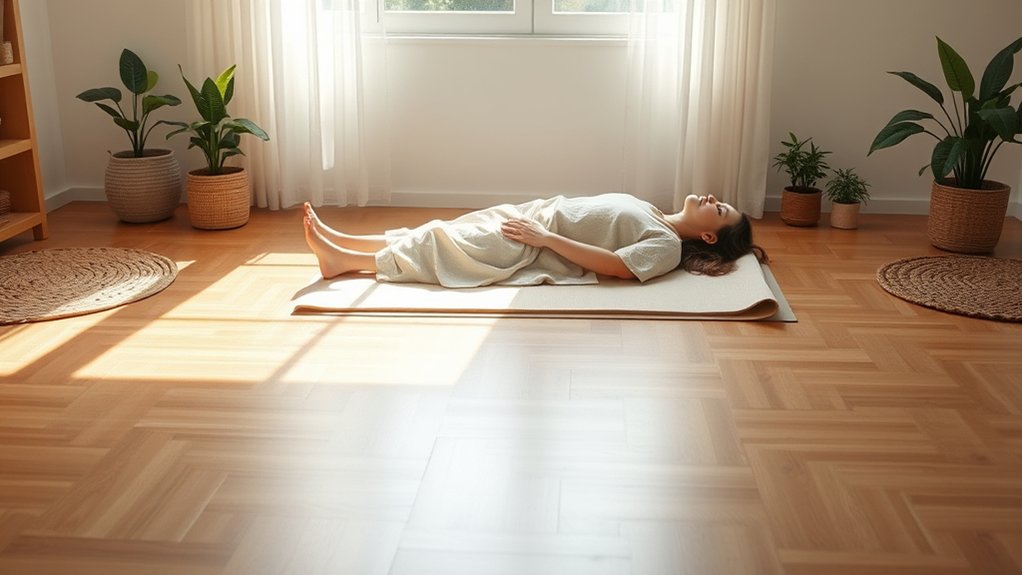
Why are more people choosing to sleep on the floor? You might find that traditional mattresses don’t always improve your sleep quality, prompting you to explore alternatives like floor sleeping.
Research suggests that a firmer surface can align your spine better, potentially enhancing rest. Additionally, you may notice that social perceptions around floor sleeping are shifting.
Once considered unconventional or even uncomfortable, it’s now gaining acceptance due to its simplicity and potential benefits. Influences from minimalist lifestyles and cultural practices have normalized this habit in many communities.
What Health Benefits Does Sleeping on the Floor Offer?
Choosing to sleep on the floor can offer several health benefits backed by research and anecdotal evidence. If you’re seeking to improve your sleep quality and overall well-being, consider these key 건강 benefits:
- Enhanced Spinal Alignment: Sleeping on a firm surface encourages proper spine alignment, reducing pressure on joints and muscles. This can alleviate back and neck pain.
- Improved Sleep Quality: Some studies suggest that a firmer sleeping surface can help you maintain a more stable sleeping position, leading to deeper, more restful sleep.
- Better Circulation: By avoiding excessive sinking into soft mattresses, floor sleeping may promote better blood flow, reducing numbness and discomfort during the night.
These benefits highlight why floor sleeping might be a simple yet effective strategy to boost your health naturally.
What Are the Common Drawbacks and Discomforts of Sleeping on the Floor?

How comfortable you feel sleeping on the floor largely depends on your body type and existing health conditions. While some promote floor sleeping as a health trend, be cautious of unrelated topic claims disguised as a marketing angle. Common drawbacks include increased pressure on joints, difficulty maintaining warmth, and potential aggravation of chronic pain.
| Drawback | Description |
|---|---|
| Joint Discomfort | Hard surfaces may worsen knee or hip pain |
| Poor Insulation | Cold floors can lower body temperature |
| Hygiene Concerns | Floors harbor dust and allergens |
| Sleep Quality Issues | Hardness may reduce deep sleep phases |
| Mobility Challenges | Getting up can be difficult for some |
Understanding these factors helps you weigh if floor sleeping suits your needs without falling for misleading claims.
What Do Experts Say About Sleeping Directly on the Floor?
What do medical professionals say about sleeping directly on the floor? Experts say floor sleeping offers some potential benefits discussed in research but also comes with caveats. Here’s what you should know:
- Improved Spinal Alignment: Some experts say floor sleeping can promote better posture by encouraging a neutral spine position, which may reduce back pain over time.
- Increased Firmness Support: The firm surface can prevent sinking into soft mattresses, potentially improving musculoskeletal health, though it’s not ideal for everyone.
- Risk Considerations: Experts caution about cold exposure, pressure points, and hygiene issues, which might outweigh benefits for certain individuals.
How Can You Transition Safely to Sleeping on the Floor?
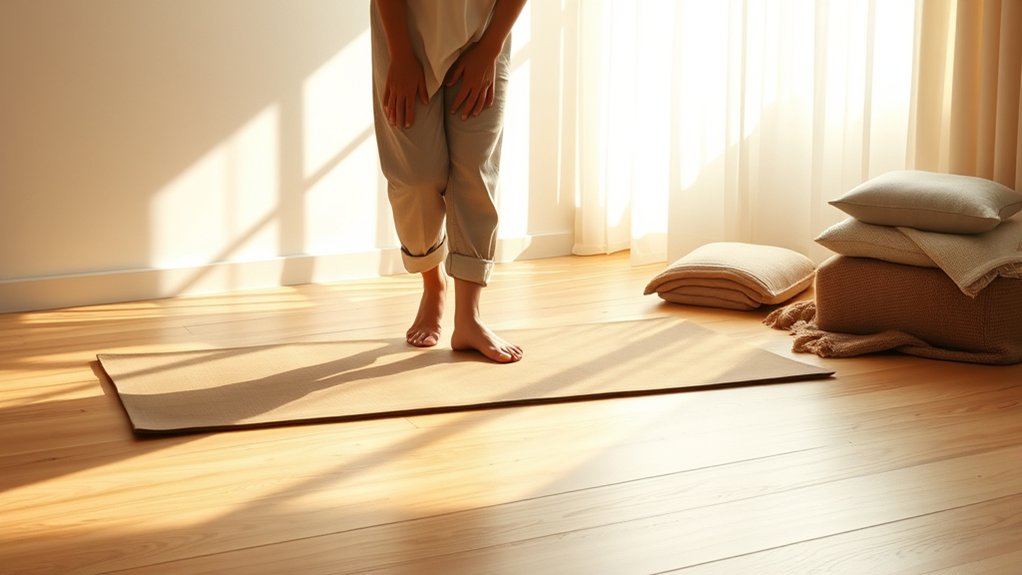
While floor sleeping may offer benefits like improved spinal alignment, adapting to this new habit requires careful steps to avoid discomfort or injury. Gradually adjust your sleeping routines by spending short periods on the floor before committing to full nights. Ensure your floor setup includes a thin mat or blanket to cushion pressure points without compromising firmness.
| Step | Recommendation | Reason |
|---|---|---|
| Gradual Exposure | Start with 15-30 mins/day | Allows your body to adapt |
| Proper Setup | Use a thin mat or blanket | Provides minimal cushioning |
| Consistency | Maintain regular sleeping routines | Supports habit formation and adaptation |
Following these guidelines helps you transition safely while minimizing risks associated with sudden changes in sleep surfaces.
What Tips Make Sleeping on the Floor Comfortable and Effective?
To make sleeping on the floor comfortable and effective, you’ll need supportive bedding that cushions pressure points without compromising firmness. Maintaining proper body alignment is essential to avoid strain and guarantee restful sleep.
Start with gradual adjustment techniques to help your body adapt safely over time.
Choosing Supportive Bedding
How can you make sleeping on the floor both comfortable and supportive? Prioritizing a comfort focus and proper floor insulation is key. Here are three tips to help:
- Use a high-density foam pad or firm mattress: These provide adequate cushioning without sacrificing support, reducing pressure points while maintaining spinal stability.
- Incorporate a natural fiber mat or rug: This adds floor insulation, preventing cold air from affecting your body temperature and enhancing overall comfort.
- Add a thin, supportive topper: Memory foam or latex toppers can improve comfort focus by contouring to your body, balancing firmness with softness.
Maintaining Proper Body Alignment
Ensuring your body stays properly aligned during floor sleeping enhances comfort and prevents strain. When you practice floor first sleeping, maintaining neutral posture alignment is key.
Lie on your back with a thin cushioning layer to support natural spinal curves without causing sinking. Use a small pillow or folded towel under your neck to keep your cervical spine aligned. Avoid placing thick pillows under your head, as they may disrupt posture alignment.
If you prefer side sleeping, position a pillow between your knees to stabilize hips and reduce lower back stress. Keep your limbs relaxed and avoid twisting your torso. These adjustments promote even weight distribution, reduce pressure points, and help your musculoskeletal system adapt safely to floor sleeping.
Gradual Adjustment Techniques
Why should you ease into floor sleeping rather than switching overnight? A gradual adjustment helps your body adapt to firmer support, minimizing discomfort and potential strain. Sudden change can disrupt sleep quality and cause soreness.
To make floor sleeping comfortable and effective, try these floor techniques:
- Start with short sessions: Sleep on the floor for 30 minutes to an hour before gradually increasing duration over weeks.
- Use supportive padding: Begin with a thin mat or blanket to cushion pressure points without losing firmness.
- Adjust sleeping position: Experiment with side or back sleeping to find what maintains proper alignment and reduces strain.
Implementing these gradual adjustment techniques allows your musculoskeletal system to adapt safely, promoting restorative sleep and reducing injury risk.
Frequently Asked Questions
Does Sleeping on the Floor Affect Body Temperature Regulation?
Yes, sleeping on the floor can impact your temperature regulation by exposing you to cooler surfaces, which may improve sleep quality if you adapt well. However, it varies, so monitor how your body responds to maintain comfort.
Can Sleeping on the Floor Help With Snoring or Sleep Apnea?
You might find that sleeping on the floor improves posture alignment, which can enhance sleep quality and potentially reduce snoring.
However, for sleep apnea, consult a specialist, as floor sleeping alone isn’t a proven treatment.
What Types of Flooring Are Best for Floor Sleeping?
You might expect soft flooring like plush carpet to be best, but bamboo or cork flooring offers firm yet comfortable support, unlike hard concrete floors. This balance helps maintain posture and reduces pressure points effectively.
Is Floor Sleeping Suitable for Children or Elderly People?
You shouldn’t recommend floor sleeping for children due to child safety concerns like joint strain.
For elderly comfort, it often causes stiffness and pressure points, so a supportive mattress is usually better for their health and mobility.
How Does Floor Sleeping Impact Mattress Lifespan and Maintenance?
Sleeping on the floor improves floor mat durability by reducing pressure and wear compared to bed frames. You’ll avoid frame-related damage, but must maintain mats regularly to prevent moisture buildup and preserve their lifespan effectively.
Conclusion
Sleeping on the floor can feel like grounding yourself to the earth, offering firmer support and potential spinal benefits. But it’s not for everyone—consider your comfort, health, and environment before making the switch. Gradually easing in with proper padding and consistent practice helps your body adjust safely.
Listen to your needs and consult experts if unsure. When done right, floor sleeping can be a simple, effective way to improve rest and posture. Incorporating sleeping on the floor into your routine may provide lasting benefits for your overall well-being.