Are Bathtub Mats Sanitary
It’s a coincidence that many people don’t realize bathtub mats can actually harbor mold and bacteria, despite their intended safety purpose.
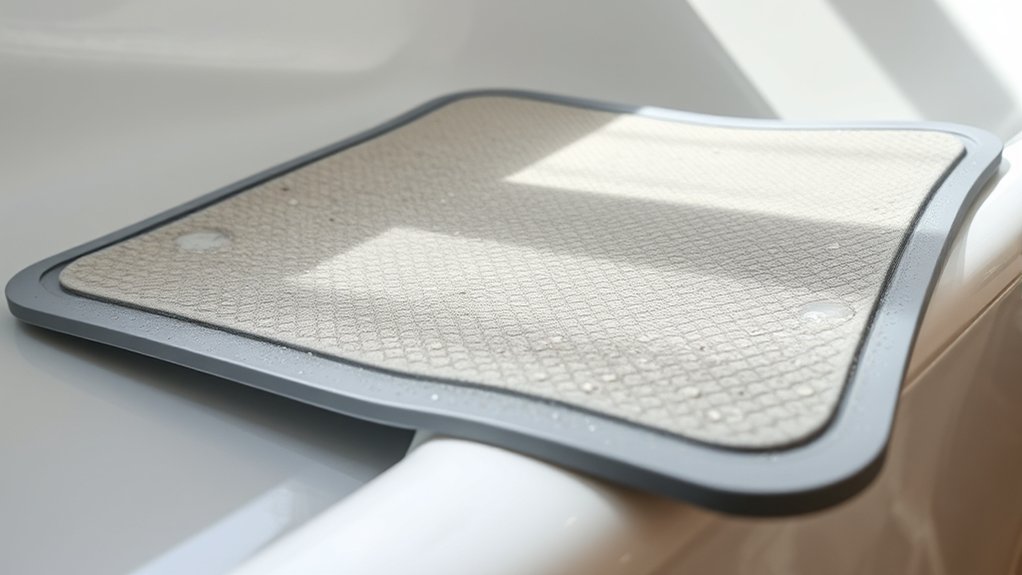
Are bathtub mats sanitary? If you’re using a typical rubber or vinyl mat, moisture and soap residue can get trapped beneath, creating a breeding ground for germs.
Understanding how these mats become unsanitary and what you can do to keep them safe is essential—especially if you want to avoid health risks in your bathroom.
Regular cleaning and proper drying are key to maintaining a hygienic bathtub mat.
Key Takeaways
- Bathtub mats often harbor mold, bacteria, and germs due to trapped moisture and soap residue on non-porous materials.
- Damp, warm environments beneath mats promote microbial growth, making mats potential breeding grounds for mold and bacteria.
- Regular cleaning, rinsing, and thorough drying after each use significantly reduce microbial buildup and improve mat hygiene.
- Replace mats every 6 to 12 months or sooner if persistent odors, discoloration, or surface damage occur to maintain sanitary conditions.
- Choosing antimicrobial or quick-drying materials like silicone or bamboo mats enhances cleanliness and reduces health risks.
Why Bathtub Mats Can Harbor Mold, Bacteria, and Germs
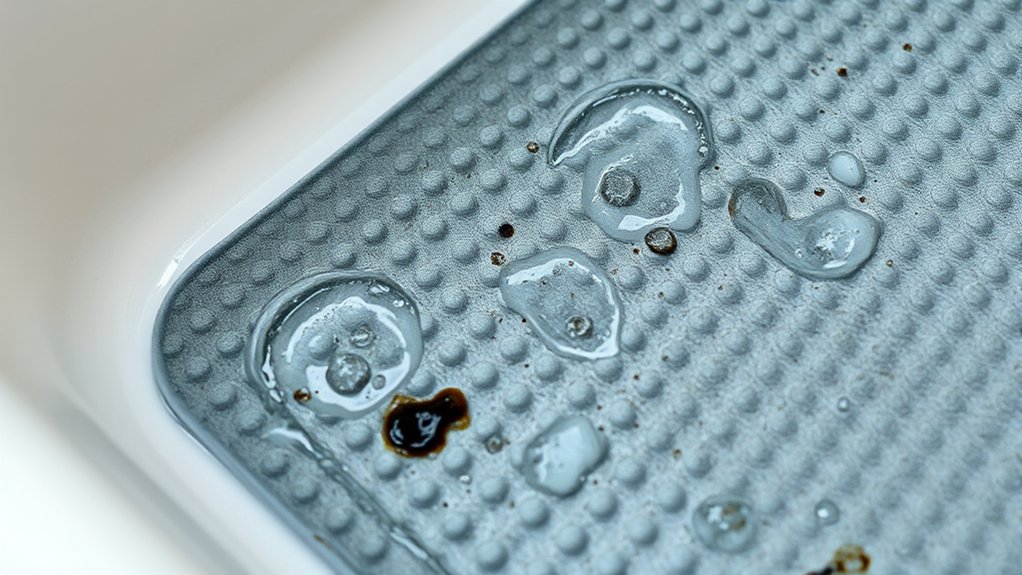
Why do bathtub mats often become breeding grounds for mold, bacteria, and germs? It primarily comes down to moisture retention and the type of mat materials used. Many mats are made from non-porous rubber or vinyl, which trap water underneath, creating a damp environment ideal for microbial growth.
Without proper drying, this moisture encourages mold and bacteria to thrive. Effective mold prevention depends on choosing mats made from quick-drying, antimicrobial materials or those designed for easy cleaning and ventilation.
You can reduce microbial buildup by regularly drying and cleaning your mat, but understanding the mat’s composition is crucial. Selecting mats with mold-resistant properties and ensuring they don’t stay wet will significantly minimize the risk of mold, bacteria, and germs accumulating on your bathtub surface.
How Mold and Bacteria Develop on Bathtub Mats
How exactly do mold and bacteria establish themselves on your bathtub mats? These microorganisms thrive in damp, warm environments where water lingers, such as the surface and underside of your mat. When water remains trapped beneath the mat or within its textured surface, it creates an ideal breeding ground.
Mold and bacteria flourish on bathtub mats where moisture lingers, creating perfect conditions for growth.
Soap residue and dead skin cells further nourish these microbes, accelerating growth. Without proper mat maintenance, moisture accumulates, allowing mold spores and bacteria to multiply rapidly.
Effective mold prevention requires ensuring your mat dries completely between uses, reducing water retention. Additionally, selecting mats made from quick-drying materials and regularly inspecting for mildew can help inhibit microbial development.
Understanding this process highlights why consistent care is essential to keep your bathtub mats sanitary and safe.
How Often Should You Clean Your Bathtub Mat to Prevent Germs?
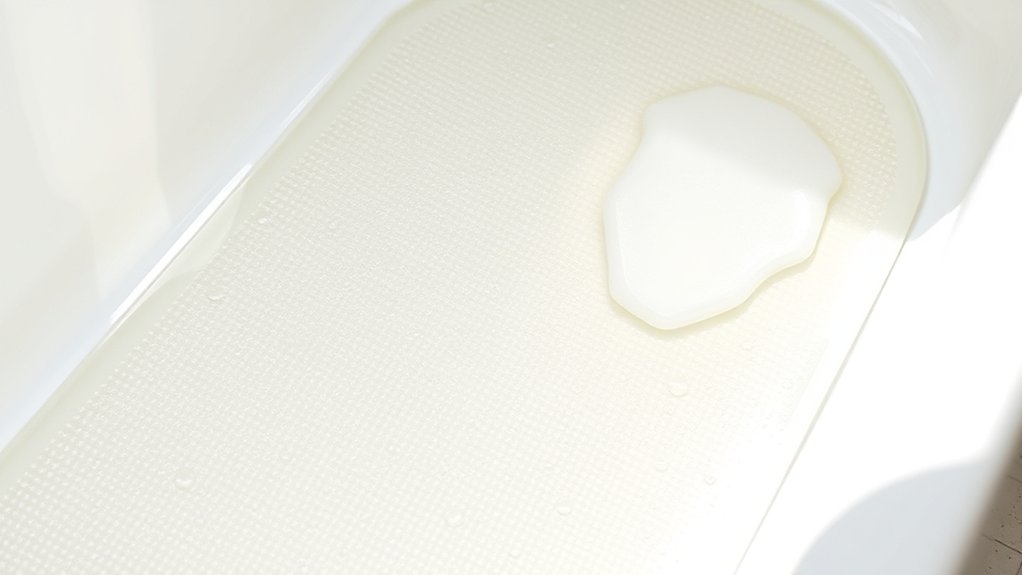
When should you clean your bathtub mat to effectively prevent the buildup of germs? Experts recommend cleaning your mat at least once a week to maintain tub safety and reduce microbial growth. Factors like bathroom lighting and humidity can accelerate mold formation, making regular cleaning essential.
Consider these guidelines:
- Clean more frequently if your bathroom lighting is dim, as moisture lingers longer.
- Wash mats immediately after visible mold appears.
- Rinse and dry the mat after each use to minimize bacteria.
- Replace mats every 6-12 months, depending on wear and hygiene.
- Increase cleaning frequency in shared or high-traffic bathrooms.
Following this schedule helps prevent slippery surfaces and maintains a hygienic bathing environment.
Best Ways to Clean and Disinfect Your Bathtub Mat
Where should you start when cleaning and disinfecting your bathtub mat to ensure it stays germ-free? Begin by removing the mat and rinsing it thoroughly to eliminate soap residue and dirt. Avoid common cleaning myths like using bleach on colored mats, as this can damage mat color durability.
Instead, scrub with a mixture of baking soda and vinegar or use a mild detergent. After scrubbing, rinse well and air-dry completely to prevent mold growth.
| Step | Why It Matters |
|---|---|
| Rinse | Removes loose debris |
| Avoid bleach | Preserves mat color durability |
| Use mild detergent | Effectively cleans and disinfects |
| Scrub thoroughly | Dislodges bacteria |
| Air dry | Prevents mold and mildew |
Following these steps keeps your mat hygienic without compromising its lifespan.
Which Bathtub Mats Stay Cleaner and Safer Longer?
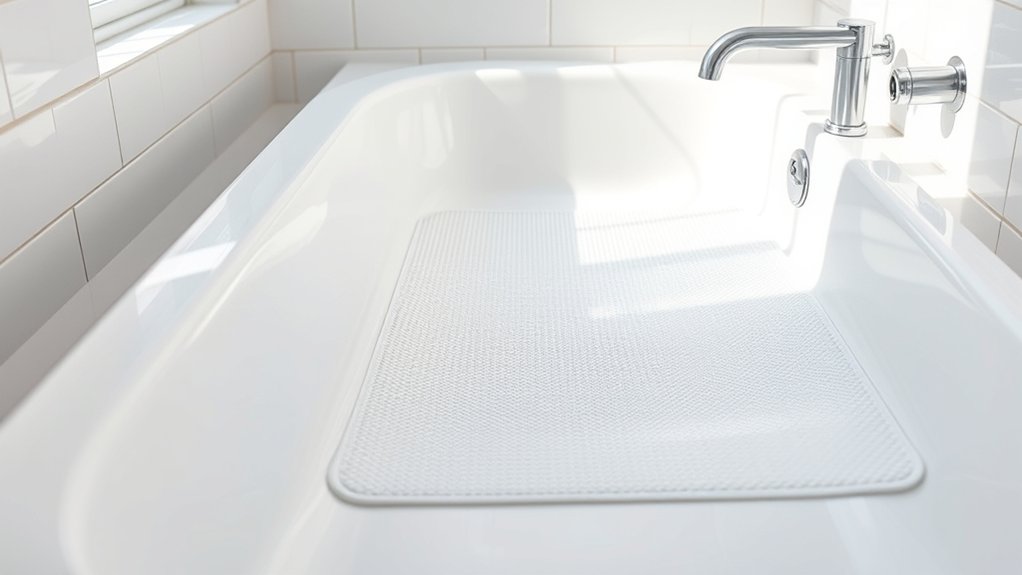
You’ll find that the material of your bathtub mat plays a crucial role in how well it resists mold and bacteria buildup. Mats made from antimicrobial materials can significantly reduce microbial growth, keeping the surface cleaner for longer.
Choosing these features helps maintain a safer, more hygienic bathroom environment with less frequent cleaning.
Material Impact On Cleanliness
How do different materials affect the cleanliness and safety of bathtub mats over time? Your choice of material directly influences how long the mat stays sanitary and slip-resistant. Here’s what to consider:
- Eco friendly materials like natural rubber resist mold and mildew better than synthetic options.
- Mats with non slip designs enhance safety without trapping dirt in grooves.
- Vinyl mats tend to retain moisture, promoting bacterial growth if not dried properly.
- Silicone mats dry quickly and resist grime buildup, maintaining hygiene longer.
- Fabric mats, while soft, absorb water and require frequent washing to stay clean.
Choosing mats made from quick-drying, mold-resistant materials with effective non slip features helps keep your bathtub safer and cleaner for longer periods.
Antimicrobial Features Benefits
Selecting the right material lays the foundation for maintaining a clean and safe bathtub environment, but incorporating antimicrobial features takes hygiene a step further. Bathtub mats treated with antimicrobial coatings inhibit the growth of bacteria, mold, and mildew, which are common sources of odors and potential health risks.
These coatings work by disrupting microbial cell membranes, reducing microbial populations significantly over time. As a result, mats with antimicrobial properties offer enhanced odor control, preventing unpleasant smells that often develop in damp conditions.
How to Prevent Mold and Mildew From Growing on Bathtub Mats
Why does mold and mildew tend to thrive on bathtub mats? These damp, warm surfaces create ideal conditions for fungal growth. To ensure effective mold prevention and proper bathtub maintenance, you need to act proactively.
Here’s how you can stop mold and mildew from developing on your mat:
- Remove the mat after each use to let it dry completely.
- Wash the mat regularly with hot water and a mild detergent.
- Use a solution of vinegar or hydrogen peroxide to disinfect and inhibit fungal growth.
- Ensure good bathroom ventilation by running exhaust fans or opening windows.
- Replace mats made from materials prone to retaining moisture with quick-drying alternatives.
Following these steps limits moisture buildup and fungal colonization, maintaining a sanitary bathtub environment.
When to Replace Your Bathtub Mat for Health and Safety
You should replace your bathtub mat when you notice signs of wear like cracks or persistent mold and mildew growth, as these can pose health risks. Experts recommend changing mats every 6 to 12 months to maintain hygiene and safety.
Regular inspection helps you avoid potential skin irritations and bacterial buildup.
Signs of Wear
How can you tell when it’s time to replace your bathtub mat? Recognizing signs of wear is vital for maintaining hygiene and safety. Ignoring these indicators isn’t an unrelated topic or off topic discussion. It directly impacts your health.
Look for these clear signs:
- Cracks or tears in the material reducing grip
- Discoloration or persistent stains despite cleaning
- Curling edges that create tripping hazards
- Detachment of suction cups or adhesive backing
- Unpleasant odors that don’t dissipate
Each sign suggests the mat’s effectiveness is compromised, increasing the risk of slips or bacterial buildup. Replace your mat promptly once you notice these issues to guarantee a clean, safe bathing environment without delay.
Mold and Mildew Risks
When should you consider replacing your bathtub mat due to mold and mildew? Even if you clean regularly, mats can harbor mold and mildew in hidden crevices, posing health risks like allergies and respiratory issues. Don’t fall for mold myths or mildew myths that suggest visible spots are the only concern. Microscopic spores can also be harmful.
Replace your mat if you notice persistent odors, discoloration, or texture changes despite cleaning.
| Warning Sign | Emotional Impact |
|---|---|
| Persistent odor | Discomfort, unease |
| Visible discoloration | Concern, anxiety |
| Texture changes | Distrust, urgency |
Addressing mold and mildew promptly helps maintain a sanitary space and protects your health.
Recommended Replacement Frequency
Persistent mold, mildew, and wear signal the need to replace your bathtub mat to maintain a healthy environment. Regular replacement is essential to prevent mold growth that compromises bathroom safety.
Experts recommend assessing your mat’s condition every few months. Consider these guidelines for replacement:
- Replace every 6-12 months under normal use
- Sooner if you notice persistent mold or mildew
- Immediately if the mat’s surface is cracked or peeling
- After prolonged exposure to moisture without proper drying
- If it emits a strong odor despite cleaning
Safer Alternatives to Traditional Bathtub Mats
Why settle for traditional bathtub mats that often harbor bacteria and lose grip over time? You can choose safer alternatives designed with mold prevention and antimicrobial benefits to enhance hygiene and safety.
For example, silicone mats resist mold growth and are easy to clean, while bamboo mats naturally inhibit microbial development. Vinyl mats with antimicrobial coatings also reduce bacterial buildup. Here’s a quick comparison:
| Alternative Type | Key Benefits |
|---|---|
| Silicone Mats | Mold prevention, durability |
| Bamboo Mats | Natural antimicrobial properties |
| Vinyl Mats | Antimicrobial coatings, easy cleaning |
| Suction-Cup Mats | Enhanced grip, washable materials |
Selecting these options helps maintain a sanitary environment and reduces health risks linked to traditional mats.
Frequently Asked Questions
Are Bathtub Mats Safe for Children and Pets?
You can keep children and pets safe with bathtub mats if you choose non-toxic, mold-resistant material composition. Regular cleaning assures bathroom safety by preventing slips and bacterial growth, reducing health risks effectively.
Can Bathtub Mats Cause Allergic Reactions?
Yes, bathtub mats can cause allergic reactions if you’re sensitive to certain materials or cleaning chemicals. To reduce risks, choose hypoallergenic mats made from safe, non-toxic materials. Clean them regularly to avoid allergic triggers.
Do Antibacterial Bathtub Mats Really Work?
You might expect antibacterial bathtub mats to eliminate germs completely, but their antibacterial efficacy varies widely. While some materials maintain durability and resist bacteria, others degrade quickly, reducing protection and requiring frequent replacement to stay effective.
How Do Bathtub Mats Affect Bathroom Humidity Levels?
Bathtub mats can trap moisture, increasing bathtub humidity if you don’t dry them properly. You should ensure bathroom ventilation is effective to reduce humidity levels, preventing mold growth and maintaining a healthier bathroom environment.
Are There Eco-Friendly Materials Used in Bathtub Mats?
Like a breath of fresh air, eco-friendly bathtub mat materials such as bamboo, natural rubber, and organic cotton reduce environmental impact. You’ll find these sustainable options durable, non-toxic, and resistant to mold, promoting a healthier bathroom.
Conclusion
When it comes to bathtub mats, remember that “an ounce of prevention is worth a pound of cure.” Regular cleaning, thorough drying, and timely replacement are key to keeping mold and bacteria at bay.
Choose mats made of silicone or bamboo to reduce moisture retention and germ growth. These materials help maintain a cleaner surface and prevent the buildup of harmful microbes.
By staying proactive, you’ll maintain a safer, cleaner bathroom environment and protect your health without hassle or worry. Ultimately, understanding whether bathtub mats are sanitary depends on consistent care and proper material choice.