Can a Cold Shower Be Too Cold
You might think colder is always better when it comes to cold showers, but pushing the temperature too low can trigger serious stress responses in your body.
Excessive cold can cause numbness, dizziness, or dangerous drops in circulation, especially if you have underlying heart conditions.
Understanding how cold your shower should be and recognizing when it’s too much is essential.
This knowledge helps you avoid harm and build tolerance safely.
Key Takeaways
- Showers below 50°F (10°C) can cause numbness, vasoconstriction, and increase hypothermia risk.
- Sudden exposure to very cold water may trigger shock or cardiovascular stress, especially in vulnerable individuals.
- Intense shivering, dizziness, or difficulty breathing during cold showers signal the need to stop or adjust temperature.
- Gradual temperature reduction and limiting exposure time help prevent adverse effects from overly cold showers.
- Cold showers around 60°F (15.5°C) are generally safe, but those with heart or circulatory issues should consult a doctor.
How Cold Is Too Cold for Your Shower?
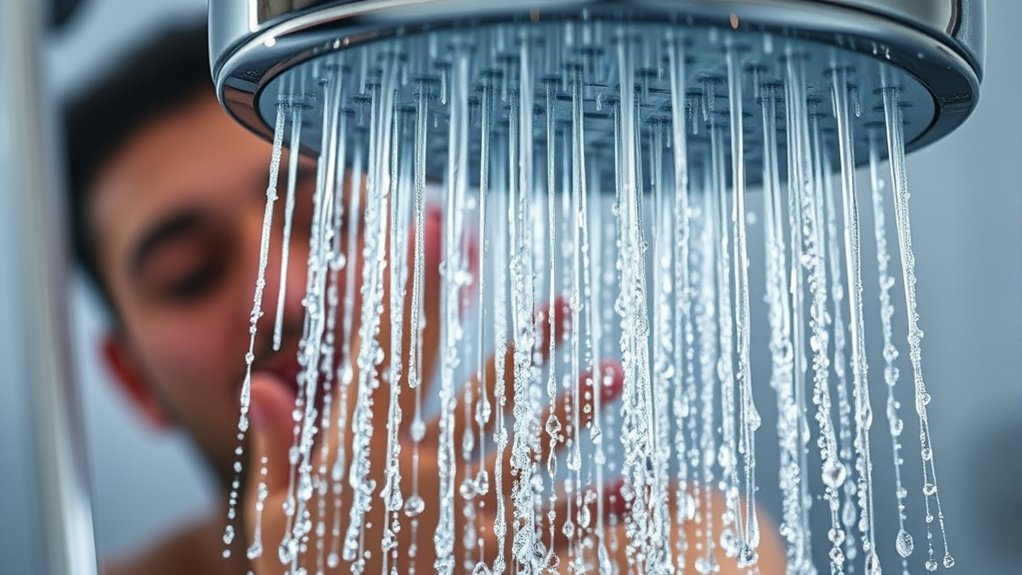
How cold should your shower water be before it becomes harmful? Generally, water temperatures below 60°F (15.5°C) during cold immersion can increase risks of hypothermia and shock, especially without proper startup precautions.
When you expose your body to very cold water suddenly, your cardiovascular system reacts sharply. To prevent adverse effects, gradually decrease water temperature, allowing your body to adapt.
Avoid prolonged exposure to water below 50°F (10°C), as it may cause vasoconstriction and numbness, leading to potential tissue damage. For healthy individuals, brief cold showers around 60°F are typically safe, but those with heart conditions or circulatory problems should consult a healthcare professional before attempting cold immersion.
How Your Body Reacts to Very Cold Showers
Why does your body react so intensely to very cold showers? When the water is too cold, your body triggers a physiological response to preserve core temperature. Blood vessels constrict, reducing blood flow to the skin and extremities, which helps minimize heat loss. This vasoconstriction can cause numbness and a tingling sensation.
Your heart rate may increase as your body attempts to maintain circulation under stress. Additionally, cold exposure activates the sympathetic nervous system, leading to rapid breathing and heightened alertness. If the water is excessively cold, these responses intensify, potentially causing discomfort or even shock.
Understanding these reactions helps you gauge how your body tolerates cold showers and why water that’s too cold can be more harmful than invigorating.
Warning Signs to Stop or Adjust Your Cold Shower
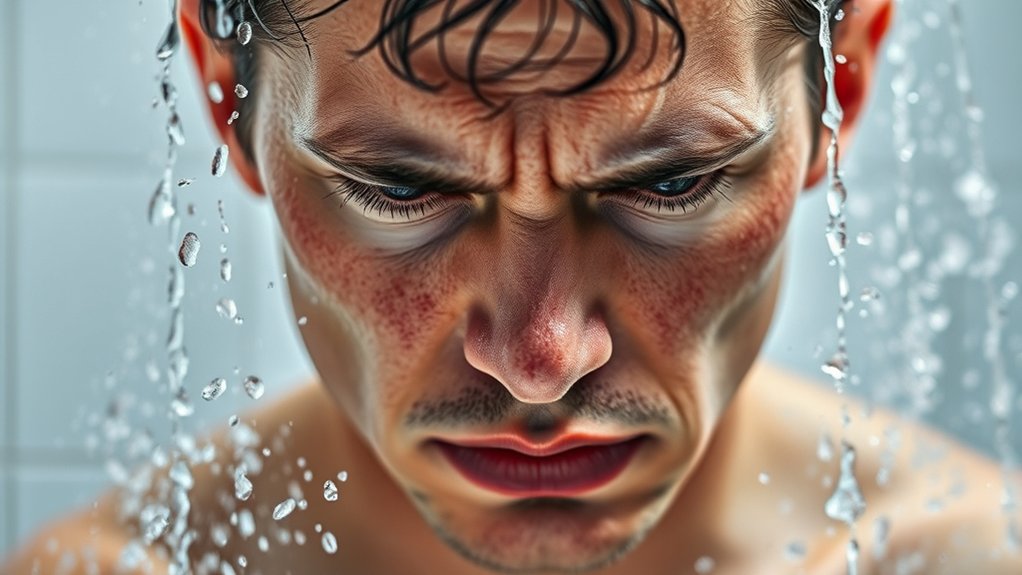
Recognizing when your body signals distress during a cold shower is essential for your safety and comfort. Key warning signs include intense shivering, numbness, dizziness, or difficulty breathing. If you experience any of these symptoms, stop the shower immediately or reduce the water temperature.
Persistent tingling or skin color changes, such as excessive paleness or bluish tones, also indicate adjustments needed to avoid cold-induced injury. Listen closely to your body’s responses; discomfort beyond initial shock suggests the cold exposure is excessive.
Making timely modifications helps prevent hypothermia and circulatory strain. Always prioritize gradual acclimation and avoid pushing your limits. Monitoring these warning signs ensures you gain the benefits of cold showers safely without compromising your health.
Choosing the Right Cold Shower Temperature
What temperature should you set for an effective yet safe cold shower? When choosing temperature, aim for water between 50°F and 60°F (10°C–15.5°C). This range stimulates cold adaptation without causing excessive stress or risk of hypothermia.
Starting at the higher end allows your body to gradually acclimate, minimizing shock. As you build tolerance, you can lower the temperature incrementally, promoting enhanced physiological responses like improved circulation and metabolic activation.
Avoid extreme cold below 50°F initially, as it may trigger adverse reactions. Remember, cold adaptation occurs progressively, so selecting a temperature that challenges you without overwhelming your system is crucial.
How to Lower Your Shower Temperature Safely
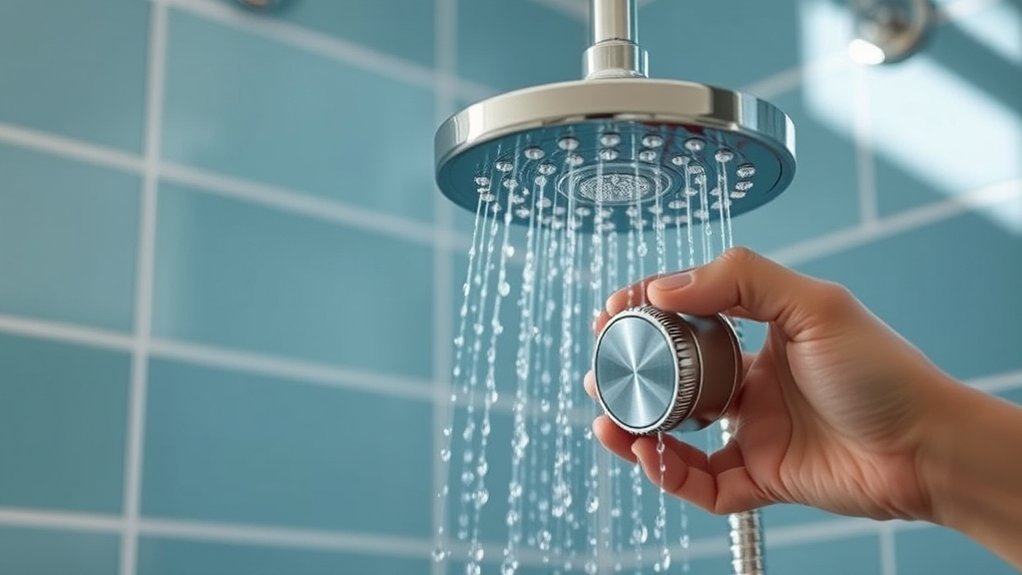
How can you safely lower your shower temperature to reap the benefits of cold exposure without risking discomfort or harm? Managing stimulus intensity while maintaining risk awareness is crucial. Follow these steps:
- Gradual Adjustment: Decrease the temperature incrementally over days to allow your body to acclimate without shock.
- Monitor Sensation: Pay attention to your skin’s response; numbness or excessive shivering signals excessive stimulus intensity.
- Limit Exposure Time: Start with short durations (30 seconds to 1 minute) to reduce risk, then progressively increase as tolerated.
- Use a Thermometer: Verify water temperature to ensure it remains within a safe range, typically above 50°F (10°C), to prevent hypothermia.
Frequently Asked Questions
Can Cold Showers Improve Mental Health?
Yes, cold showers can improve your mental health by enhancing mindfulness effects and reducing fatigue. You’ll experience heightened alertness and stress relief, promoting better emotional regulation and overall cognitive function through consistent exposure.
Do Cold Showers Help With Muscle Recovery?
Yes, cold showers activate recovery mechanisms by reducing inflammation and muscle soreness. You’ll experience decreased swelling and faster repair, helping your muscles recover efficiently after intense exercise or physical activity.
How Often Should I Take Cold Showers for Benefits?
Like a disciplined Spartan, you should take cold showers three to four times weekly. This routine frequency balances benefits without overexposure, ensuring your body adapts efficiently to the invigorating effects cold showers provide.
Can Cold Showers Boost My Immune System?
Yes, cold showers can boost your immune system by triggering an immune response through thermal stress. This activates white blood cells and enhances circulation, potentially improving your body’s ability to fight infections and reduce inflammation.
Are Cold Showers Safe for Children and Elderly?
You shouldn’t plunge children or elderly into icy torrents; cold safety matters. Their bodies need gentle temperature shifts and elderly hydration support to avoid shocks or hypothermia. Always monitor duration and water temperature carefully for their wellbeing.