Are Shower Sponges Hygienic
If you think your shower sponge is a simple tool for cleanliness, think again—are shower sponges hygienic? Its porous structure traps moisture, creating an ideal environment for bacteria and mold growth.
Without proper care, your sponge might be doing more harm than good. Understanding how to maintain hygiene with these everyday items is essential, especially if you want to avoid potential skin issues or infections.
Key Takeaways
- Shower sponges’ porous structure traps moisture and soap residue, creating ideal conditions for microbial growth and contamination.
- Inadequate drying and storage in damp, enclosed spaces increase bacteria and mold proliferation on sponges.
- Regular cleaning, thorough drying, and weekly deep sanitizing reduce microbial buildup and improve sponge hygiene.
- Visible mold, persistent odor, or texture changes signal microbial colonization and the need to replace sponges.
- Alternatives like silicone scrubbers or washcloths offer more hygienic options with less microbial growth risk.
What Are Shower Sponges Made Of and How Do They Work
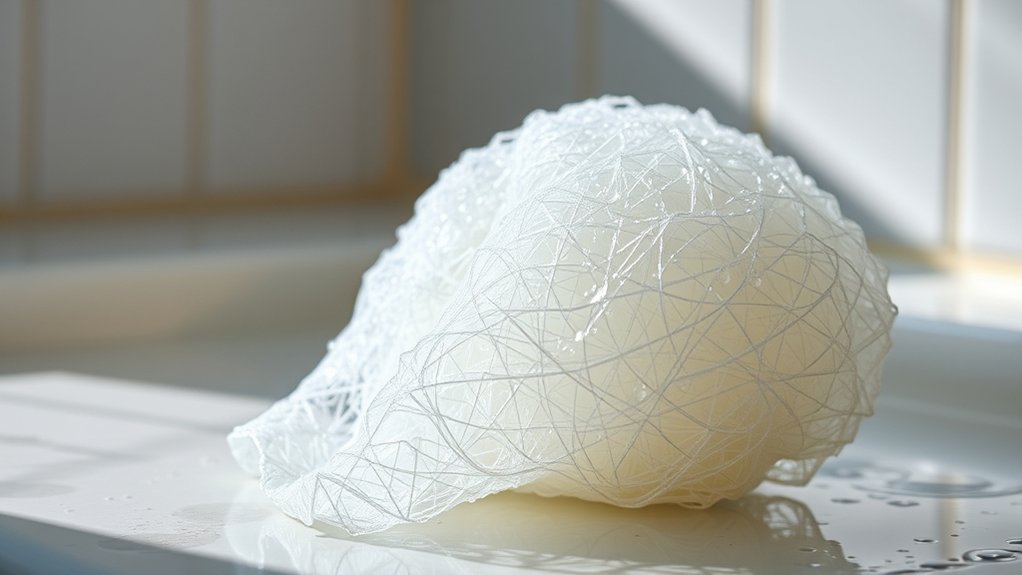
How exactly do shower sponges function, and what materials compose them? Typically, shower sponges consist of synthetic polymers like nylon or polyethylene, designed to create a porous structure that traps soap and water effectively.
When you use a shower sponge, its surface increases friction, helping to exfoliate your skin by removing dead cells. Some advanced shower sponge sensors are embedded to detect moisture levels and notify you when the sponge needs replacing, enhancing hygiene.
Additionally, many manufacturers now prioritize ethical packaging, opting for biodegradable or recyclable materials to reduce environmental impact. Understanding the composition and function of shower sponges helps you make informed choices about your bathing tools, ensuring both effective cleansing and responsible consumption without compromising convenience or hygiene.
How Your Shower Sponge Can Grow Bacteria and Mold
Your shower sponge stays damp, creating an ideal environment for bacteria to multiply. Soap residue left on the sponge provides nutrients that fuel microbial growth.
If the sponge doesn’t dry properly, mold can develop and spread quickly.
Moisture Encourages Microbial Growth
Why does moisture create an ideal environment for microbial growth on shower sponges? Moisture management is crucial because damp conditions support bacteria and mold proliferation.
Your sponge retains water after use, providing a habitat where microbes thrive. Without proper drying, microbial growth accelerates, increasing contamination risks.
| Factor | Effect on Microbial Growth |
|---|---|
| Moisture Level | High moisture boosts growth |
| Air Circulation | Poor airflow traps humidity |
| Sponge Material | Porous materials hold water |
| Drying Time | Longer wet periods aid microbes |
Soap Residue Feeds Bacteria
Along with moisture, soap residue left on shower sponges provides a nutrient source that encourages bacterial and mold growth. When you use your sponge, soap molecules cling to its porous structure, creating an environment rich in organic material.
This residue fuels microbial growth by supplying essential nutrients that bacteria and fungi need to multiply. Over time, these organisms form biofilms, complex communities that are resistant to simple rinsing.
This buildup poses hygienic risks, as pathogenic bacteria may proliferate, potentially leading to skin irritation or infections. Maintaining sponge hygiene requires regular cleaning to remove soap residues and disrupt microbial colonies.
Ignoring this can significantly increase the microbial load on your sponge, undermining its cleanliness and safety during use.
Poor Drying Causes Mold
How quickly does your shower sponge dry after use? Moist environments promote bacterial and mold growth, especially when sponges remain damp for extended periods. Poor drying creates ideal conditions for microorganisms to thrive, compromising hygiene.
To minimize this risk, you should use effective drying techniques such as hanging your sponge in well-ventilated areas or using antimicrobial holders that allow airflow. Additionally, consider sponges made from alternative materials like silicone or quick-drying synthetic fibers; these tend to retain less moisture and inhibit microbial proliferation.
Regularly replacing your sponge, combined with proper drying methods, significantly reduces mold development. By understanding how moisture retention affects microbial growth, you can maintain better hygiene and extend the usability of your shower sponge safely.
How to Tell If Your Shower Sponge Needs Replacing
When should you replace your shower sponge to maintain ideal hygiene? Addressing this question requires debunking common hygiene myths and focusing on concrete signs. Don’t rely on vague two word discussion ideas like “looks old.” Instead, observe these clear indicators:
- Visible mold or mildew growth, which signals microbial colonization.
- Persistent unpleasant odor resistant to rinsing, indicating bacterial buildup.
- Noticeable change in texture, such as fraying or disintegration, reducing effectiveness and harboring pathogens.
Scientific evidence shows that these signs correlate with increased microbial load, compromising your sponge’s safety. Replacing your sponge upon detecting any of these ensures you avoid contamination risks. By doing so, you maintain ideal cleanliness and reduce potential skin infections linked to improper sponge hygiene.
When to Replace Your Shower Sponge for Hygiene
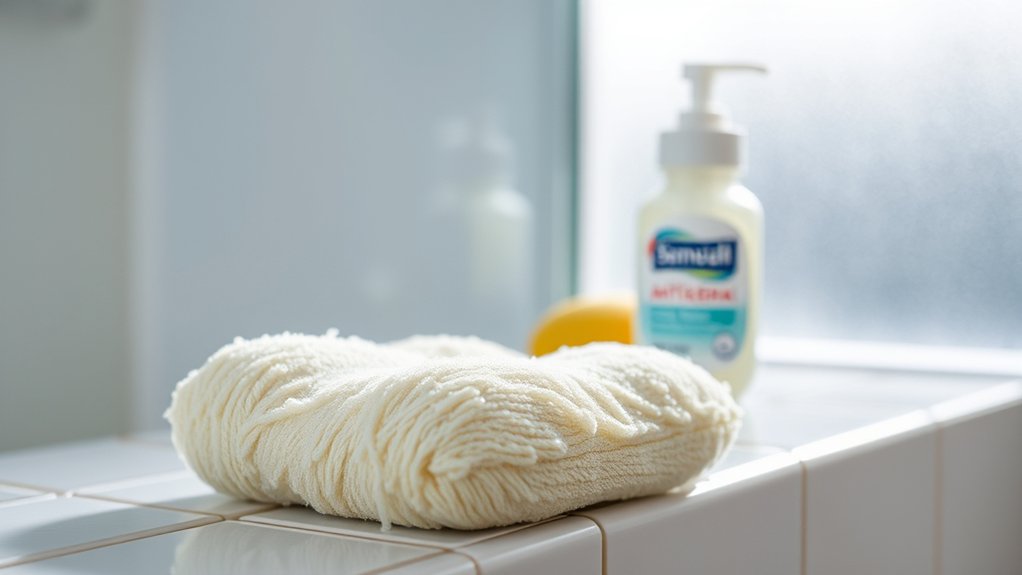
Why should you replace your shower sponge regularly to maintain hygiene? Over time, sponges accumulate bacteria, fungi, and dead skin cells, creating a breeding ground for pathogens.
Scientific studies indicate replacing your sponge every three to four weeks minimizes microbial buildup, reducing infection risks. Pay attention to signs like odor or fraying, which signal compromised hygiene.
Brands often use marketing angles emphasizing “natural” or “antibacterial” properties, but these claims don’t replace consistent replacement. For content originality, focus on evidence-based guidance rather than marketing hype.
How to Clean and Sanitize Your Shower Sponge at Home
To maintain your shower sponge’s hygiene, you should rinse it thoroughly after each use to remove soap and debris.
Once a week, perform a deep cleaning using a disinfecting solution to eliminate bacteria and mold. Finally, ensure your sponge dries completely by storing it in a well-ventilated area to prevent microbial growth.
Daily Rinse Techniques
A thorough daily rinse is essential for maintaining your shower sponge’s hygiene and preventing bacterial buildup. After each use, rinse your sponge under warm running water to flush out soap residue and skin cells, which create a breeding ground for microbes. Avoid the unrelated topic of random idea cleaning methods; focus on practical steps.
To effectively rinse your sponge:
- Squeeze the sponge repeatedly to expel trapped water and debris.
- Use running water at a temperature above 40°C (104°F) to reduce microbial presence.
- Shake off excess water and store the sponge in a well-ventilated area to dry rapidly.
Consistent application of these daily rinse techniques helps minimize bacterial growth, ensuring your sponge remains as hygienic as possible between deeper cleanings.
Weekly Deep Cleaning
Although daily rinsing reduces microbial buildup, it’s essential to perform a weekly deep cleaning to thoroughly sanitize your shower sponge. Start by soaking it in a mixture of hot water and white vinegar for 5–10 minutes; this method leverages the antimicrobial properties of acetic acid, a principle rooted in baking science’s understanding of natural preservatives.
After soaking, rinse thoroughly to eliminate loosened debris and microbes. Alternatively, microwaving a damp sponge for 30 seconds can achieve similar sanitation, though avoid this if your sponge contains metal. These two word ideas, “deep cleaning,” highlight the importance of going beyond surface cleaning.
While unrelated topics like space travel might seem distant, they share a focus on contamination control, underscoring how critical hygiene is in varied environments. Regular weekly sanitation helps maintain your sponge’s safety and effectiveness.
Proper Drying Methods
How you dry your shower sponge considerably influences its hygiene and lifespan. Proper drying techniques prevent microbial growth by minimizing moisture retention. After cleaning, ensure you remove excess water by gently squeezing the sponge without twisting, which can damage its structure.
Then, prioritize air circulation to accelerate drying and inhibit bacteria and mold development. Follow these key steps:
- Hang your sponge in a well-ventilated area using a hook or suction cup.
- Avoid storing it in enclosed, damp spaces like shower corners or containers.
- Replace the sponge regularly, as even optimal drying can’t eliminate all microbial buildup.
When to Avoid Using Shower Sponges for Sensitive or Acne-Prone Skin
When should you skip using shower sponges if you have sensitive or acne-prone skin? Avoid them if your skin barrier is compromised or inflamed, as sponges can harbor bacteria and irritants, worsening conditions.
The porous structure, much like ancient ruins that trap moisture and debris, allows microbes to thrive despite rinsing. If you notice increased redness, itching, or breakouts after use, discontinue immediately.
Additionally, if you apply topical treatments containing fresh avocado extracts or other active ingredients, avoid sponges; they can remove these beneficial compounds prematurely, reducing efficacy.
In such cases, opt for gentle hands or soft cloths to cleanse without disrupting your skin’s delicate microbiome. Prioritizing skin health means recognizing when shower sponges do more harm than good for your sensitive or acne-prone skin.
Comparing Shower Sponges and Alternatives for Safer Cleansing
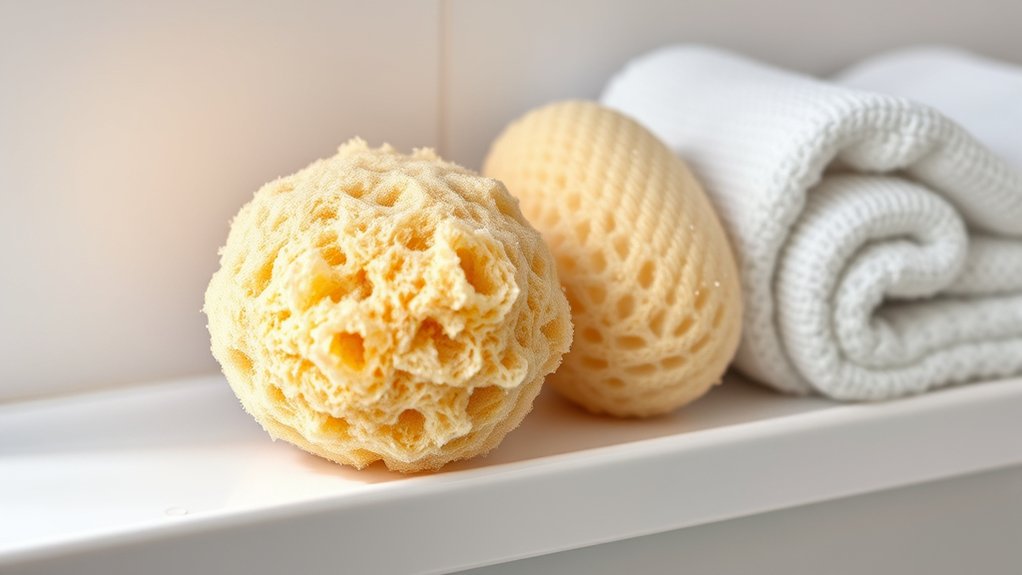
If you’ve experienced irritation or hygiene concerns from shower sponges, exploring safer cleansing alternatives can help protect your skin while maintaining cleanliness. In sponge alternatives, natural options like washcloths, silicone scrubbers, and konjac sponges offer distinct benefits.
Cleansing comparisons reveal that these options reduce bacterial buildup and minimize skin abrasion compared to synthetic sponges.
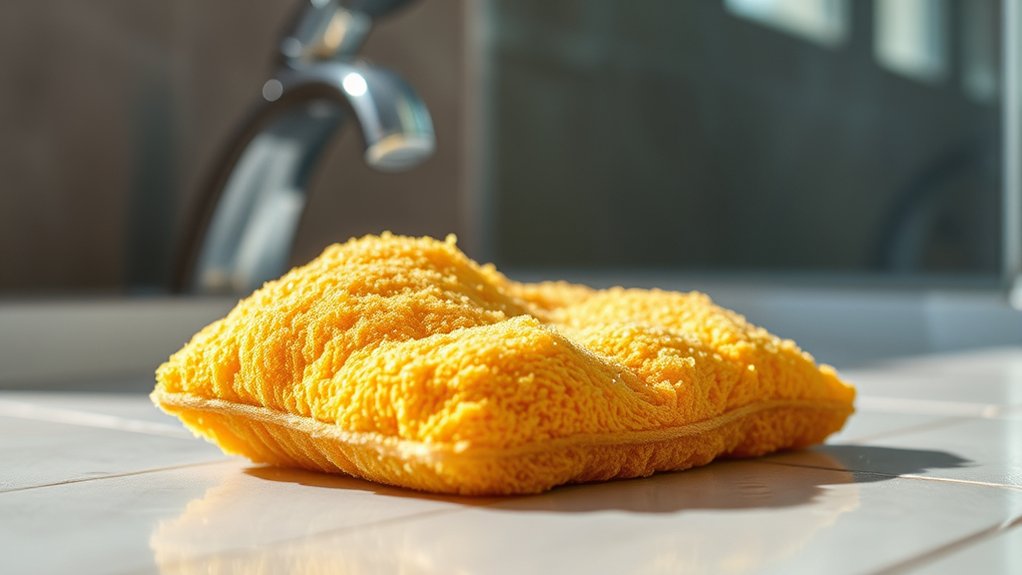
Washcloths: Easy to clean and dry quickly, lowering microbial growth.
Silicone scrubbers: Non-porous, durable, and resistant to mold.
Konjac sponges: Biodegradable, gentle, and suitable for sensitive skin.
Tips to Keep Your Shower Sponge Dry and Mold-Free Between Uses
Regularly allowing your shower sponge to dry thoroughly between uses considerably reduces the risk of mold and bacterial growth. To achieve this, place your sponge in a well-ventilated area, avoiding enclosed spaces where moisture lingers.
Be wary of marketing myths and product labeling that claim antibacterial properties without evidence. Address fragrance concerns by choosing unscented sponges to reduce irritation risks.
Limit exfoliation frequency to prevent skin damage and microbial buildup.
| Tip | Reason | Action |
|---|---|---|
| Dry completely | Prevent mold growth | Hang sponge openly |
| Ventilation | Reduce moisture retention | Use open shower racks |
| Avoid closed containers | Trap humidity | Store sponge outside shower |
| Check product labeling | Avoid misleading antibacterial claims | Select verified products |
| Limit exfoliation | Minimize skin irritation and microbial growth | Use sponge 2-3 times weekly |
Frequently Asked Questions
Can Shower Sponges Cause Allergies?
Yes, shower sponges can cause allergies by increasing your allergen exposure. When allergens accumulate on the sponge, they trigger immune reactions, leading to symptoms like itching or rashes.
Regular cleaning reduces this risk effectively.
Are Natural Sponges More Hygienic Than Synthetic Ones?
You’re sailing between natural sponges and synthetic sponges, with hygiene as your compass. Natural sponges harbor more bacteria due to their porous texture, while synthetic sponges dry faster, making them generally more hygienic for regular use.
How Does Water Hardness Affect Sponge Cleanliness?
Hard water effects cause mineral buildup on your sponge, promoting bacterial growth and reducing cleanliness. You’ll find your sponge less effective and more prone to harboring germs unless you regularly clean and replace it to prevent contamination.
Can Shower Sponges Transmit Skin Infections?
Yes, shower sponges can transmit infections if contaminated, disrupting your skin microbiome. To minimize risk, you should regularly clean and replace sponges, preventing harmful bacteria from proliferating and compromising your skin’s natural balance.
Are Antibacterial Sponges More Effective Than Regular Ones?
You’d think antibacterial sponges are miracle workers, but their antimicrobial efficacy varies widely. They often extend sponge longevity by reducing microbial growth.
Yet regular replacement remains essential to prevent contamination and maintain effective hygiene.