Are Shower Liners Recyclable
You want to recycle your shower liner, but are unsure if shower liners are recyclable due to their material, local recycling rules, and cleanliness requirements.
Many liners are made from PVC or mixed plastics, which most curbside programs reject because of their chemical composition. However, some polyethylene or polypropylene liners might be accepted where single-type plastics are processed.
Understanding these nuances can help you make informed choices about disposal and sustainability.
Key Takeaways
- Most shower liners are made from PVC or PE, with PE liners generally more recyclable than PVC ones due to simpler material composition.
- PVC liners are often non-recyclable because of chemical additives and contamination risks in recycling processes.
- Many local recycling programs do not accept shower liners, especially those containing mixed materials or vinyl/PVC.
- Clean, single-material PE or PP liners may be recyclable if local facilities accept them; always check local guidelines.
- When recycling isn’t available, consider donating, repurposing, or properly disposing of liners to minimize environmental impact.
What Are Shower Liners Made Of?
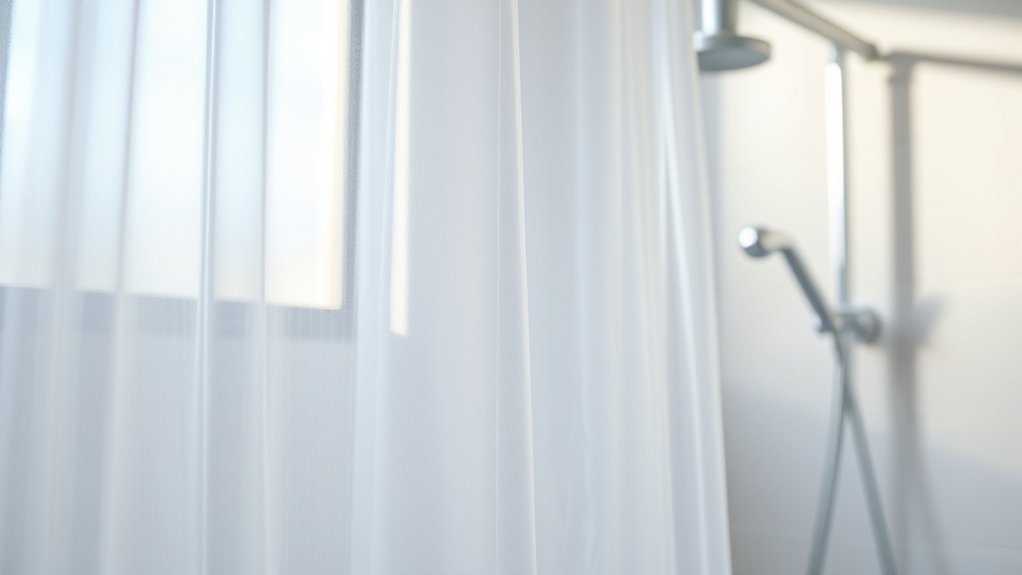
Shower liners are typically made from various types of plastic materials, primarily polyvinyl chloride (PVC) and polyethylene (PE). When you examine their material sourcing, you’ll find that PVC is a synthetic plastic polymer known for durability and water resistance, while PE is valued for its flexibility and lower environmental impact.
Understanding these materials helps debunk common recycling myths, such as the belief that all plastics are equally recyclable or that shower liners are universally accepted by recycling programs. In reality, the chemical composition and additives in PVC often complicate recycling efforts, whereas PE’s simpler structure makes it more recyclable in certain contexts.
Knowing what shower liners are made of aids you in making informed decisions about disposal and recycling options.
Which Shower Liners Can You Recycle?
You can recycle shower liners made from certain types of plastic, such as polyethylene (PE) and polypropylene (PP), which are commonly accepted by recycling programs.
To identify recyclable materials, check for recycling symbols and resin identification codes on the liner. Understanding these markers helps you determine which liners are eligible for recycling in your area.
Types Of Recyclable Liners
Which types of liners qualify for recycling depends largely on the materials they’re made from. Typically, polyethylene (PE) and polypropylene (PP) liners are recyclable through specific municipal programs.
However, recycling myths often confuse consumers into thinking all plastic liners are recyclable, which isn’t true. For example, polyvinyl chloride (PVC) liners are generally non-recyclable due to their chemical composition and potential contamination risks.
Understanding plastic myths helps clarify that not all plastics are created equal in recycling contexts. When you choose liners made from recyclable plastics, you improve your chances of proper disposal and reduce landfill waste.
Being aware of these distinctions allows you to make informed decisions, contributing to effective recycling practices rather than perpetuating common misconceptions about shower liner recyclability.
Identifying Recyclable Materials
How can you determine if a shower liner qualifies for recycling? First, check the material type. Most recyclable liners are made from polyethylene (PE) or polypropylene (PP), common recycled plastics.
Look for recycling symbols or codes, usually a number inside a triangle, on the liner or its bathroom packaging. These indicators help identify if your local recycling program accepts that specific plastic.
Avoid liners made from polyvinyl chloride (PVC), as they’re rarely recyclable due to toxic additives. Also, consider the liner’s condition; heavily soiled or moldy liners often can’t be recycled.
When possible, choose liners explicitly labeled as made from recycled plastics to support circularity. By carefully examining material composition and packaging labels, you can make informed decisions about recycling your shower liner responsibly.
How Local Recycling Programs Handle Shower Liner Recycling
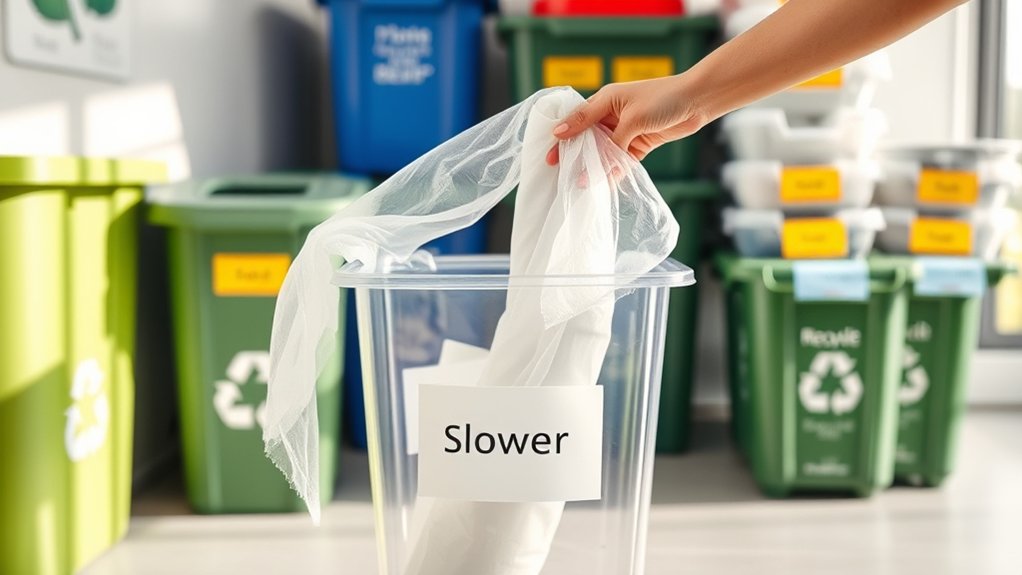
Where do shower liners fit within local recycling programs? Generally, most programs don’t accept shower liners due to their mixed materials, like vinyl or PVC, which complicate processing.
Most local recycling programs exclude shower liners because their vinyl or PVC materials are difficult to process.
Despite common recycling myths suggesting all plastics are recyclable, many liners contribute to plastic pollution if improperly discarded. Your local facility often prioritizes materials with clear recycling pathways, such as PET or HDPE plastics, which shower liners usually don’t meet.
Some specialized centers might accept certain liners, but these are exceptions rather than the rule. To navigate this, you should check your municipality’s guidelines or contact waste management directly.
Understanding these nuances helps you avoid contamination in recycling streams and supports broader efforts to reduce plastic pollution effectively.
Why Dirty Shower Liners Can’t Be Recycled
You can’t recycle dirty shower liners because contamination disrupts the recycling process. Residue like soap scum and mildew interferes with material recovery and lowers the quality of recycled products.
Recycling facilities require clean materials to guarantee efficiency and prevent equipment damage.
Contamination Affects Recycling
Why does contamination prevent shower liners from being recycled? Contamination risks pose a significant barrier in recycling facilities. When shower liners contain soap scum, mold, or other residues, they compromise the quality of the recycled material.
This often leads to entire batches being rejected or downgraded, increasing processing costs and waste. Recycling myths suggest that any plastic can be recycled regardless of condition, but in reality, cleanliness is critical.
Facilities require materials to be free of contaminants to ensure efficient sorting and remanufacturing. Contaminated liners can also damage recycling equipment or introduce hazardous substances.
Residue Limits Processing
Contamination from soap scum, mold, and other residues directly hinders the recycling process by reducing the quality of materials entering facilities. When shower liners contain excessive dirt or grime, they often exceed residue limits set by recyclers.
These limits are strict because even small amounts of organic material can disrupt sorting machines, lower the purity of recycled pellets, and increase processing costs. You need to understand that recycling centers rely on clean inputs to maintain efficiency and product integrity.
Two word discussion ideas like “residue limits” and “processing standards” highlight why dirty liners get rejected. Without proper cleaning, shower liners introduce impurities that complicate recycling workflows, making it economically unfeasible to process them.
Therefore, to recycle shower liners effectively, you must ensure they meet residue limits before disposal.
Can You Recycle Plastic Shower Liners at Home?
Many types of plastic shower liners contain materials that local recycling programs typically don’t accept, making at-home recycling challenging. You might have heard recycling myths suggesting you can simply toss liners in your curbside bin, but most liners are made from mixed plastics or vinyl that contaminate recycling streams.
At-home recycling usually requires clean, single-type plastics, which liners rarely are due to residues and additives. To manage liner disposal properly, you need to verify your local recycling guidelines and look for specialized drop-off programs that accept vinyl or mixed plastics.
Without these options, attempting to recycle shower liners at home often results in contamination, reducing the quality of recycled materials and undermining overall recycling efforts. Therefore, understanding your local capabilities is essential before deciding on liner disposal.
Disposing of Non-Recyclable Shower Liners
When you learn that your shower liner isn’t accepted by local recycling programs, proper disposal becomes essential to minimize environmental impact. Many recycling myths suggest all plastics can be recycled curbside, but shower liners often contain mixed materials that complicate processing.
Placing non-recyclable liners in curbside bins can contaminate recycling streams, reducing overall efficiency. Instead, consider disposing of these liners with regular trash to maintain curbside privacy and prevent recycling facility disruptions.
Some specialized waste facilities accept certain plastics, so checking local guidelines is crucial. By understanding these distinctions and avoiding common recycling misconceptions, you’ll help reduce landfill waste and support more effective recycling systems.
Proper disposal ensures you don’t inadvertently harm environmental efforts while managing non-recyclable shower liners responsibly.
How to Extend the Life of Your Shower Liner
How can you maximize the lifespan of your shower liner to reduce waste and save money? First, avoid common recycling myths that suggest frequent replacement is necessary for hygiene.
Instead, focus on practical lifespan tips: regularly clean your liner with a mild detergent and vinegar solution to prevent mold and mildew buildup, which accelerates deterioration. Ensure proper ventilation in your bathroom to reduce humidity, extending the liner’s usability.
Avoid harsh chemicals or abrasive scrubbing, which can degrade material integrity. Also, gently shake excess water off the liner after each use to minimize prolonged moisture exposure.
Where to Donate or Repurpose Old Shower Liners
Extending the life of your shower liner reduces waste, but eventually, you’ll need to replace it. When that time comes, understanding local recycling policy is essential since many curbside programs don’t accept old liners.
Instead, consider donation centers or repurposing options. Some centers accept clean, gently used liners for community projects or animal shelters.
Here’s a quick guide to help:
| Option | Details |
|---|---|
| Donation Centers | Verify acceptance of vinyl/plastic items |
| Animal Shelters | Use liners for bedding or protective mats |
| Upcycling Projects | Craft reusable bags or waterproof covers |
| Local Recycling Policy | Check for plastic type and drop-off points |
Eco-Friendly Shower Liner Alternatives
Anyone looking to reduce environmental impact can explore eco-friendly shower liner alternatives that offer durability and sustainability. Materials like organic cotton, hemp, and recycled polyester serve as viable options, challenging common recycling myths suggesting all shower liners are non-recyclable.
These alternatives provide enhanced material durability compared to traditional vinyl, reducing the frequency of replacement and waste generation. Additionally, silicone liners, though less common, demonstrate long lifespan and ease of cleaning, contributing to sustainability goals.
When choosing an eco-friendly liner, consider certifications such as OEKO-TEX or GOTS, which verify reduced chemical use and environmental impact. By selecting durable, recyclable, or compostable materials, you can effectively minimize your bathroom’s ecological footprint while avoiding misconceptions about recycling feasibility for conventional liners.
Frequently Asked Questions
How Often Should You Replace a Shower Liner?
You should replace your shower liner every six to twelve months, depending on wear and mildew buildup.
Consider recycling options for eco-friendly disposal to reduce waste, aligning replacement frequency with environmental responsibility and liner condition.
Can Shower Liners Cause Mold or Mildew Buildup?
You know what they say, “An ounce of prevention is worth a pound of cure.” Shower liners, especially those made from non-breathable materials, increase mold risk; choosing safe materials helps minimize mold buildup and guarantees material safety.
Are Shower Liners Safe for Sensitive Skin?
Are shower liners safe for sensitive skin? Generally, yes. Choose hypoallergenic, BPA-free liners to minimize irritation.
Some materials may cause reactions, so always check product labels and consider your skin’s sensitivity before use for optimal safety.
What Is the Best Way to Clean a Shower Liner?
Like a gentle rain washing away grime, you should clean your shower liner weekly with mild detergent and warm water.
Using mold resistant materials helps keep your crack free shower, preventing buildup and extending the liner’s life.
Do Shower Liners Affect Water Usage or Drainage?
You won’t notice shower liners directly affecting water usage or drainage, but improper shower liner disposal contributes to plastic waste. Choosing biodegradable liners helps with plastic waste mitigation and reduces environmental impact over time.