Are Bathtub Drains Universal
Bathtub drains aren’t exactly one-size-fits-all, so you can’t just swap them without a second thought. When it comes to bathtub drains, it’s essential to carefully measure the diameter and check how the overflow aligns to avoid leaks or poor drainage.
Different drain types and installation methods add complexity, making it important to understand these variations before making a purchase. This subtle but critical detail often trips people up when replacing or upgrading their drains.
Key Takeaways
- Bathtub drains are rarely universal due to variations in size, design, and attachment methods.
- Accurate measurement of drain diameter and overflow alignment is essential before replacement.
- Different drain types require specific installation methods, such as screw-in or slip-fit.
- Brand and model differences affect interchangeability despite similar appearances.
- Confirm threading, flange design, and compatibility to avoid leaks and installation issues.
Are Bathtub Drains Universal?
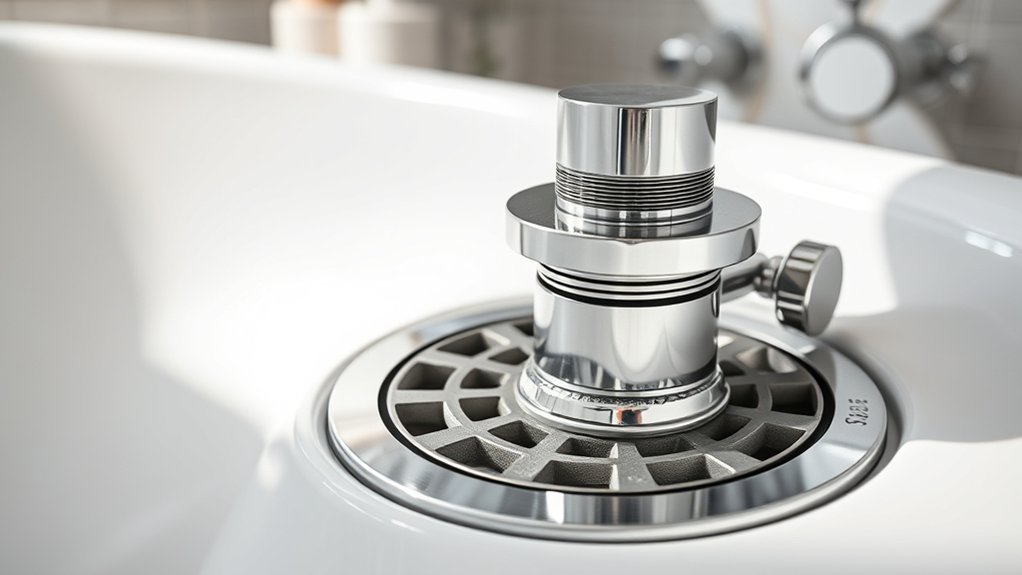
How do you know if a bathtub drain fits every tub? In reality, universal compatibility is rare. Bathtub drains vary by size, design, and attachment methods, so you can’t assume one drain fits all tubs.
Bathtub drains differ in size and design, so universal fit is uncommon and shouldn’t be assumed.
You’ll need to measure the existing drain’s diameter and check the overflow alignment before purchasing. Installation challenges often arise from mismatched fittings or non-standard drain heights, which can cause leaks or improper sealing.
To avoid these issues, select a drain designed for your tub’s specifications or one clearly labeled as universally compatible. Even then, minor adjustments during installation might be necessary.
Understanding these technical details ensures you pick the right drain, preventing costly rework and maintaining proper drainage function.
What Types of Bathtub Drains Are Available?
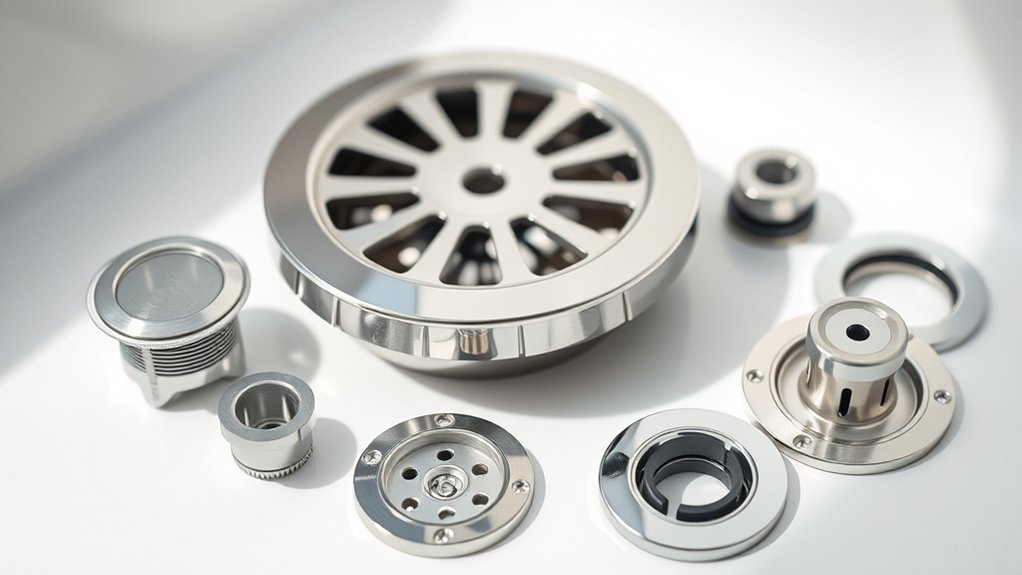
What options do you have when selecting a bathtub drain? You’ll encounter different types based on drain size and installation type. Typical categories include lift-and-turn, push-and-pull, toe-touch, and trip lever drains. Each offers distinct mechanisms and compatibility considerations.
| Drain Type | Installation Type |
|---|---|
| Lift-and-Turn | Screw-in or slip-fit |
| Push-and-Pull | Screw-in |
| Toe-Touch | Screw-in |
| Trip Lever | Connected to overflow pipe |
Drain size mainly varies from 1.5 to 2 inches in diameter, affecting fit and water flow. Installation types differ by attachment method. Some screw directly into the drainpipe, while others slip-fit for easier replacement. Choosing the right combination ensures proper sealing and efficient drainage in your bathtub system.
How Do Bathtub Drain Sizes and Installation Types Differ?
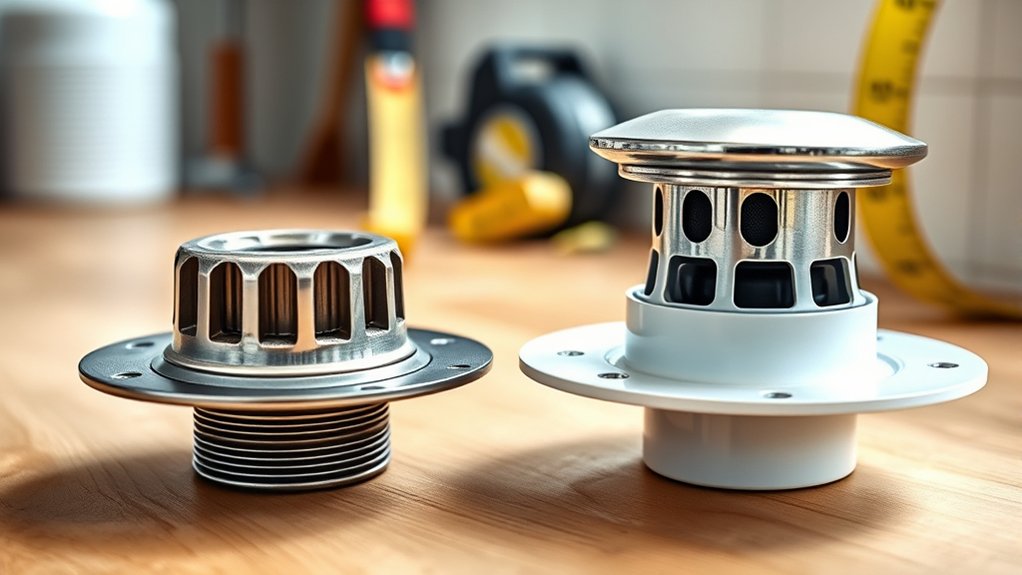
Why do bathtub drain sizes and installation types matter? Because they directly affect both functionality and bathroom aesthetics. Drains typically come in standard diameters, like 1.5 or 1.75 inches, but variations exist depending on the bathtub model.
Installation types such as slip-fit, threaded, or lift-and-turn demand specific connections and tools. Mismatched sizes or incompatible installation types can cause leaks, poor drainage, or misaligned fittings, complicating repairs.
For you, tackling these issues means facing common DIY challenges, including cutting pipes accurately and sealing joints properly to avoid water damage. Understanding precise measurements and fitting methods ensures you maintain a clean, professional look while preventing costly mistakes.
Prioritizing compatibility between drain size and installation type is key to a seamless, functional bathroom setup.
Can You Swap Bathtub Drains Between Brands and Models?
Although bathtub drains may appear similar across brands and models, swapping them isn’t always straightforward. Universal compatibility is limited due to subtle design differences and installation variance.
When considering a drain swap, you should evaluate:
- Drain flange diameter and shape, which affect sealing and fit.
- Thread type and pitch on the drain body, ensuring secure connection.
- Overflow assembly compatibility, as some drains integrate uniquely.
- Drain stopper mechanism, which varies by brand and model.
Ignoring these factors can cause leaks or improper drainage. Even if sizes match, minor variations in installation depth or connection style can prevent direct interchange.
How to Choose the Right Bathtub Drain Replacement
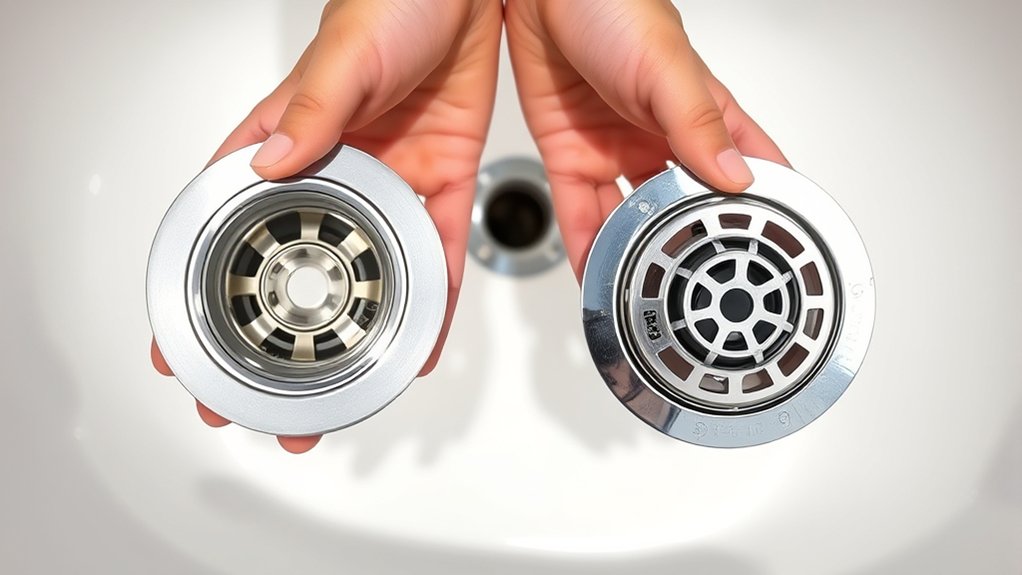
Selecting the right bathtub drain replacement requires careful measurement and compatibility checks to guarantee a secure fit and leak-free performance. Start by measuring the drain opening diameter and the tub’s thickness to ensure precise sizing.
Careful measurement and compatibility checks ensure a secure, leak-free bathtub drain replacement fit.
Verify drain compatibility by comparing the replacement’s specifications with your bathtub’s model. Pay attention to threading type and flange design, as these affect installation and sealing.
Consider brand interoperability; not all drains from different manufacturers fit interchangeably due to variations in design standards. Consult technical datasheets or manufacturer guidance to confirm compatibility.
Prioritize replacements that explicitly support multiple brands if you want flexibility. Finally, choose materials resistant to corrosion and wear for durability.
Accurate selection prevents costly leaks and ensures efficient drainage function over time.
Frequently Asked Questions
How Often Should Bathtub Drains Be Cleaned?
You should clean your bath drain every three months to prevent clogs and ensure rust prevention. Regular maintenance removes buildup and moisture that cause corrosion, keeping your drain functional and extending its lifespan efficiently.
What Causes Bathtub Drains to Clog Frequently?
You’re dealing with frequent clogs because your drain design traps hair and debris easily. To improve clog prevention, regularly clear buildup and consider installing a hair catcher or strainer to minimize blockages effectively.
Can Bathtub Drains Cause Bathroom Odors?
Bathtub odors act like silent intruders, sneaking up from clogged drains. You’ll prevent them with regular drain maintenance. Clearing debris and ensuring proper water seals keeps your bathroom fresh and odor-free, avoiding persistent, unpleasant smells.
Are There Eco-Friendly Bathtub Drain Options?
Yes, you can find eco-friendly drains designed with universal compatibility, ensuring easy installation. These drains use sustainable materials and efficient water flow designs, helping you reduce environmental impact without sacrificing performance or compatibility with standard bathtub plumbing systems.
How to Prevent Rust Around Bathtub Drains?
You can prevent bath drain rust by regularly drying the area, applying a rust-resistant sealant, and choosing eco-friendly options like stainless steel or brass drains. These materials resist corrosion and minimize environmental impact effectively.
Conclusion
Replacing your bathtub drain isn’t a one-size-fits-all task. Think of drains like puzzle pieces—only the right fit ensures a leak-free seal and smooth drainage. You’ll need to measure sizes, check overflow alignment, and understand installation types before swapping parts.
By choosing the correct drain based on your tub’s design and brand specifics, you’ll avoid costly mistakes and keep your bathroom running efficiently. Precision is key for a perfect fit every time. Remember, bathtub drains are not universal, so selecting the right one is essential for proper function and durability.