Can a Cold Shower Be Dangerous
You might think a cold shower is simply a brisk way to wake up, but a cold shower can pose real risks for certain individuals.
Cold water causes your blood vessels to constrict and your heart rate to spike, which may lead to serious complications if you have underlying health issues.
Understanding who should be cautious and recognizing warning signs is crucial before making cold showers a routine part of your day.
Taking these precautions can help ensure your experience remains safe and beneficial.
Key Takeaways
- Cold showers can trigger rapid breathing and cold shock, posing risks for people with respiratory or cardiovascular conditions.
- Sudden vasoconstriction and increased heart rate may cause cardiac events in individuals with heart disease or hypertension.
- Cold exposure can provoke bronchospasm and worsen asthma or respiratory illnesses, requiring cautious breathing management.
- People with Raynaud’s disease, hypothyroidism, or compromised immunity should avoid cold showers due to thermoregulation challenges.
- Warning signs like chest pain, dizziness, numbness, or intense shivering require immediate cessation and medical consultation.
What Happens to Your Body During a Cold Shower?
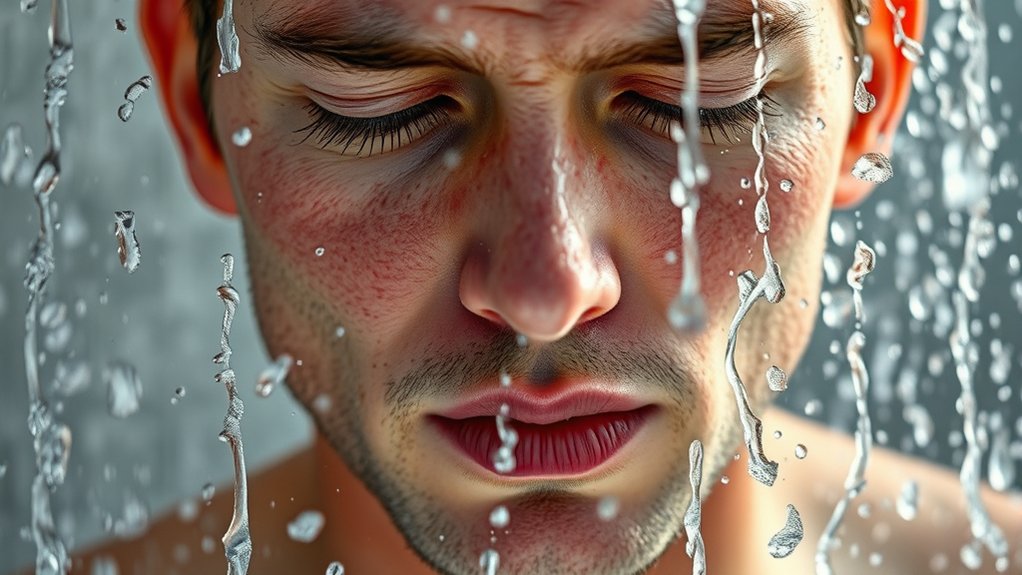
How does your body respond when exposed to cold water during a shower? Cold exposure triggers an immediate physiological reaction. Your skin’s cold receptors activate, causing blood vessels near the surface to constrict, a process called vasoconstriction.
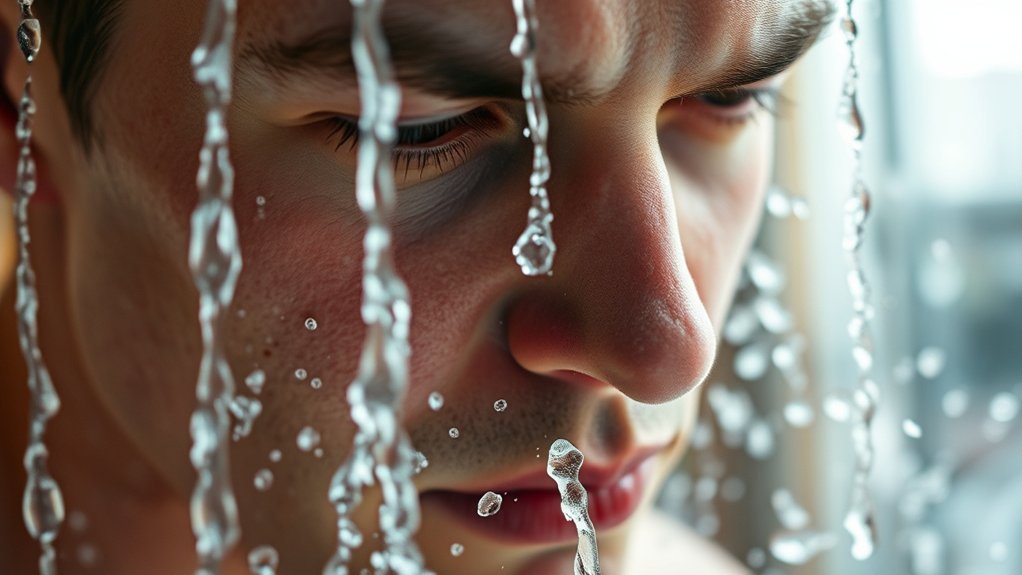
This reduces blood flow to the skin, helping conserve core body heat. Simultaneously, your heart rate and blood pressure increase as your body works to maintain homeostasis. You might experience rapid, shallow breathing due to the shock response, which activates your sympathetic nervous system.
Incorporating cold exposure into shower routines can enhance alertness and may stimulate the immune system, according to some studies. However, these effects depend on the duration and intensity of the cold water exposure. Understanding these responses helps you safely integrate cold showers into your regimen.
Who Should Avoid Cold Showers?
If you have heart conditions, cold showers can trigger dangerous cardiovascular responses due to sudden vasoconstriction and increased heart rate.
You should also avoid cold showers if you have heightened sensitivity to cold, as this can lead to excessive discomfort or hypothermia.
Understanding these risks helps you make safer choices about your bathing routine.
Heart Conditions Risk
Why should individuals with heart conditions exercise caution when considering cold showers? Cold exposure triggers a rapid constriction of blood vessels and an increase in heart rate, which can impose significant stress on the cardiovascular system.
This sudden physiological response increases the shock risk, potentially leading to arrhythmias or even cardiac arrest in vulnerable individuals. If you have a history of heart disease, hypertension, or other cardiac issues, your heart may struggle to cope with this abrupt stress.
Medical studies emphasize that cold showers can provoke adverse cardiac events in susceptible people. Therefore, it’s prudent to avoid cold showers or consult your healthcare provider before incorporating them into your routine to minimize potential health risks associated with cold exposure and shock risk.
Sensitivity To Cold
Who should steer clear of cold showers due to heightened sensitivity to cold? Individuals with impaired cold adaptation or weakened immune response should avoid sudden exposure to cold water.
If you have conditions such as Raynaud’s disease, hypothyroidism, or peripheral neuropathy, your body may struggle to regulate temperature effectively. This impaired thermoregulation can exacerbate symptoms, increasing discomfort or risk of complications.
Additionally, if your immune system is compromised, abrupt cold exposure might challenge your body’s defense mechanisms, potentially leading to illness. While cold showers can promote cold adaptation in healthy individuals, those sensitive to cold stimuli should proceed cautiously or avoid them altogether.
Consulting a healthcare professional before incorporating cold showers into your routine ensures safety, especially if you experience abnormal reactions to cold or have underlying health concerns.
What Symptoms Show Cold Showers Might Be Harmful?
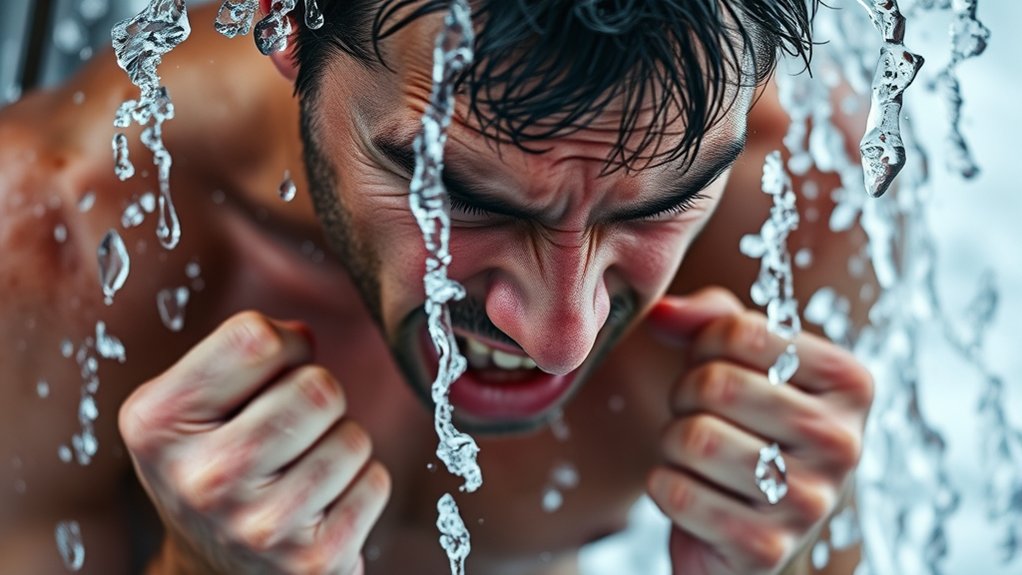
How can you tell when cold showers are doing more harm than good? Recognizing harmful triggers is essential to maintaining your safety. If you experience persistent numbness, prolonged shivering, or intense skin discoloration during or after cold exposure, these symptoms signal potential harm.
Additionally, dizziness, chest pain, or difficulty breathing are serious safety warnings indicating you should stop immediately and seek medical advice. Pay close attention to your body’s responses; unusual fatigue or confusion also suggests the cold is adversely affecting you.
These signs are not to be ignored, as they may indicate underlying vulnerabilities or adverse reactions. Always err on the side of caution and consult healthcare professionals if symptoms persist, ensuring cold showers remain a safe practice rather than a health risk.
Can Cold Showers Cause Shock or Hypothermia?
Can sudden exposure to cold water during a shower trigger shock or hypothermia? Cold exposure can indeed provoke a rapid physiological response known as cold shock, characterized by an involuntary gasp, increased heart rate, and hyperventilation. This reaction can be dangerous if you’re unprepared or have underlying health conditions.
However, in typical shower settings, hypothermia is highly unlikely because the duration and temperature rarely reach levels necessary to noticeably lower core body temperature. To ensure shower safety, gradually reduce water temperature rather than switching abruptly to cold water.
If you have conditions affecting circulation or temperature regulation, consult a healthcare professional before regular cold exposure. Proper precautions minimize risks, allowing you to enjoy cold showers without triggering shock or hypothermia.
Could Cold Showers Affect Your Heart?
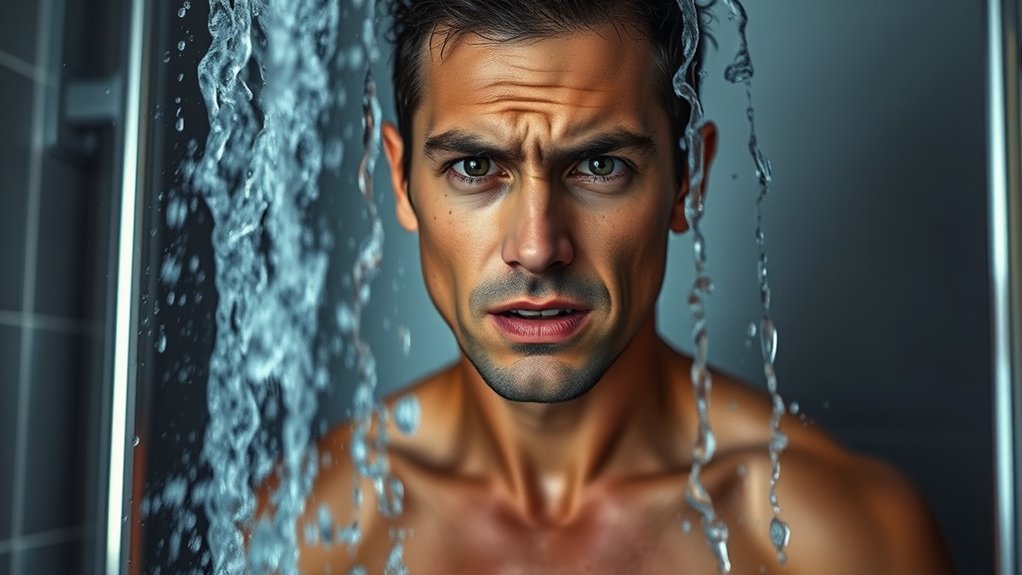
Beyond the immediate risks of cold shock and hypothermia, cold showers may also influence cardiovascular function. When you experience sudden cold exposure, your body activates the sympathetic nervous system, increasing heart rate and constricting blood vessels. This response can place additional strain on your heart, particularly if you have pre-existing cardiovascular conditions.
While healthy individuals generally tolerate this stress without significant issues, those with heart disease or compromised heart function should exercise caution. Research indicates that abrupt cold exposure can trigger arrhythmias or ischemic events in vulnerable individuals.
Therefore, for heart safety, it’s advisable to consult a healthcare professional before incorporating cold showers into your routine, especially if you have known cardiac risks. Understanding how cold exposure affects your heart is critical to avoiding potential complications.
What Cold Showers Do to Your Blood Pressure?
What impact do cold showers have on your blood pressure? Cold exposure causes a rapid constriction of blood vessels, which can lead to a temporary increase in blood pressure. When you step into a cold shower, your body reacts by activating the sympathetic nervous system, increasing heart rate and vascular resistance.
This physiological response helps you understand how cold showers influence your cardiovascular system.
Consider these effects on blood pressure during cold exposure:
- Immediate vasoconstriction raises blood pressure temporarily.
- Sympathetic activation increases heart rate and cardiac output.
- In healthy individuals, this response is typically short-lived and safe.
- Those with hypertension should monitor blood pressure closely, as cold exposure may exacerbate elevated levels.
Understanding these mechanisms helps you weigh the risks and benefits of cold showers.
Are Cold Showers Safe If You Have Breathing Problems?
If you have breathing problems, cold showers can affect your respiratory function by triggering airway constriction or difficulty breathing. Asthma patients, in particular, may experience increased risks due to cold-induced bronchospasm.
You should carefully manage any breathing difficulties and consult a healthcare professional before using cold showers.
Impact on Respiratory Function
How do cold showers affect your respiratory function, especially if you have preexisting breathing problems? Cold exposure triggers an immediate respiratory reflex that can alter normal breathing patterns and requires careful breath control. You might experience an involuntary gasp followed by rapid breathing, which can strain your respiratory system.
Consider these effects on respiratory function:
- Sudden cold exposure can cause bronchoconstriction, narrowing your airways.
- Rapid changes in breath control may lead to hyperventilation.
- Your oxygen intake efficiency might temporarily decrease.
- Respiratory muscles may tighten, making breathing feel more laborious.
If you have breathing problems, be cautious with cold showers. Gradually adapting to cold water and practicing controlled breathing can mitigate risks, but always consult a healthcare professional before incorporating cold exposure into your routine.
Risks for Asthma Patients
Why might cold showers pose specific risks for asthma patients? Exposure to cold water can act as a potent asthma trigger by causing airway constriction and increased mucus production. These physiological responses heighten the risk factors for asthma exacerbations, including bronchospasm and shortness of breath.
When your respiratory system encounters sudden cold stimuli, it may react with inflammation, leading to difficulty breathing. Given that asthma involves hyperresponsive airways, cold showers can provoke symptoms such as wheezing, coughing, or chest tightness.
Therefore, if you have asthma or any related breathing problems, cold showers could increase your vulnerability to acute episodes. It’s important to recognize these risk factors and exercise caution, as cold water exposure might not be safe for individuals susceptible to asthma attacks or respiratory distress.
Managing Breathing Difficulties
Cold showers can considerably impact your respiratory system, especially if you experience breathing difficulties. Sudden exposure to cold water can trigger rapid, shallow breathing or hyperventilation, increasing discomfort or risk. To manage this, you should employ specific breathing techniques and carefully control your shower duration.
Consider these guidelines:
- Begin with warm water, gradually reducing temperature to allow respiratory adjustment.
- Use slow, deep breathing to counteract cold-induced gasping reflexes.
- Limit shower duration to under five minutes to minimize respiratory stress.
- Monitor your body’s signals closely; discontinue if you experience severe shortness of breath or dizziness.
Following these evidence-based strategies can help you safely incorporate cold showers while minimizing respiratory risks. However, consulting a healthcare professional before starting is strongly recommended.
How Can You Start Taking Cold Showers Safely?
Where should you begin when introducing cold showers into your routine? Start gradually by reducing the water temperature over several sessions to minimize shock to your system.
Monitor your calorie intake carefully, as cold exposure can increase metabolic demands, requiring adequate nutrition to sustain energy levels.
Pay attention to your body’s response; if you notice changes in sleep quality, adjust the timing or temperature accordingly since cold showers can either improve or disrupt rest depending on individual tolerance.
Maintain consistent breathing patterns to avoid hyperventilation. It’s advisable to keep sessions brief initially, lasting 30 seconds to one minute, then incrementally increase duration as your tolerance improves.
When Should You Avoid Cold Showers?
While gradually introducing cold showers can offer health benefits, certain situations warrant caution or complete avoidance. You should avoid cold exposure when your body is vulnerable or under stress, as sudden drops in shower temperature might provoke adverse reactions.
Specifically, avoid cold showers if you have cardiovascular conditions, since cold exposure can constrict blood vessels and raise blood pressure. Also, avoid them if you suffer from respiratory illnesses, as cold air and water may trigger bronchospasm or exacerbate symptoms.
Pregnant individuals should avoid cold showers because sudden temperature changes might stress both you and the fetus. Additionally, if you experience Raynaud’s phenomenon or other circulatory disorders, cold exposure can severely limit blood flow.
Understanding these risks helps you make informed decisions about incorporating cold showers safely into your routine.
How to Enjoy Cold Showers Safely
How can you safely incorporate cold showers into your routine to maximize benefits while minimizing risks? Begin by gradually adapting to cold exposure, starting with brief intervals of cooler water before progressing to colder temperatures. This approach helps your body adjust to temperature rhythm without causing shock.
Monitor your body’s response closely; if you experience dizziness, excessive shivering, or numbness, stop immediately. Maintain a consistent temperature rhythm to avoid abrupt changes that can stress your cardiovascular system.
Limit cold shower duration to a few minutes initially, increasing only as tolerated. Always ensure your environment is safe to prevent slips or falls due to sudden muscle tension.
Frequently Asked Questions
Can Cold Showers Improve Mental Health or Mood?
Yes, cold showers can improve your mental health by promoting stress relief and aiding mood regulation. They stimulate the nervous system, increasing alertness and reducing cortisol levels, which helps manage anxiety and enhances overall emotional well-being.
Do Cold Showers Help With Muscle Recovery After Exercise?
Yes, cold showers can reduce muscle soreness after exercise by constricting blood vessels and reducing inflammation. Combining hot cold contrast therapy further enhances recovery by improving circulation and decreasing delayed onset muscle soreness effectively.
Are Cold Showers Beneficial for Skin and Hair Health?
Yes, cold showers can improve skin hydration by reducing moisture loss and minimizing oil removal. They also decrease hair fragility by sealing cuticles, promoting strength.
However, balance is essential to avoid excessive dryness or irritation.
Can Cold Showers Boost Your Immune System?
Yes, cold showers can boost your immune response by stimulating white blood cell production.
However, keep your shower duration brief to avoid stress on your body, ensuring the practice supports rather than compromises your health.
How Long Should a Cold Shower Ideally Last for Benefits?
To get the timing just right, you should keep cold showers between 2 to 5 minutes. This duration maximizes benefits like improved circulation and alertness without risking discomfort or adverse effects.
Stick to this evidence-based guideline.